
Celtic Rhyton: The Ancient Drinking Horn of Celtic Culture

The Celtic world loved objects that blended art, ritual, and identity. Among these treasures, the Celtic Rhyton, or drinking horn, stands out as one of the most captivating. This vessel appears in myths, archaeological finds, royal feasts, and seasonal celebrations. It shaped how Celts honored the gods, toasted victories, and expressed status. Today, it remains an object of fascination for historians, collectors, and anyone who loves Celtic heritage.
What Exactly Is a Celtic Rhyton?
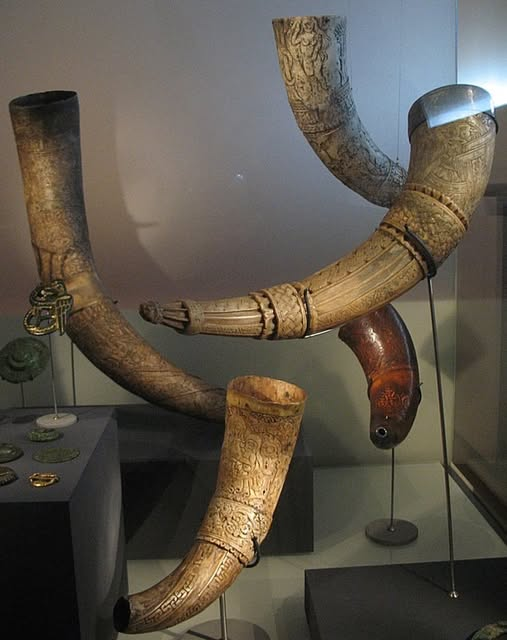
A rhyton is a ceremonial drinking horn, usually carved from real horn, wood, clay, or metal. Celts preferred horns from oxen or aurochs, but they also created luxurious versions from bronze or silver. Unlike ordinary cups, the rhyton often had an opening at the bottom, designed to pour liquid in a ritual stream rather than sip slowly.
A Ritual Vessel Rooted in Myth and Ceremony
Every culture has a symbolic drinking vessel, but the Celts turned the rhyton into a spiritual tool. They lifted it during feasts honoring deities such as Lugh, the Celtic god of the sun and skill (linked here: https://celtguide.com/celtic-sun-god-lugh/). Warriors raised it after victories, and druids used it during seasonal rites.
Some scholars even connect the rhyton to the magical cauldrons of Irish mythology, such as the Cauldron of Dagda, known for endless abundance https://celtguide.com/cauldron-of-dagda/.
Both objects represent nourishment, prosperity, and a blessing from the Otherworld.
Craftsmanship That Reveals Celtic Identity
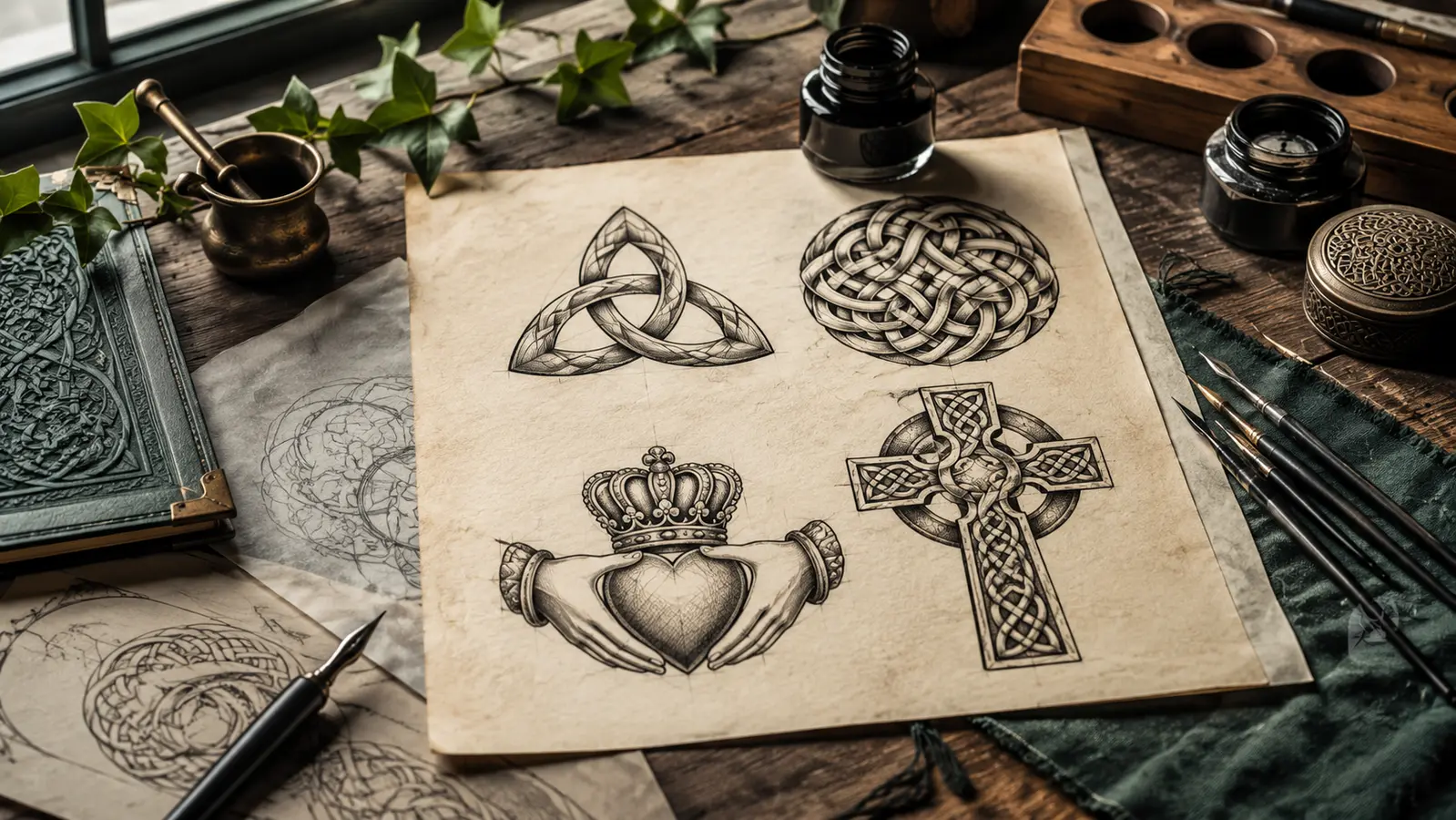
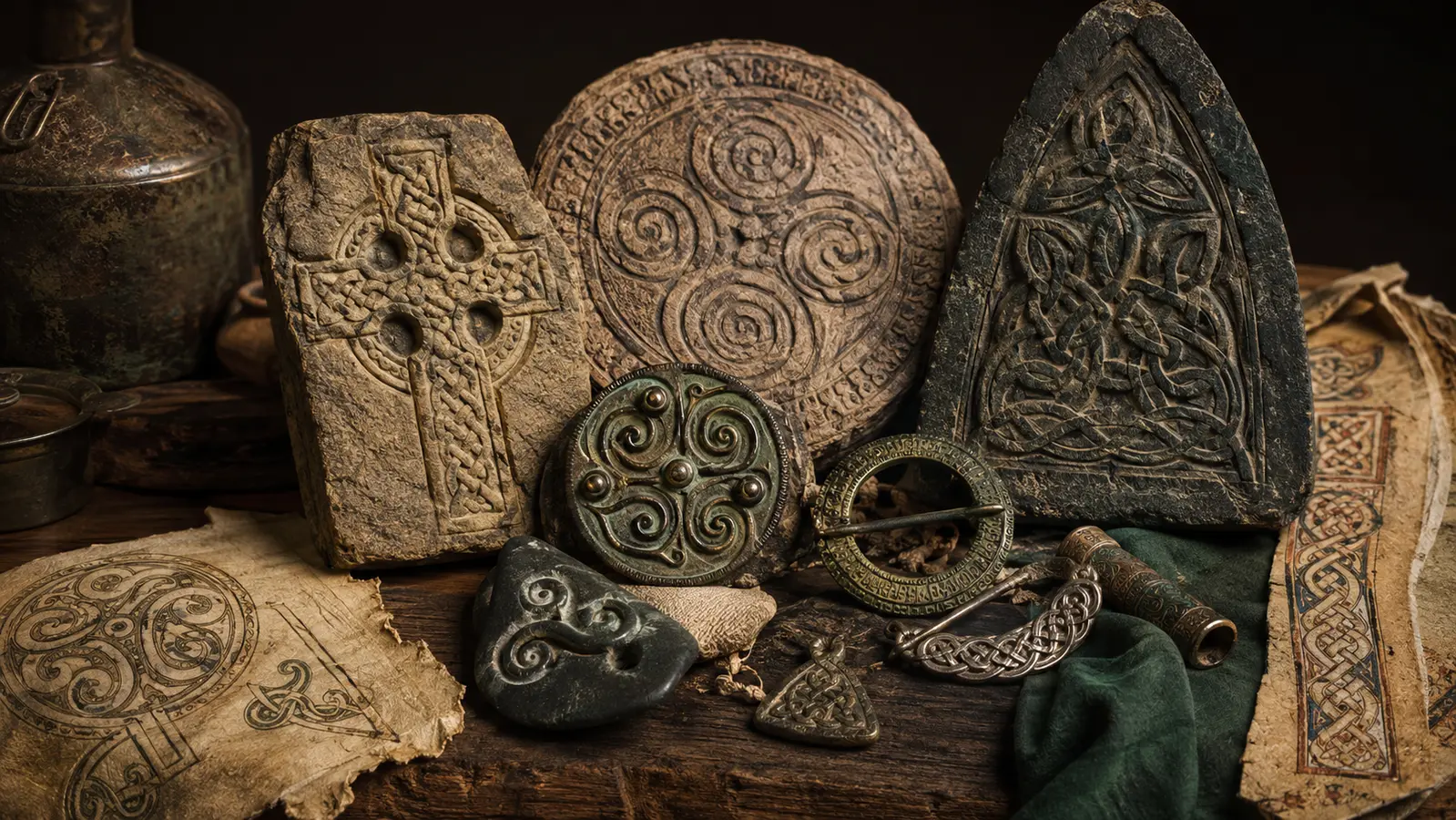
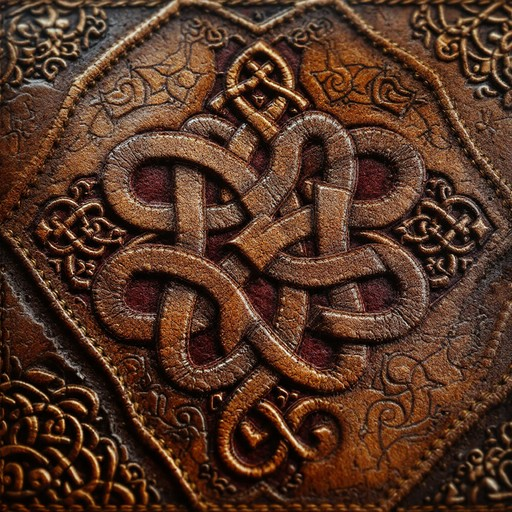
Celtic artisans took great pride in rhyton decoration. They carved spirals, triskelions, knotwork, animal forms, and heroic scenes. These motifs appear across many Celtic arts, including stone carvings
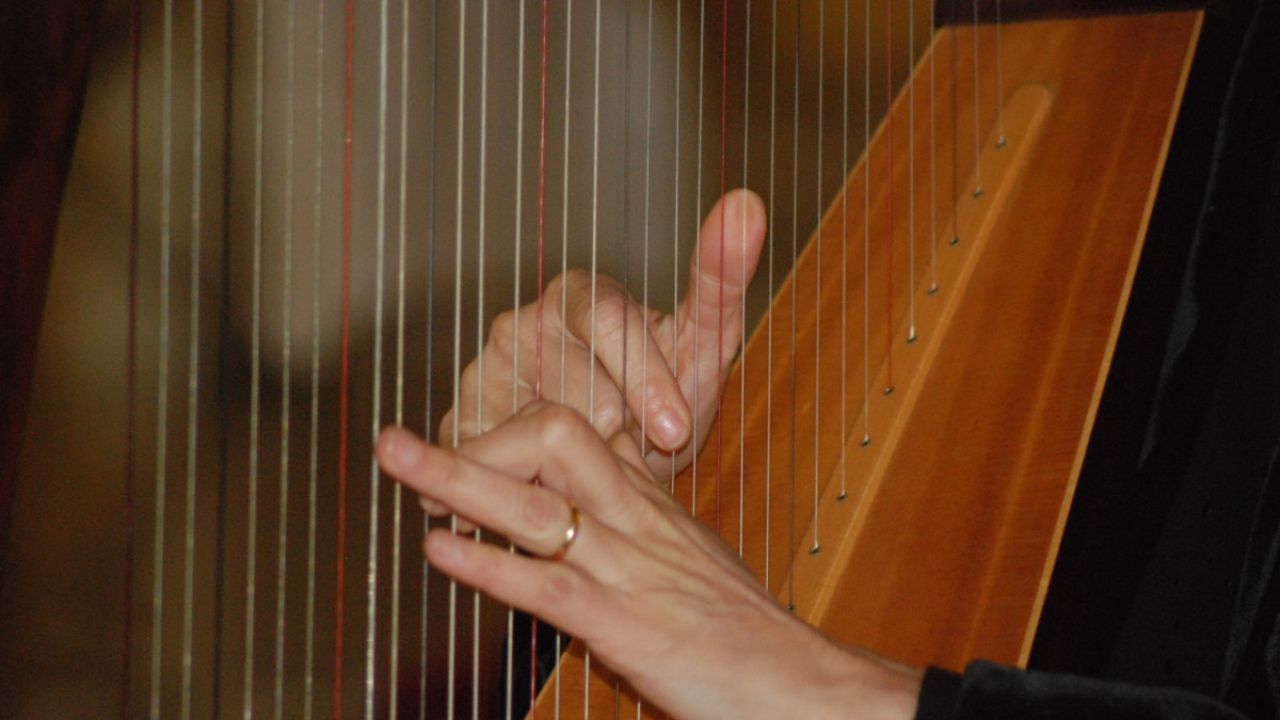
https://celtguide.com/celtic-stone-carvings/ and even musical instruments like the Clarsach (Celtic harp)
https://celtguide.com/what-is-a-clarsach-a-comprehensive-guide-to-the-celtic-harp/.
Each rhyton expressed belonging—either to a clan, a region, or a spiritual lineage.
The Rhyton at Feasts: Community, Storytelling, and Celebration
Celtic gatherings were never quiet. They celebrated bravery, tragedy, and humor. The drinking horn added a theatrical presence to those moments.
In these feasts:
- A full horn honored guests.
- Passing the horn invited unity.
- Storytellers used it as a prop while recounting legends.
This social tradition fits perfectly with the way Irish culture still carries a natural talent for storytelling
https://celtguide.com/why-are-irish-people-natural-storytellers/.
Symbolism Across the Celtic World
The Celtic rhyton symbolized far more than drinking:
1. Status and Leadership
Only people of standing—chieftains, druids, or honored warriors, could use richly ornamented horns.
2. Hospitality and the Sacred Meal
Sharing drink from a single horn strengthened trust. It turned meals into sacred acts, similar to how many Celtic rituals blended community and spirituality.
3. Connection to Nature
Using an animal horn reminded Celts of their relationship with the natural world. It aligned with the deep reverence seen in traditions like Celtic oak worship https://celtguide.com/celtic-oak-tree/.
Archaeological Finds and Historical Evidence
Archaeologists uncovered rhytons in burial mounds, ritual sites, and ancient settlements. These discoveries suggest that the horn traveled across Europe with the Celts. Some horns accompanied warriors into the afterlife, showing how essential they were to Celtic identity.
The Celtic Rhyton in Modern Culture
Modern Celtic festivals, reenactments, and heritage events still feature drinking horns. They appear in Highland gatherings, medieval fairs, and traditional music circles. You may even see them near performances featuring the bodhrán drum
(link: https://celtguide.com/the-bodhran-drum/),
adding depth to the atmosphere.
Collectors love them as statement pieces, while artists craft replicas in horn, resin, and metal. They serve as reminders of how ancient traditions still inspire today’s celebrations.
Why the Rhyton Still Matters
The Celtic Rhyton continues to resonate because it represents something timeless: community, identity, and the shared human need to celebrate. It carries the memory of ancient stories, seasonal rituals, and the spirit of a people who honored both earth and Otherworld.
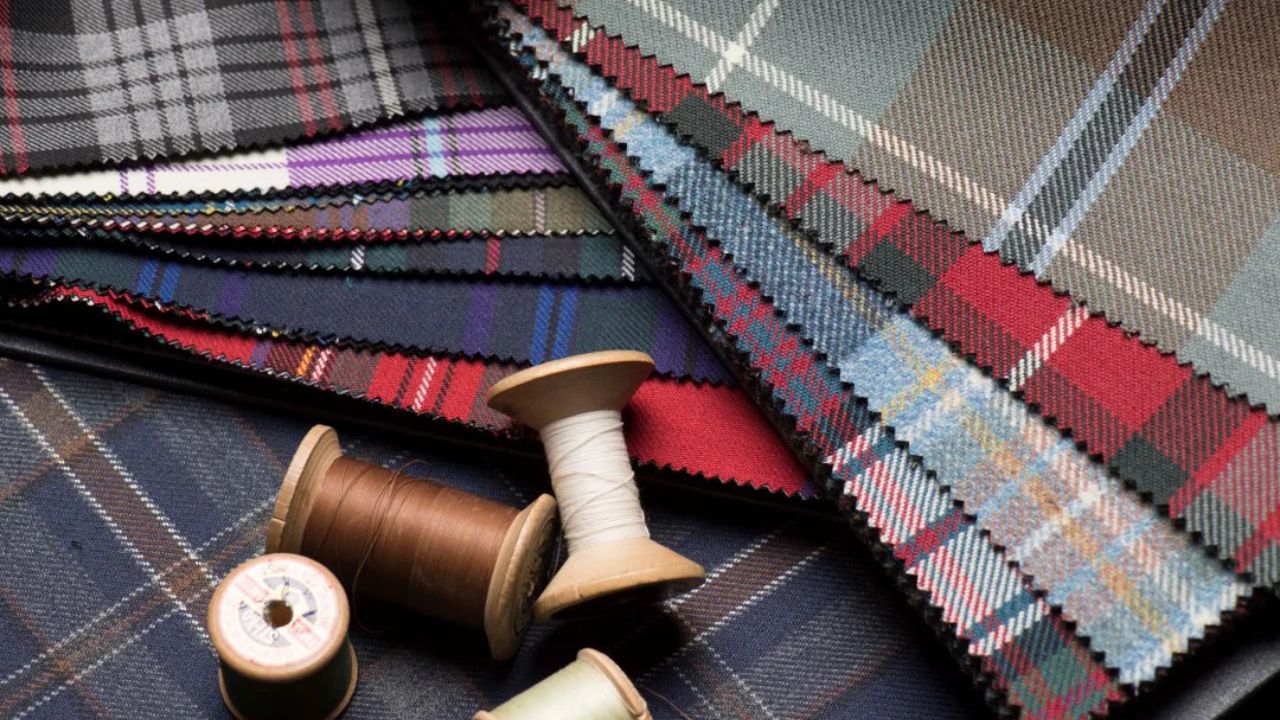
For anyone building a deeper understanding of Celtic culture, whether through clothing like tartan https://celtguide.com/what-is-tartan/.
or through landscapes like Loch Lomond https://celtguide.com/is-loch-lomond-in-the-highlands/, rhyton adds another layer to the rich tapestry of Celtic heritage.