Scottish Highland Sunset: Nature, Culture, and Celtic Charm
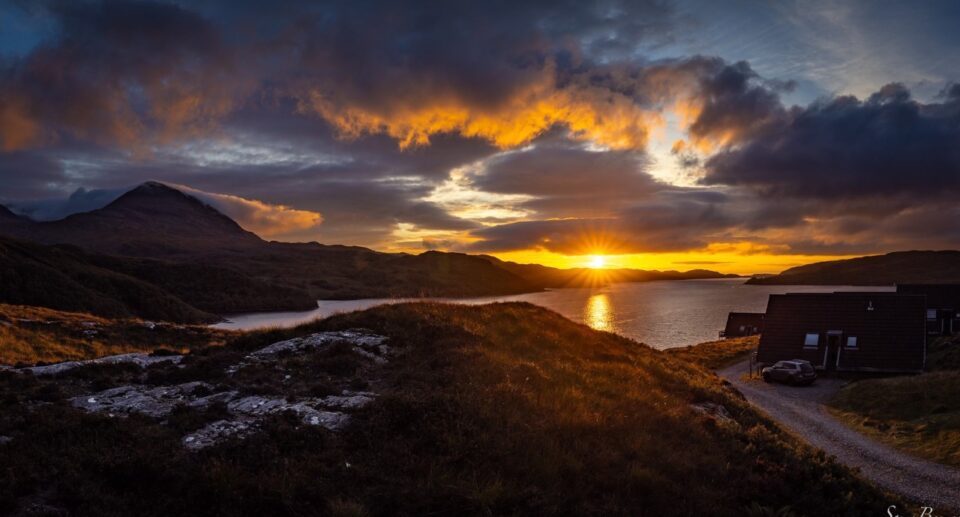
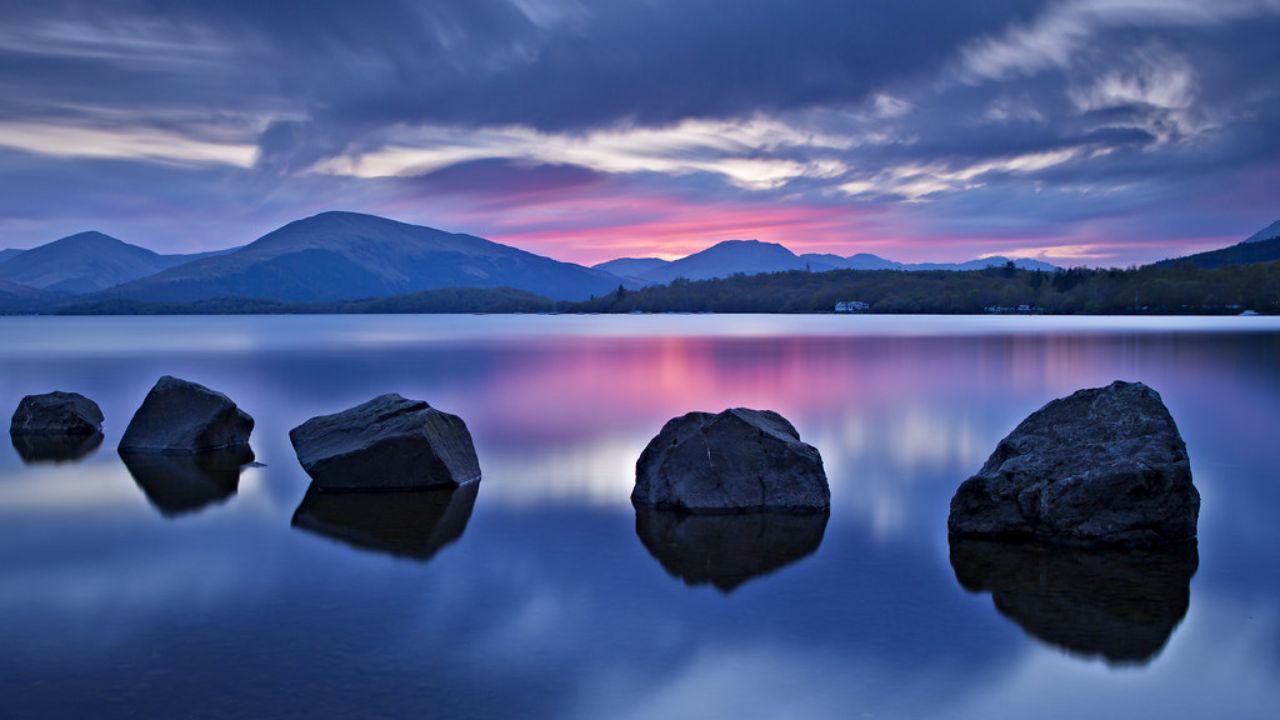
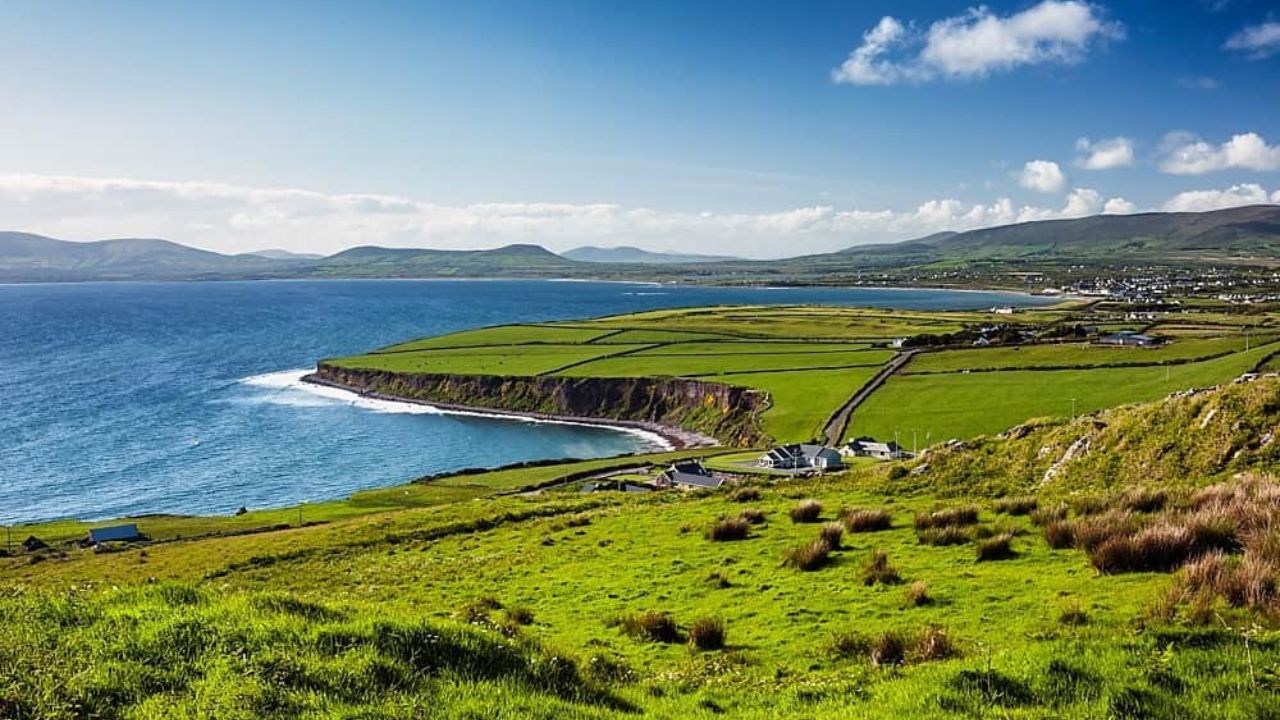
Few experiences in Scotland rival the Scottish Highland sunset. The Highlands, with their rugged mountains, glens, and serene lochs, provide the perfect backdrop for nature’s evening spectacle. As the sun descends behind the peaks, the skies ignite in a kaleidoscope of gold, crimson, and violet, creating scenes that appear almost magical. These sunsets are not just visually stunning—they also connect deeply with Celtic heritage, reflecting centuries of spiritual and cultural significance.
For travelers seeking the best spots to witness these evenings, the Isle of Mull offers breathtaking viewpoints where the sun sets over coastal cliffs and tranquil waters.
The Science and Magic Behind Highland Sunsets
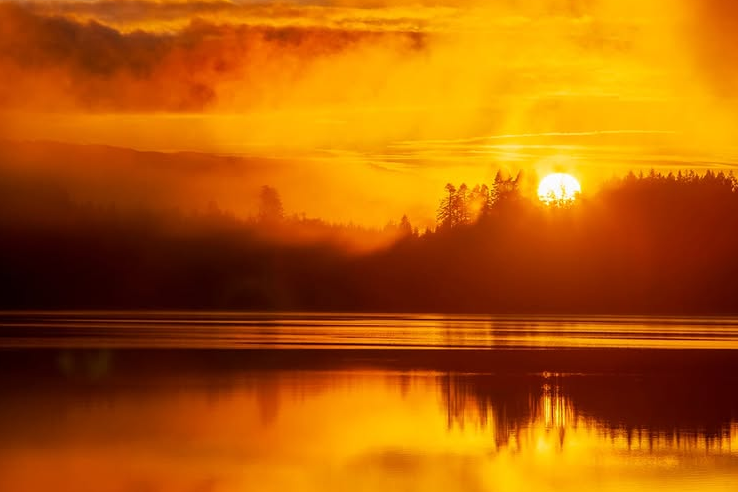
The unique beauty of Highland sunsets is partly due to Scotland’s northern latitude and varied terrain. The sun lingers near the horizon longer than in many regions, stretching the golden hour and producing intense and shifting colors. When mist rises from the valleys or drifts across lochs, the interplay of light and shadow creates a scene that seems otherworldly.
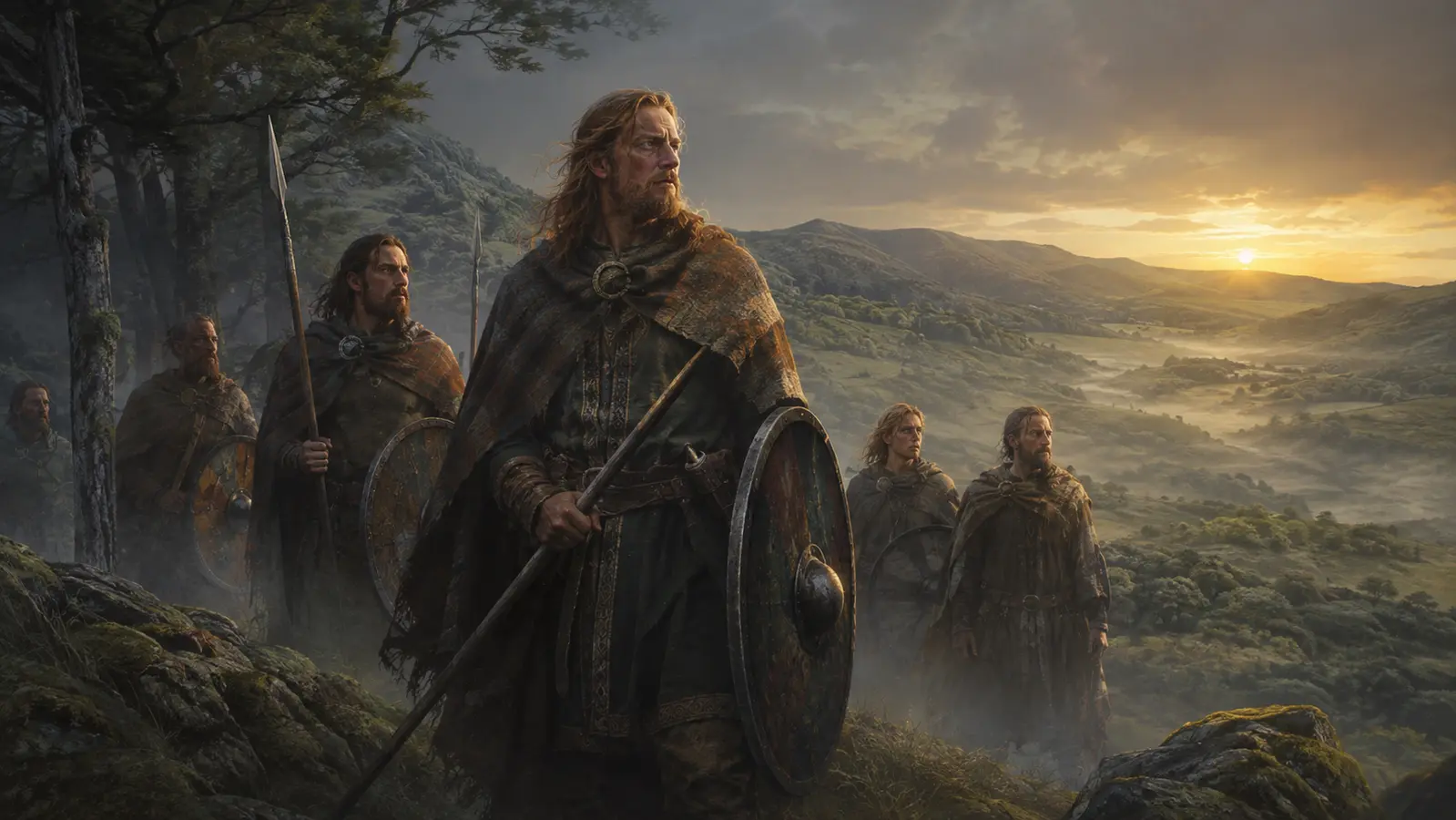
This natural spectacle resonates with ancient Celtic beliefs, where light, the sun, and natural cycles held deep spiritual significance. Celtic societies revered the sun god Lugh, associating him with life, harvest, and protection (Celtic Sun God Lugh). Witnessing a Highland sunset today allows one to feel connected to these ancient traditions, bridging past and present in a single breathtaking moment.
Cultural Significance of Highland Sunsets
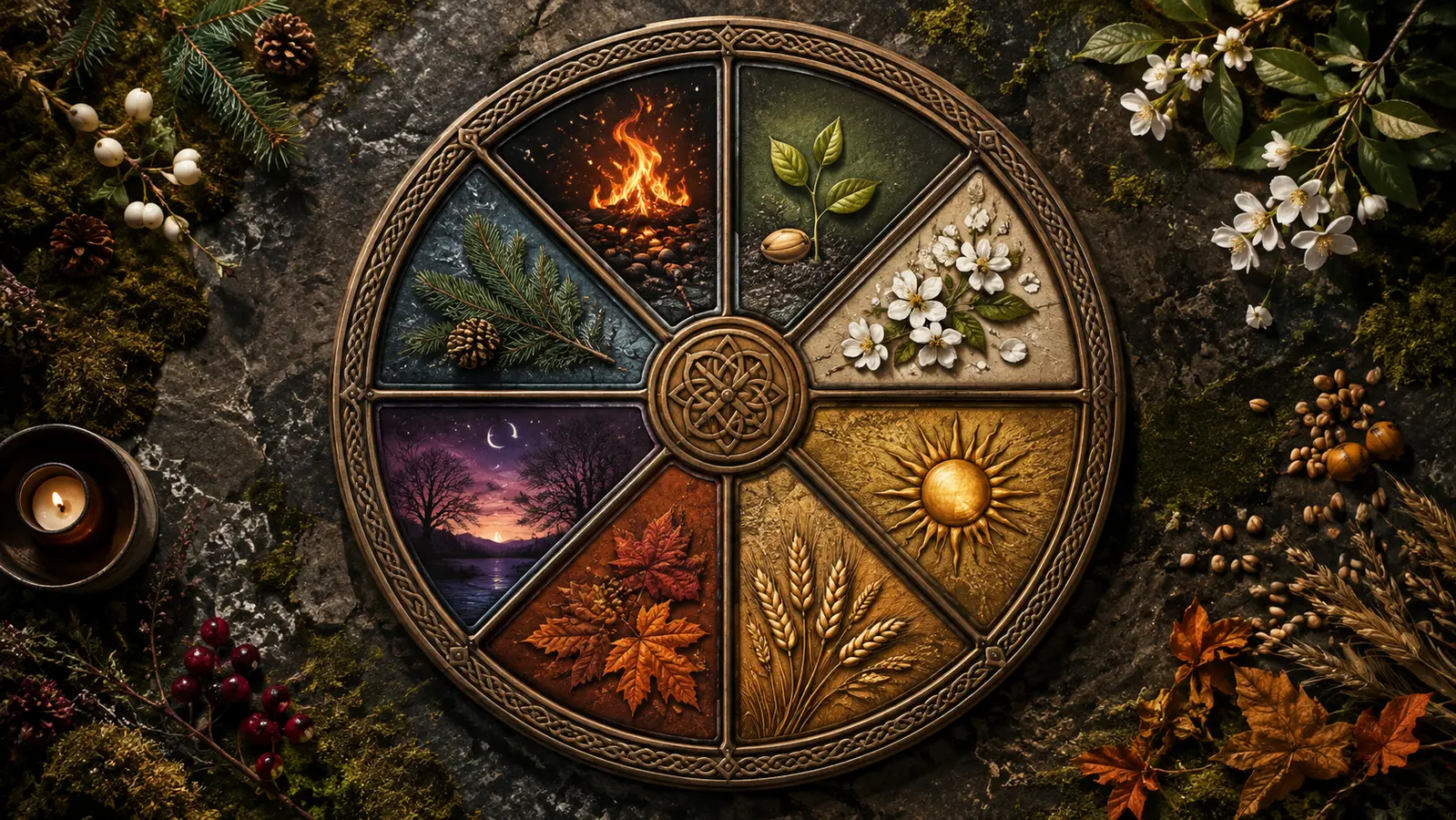
The Highlands are steeped in history, and sunsets there carry more than aesthetic value. Historically, Celtic communities closely observed natural cycles, marking solstices, equinoxes, and seasonal changes. The setting sun symbolized transition, reflection, and spiritual renewal, and these moments inspired art, music, and storytelling.
Today, sunsets still evoke storytelling traditions. The same appreciation for narrative and rhythm that shaped Irish storytelling (Why Irish People Are Natural Storytellers) finds a quiet parallel in how people interpret Highland sunsets, weaving personal experiences with cultural memory.
Capturing the Highland Sunset
For photographers and travelers, timing is everything. The golden hour, roughly an hour before the sun disappears, offers the richest light. Locations such as Loch Lomond (Is Loch Lomond in the Highlands) or the remote glens of Skye provide iconic compositions. Reflections on water, shadows stretching across valleys, and silhouetted mountains create opportunities for extraordinary images.
Pro tips include using a sturdy tripod, preparing for sudden changes in weather, and arriving early to scout ideal angles. Whether for professional photography or simply for memory-making, patience is rewarded with unforgettable vistas.
Modern Experiences and Cultural Connections
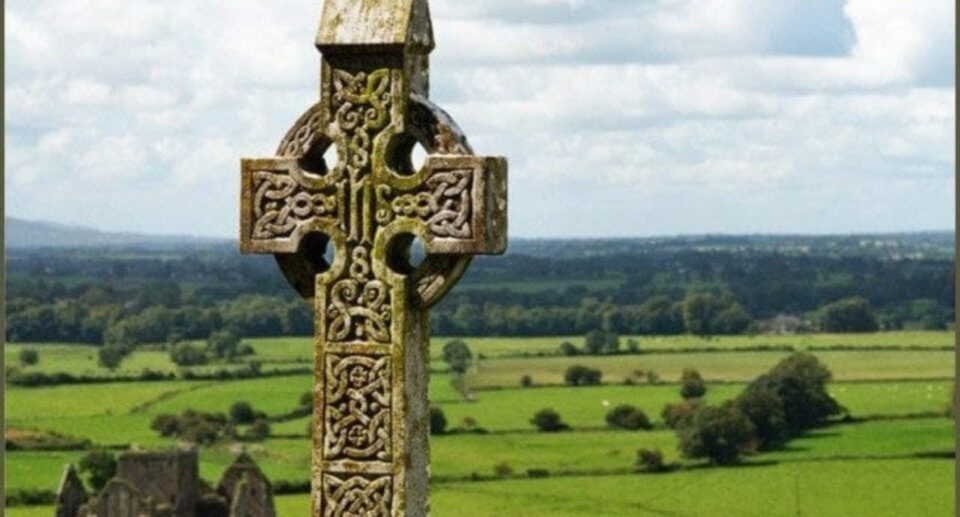
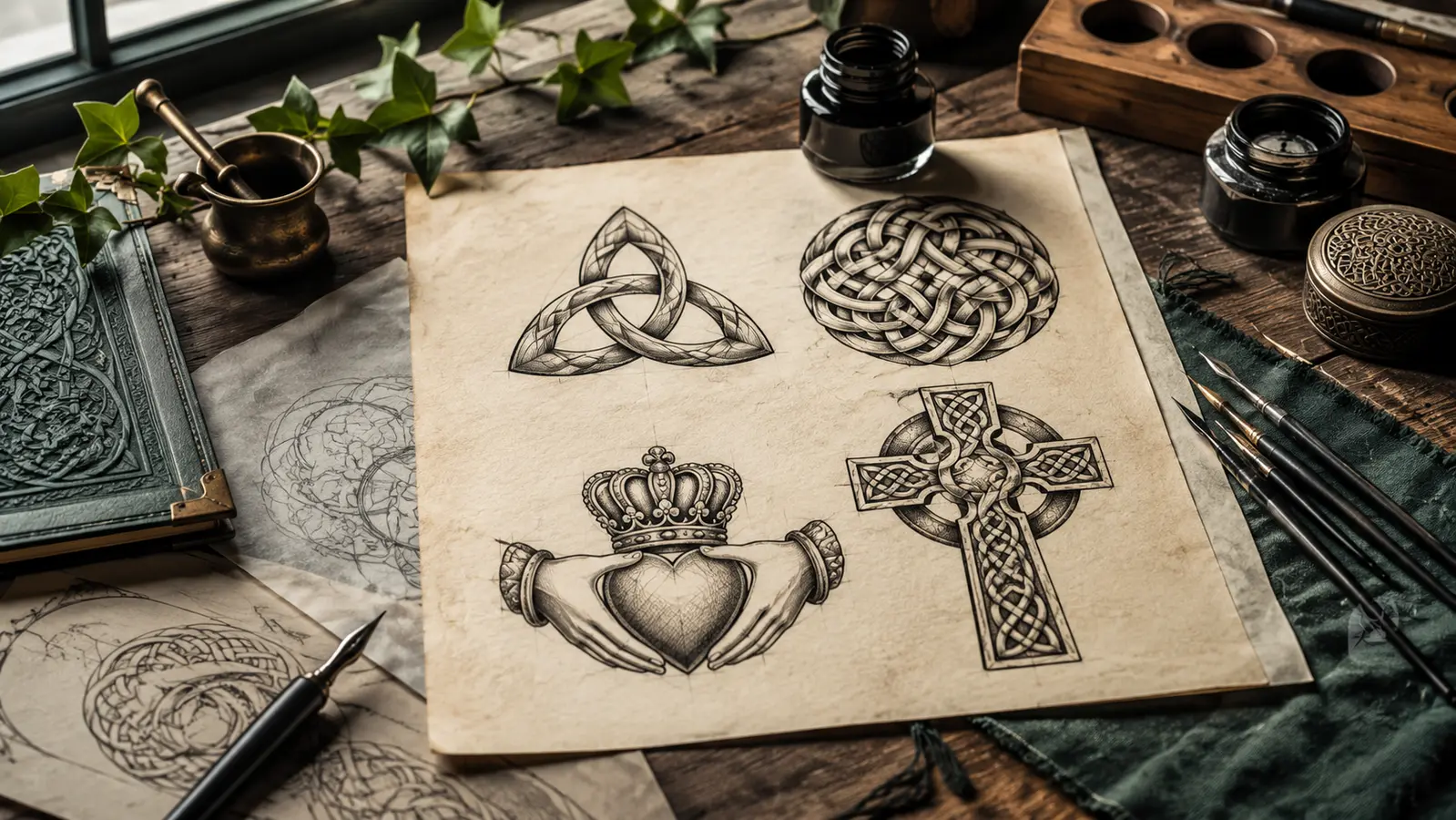
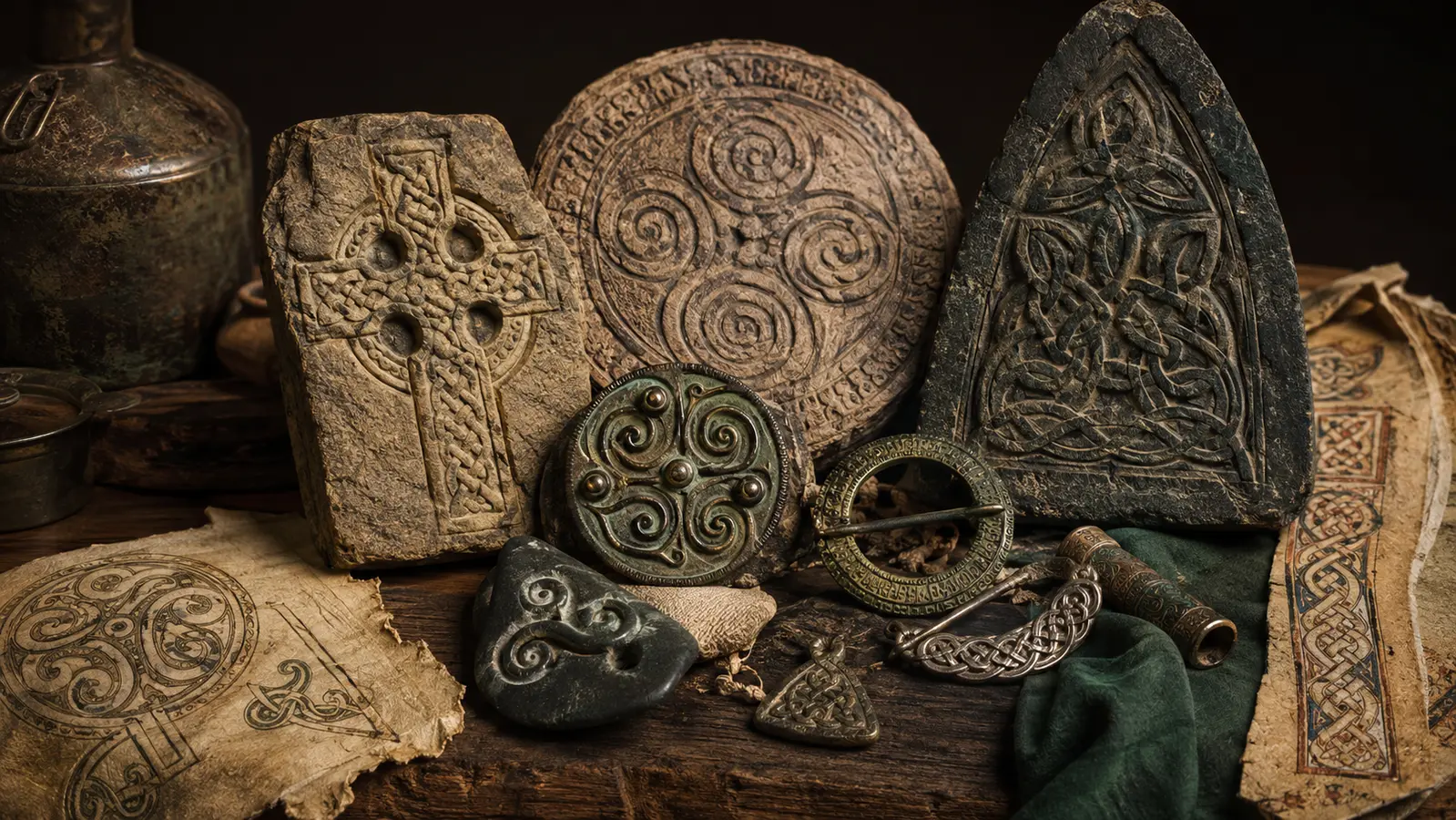
Highland sunsets continue to inspire modern art, music, and travel experiences. Painters, writers, and tourists seek to capture not only the visual beauty but also the cultural resonance of these landscapes. Elements of Celtic heritage, from tartan patterns (What Is Tartan) to stone carvings (Celtic Stone Carvings), echo the same reverence for nature, cycles, and storytelling found in the sunsets themselves.
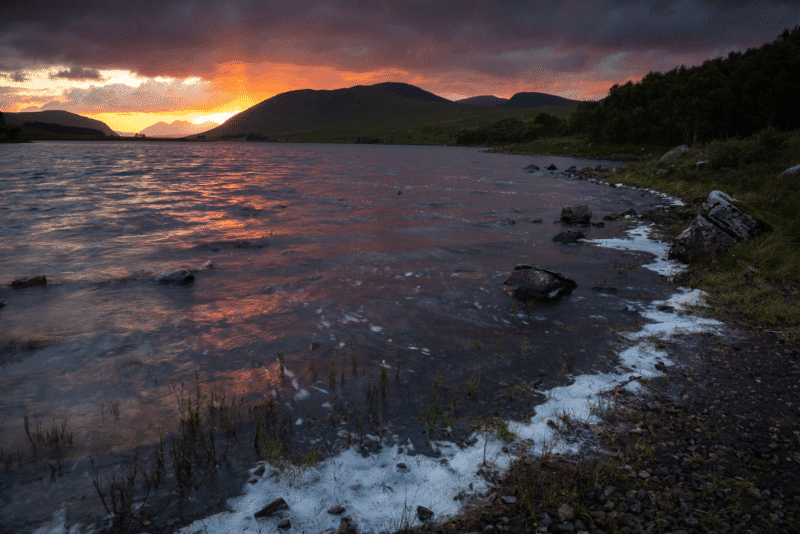
Experiencing a Highland sunset is immersive: it engages sight, emotion, and imagination. Whether alone on a quiet loch shore or with companions in a bustling glen, the sunset evokes reflection, inspiration, and connection to Scotland’s ancient past.
Planning Your Highland Sunset Visit
To make the most of the experience, consider:
- Timing: Arrive at least 30–60 minutes before sunset.
- Location: Coastal cliffs, lochs, and high glens offer unobstructed views.
- Weather: Scotland’s weather is changeable; clear skies produce the most dramatic effects.
- Cultural Exploration: Pair sunset viewing with visits to Celtic historical sites for a deeper understanding.
For related Celtic experiences, explore our guides on the Celtic harp and bodhran drum, which reflect the intertwining of art, culture, and natural inspiration.
Conclusion
A Scottish Highland sunset is far more than a picturesque view. It is a living emblem of Scotland’s natural beauty and Celtic heritage. The fiery skies, serene lochs, and rolling mountains capture both the imagination and the heart. Experiencing it is a reminder of how nature, culture, and history can converge in a single, awe-inspiring moment.
For more journeys into Scottish landscapes and Celtic culture, visit our blog homepage.