The Highland Belted Plaid: History, Style & Legacy

Few garments speak with the same authority and cultural weight as the Highland Belted Plaid, also known as the féileadh mòr or “great kilt.” When we explore the origins of Highland dress, this iconic garment stands at the core of its story. It carries the scent of the heather, the echo of clan gatherings, and the ingenuity of life in the rugged Scottish Highlands.
Before modern tailored kilts appeared, the belted plaid shaped Highland identity. In many ways, it still does.
What Exactly Is the Highland Belted Plaid?
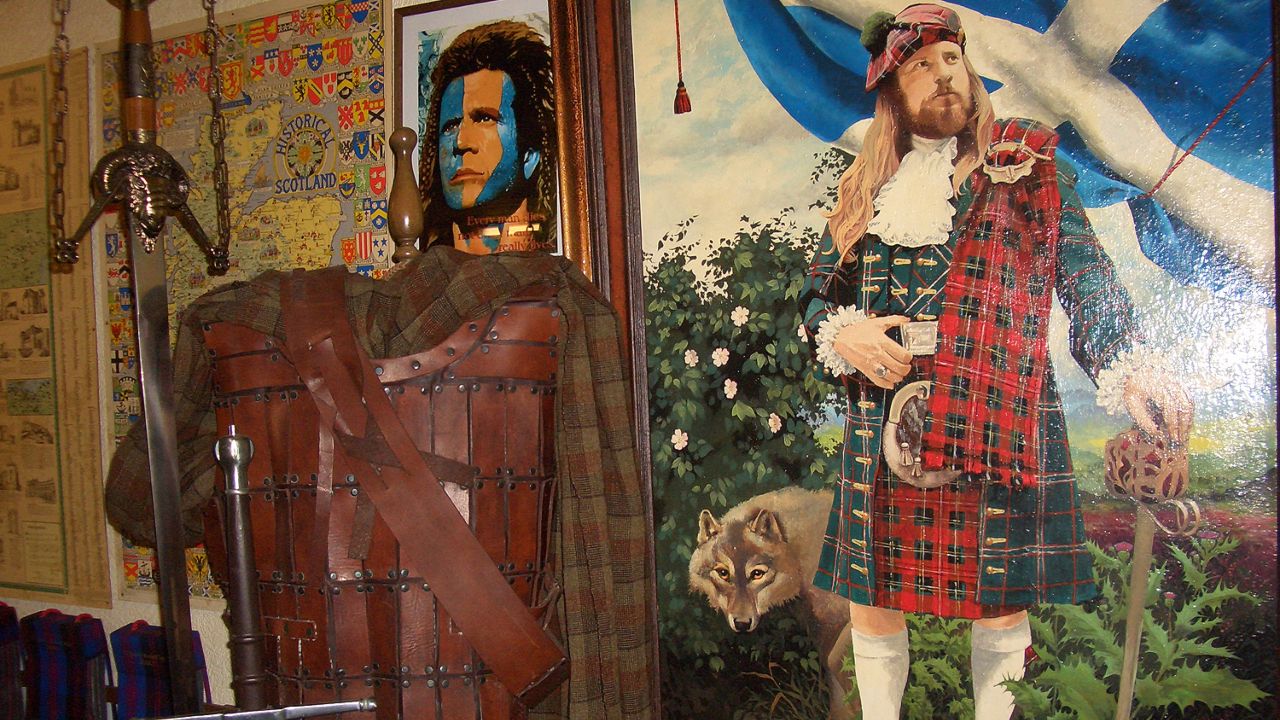
The Highland Belted Plaid is a large, woven length of wool, often more than four yards long that men pleated and secured around their waist with a belt. The upper half draped over the shoulder or wrapped around the body for warmth. It functioned as clothing, cloak, blanket, and even shelter during unpredictable Highland weather.
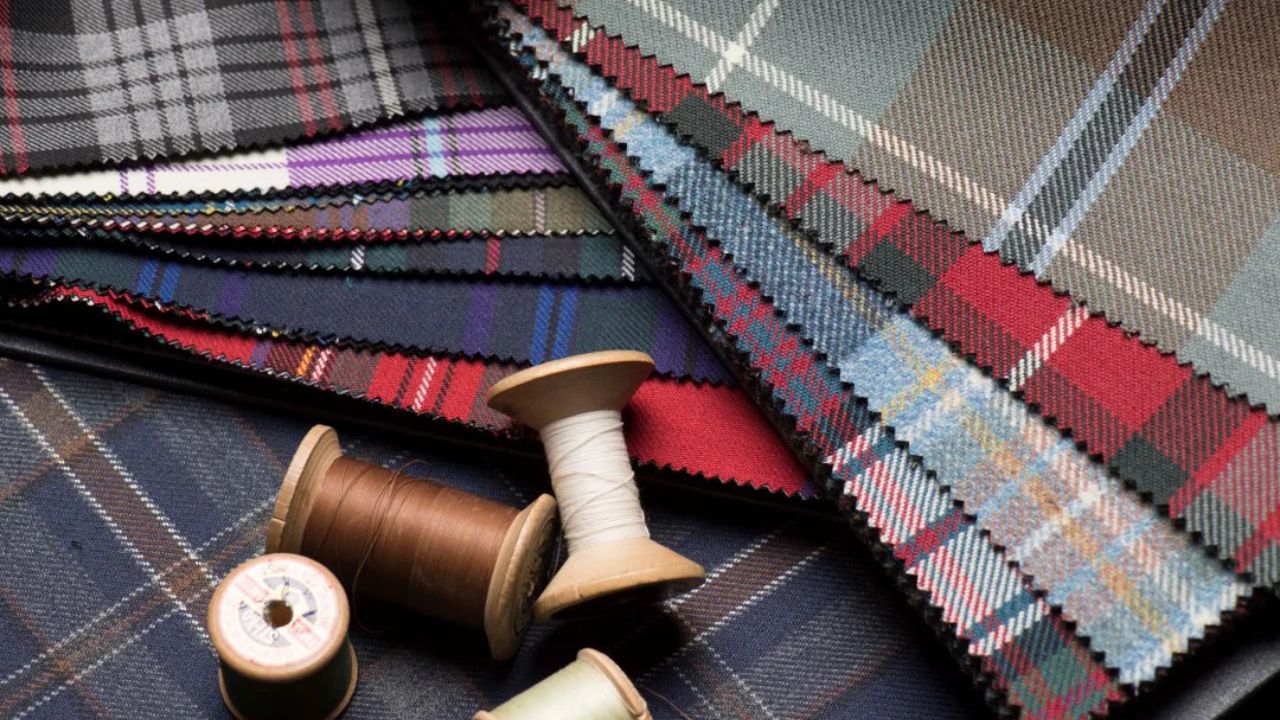
To understand the significance of the plaid’s patterns, you may enjoy exploring our guide on What Is Tartan?, which explains the roots of Scotland’s most famous textile.
A Garment Born From Landscape and Necessity
Highlanders did not design the belted plaid for ceremony. They designed it for survival. Life in the Highlands demanded clothing that adapted quickly. A single garment that could transform with the weather made perfect sense.
The wool breathed well in summer, but it also kept Highlanders warm during wet, windy winters. Its length allowed them to sleep wrapped inside it like a cocoon during long journeys across moorland and mountain paths.
This marriage of utility and identity later influenced Scottish clothing culture, much like how landscapes shape tradition in places such as the Isle of Mull.
The Art of Wearing the Belted Plaid
Wearing a belted plaid required practice, but the process felt almost ritualistic. Highlanders would lay the cloth on the ground, pleat it by hand, lie on top of it, and fasten the belt around their waist. After standing, they arranged the upper half over the shoulder.
This method created a distinctive silhouette—one that appears in clan gatherings, historical paintings, and later, Highland Games. If you enjoy exploring Highland dress, you may also find our guide on How to Measure for a Kilt helpful for understanding modern adaptations.

The Role of Tartan in the Belted Plaid
The belted plaid was not only practical; it was expressive. Its tartan patterns helped identify regional styles long before clan tartans became standardized. Over time, these patterns grew into powerful symbols of belonging.
To learn how tartan evolved across centuries, you can explore How Long Has the Tartan Print Been Around? for a deeper historical dive.
From Great Kilt to Modern Highland Dress
By the late 17th century, tailors began stitching the lower half of the plaid into a separate garment, the precursor to the modern kilt. This shift made the outfit easier to wear while preserving the spirit of Highland tradition.
Today, the belted plaid still appears in reenactments, clan events, and Highland Games. It symbolizes a time when people lived close to the land and relied on textiles that worked as hard as they did.
For those curious about contemporary Highland garments, our guide on Scottish Tartan Shawls highlights how tartan continues to inspire modern fashion.
Why the Belted Plaid Still Matters
The belted plaid survives not simply because it looks striking, but because it carries stories. When you see it worn today, you witness a thread connecting centuries of Highland culture. Much like Celtic music or folklore, the plaid keeps ancestral memory alive.
If you enjoy exploring deeper layers of Celtic heritage, you might appreciate reading about the Celtic Stone Carvings that preserve ancient artistry or the Legend of the Fairy Glen that preserves mythic imagination.
Final Thoughts
The Highland Belted Plaid stands as a testament to resilience, creativity, and identity shaped by the land. It remains one of the most recognizable expressions of Scottish culture, and its legacy lives on every time tartan rustles in the Highland wind.

If you want to explore more Celtic traditions and fashion, visit the CeltGuide Blog for further reading.