
Traditional Irish Leatherwork: A Heritage of Craft and Culture
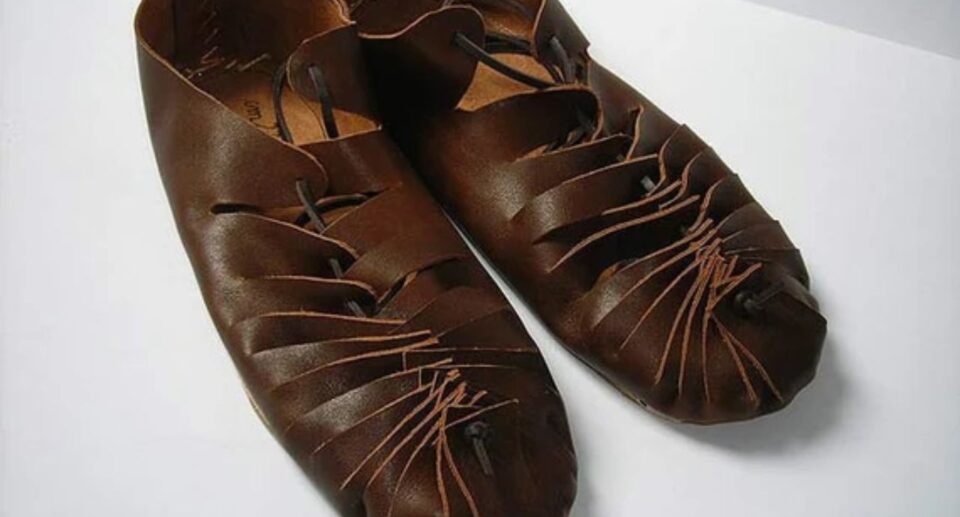
Leatherwork in Ireland is more than just craftsmanship. It is a dialogue between past and present, artistry and necessity. From the supple shoes unearthed in bogs to the ornate belts and saddles of medieval Gaelic warriors, leather has always played a vital role in Irish life.
Today, when we explore traditional Irish leatherwork, we uncover not only the skill of artisans but also the cultural symbols and values stitched into every piece.
A Glimpse into History
Archaeological finds from Irish boglands have preserved leather shoes, pouches, and belts dating back over a thousand years. These artifacts demonstrate both the practical needs and the artistic inclinations of Irish people. Much like Celtic stone carvings, leather items were not merely functional but also richly decorated with patterns and knots inspired by Celtic cosmology.
- Early Uses: Footwear, harnesses, drinking vessels.
- Medieval Period: Ornamental belts, saddles, protective armor.
- Folk Traditions: Everyday objects with carved or tooled designs.
Techniques and Tools of Irish Leathercraft
Traditional Irish leatherworkers relied on simple yet effective tools: bone awls, iron knives, and wooden mallets. The process was patient and meditative:
- Tanning – Often using oak bark or other natural materials, echoing the reverence for trees like the Celtic oak tree.
- Cutting and Stitching – Precision ensured durability, especially for footwear.
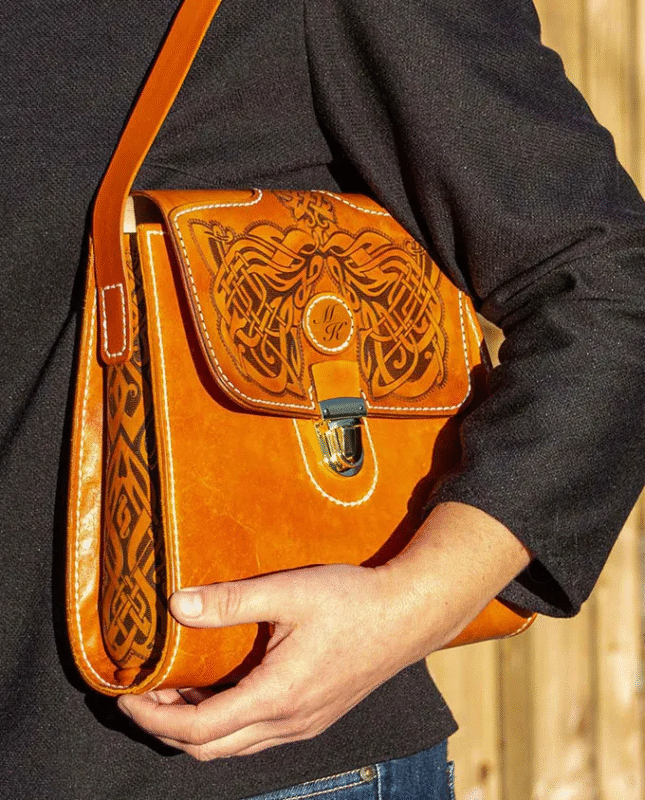
- Tooling and Decoration – Geometric and spiraled motifs, resembling those seen in Celtic manuscripts and jewelry.

Symbolism in Irish Leatherwork
Leather was more than material, it carried meaning. Belts often bore protective knotwork, while pouches could symbolize wealth or clan identity. Similar to the symbolism found in the Claddagh ring, leatherwork told silent stories of loyalty, status, and heritage.
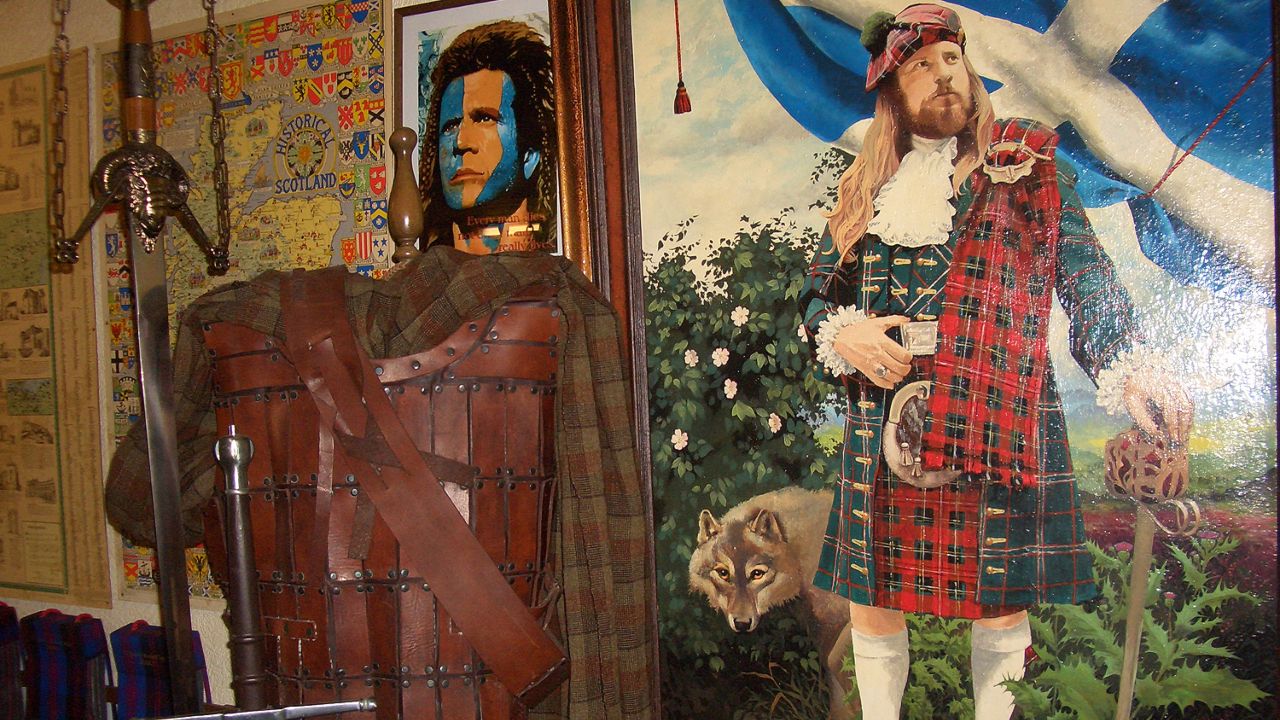
For Gaelic warriors, leather straps on armor weren’t just for battle; they were markers of identity, echoing the same pride later carried in Irish kilts.

The Craft in Modern Ireland
Today, artisans across Ireland are reviving traditional leathercraft, blending old techniques with modern design. From hand-stitched shoes to Celtic-inspired handbags, the craft thrives as part of Ireland’s slow fashion movement.
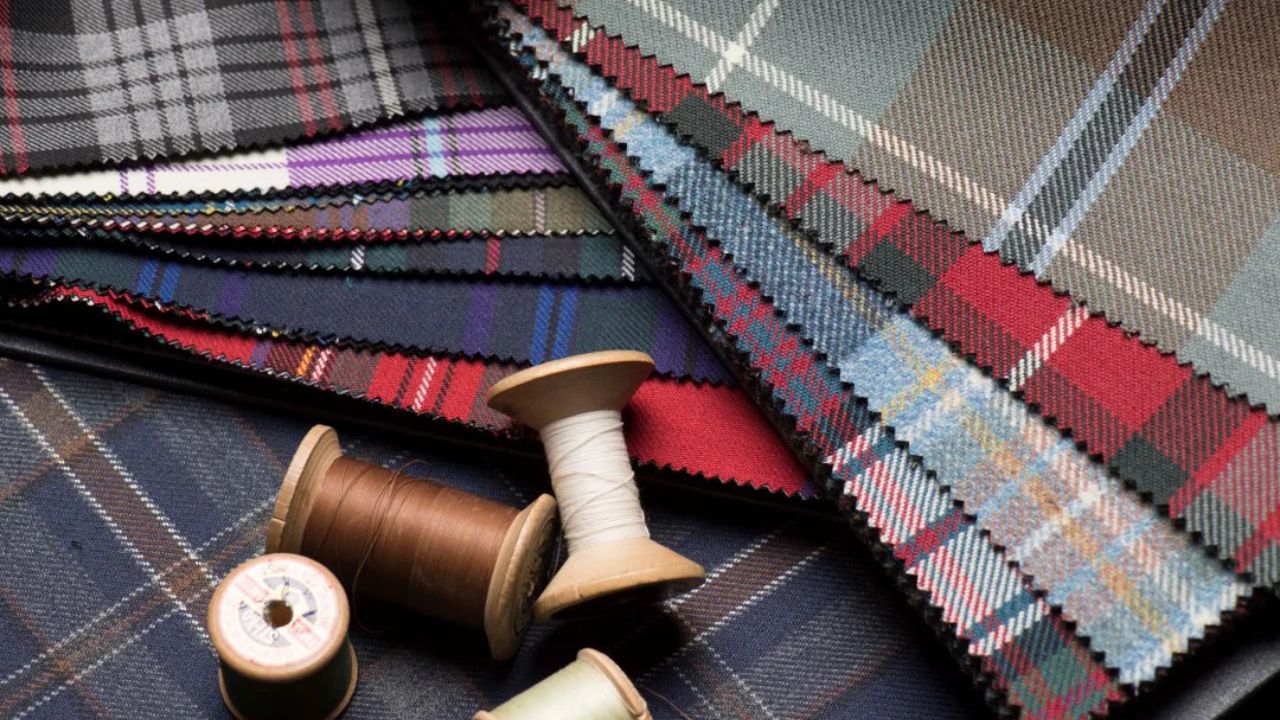
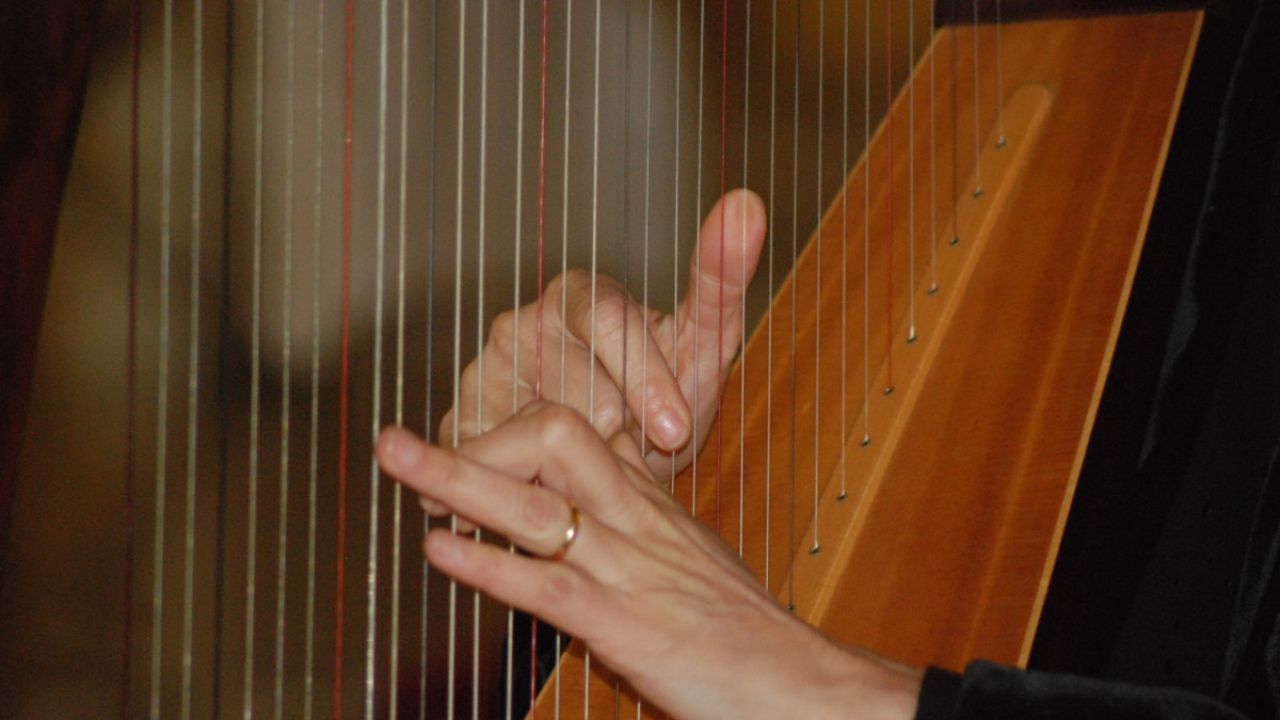
Tourists often seek authentic Irish leather goods, much like they are drawn to tartan traditions and handcrafted Clarsachs. Workshops and fairs also showcase leathercraft alongside Celtic music and storytelling (see why storytelling is central in Irish culture).
Why Irish Leatherwork Matters
Irish leatherwork is not only about objects, it is about continuity of culture. Each stitch, each knot, and each design connects the present with ancestors who worked leather by firelight centuries ago.
Just as the bodhrán drum (link) carries rhythm through generations, leatherwork carries memory through craft.
Final Thoughts
Traditional Irish leatherwork is both heritage and art. It represents endurance, creativity, and identity. Whether you admire it in museums, wear it as fashion, or support contemporary Irish artisans, you are engaging with a craft that has shaped Ireland’s cultural journey.
If you’re keen to explore more about Celtic traditions, see our writings on Gaelic proverbs or the legend of the Fairy Glen both, like leatherwork, deeply rooted in storytelling and symbolism.