The Highland Charge: Scotland’s Fierce Battle Tactic

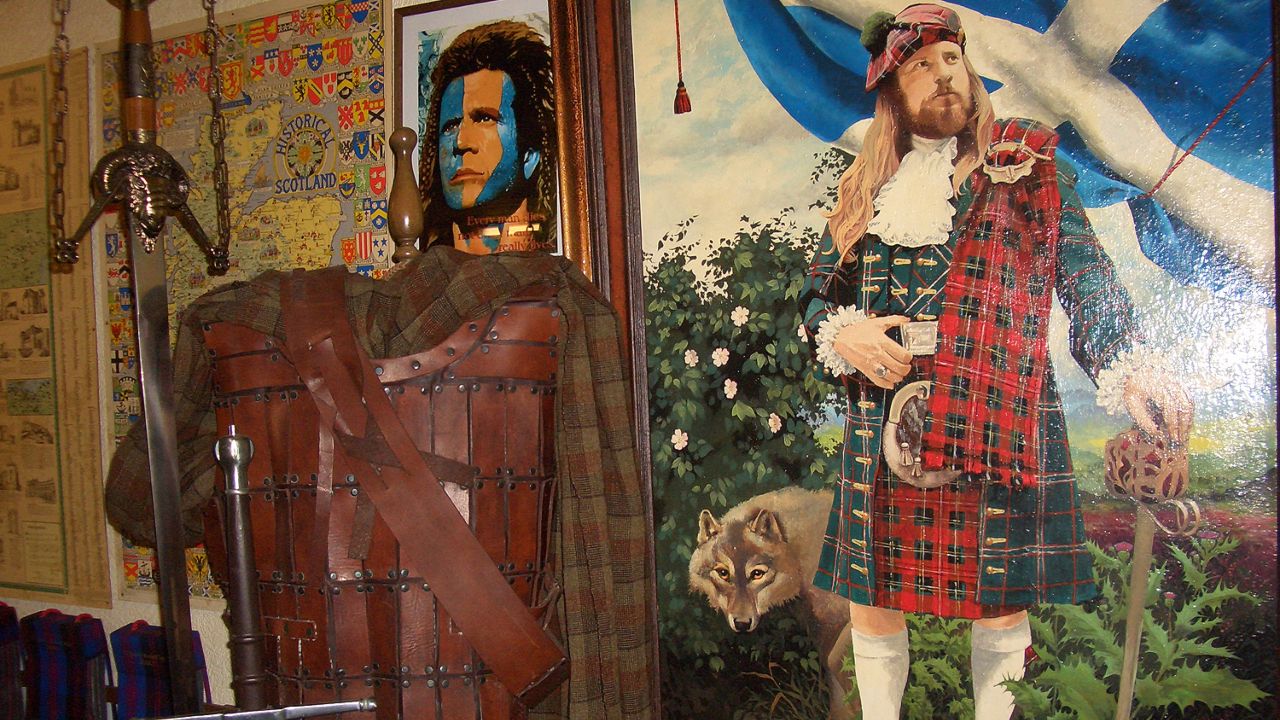
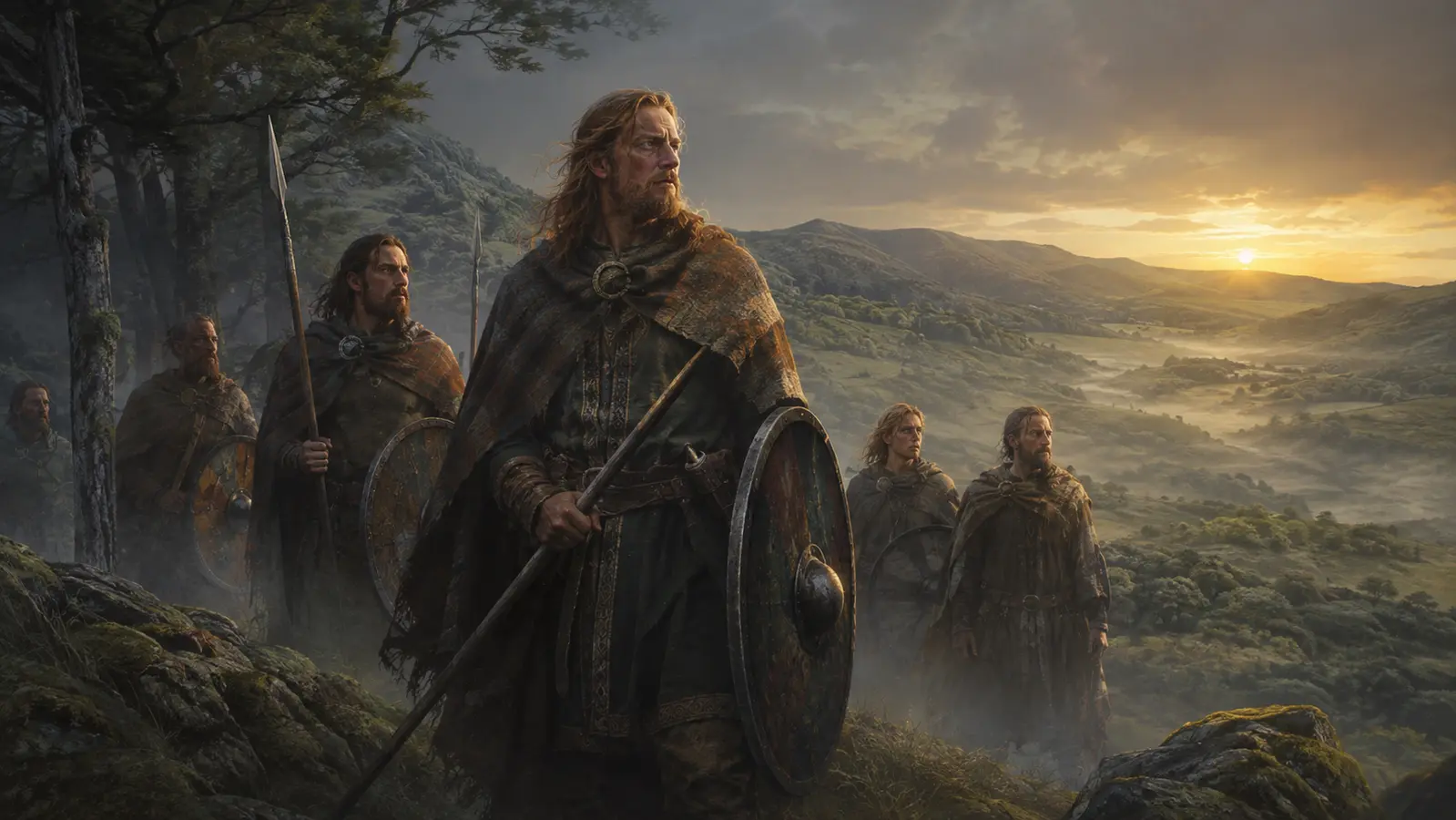
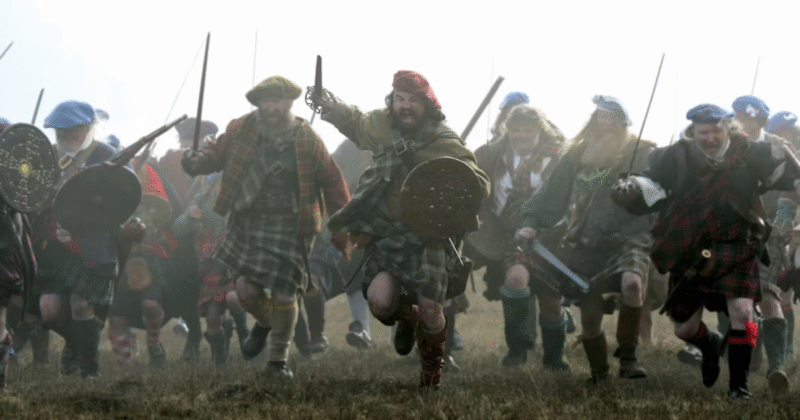
Few sights in history were as fearsome as the Highland Charge—a roaring mass of warriors, tartan swirling, claymores raised, and dirks gleaming. It wasn’t just a tactic; it was a cultural statement of defiance and courage that defined the Highland way of war.
What Was the Highland Charge?
The Highland Charge was a battlefield maneuver perfected by Highland clans during the 17th and 18th centuries. Unlike the disciplined musket volleys of European armies, this tactic relied on speed, shock, and psychological terror.
A typical Highlander would discharge a musket or pistol at close range, toss it aside, and sprint forward with broadsword and targe (shield). Imagine the effect: disciplined enemy ranks suddenly facing a furious wall of steel and raw momentum.
This tactic wasn’t mere chaos. It was organized fury, built upon clan loyalty, Highland training, and the element of surprise.
Origins of the Highland Charge
The roots of the Highland Charge lie in clan-based warfare, where swift raids and brutal skirmishes demanded mobility. By the time of the Jacobite uprisings, the charge had become a signature Highland maneuver.
At Killiecrankie (1689), the Highland Charge achieved legendary status when Highlanders crushed a much larger government force in minutes. The mix of speed and raw courage gave Highland clans an edge against even the best-drilled soldiers of the Crown.
(For more on Scottish clan history, see our guide: How Many Scottish Clans?)
The Psychology of Fear
The Highland Charge wasn’t only about blades and bravery, it was about striking terror. The sound of war cries, the flash of tartan, and the rush of hundreds of men could unnerve even the bravest opponent.
Much like the Gaelic storytelling tradition that preserved their legends (Why Are Irish People Natural Storytellers?), Highlanders understood the power of drama. Their charge was as much psychological theater as military strategy.
Weapons of the Highland Charge
- Claymore (Broadsword): A Highland warrior’s pride.
- Targe: A round shield, often studded with nails or iron.
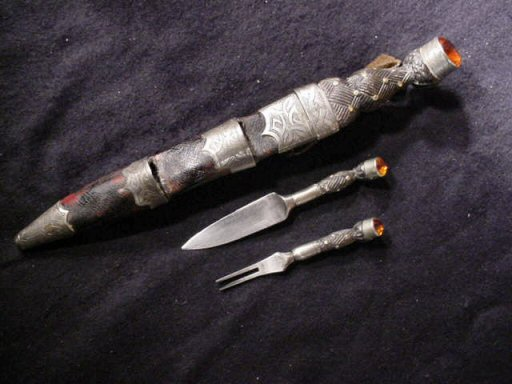
- Dirk: The short dagger for close fighting (What is a Dirk Knife?).
- Pistol or Musket: Fired at close range before rushing forward.
Every weapon carried in the charge reflected both practicality and Highland identity, just like the symbolic tartan patterns worn into battle (What is Tartan?).
Decline of the Highland Charge
While the charge struck fear, it wasn’t invincible. By the mid-18th century, disciplined armies adapted. At Culloden (1746), the Highland Charge faltered against steady musket volleys and artillery fire. The defeat marked not only the end of Jacobite hopes but also the decline of this once-glorious tactic.
Legacy of the Highland Charge
Today, the Highland Charge endures in memory, ballads, and reenactments at events like the Highland Games (Events to Watch in Highland Games 2025). It represents more than a battlefield maneuver, it symbolizes Highland courage, resilience, and the indomitable spirit of Scotland.
Conclusion
The Highland Charge was not just a tactic of war. It was a performance of heritage, courage, and identity. Though modern warfare left it behind, its legacy lives on in Scottish culture, history, and pride.
To understand the Highlander fully, one must see both the artistry of their tartan, the music of their fiddles (Fiddle Music), and the ferocity of their charge. Together, these pieces form a picture of a people who carried their culture as boldly into battle as they did into story and song.