The Scottish Gaelic Alphabet: A Window into Language and Heritage
Languages are living treasures, and alphabets are their architecture. The Scottish Gaelic alphabet is not simply a set of letters but a doorway into the culture, poetry, and spirituality of the Gaels. Just as Celtic stone carvings preserve ancient patterns in stone, the alphabet preserves sound and meaning across generations.
A Brief History of the Gaelic Alphabet
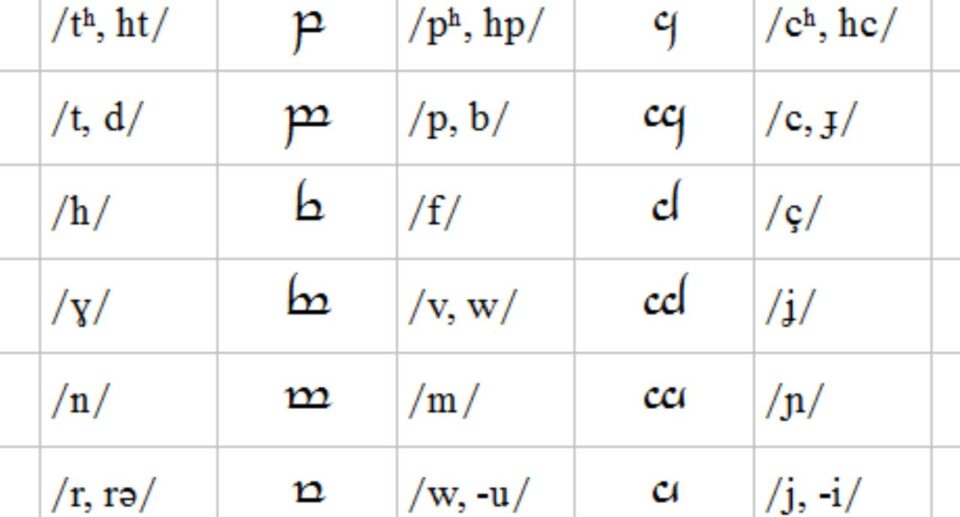
Scottish Gaelic descends from Old Irish and shares linguistic ancestry with Irish Gaelic and Manx. Originally, the language was written using Ogham script, a series of carved lines on stone. Over time, as Latin spread through early Christianity, Gaelic adopted the Roman alphabet, gradually developing its own unique form.
Interestingly, the alphabet used in Gaelic is shorter than English. While English has 26 letters, traditional Scottish Gaelic relies on just 18.
The 18 Letters of Scottish Gaelic
The traditional Gaelic alphabet excludes j, k, q, v, w, x, y, and z, though modern borrowings occasionally reintroduce them. The core letters are:
a, b, c, d, e, f, g, h, i, l, m, n, o, p, r, s, t, u
Each letter has a Gaelic name and, in older traditions, was associated with a tree, a poetic system similar to how the Celtic oak tree held symbolic meaning in mythology.
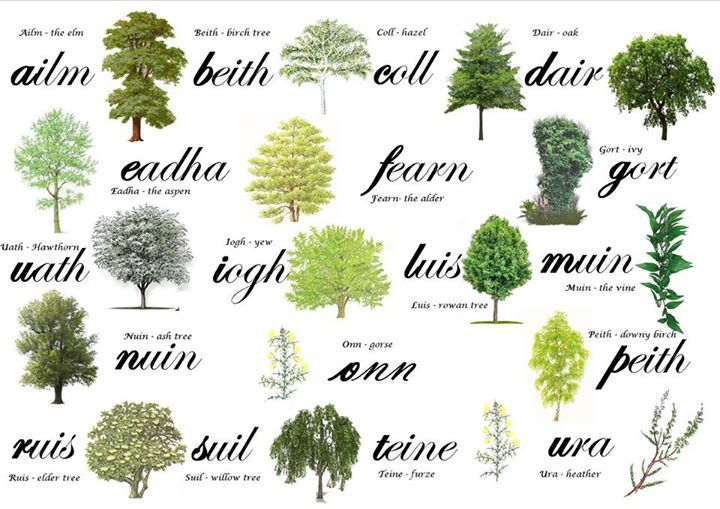
Sounds and Pronunciation
One of the most distinctive features of Scottish Gaelic is how letters transform depending on their lenition (a softening marked by “h” after the consonant) and position in a word.
- bh, mh → often pronounced like a “v” or “w.”
- dh, gh → a throaty sound, similar to the Spanish “g” in lago.
- fh → frequently silent.
- slender vowels (e, i) vs. broad vowels (a, o, u) determine how consonants are pronounced.
This complexity gives Gaelic its unique rhythm, much like how the bodhrán drum shapes traditional music.
Cultural Significance of the Alphabet
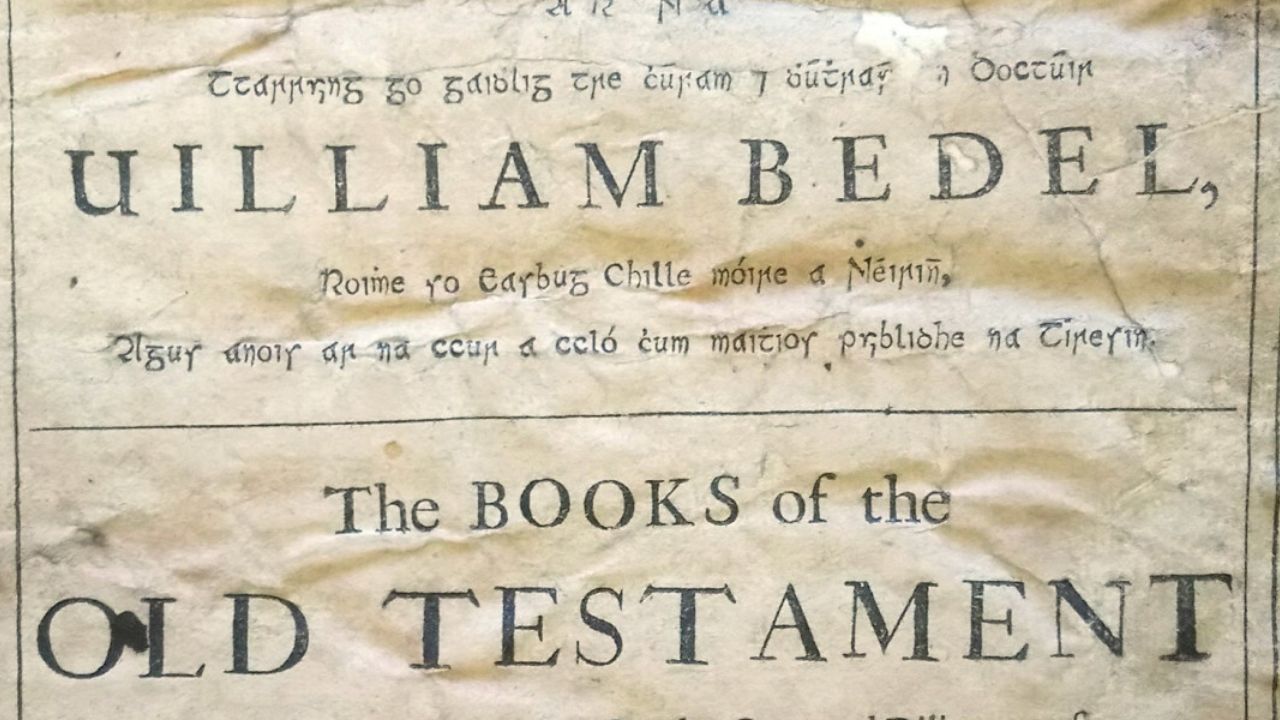
The alphabet is not just functional, it’s cultural. It preserves the sound of ancient poetry, religious texts, and folklore. Translations like the Scottish Gaelic Bible have played a crucial role in maintaining the language, much like the oral traditions celebrated in Gaelic proverbs.
For Gaelic speakers, each letter carries memory and meaning. It is a link to ancestors, stories, and identity just as Irish people are natural storytellers, the Gaelic alphabet ensures those stories remain intact.
Alt text: A medieval manuscript featuring text in early Scottish Gaelic script.
The Alphabet in Modern Times
Today, the Scottish Gaelic alphabet is taught in schools, used in road signs, and celebrated in cultural revival movements. The effort to keep Gaelic alive mirrors the preservation of traditions like tartan and music from céilí bands.
Digital technology has also ensured Gaelic’s survival. Unicode now supports the alphabet, making it easier to publish, teach, and share globally.
Final Thoughts
The Scottish Gaelic alphabet is more than a system of letters. It is a symbol of resilience, culture, and belonging. By learning and preserving it, we don’t just master sounds—we inherit centuries of heritage.
For further explorations into Celtic and Gaelic traditions, you may enjoy: