Highland Stag Symbolism: Power, Pride, and Celtic Spirit

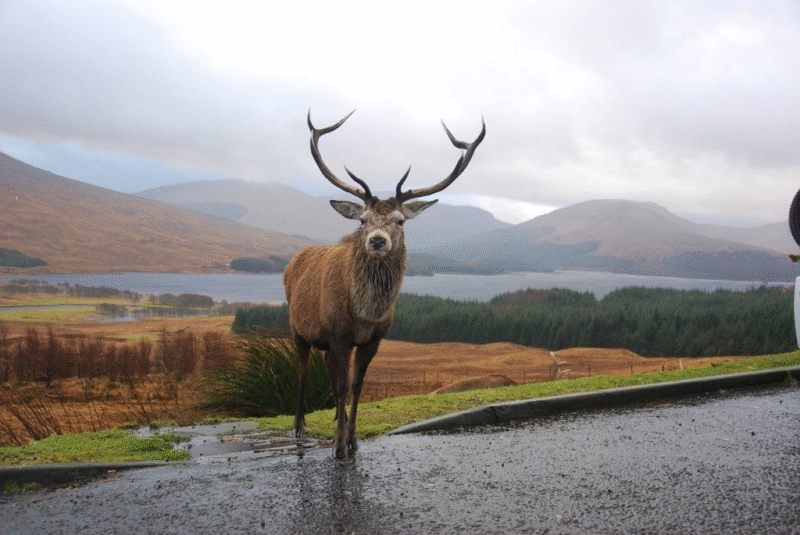
When you think of the Scottish Highlands, one image rises above the mist: the majestic stag, antlers raised like a crown against the backdrop of rugged mountains. The stag is more than just a wild animal, it is a cultural emblem, woven into Celtic mythology, clan identity, and modern Scottish symbolism.
The Stag in Celtic Mythology
In Celtic tradition, animals often represented spiritual truths, and the stag was among the most sacred. With its branching antlers echoing the shape of trees, the stag was seen as a messenger between worlds, bridging earth and the divine.
Myths often depict the stag as a guide, leading heroes into the unknown, much like the Celtic sun god Lugh embodied light and destiny. In this way, the stag became a symbol of transformation, urging people to embrace the journey of life.

Strength, Nobility, and Leadership
The stag’s proud bearing made it an emblem of leadership and sovereignty. In clan culture, the stag represented courage and honor, traits highly prized in Highland society. Just as Scottish clans drew strength from their heritage, the stag embodied loyalty to kin and land.
In many ways, the stag mirrors the symbolism of the Celtic oak tree: rooted, resilient, and powerful. Both stood as guardians of nature and community.
The Stag in Highland Art and Tradition
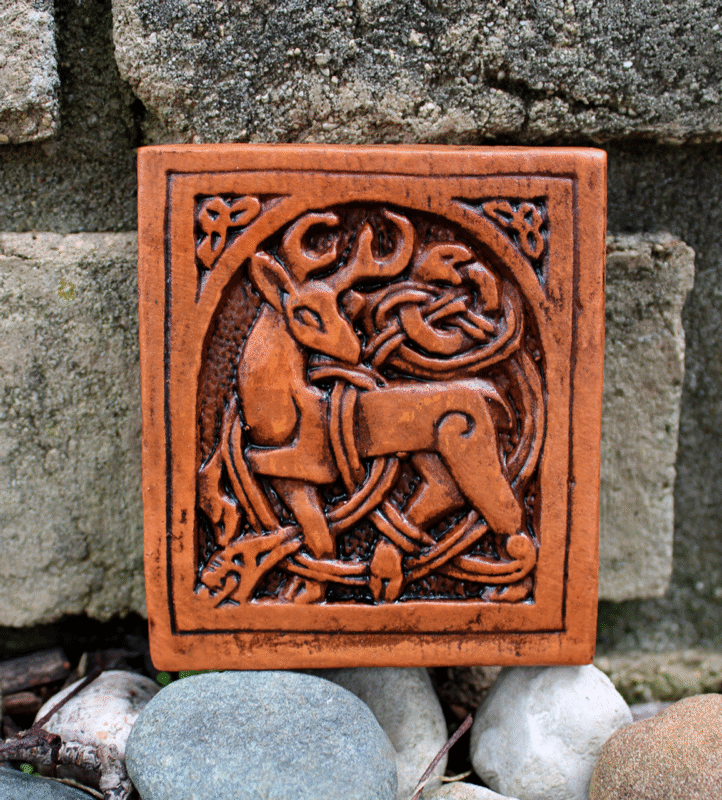
From stone carvings to clan crests, the stag appears throughout Highland history. Ancient Celtic stone carvings often depict stags in flowing, interwoven patterns. Later, the stag found its way onto heraldry, tartan emblems, and even Highland songs and poetry.
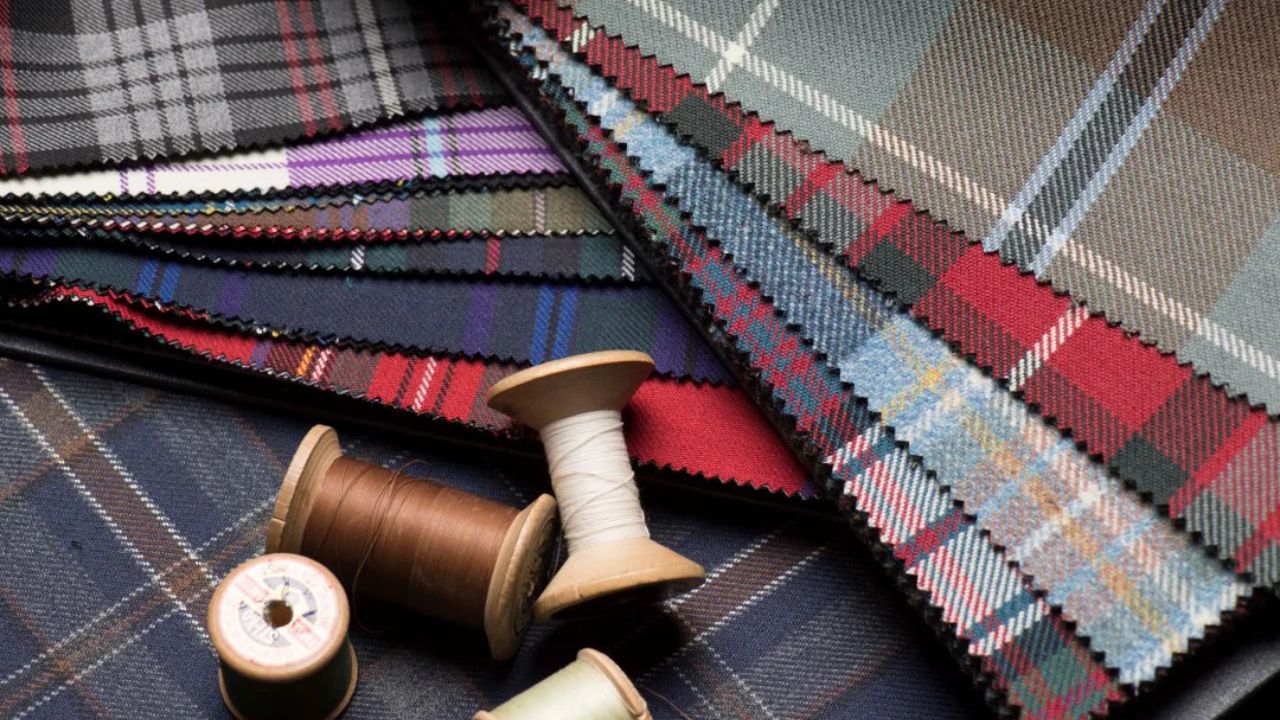
Much like the tartan, the stag became a visual shorthand for identity, signaling strength and continuity.
The Spiritual Dimension of the Stag
Beyond physical strength, the stag represents spiritual endurance. Its ability to shed and regrow antlers each year symbolized renewal and eternal cycles echoing Celtic beliefs in rebirth and continuity. This mirrors the eternal nature found in Celtic knotwork and the cycles of life celebrated in Gaelic proverbs.
For Highland communities, seeing a stag in the wild was often considered a blessing—an encounter with the sacred.
The Stag in Modern Scotland
Today, the Highland stag remains one of Scotland’s most recognizable symbols. From whisky branding to Highland Games, its image is everywhere. It carries both pride and nostalgia, embodying the untamed spirit of the Highlands.
Much like the Claddagh ring carries layered meanings of love and loyalty, the stag continues to represent strength, leadership, and connection with heritage.
Final Thoughts
The Highland stag is not simply an animal, it is a symbol of Celtic spirit, noble endurance, and the beauty of Scotland’s wild heart. Its presence in myth, art, and tradition connects past and present, reminding us that cultural symbols are living threads, binding generations across time.
For more explorations of Celtic heritage, visit our blog archive and discover how myths, traditions, and symbols continue to shape identity today.