Kilts: Scotland’s Timeless Symbol of Heritage and Identity
Introduction: More Than Just a Piece of Cloth
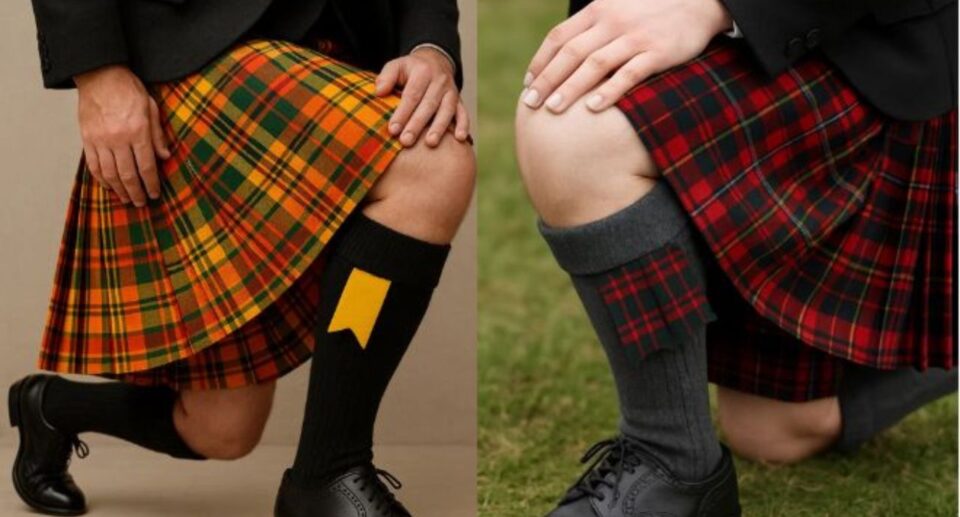
Few garments in the world command the same mix of pride, curiosity, and cultural weight as the kilt. To the outsider, it may look like a simple tartan skirt. To the Scot, however, it is nothing less than a national emblem woven with centuries of history, identity, and resilience.
Kilts stand at the intersection of fashion, tradition, and storytelling, much like the Irish gift for narrative. They are not only worn; they are lived.
The Origins of the Kilt
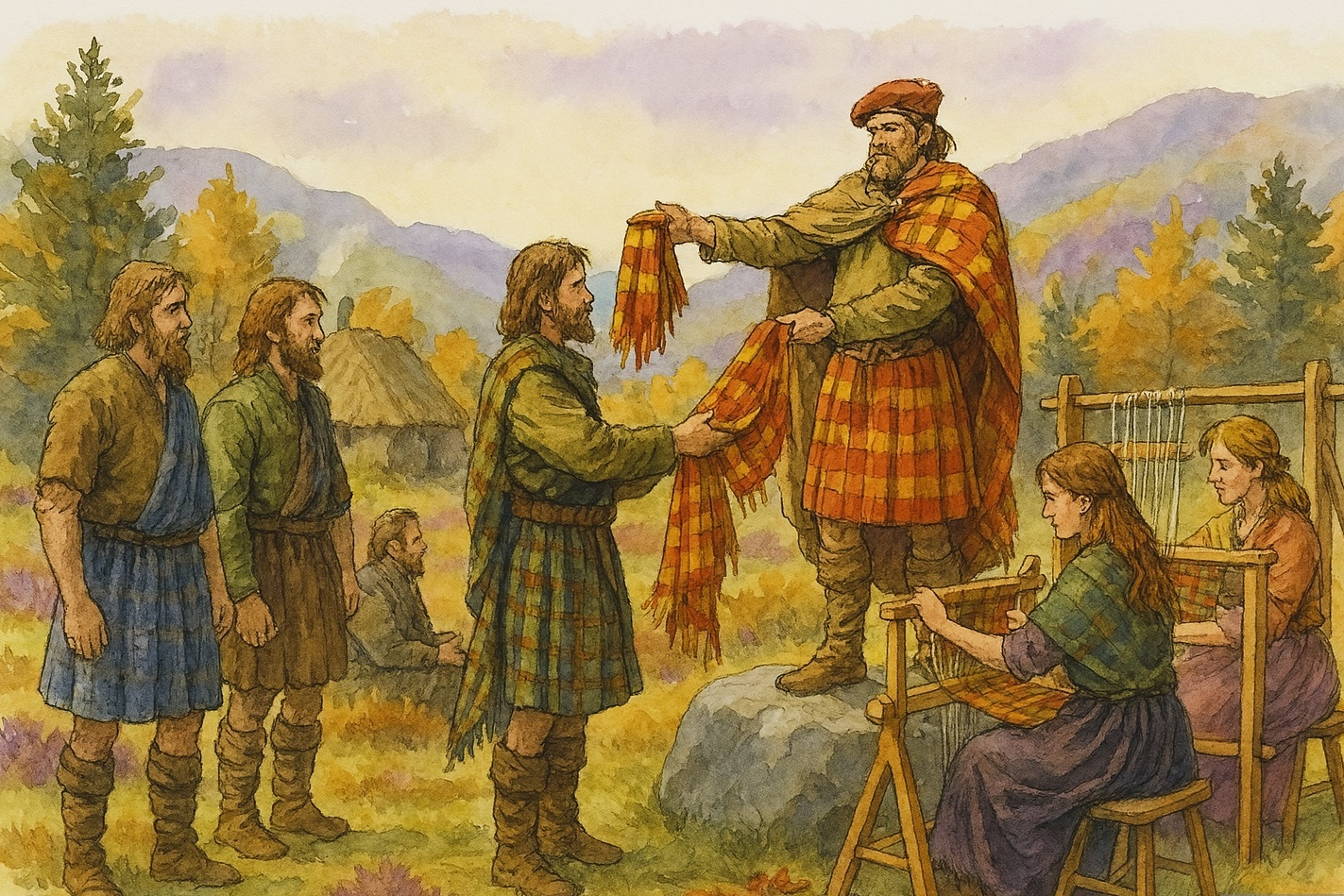
The earliest form of the kilt, known as the féileadh mòr (the great kilt), appeared in the 16th century. It was a large piece of woolen cloth, pleated and belted at the waist, serving as both garment and blanket.
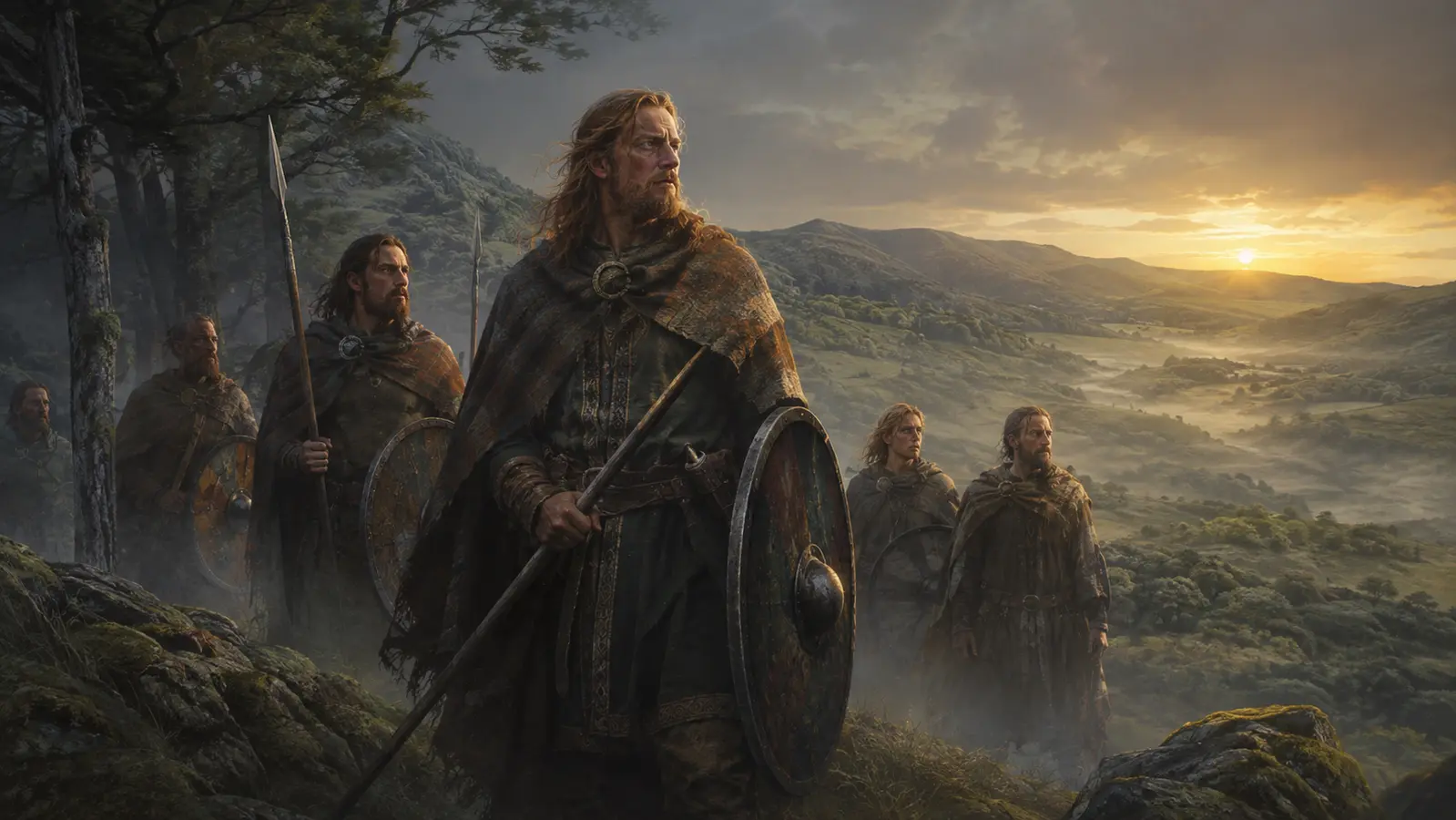
Over time, this evolved into the tailored modern kilt, which became a powerful emblem of Highland identity, especially during times of cultural suppression following the Jacobite risings.
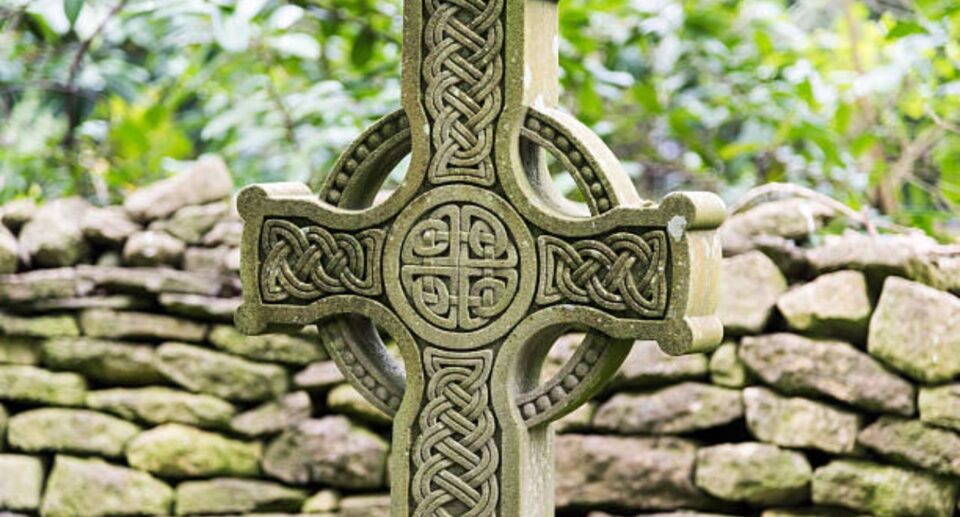
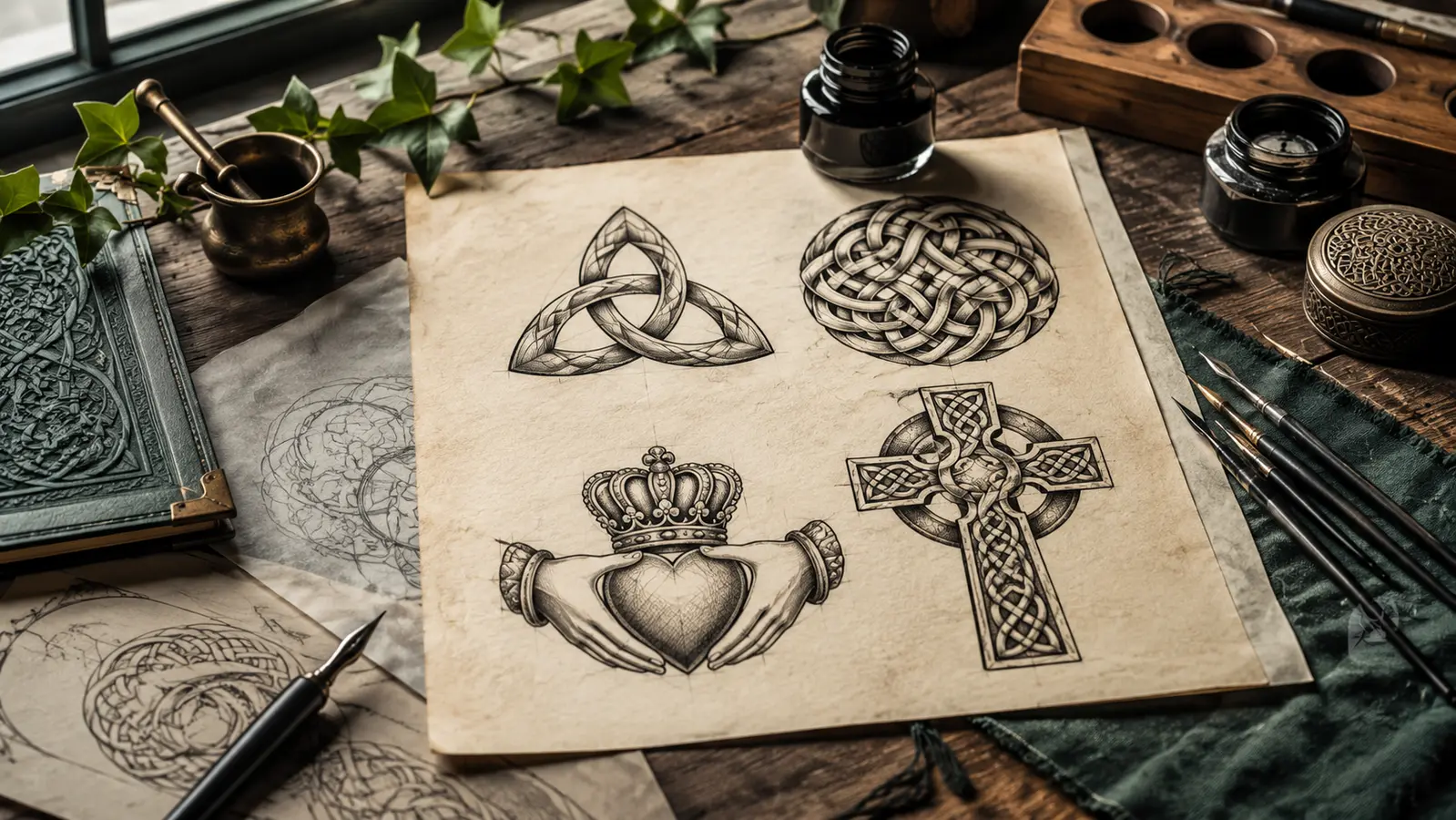
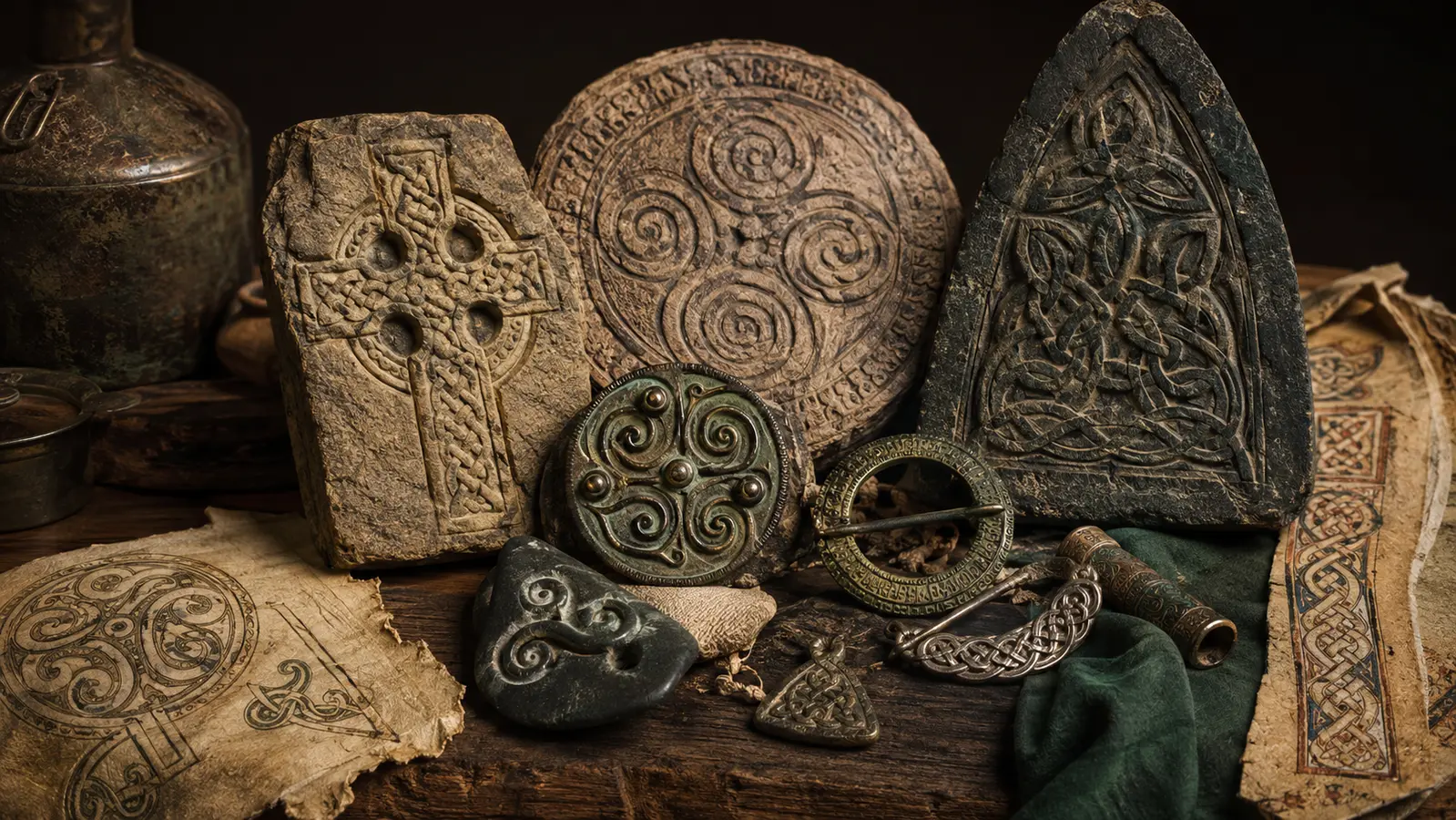
Just as Celtic stone carvings preserve ancestral symbols, kilts preserved a living tradition through cloth.
The Role of Tartan
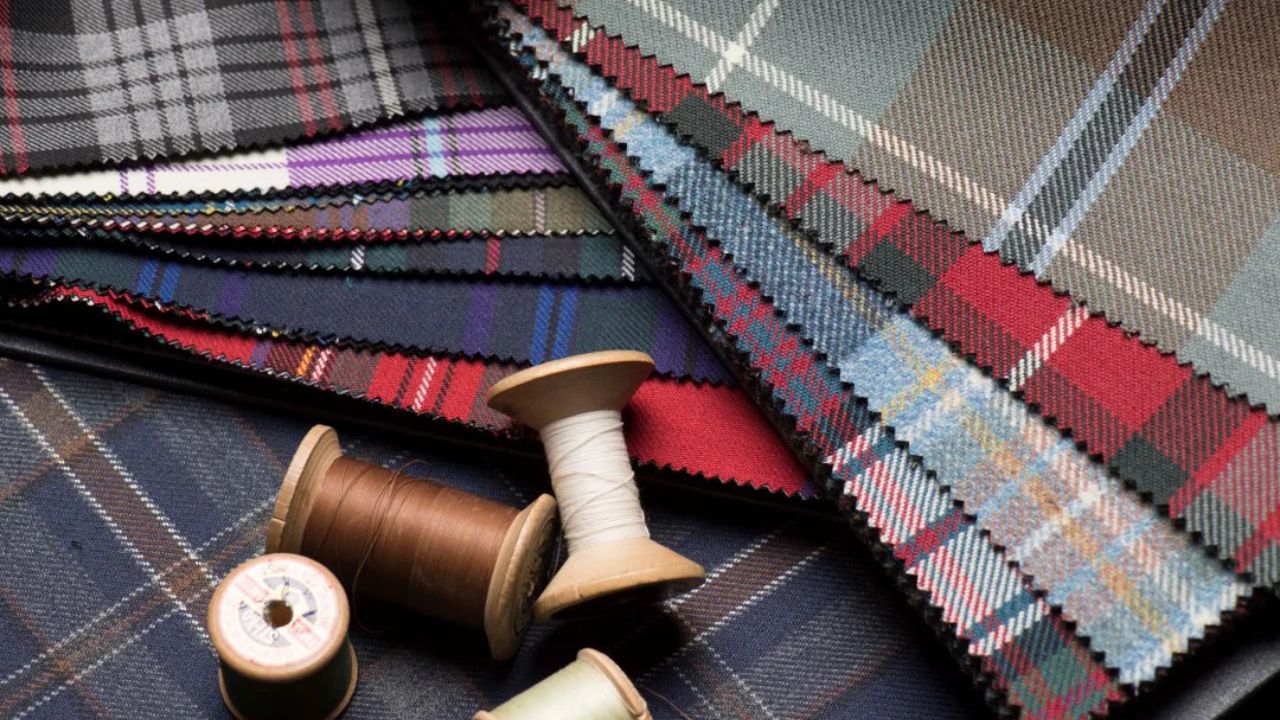
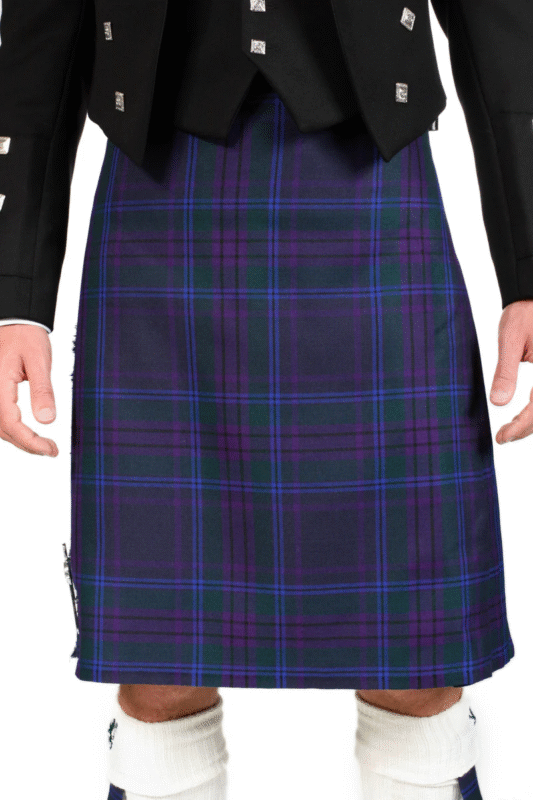
No discussion of kilts is complete without mentioning tartan. Each pattern, or sett, is associated with a family, clan, or region. Wearing a kilt in one’s tartan became a powerful marker of identity and belonging.
For a deeper dive into the subject, see our guide on What is Tartan? and How Long Has the Tartan Print Been Around?.
Kilts and Scottish Clans
The connection between kilts and clans is inseparable. Clans not only wore tartans but used them as banners of loyalty, much like the shared oral traditions captured in Gaelic proverbs.
Curious how many clans exist? Explore our piece on Scottish clans.
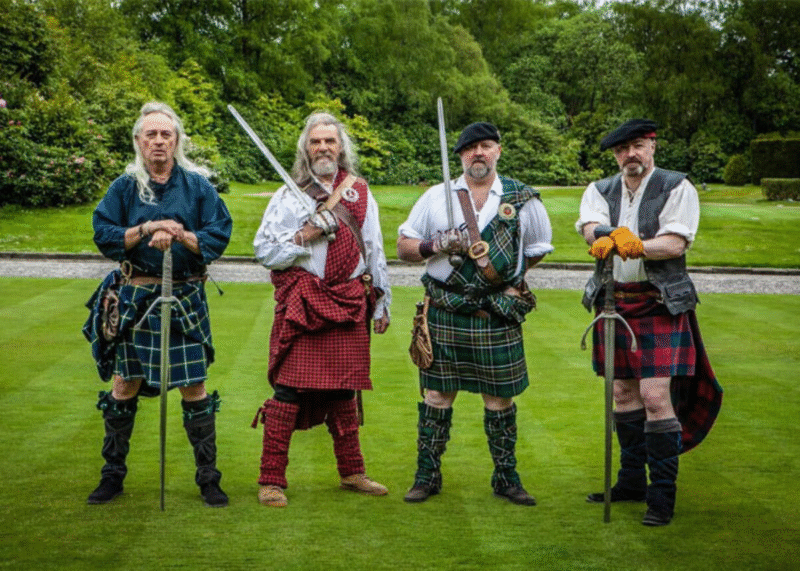
How Kilts Are Worn Today
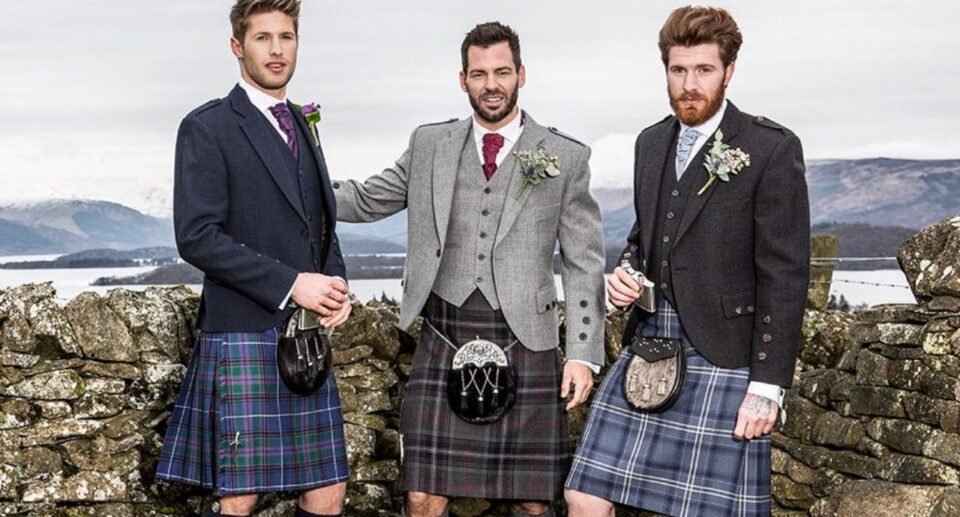
Today, kilts are worn in a wide variety of contexts:
- Formal occasions: weddings, graduations, ceremonies.
- Highland Games: where kilts are paired with caber tossing and pipe music (see events to watch).
- Cultural pride: at parades, Saint Patrick’s Day, and international festivals.
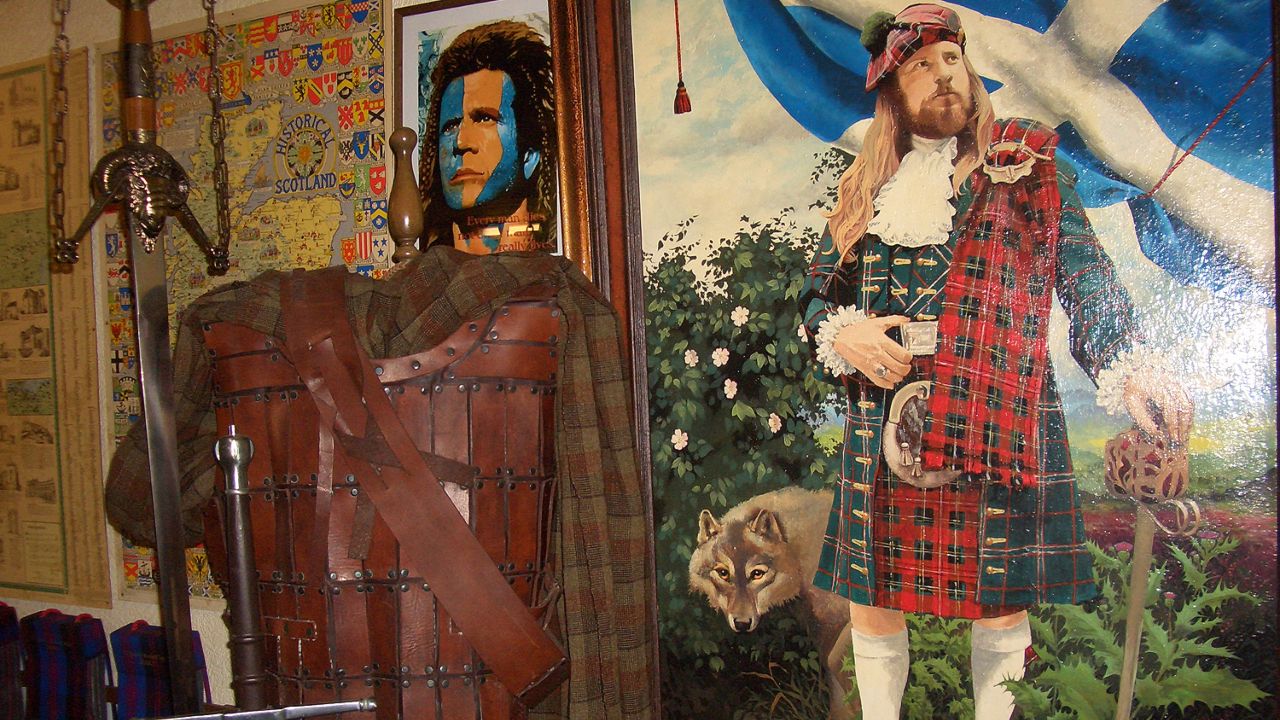
- Pop culture: prominently featured in movies and shows.
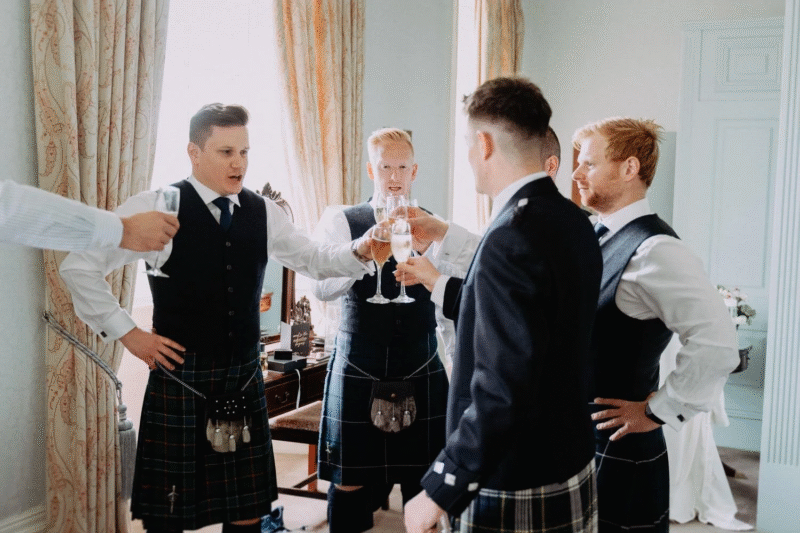
Kilts Beyond Scotland
While kilts are most strongly tied to Scotland, their influence has spread. Irish versions of the kilt exist (see our guide), and Celtic diasporas worldwide wear them as expressions of heritage.
Kilts have become global ambassadors of Celtic culture, much like the Claddagh ring, whose symbolism travels far beyond Irish shores.
Practicality and Symbolism Intertwined
Kilts are not only beautiful; they are functional. Traditionally made of wool, they provided warmth and adaptability in rugged Highland weather (read about kilts in Scottish weather).
Thus, kilts embody a dual nature: they are both a garment of utility and a banner of identity, much like the balance between myth and practicality in Celtic folklore.
Conclusion: A Living Tradition
Kilts are more than heritage garments; they are woven histories, carried proudly into the present. Whether on the field of the Highland Games or in a modern wedding ceremony, they continue to affirm a connection between people, place, and identity.
To understand kilts is to understand Scotland itself resilient, proud, and endlessly vibrant.