Celtic Festivals: Ancient Traditions Alive

Introduction: Why Celtic Festivals Still Matter
Festivals are more than just days off work or excuses for dancing (though no one’s complaining). In the Celtic world, they were the very heartbeat of community life moments when the veil between the human and the divine felt thin. Whether tied to agriculture, myth, or ritual, Celtic festivals continue to shape Celtic culture and traditions today.
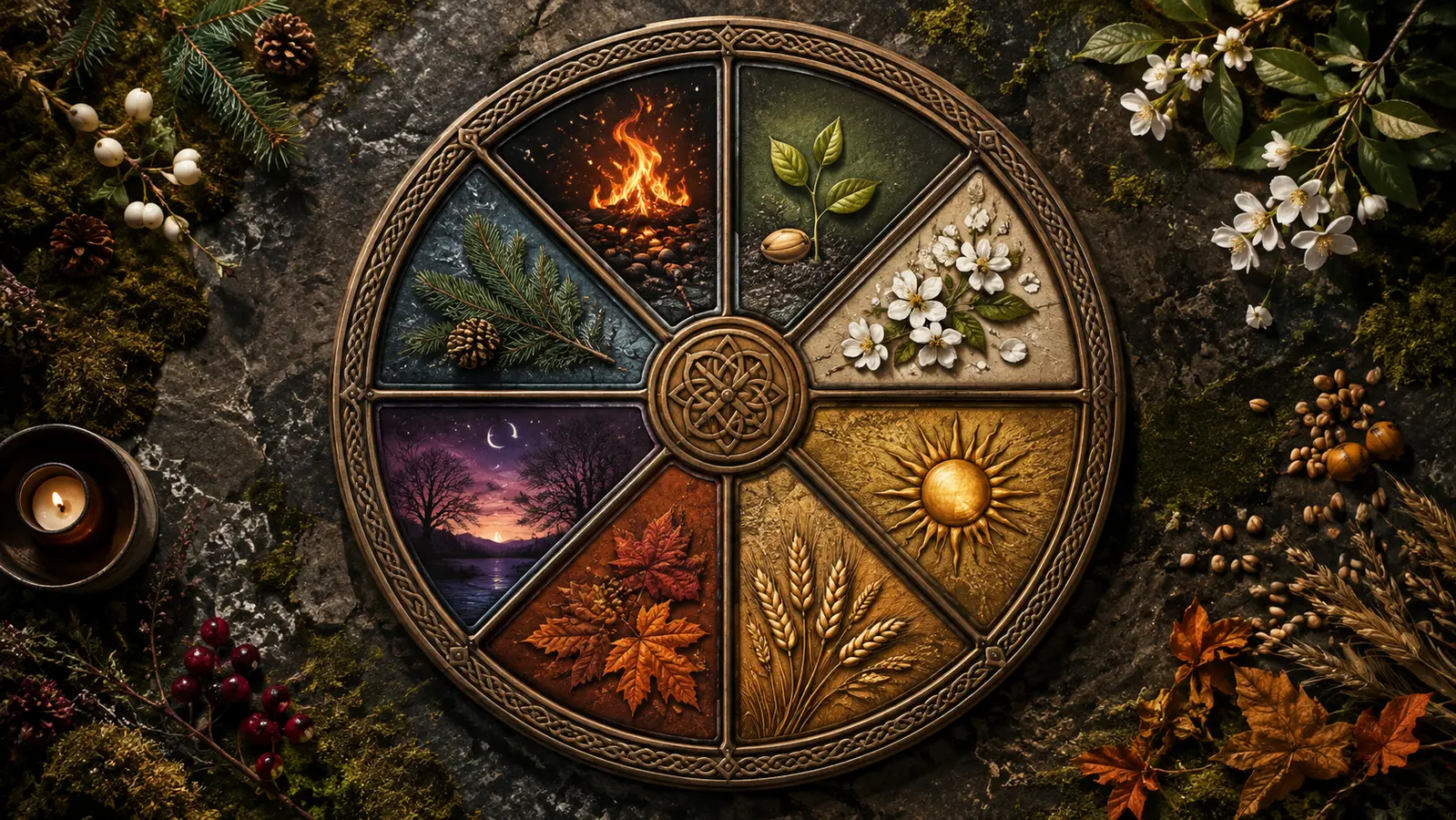
The Four Great Celtic Festivals
1. Samhain (October 31st – November 1st)
Known as the Celtic New Year, Samhain marked the end of harvest and the beginning of winter. It was believed that during this liminal time, spirits could cross into the mortal world. Many Halloween traditions trace back to this festival, from costumes to bonfires.

2. Imbolc (February 1st – 2nd)
Dedicated to Brigid, the goddess of poetry, healing, and smithcraft, Imbolc was a festival of purification and light. Families lit fires to welcome longer days, blending spiritual devotion with seasonal renewal.

3. Beltane (May 1st)
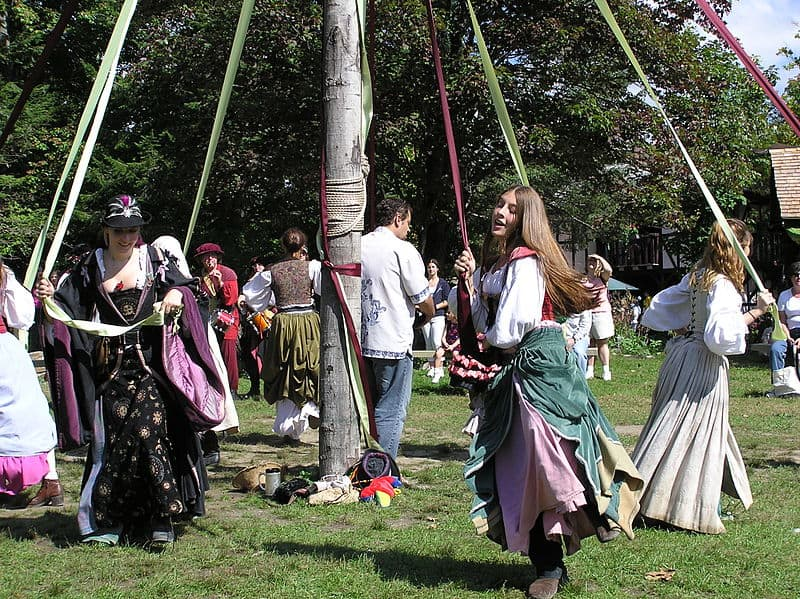
A fiery celebration of fertility, Beltane was all about welcoming summer. Bonfires, dancing, and Maypole rituals marked this joyous day. Even today, parts of Scotland host Beltane Fire Festivals, keeping the tradition alive.
4. Lughnasadh (August 1st)
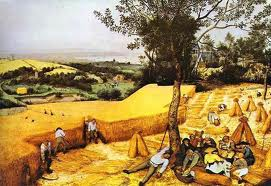
This festival honored Lugh, the Celtic sun god, and celebrated the first harvest. Communities gathered for feasts, storytelling, and games. In many ways, it was a precursor to modern agricultural fairs.
Music, Dance, and Ritual in Celtic Festivals
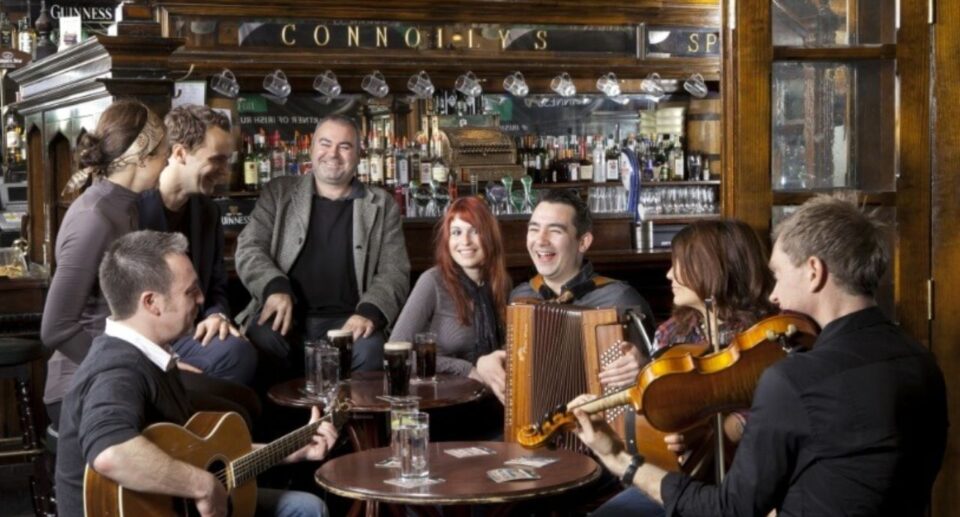
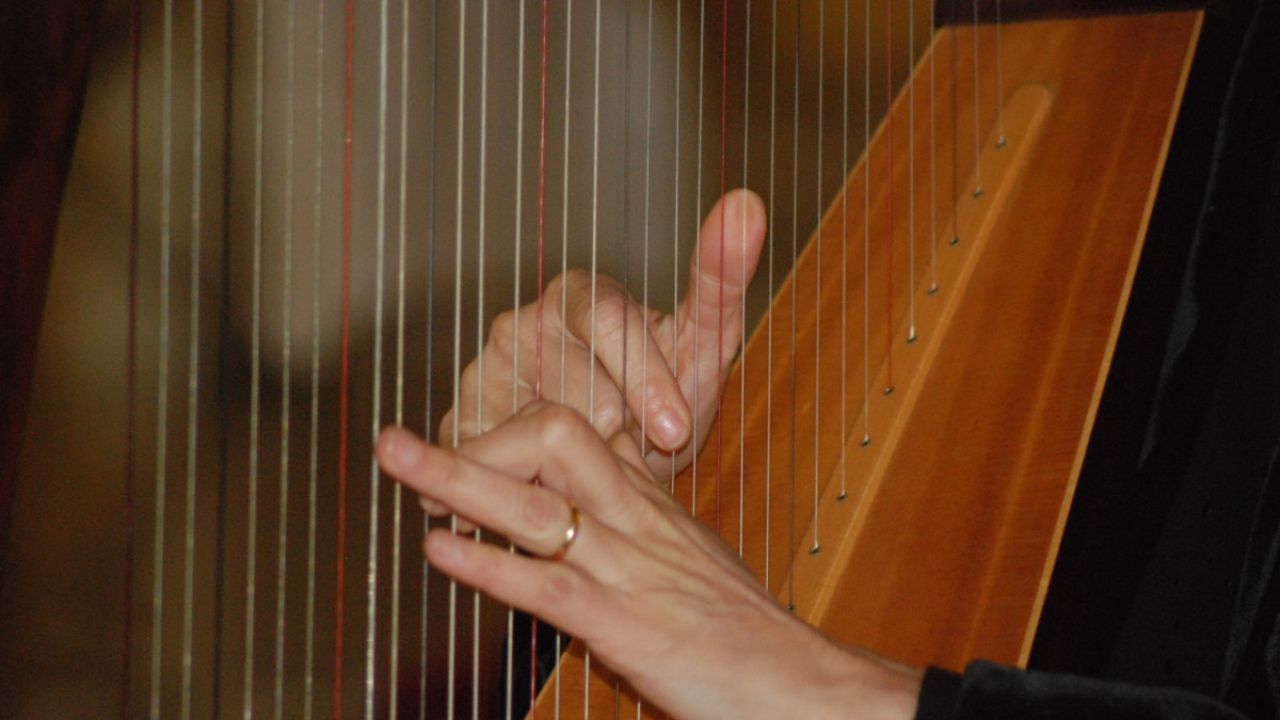
Festivals were incomplete without music and dance. Instruments like the Celtic harp and the bodhrán drum accompanied lively gatherings, while céilí bands kept people moving late into the night. Rituals often included storytelling, reflecting why Irish people are natural storytellers.

From Ancient Rituals to Modern Celebrations
Though rooted in pagan tradition, many Celtic festivals adapted into Christian observances. For example, Samhain influenced All Saints’ Day, while Imbolc merged with St. Brigid’s Day. Today, festivals like St. Patrick’s Day continue the Celtic tradition of blending faith, culture, and joy.

Why Celtic Festivals Endure
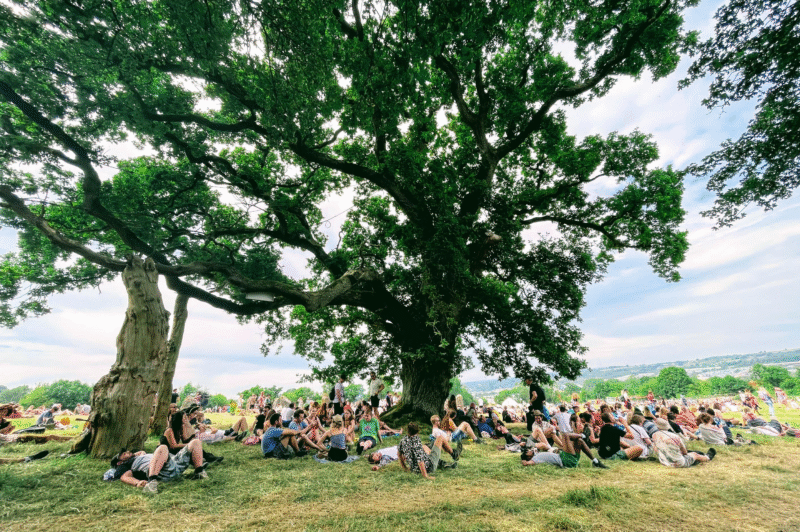
At their core, Celtic festivals celebrated nature’s cycles, ancestral connections, and community spirit. Whether you’re exploring the Highland Games, visiting the Hill of Tara, or simply lighting a candle on Imbolc, these traditions remind us that heritage isn’t static—it’s living, evolving, and worth celebrating.
Conclusion
Celtic festivals are not just relics of the past, they’re vibrant cultural anchors. By understanding and celebrating them, we keep alive a heritage that continues to inspire music, storytelling, and communal joy. For more explorations of Celtic history and traditions, explore our Celtic Culture & Tradition archives.