Wool Tartan Scarves: Where Heritage Meets Fashion
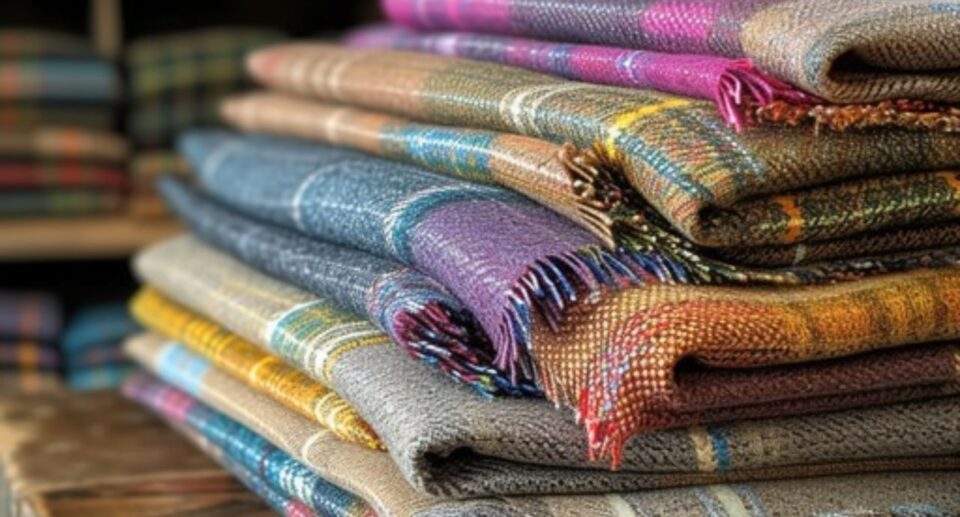
Few accessories carry as much cultural depth and stylistic charm as the wool tartan scarf. Beyond warmth, it is a garment that carries centuries of identity, artistry, and storytelling. Just as the Irish are famed for their gift of narrative (see why storytelling is central), tartan scarves tell their own tale through color, pattern, and heritage.
Whether draped casually over modern attire or worn with traditional Highland dress, a wool tartan scarf is more than fabric. It is history made wearable.
The Origins of Tartan and Scarves
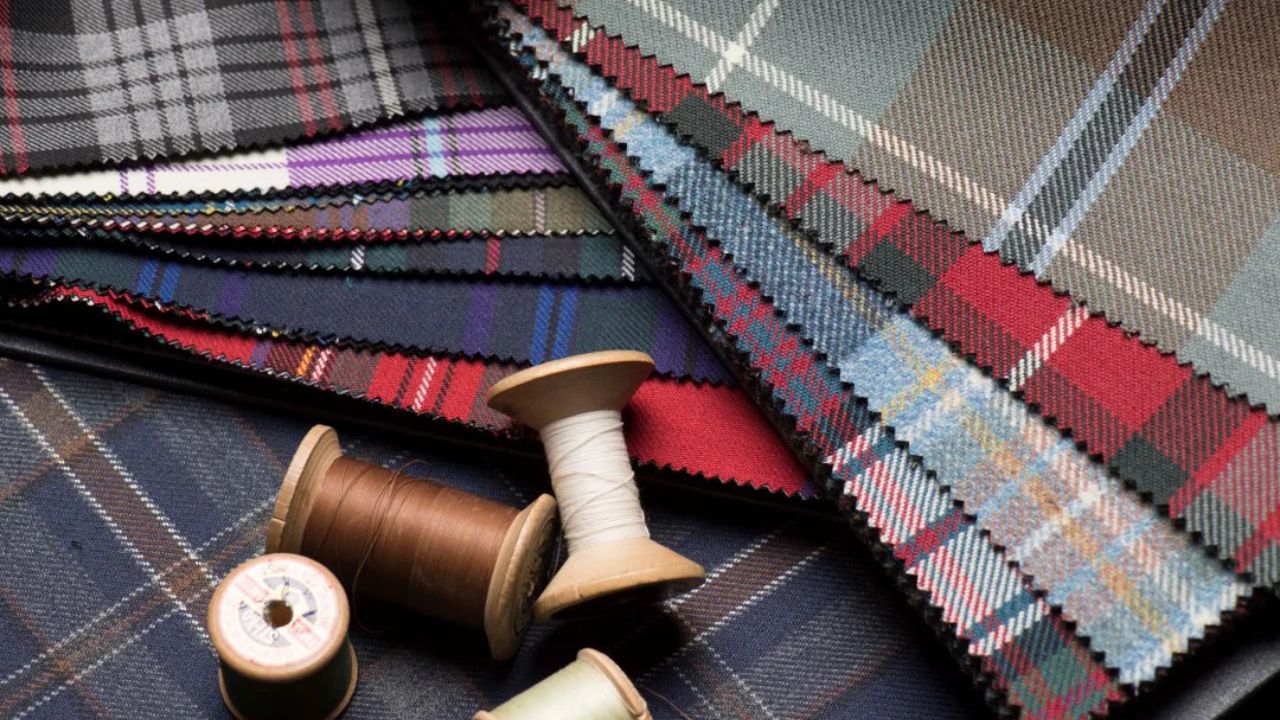
To understand tartan scarves, we must begin with tartan itself. Tartan patterns, known as setts, are woven with threads of distinct colors forming a crisscross design that has represented clans and families for centuries. You can learn more about the origins of these patterns in our guide to what is tartan.
Scarves became a natural extension of tartan’s versatility. Practical in Scotland’s brisk climate and deeply symbolic, tartan scarves emerged as both everyday wear and a proud declaration of belonging. The history of tartan’s endurance across centuries is beautifully traced in how long tartan prints have been around.
Wool: The Fabric of the Highlands
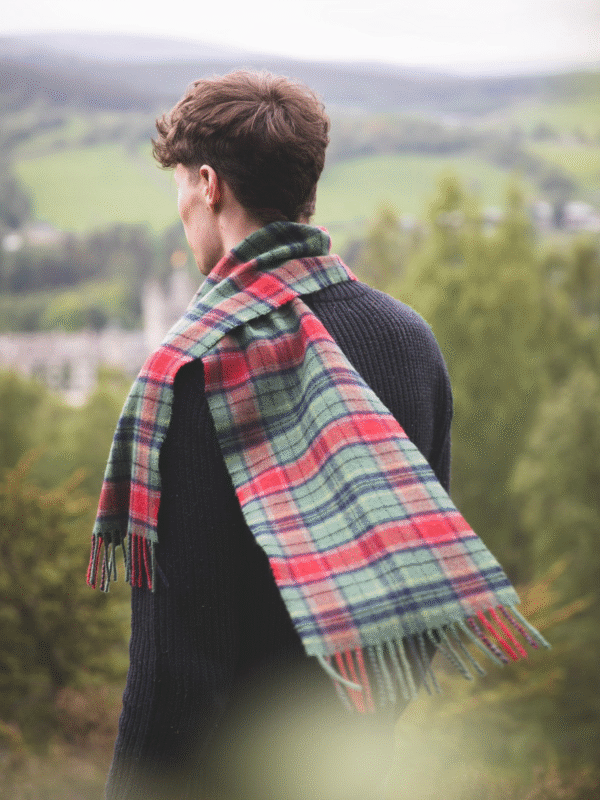
Scotland’s climate made wool the ideal textile. Durable, insulating, and easily dyed with natural pigments, wool was the backbone of Highland attire. The use of wool ensured tartan scarves were not merely decorative but essential for survival in wind and rain.
Wool carries with it a cultural continuity, much like the oak tree in Celtic tradition (explore its symbolism), grounding daily life in resilience and natural strength.
Scarves and Clan Identity
A tartan scarf does not just keep the chill away, it carries a story of clan and kinship. Each pattern, from the bold reds of Clan MacGregor to the muted greens of hunting tartans, signals belonging.
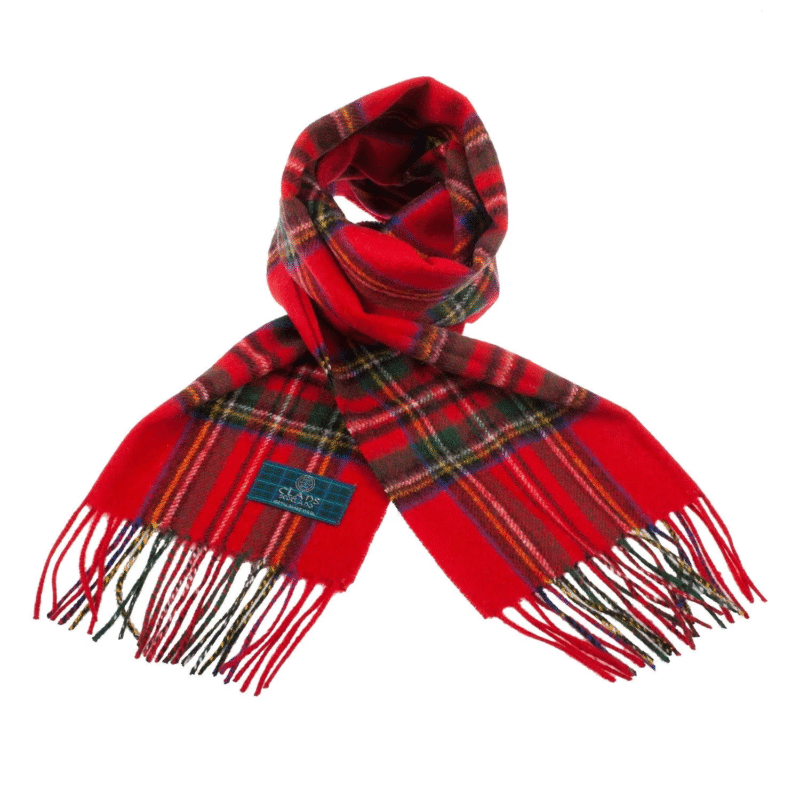
For those curious about the broader picture of kinship, our article on Scottish clans shows how tartans and surnames intertwined to create enduring identities. Wearing a wool tartan scarf is, in many ways, to wear your lineage.
Scarves in Tradition and Fashion
While tartan scarves remain tied to cultural traditions, they have also become icons of modern fashion. From Highland gatherings like the Highland Games to city streets around the world, tartan scarves offer a versatile blend of history and contemporary elegance.
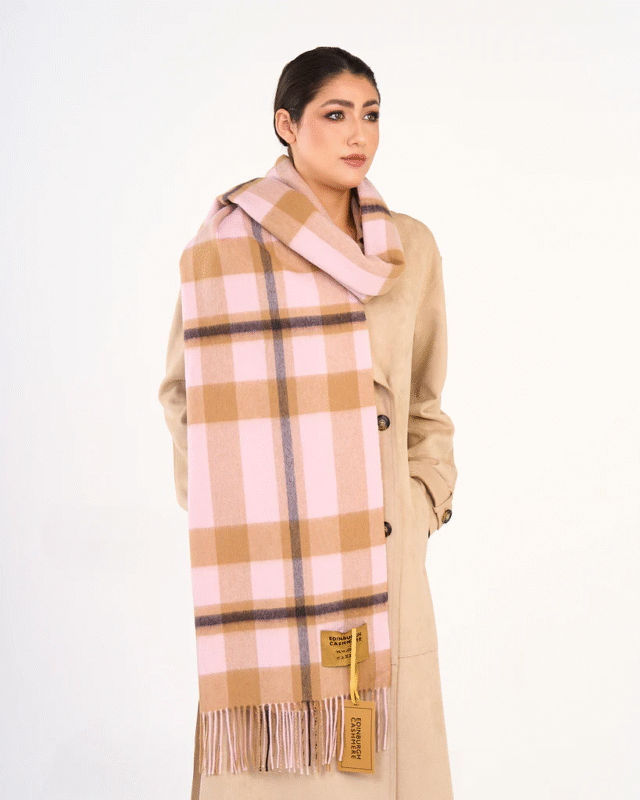
This transition mirrors the journey of other cultural garments such as the Scottish tartan shawl, where heritage finds new life in everyday style.
Symbolism in Color and Pattern
The meaning woven into tartan scarves is layered:
- Red and gold often signify courage and strength.
- Green and blue reflect nature, forests, and lochs (discover Loch Lomond’s place in the Highlands).
- Muted tones frequently represented hunting tartans, used for camouflage.
These patterns operate like Gaelic proverbs, simple in appearance but carrying profound cultural wisdom.
Final Thoughts
A wool tartan scarf is not merely a winter accessory. It is an heirloom, a clan story, and a living thread of Celtic tradition. To wear one is to wrap yourself in history, identity, and style.
For those seeking deeper insights into Celtic textiles and traditions, explore our fashion and style section.