

Traditional Irish Lamb Stew: History, Flavor, and Heritage

Traditional Irish lamb stew sits at the heart of Ireland’s food heritage. It is simple, nourishing, and deeply tied to rural life. This dish does not rely on complexity. Instead, it celebrates honest ingredients, slow cooking, and shared tables. Like many Irish traditions, its meaning reaches beyond taste.
What Defines a Traditional Irish Lamb Stew?
Authentic Irish lamb stew uses only a handful of ingredients. Lamb, potatoes, onions, carrots, and fresh herbs form the foundation. Cooks avoid heavy spices. The lamb provides depth, while potatoes thicken the broth naturally.
This simplicity reflects Ireland’s agrarian past. Families cooked with what the land provided. That same resourcefulness shaped other survival practices, explored in The Influence of the Irish Potato Famine.

Origins in Rural Ireland
Irish lamb stew emerged from the countryside. Sheep thrived on Ireland’s grasslands, especially in the west. Farmers used tougher cuts of lamb and slow cooking to create tenderness. The stew simmered for hours while families worked the land.
Storytelling often accompanied these meals. Food and narrative shared equal importance in Irish homes. This cultural habit connects closely with Ireland’s oral traditions, discussed in Why Are Irish People Natural Storytellers?.
Why Lamb, Not Beef?
Many modern stews use beef, but traditional Irish stew favors lamb. Sheep farming predates widespread cattle rearing in many regions. Lamb also suits Ireland’s cool climate and rich pastures.
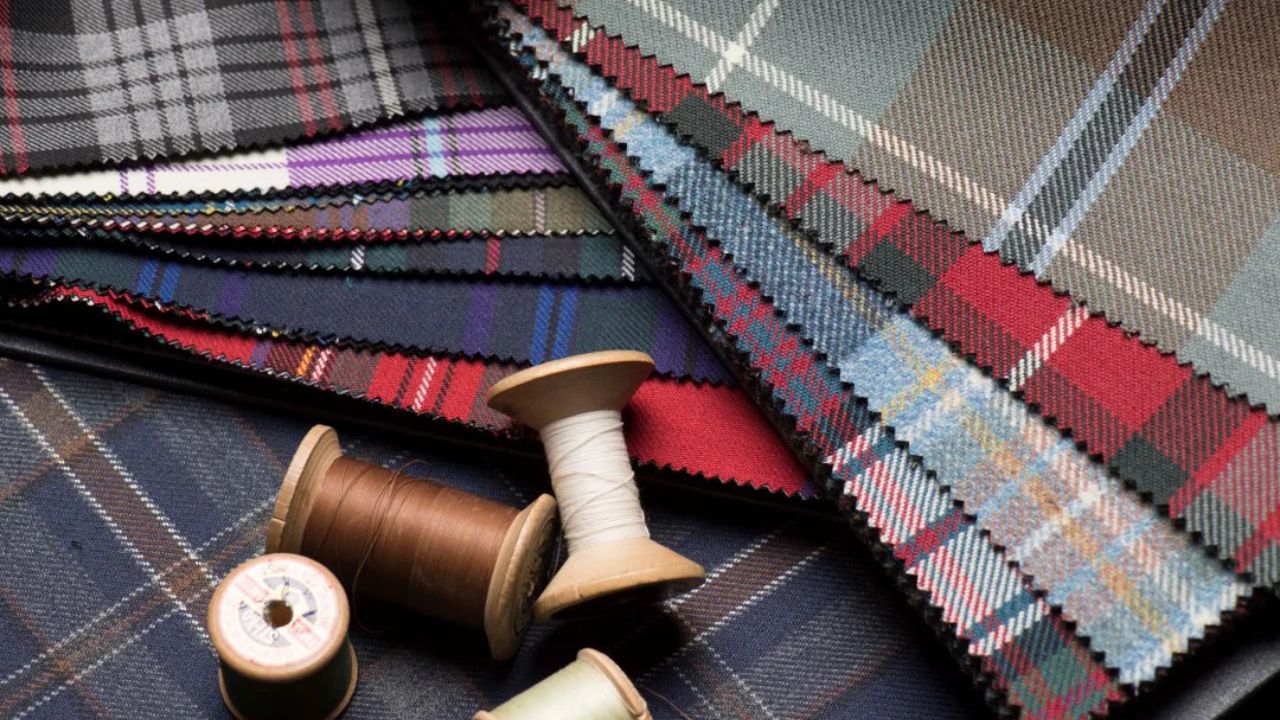
The choice of lamb reflects regional identity, much like traditional dress reflects place and history. You see similar cultural symbolism explored in What Is Tartan?, where material and meaning intertwine.

Cultural Meaning Beyond the Bowl
Irish lamb stew represents comfort and continuity. Families often serve it during gatherings, especially in colder months. The dish encourages patience. It rewards slow preparation and shared anticipation.
Food in Ireland often carries spiritual and communal weight. This connection between nourishment and meaning mirrors other traditions, such as the reverence for Irish holy wells. Both remind us that daily practices can hold sacred value.
How Traditional Irish Lamb Stew Is Served
Cooks usually serve the stew in deep bowls with soda bread. Some add parsley at the end for freshness. The broth remains light, not thick or creamy. Texture matters. Each ingredient should keep its form.
This respect for balance echoes Irish craftsmanship more broadly. Whether in music, carving, or cooking, restraint often signals mastery. You can see this philosophy reflected in arts such as Celtic stone carvings.

Traditional Irish Lamb Stew in Modern Ireland
Today, Irish lamb stew appears in homes, pubs, and festivals. Chefs may add barley or herbs, but the core remains unchanged. The dish adapts without losing its identity.
Modern interest in heritage foods has revived respect for traditional recipes. This revival mirrors a wider cultural reconnection seen across Irish music, language, and rural life, similar to themes discussed in A Crofter’s Journey Through Time.
Conclusion: A Dish That Tells a Story
Traditional Irish lamb stew tells a quiet but enduring story. It speaks of land, patience, and community. Every spoonful carries memory and meaning. In a fast world, this humble dish reminds us to slow down.
For more insights into Irish culture, food, and tradition, explore the wider collection on the CeltGuide Blog.