The Battle of Bannockburn: Scotland’s Defining Victory

The Battle of Bannockburn stands as one of the most decisive moments in Scottish history. Fought in June 1314, it reshaped Scotland’s political future and strengthened its national identity. Under the leadership of Robert the Bruce, a smaller Scottish force defeated a much larger English army. This victory did more than win a battle. It restored confidence, unity, and purpose.
The Political Background to Bannockburn
By the early 14th century, Scotland faced intense pressure from England. King Edward I and later Edward II sought control over Scottish lands and leadership. Many Scottish nobles felt divided, while others rallied around Robert the Bruce.
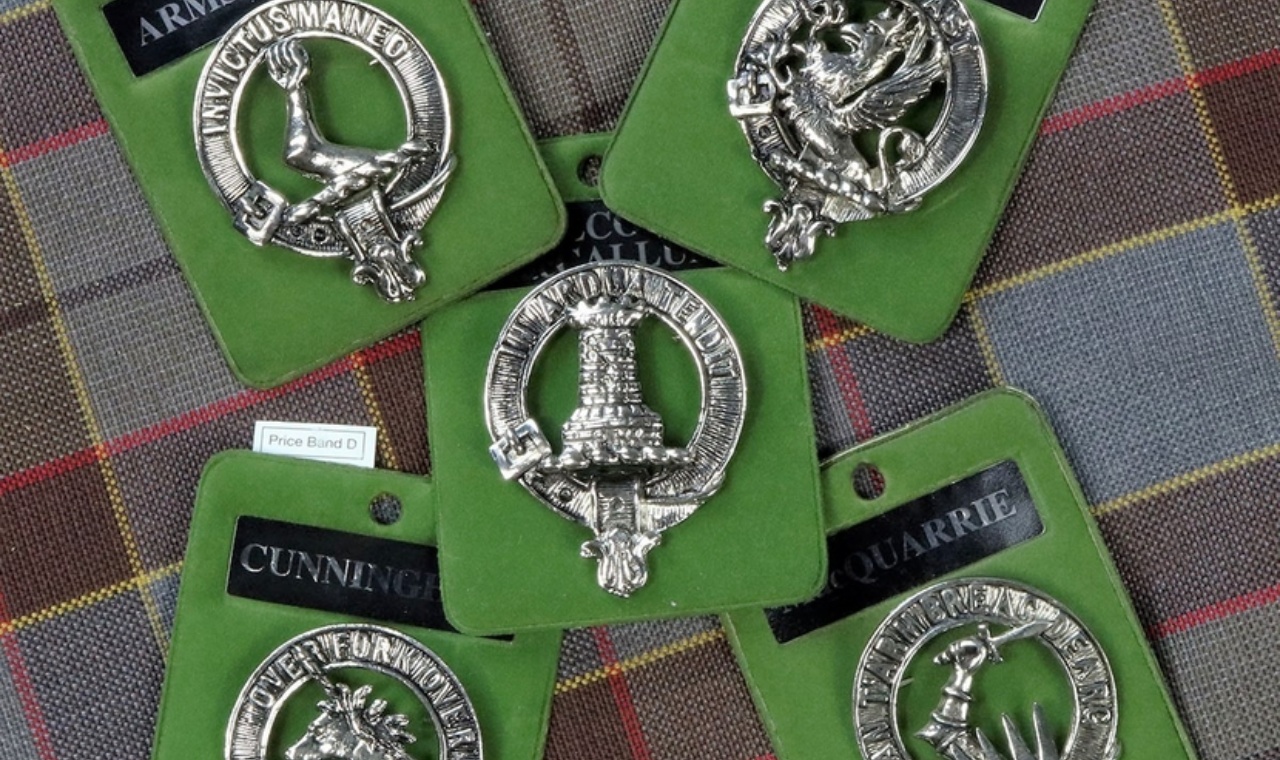
Bruce’s claim to the throne required legitimacy. Military success offered the clearest path. Bannockburn became that proving ground. Clan loyalties mattered greatly during this period, a theme explored further in How Many Scottish Clans Are There?.

Who Fought at the Battle of Bannockburn?
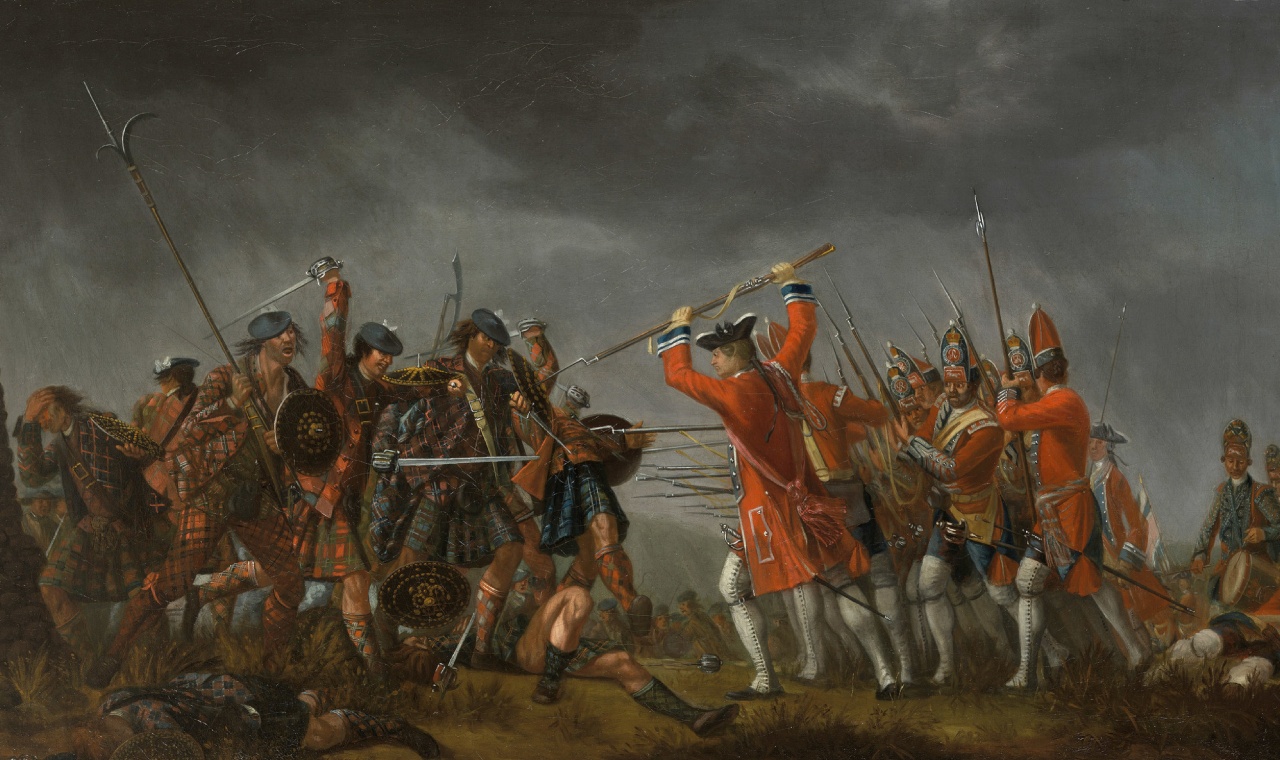
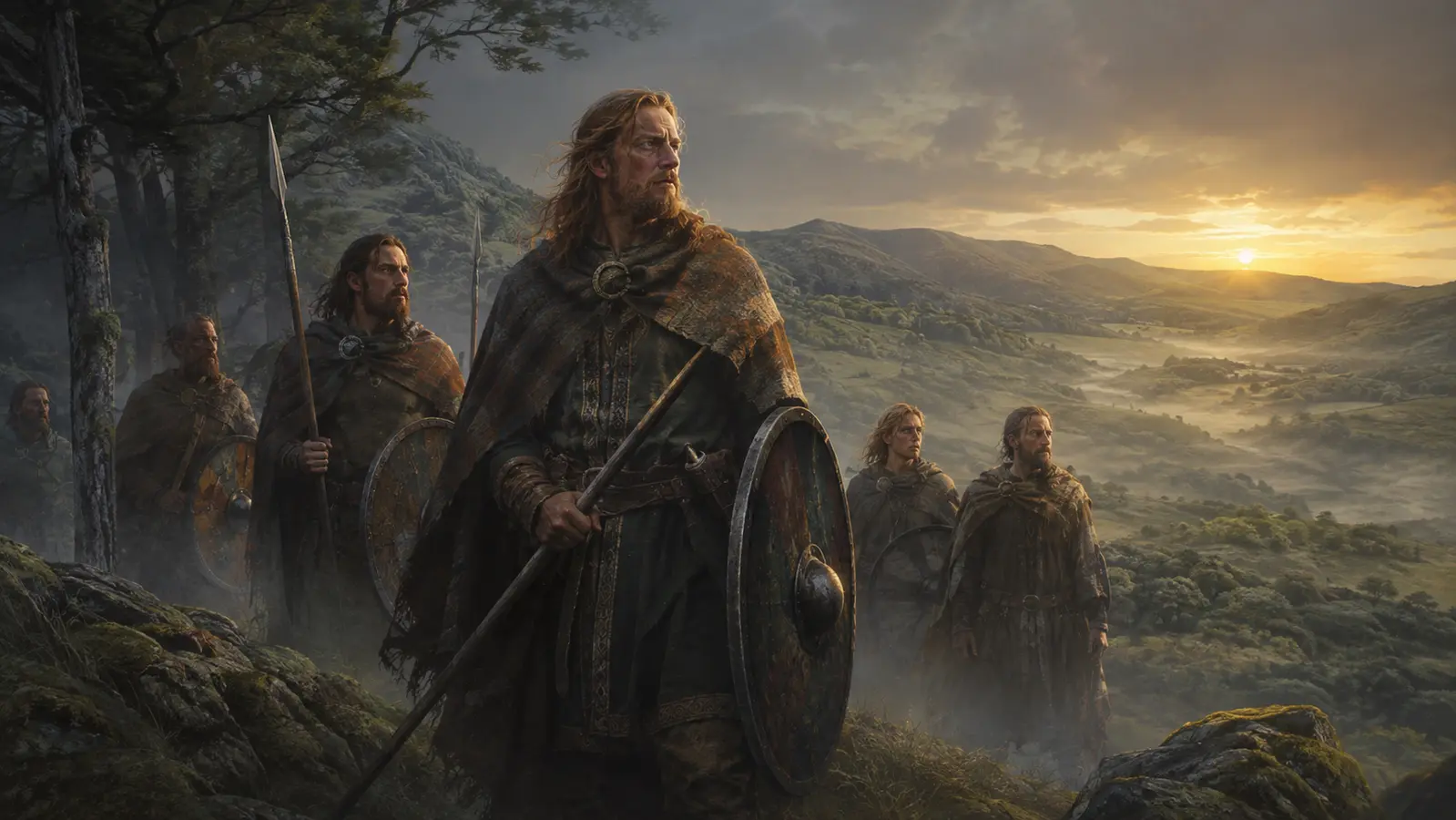
The Scottish army relied on disciplined infantry. Men fought in schiltrons, tight formations armed with long spears. These formations neutralized English cavalry. Robert the Bruce emphasized preparation and terrain over numbers.
The English army, led by Edward II, relied heavily on knights and mounted troops. Their approach suited open fields, not marshy ground. This miscalculation proved fatal.
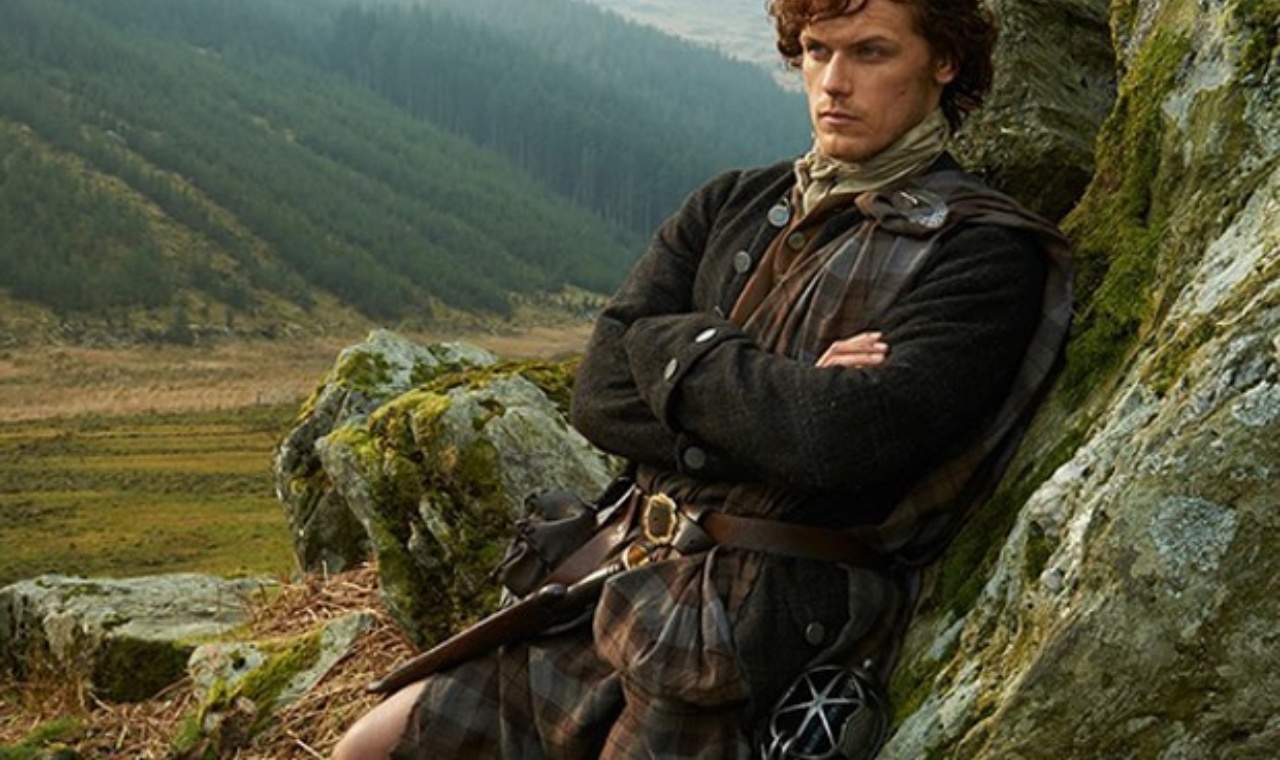
Scottish warriors often wore practical dress suited to movement rather than display. Later generations would express identity through dress more clearly, as seen in discussions on What Is Tartan?.
The Geography of Bannockburn
Terrain shaped the battle’s outcome. Bannockburn lay near marshland and narrow approaches. Bruce chose the site carefully. He forced the English into restricted ground, where numbers became a weakness.
This relationship between land and survival echoes throughout Celtic history. The environment shaped belief, strategy, and myth, much like landscapes associated with stories such as The Legend of the Fairy Glen.

Key Moments of the Battle
One of the most famous moments came before the main clash. Robert the Bruce faced English knight Sir Henry de Bohun in single combat. Bruce killed him with a well-timed axe strike. This act lifted Scottish morale instantly.
As battle began, English cavalry struggled against schiltrons. Archers failed to reposition effectively. Scottish forces advanced with discipline and resolve. By the second day, English lines collapsed. Edward II fled the field.
Leadership, not luck, defined the outcome.
Why Bannockburn Mattered
Bannockburn did not end the Wars of Independence, but it changed their direction. Scotland gained leverage, unity, and international recognition. The victory strengthened Bruce’s kingship and weakened English authority.
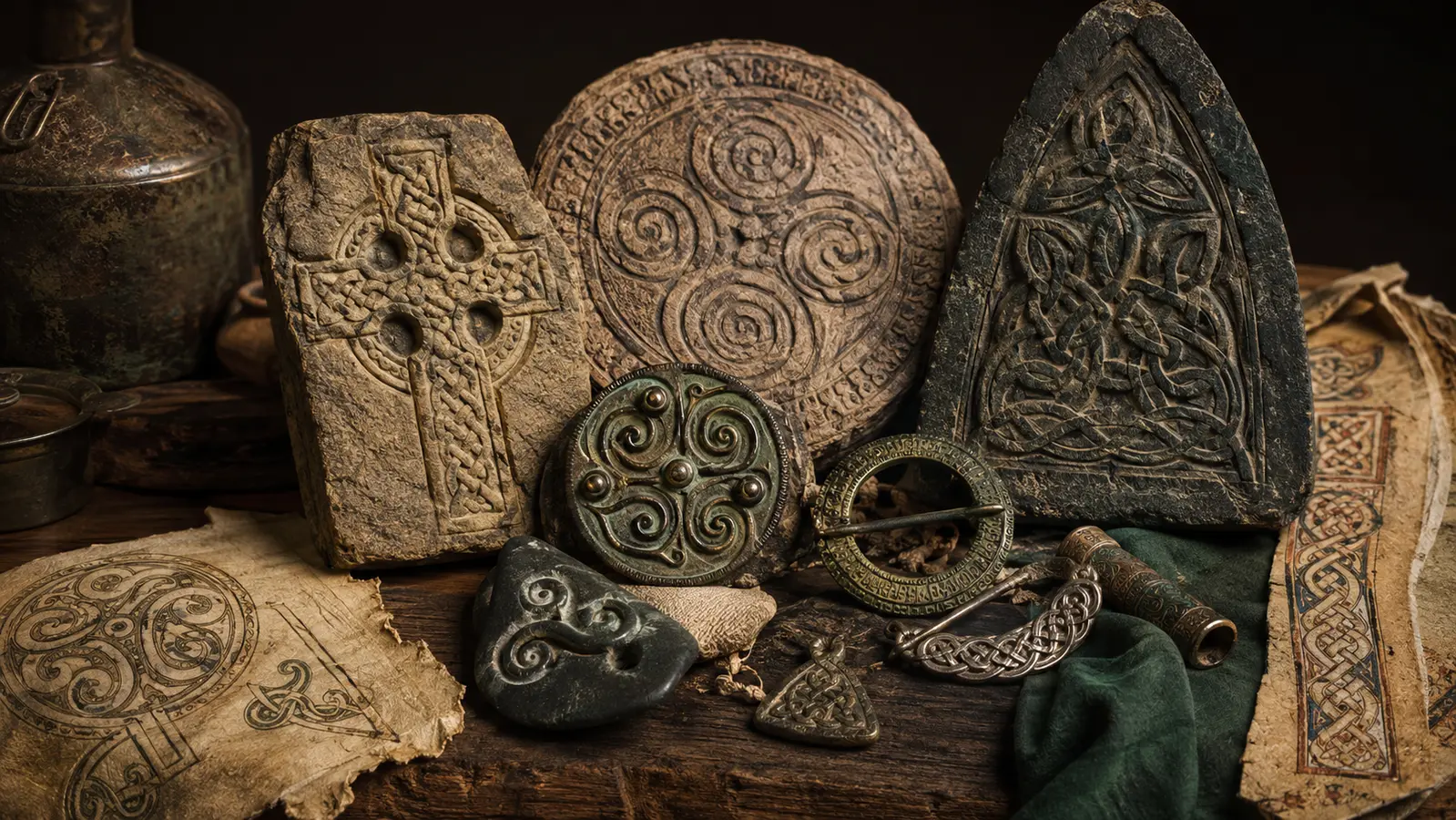
The battle also became a symbol. Like cultural artifacts or music, history shapes identity. Scottish memory preserved Bannockburn through stories, songs, and later traditions, similar to how sound carries heritage in The Bodhrán Drum.

Bannockburn in Scottish Cultural Memory
Bannockburn lives on beyond textbooks. It appears in poetry, music, and national discourse. For centuries, it represented resistance and self-determination. Writers and historians revisit it to understand how small nations assert sovereignty.
Cultural memory often blends fact and symbolism. This blending mirrors how myths and history coexist in Celtic tradition, a theme explored across CeltGuide’s Culture & Tradition section.
Conclusion: A Battle That Shaped a Nation
The Battle of Bannockburn remains more than a military victory. It marks a turning point in Scotland’s sense of itself. Strategy, leadership, and unity overcame superior force. The echoes of 1314 still shape Scottish identity today.
To explore more defining moments from Celtic history and culture, visit the CeltGuide Blog.