The Irish Custom of the Keening Women (Caoineadh)

Grief has always been a deeply communal experience in Irish culture. Long before written records, the Irish expressed loss through sound. A raw, poetic wail known as the caoineadh (pronounced keen-uh). This haunting tradition of keening women, or professional mourners, was not only a ritual of sorrow but also an art form, steeped in poetry, rhythm, and spirituality.
The Meaning Behind the Caoineadh
The word caoineadh means “to weep” or “to lament.” Yet, in Irish custom, keening was far more than weeping. It was performance, prayer, and poetry all at once. The keening women, often skilled oral poets chanted improvised verses celebrating the life of the deceased while expressing the grief of the living.
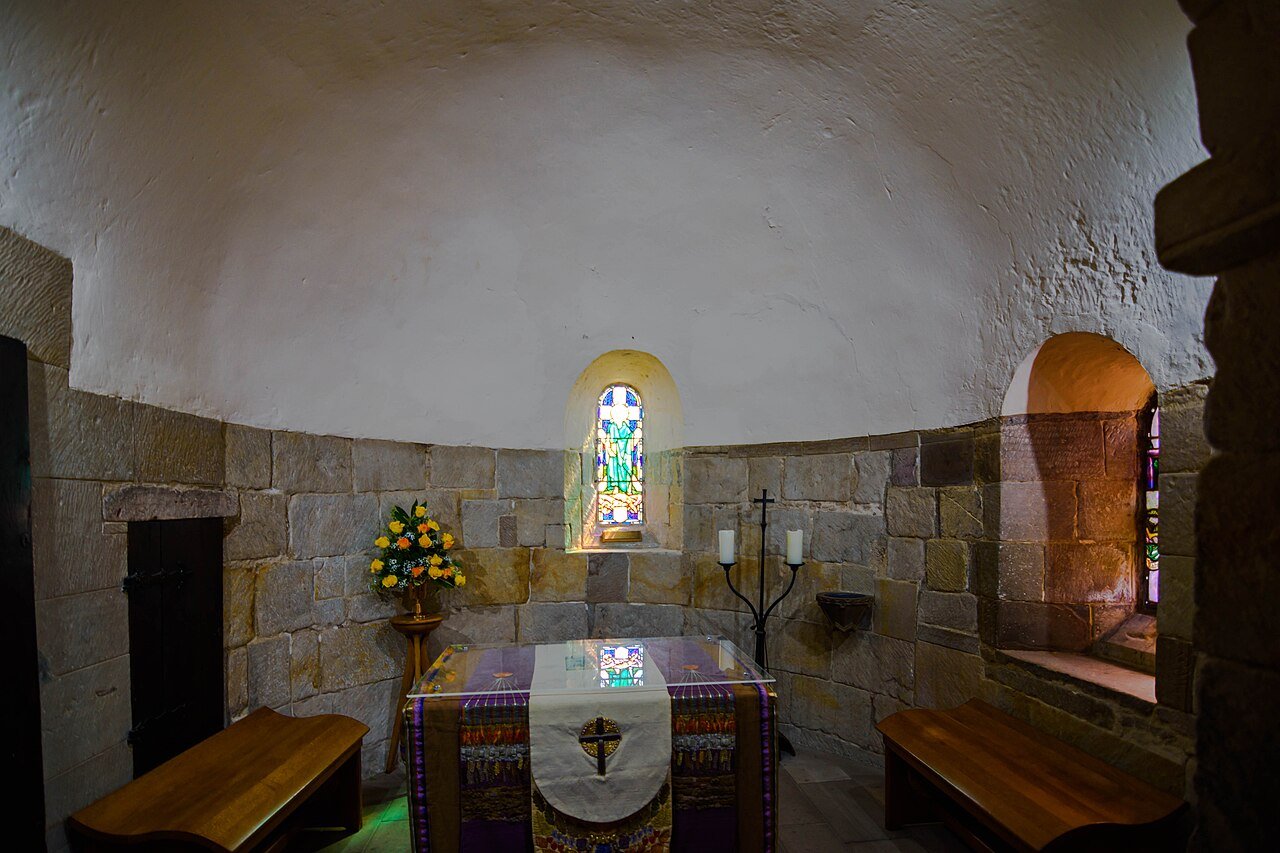
Their chants carried the weight of centuries, echoing through stone chapels and over windswept hills. Each performance told a story of love, lineage, and loss, blending emotion with cultural memory.

For an exploration of how storytelling shapes Irish identity, see Why Are Irish People Natural Storytellers?.
The Role of the Keening Women
In rural Ireland, death was never faced alone. When someone passed, women from the community gathered to lead the keening. These “bean chaointe”, or mourning women, acted as guides for the soul’s passage. Their voices rose and fell like waves, a lamentation said to ease the spirit’s journey to the Otherworld.
Keening often took place before the wake, during the funeral procession, and sometimes at the graveside. The women’s cries mirrored the community’s emotions: anguish, love, and release. The sound could be both beautiful and unsettling, described by witnesses as “music from beyond the veil.”

If you’re curious about other Celtic expressions of farewell, read Heartbeat of Farewell: Irish Wake Traditions Through a Celtic Lens.
Poetic Lament and the Power of Words
Keening followed a poetic structure, often combining alliteration, repetition, and rhythm. These oral traditions carried through generations, much like Gaelic Irish Proverbs, each line infused with cultural wisdom and emotion.
The caoineadh was both personal and political. It honored the individual but also voiced communal sorrow over oppression, exile, or loss of land, themes familiar in Irish history, especially during events like The Irish Potato Famine.

Music, Myth, and the Otherworld Connection
The Irish never separated art from spirituality. The sound of the caoineadh was believed to carry mystical power, bridging this world and the next. Some accounts even linked keening to banshee lore, where the supernatural wail foretold death.
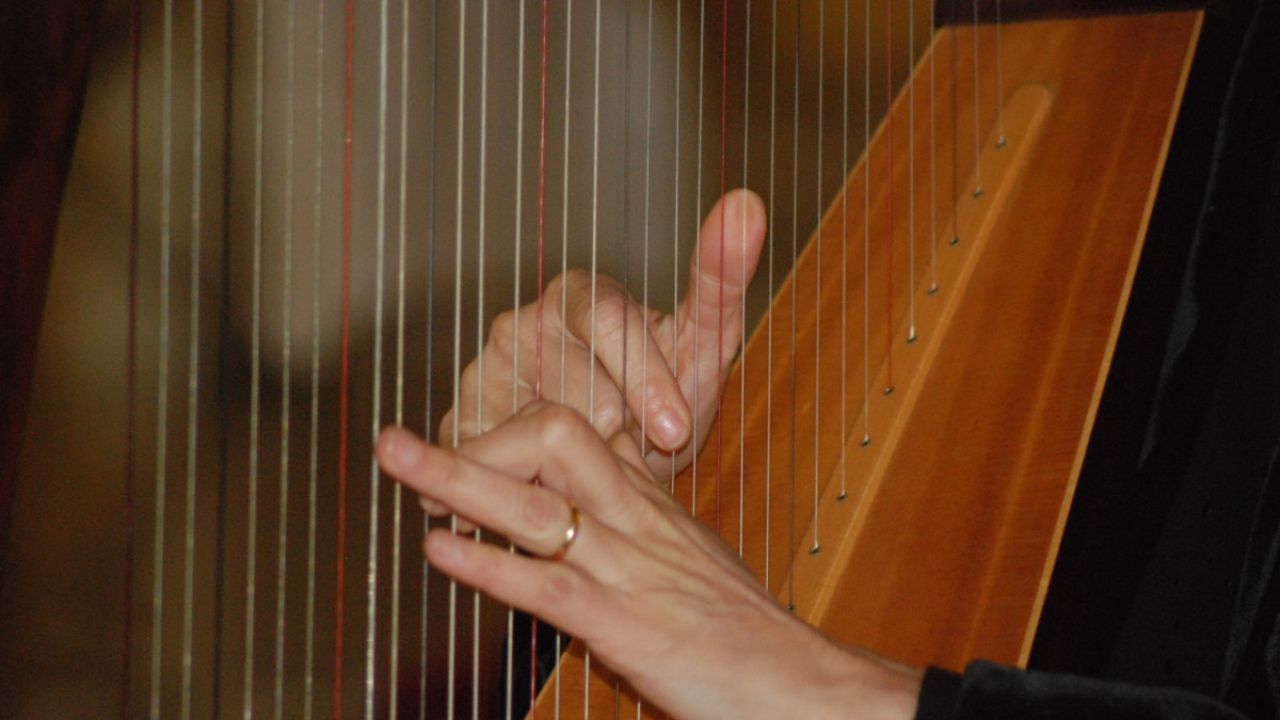
The keening voice resembled the timbre of the Celtic harp (clàrsach), Ireland’s oldest instrument of mourning and praise. You can explore its role in cultural rituals in What Is a Clarsach? A Comprehensive Guide to the Celtic Harp.

The Decline and Legacy of Keening
By the 19th century, the Church began to discourage keening. Its pagan undertones and emotional intensity were seen as disruptive to Christian funerary rites. Yet the tradition lingered in rural communities, preserved in memory, song, and literature.
Today, the echoes of the caoineadh survive in Irish folk songs and contemporary performance art. Musicians and poets continue to revive this ancient practice as a way of reconnecting with ancestral grief and resilience.

The Enduring Voice of Irish Grief
The caoineadh teaches us that mourning can be beautiful, even sacred. It turns sorrow into sound, a bridge between generations, between the living and the dead. Through the keening women, Ireland gave voice to grief, transforming it into something communal, poetic, and timeless.