The Heather Ale Legend of Scotland

Among Scotland’s many legends, the tale of Heather Ale holds a special place. It speaks not only of a lost recipe but also of identity, resistance, and cultural pride. As a historian trained in the Scottish tradition, I often describe this legend as folklore that ferments memory itself. The story endures because it connects landscape, people, and secrecy in one potent narrative. Like many Highland tales, it survives through oral tradition, much like the storytelling culture explored in why Irish people are natural storytellers.
What Is Heather Ale?
Heather Ale refers to a legendary fermented drink made from heather flowers. Ancient sources suggest that Pictish and early Gaelic communities brewed it long before hops reached Britain. Heather thrived across the Highlands, especially near areas such as Loch Lomond and the western isles, making it both accessible and symbolic. Today, the drink exists mostly in legend, though modern recreations attempt to revive its flavor.
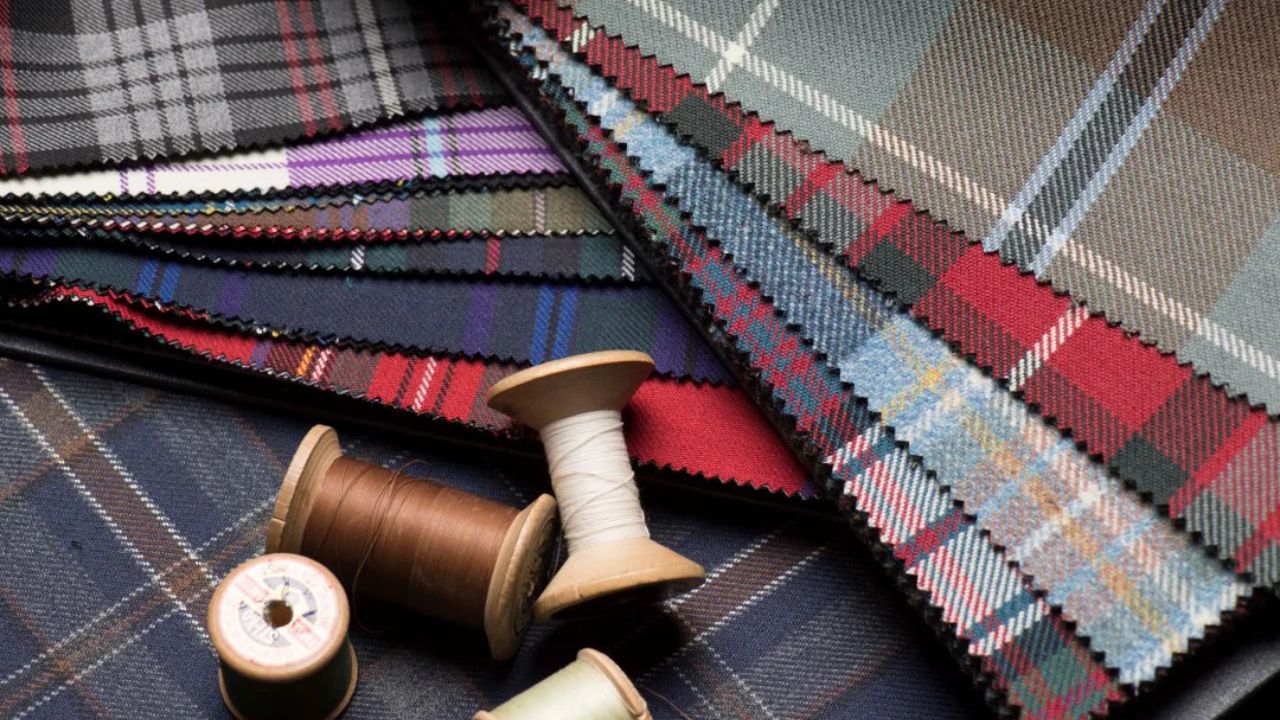
This tradition sits alongside other material expressions of Celtic culture, much like tartan patterns whose long history appears in discussions of what is tartan and how long tartan prints have been around.
The Legend of the Secret Recipe
The most famous version of the Heather Ale legend tells of a defeated people who refused to surrender their knowledge. According to the tale, invading forces demanded the recipe. The last keepers of the secret chose death over betrayal. In some versions, a father and son leap from a cliff rather than reveal the method.
This act of defiance mirrors broader Celtic narratives of sacrifice and honor. We see similar symbolic resistance in mythic stories such as the Linton Worm and the sacred strength associated with figures like Lugh, the Celtic sun god.

Historical Roots and Cultural Meaning
While historians debate the literal truth of the story, archaeology confirms early herbal brewing in Scotland. Heather pollen appears in ancient residues found in pottery. The legend likely preserves a memory of real practices lost through conquest and cultural disruption. Events such as population displacement and famine, discussed in the influence of the Irish Potato Famine, remind us how easily traditions vanish.
Heather itself carried symbolic weight. It represented endurance and connection to land. Much like the oak tree in Celtic belief, explored in the Celtic oak tree, heather linked survival with spiritual meaning.
Heather Ale in Scottish Identity
The Heather Ale legend became a metaphor for Scottish resilience. Writers and poets revived it during periods of cultural revival, especially in the nineteenth century. The story aligned with renewed interest in clan identity, Gaelic language, and Highland heritage, themes closely related to studies on how many Scottish clans once shaped social life.
Even today, the legend resonates during events such as the Highland Games, where traditional music, dress, and food celebrate continuity. Cultural memory often survives best through ritual and story rather than written record.
Heather Ale and Modern Revival
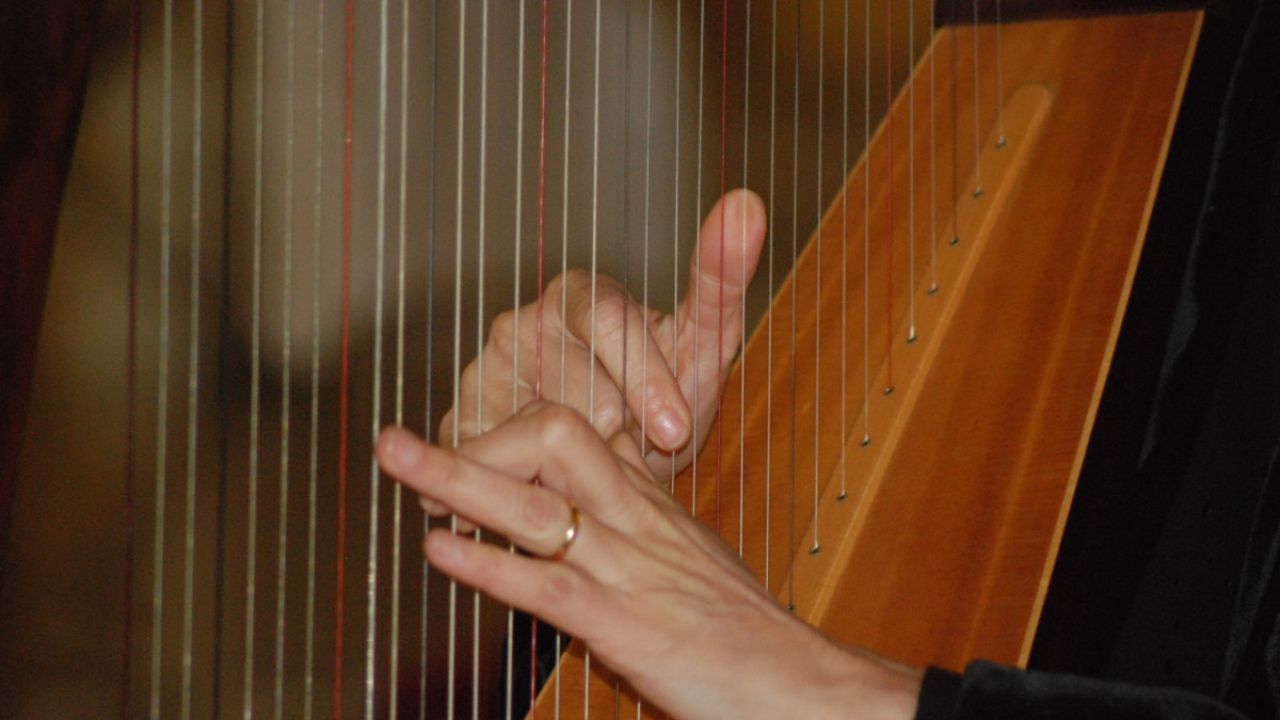
Several modern brewers claim inspiration from the legend, though none can prove historical accuracy. Their efforts matter less for authenticity and more for storytelling. Like the revival of traditional instruments such as the clarsach, discussed in what is a clarsach, these recreations keep heritage alive through experience.
The legend also attracts travelers eager to explore mythic landscapes, from the Isle of Mull to ancient stone sites. Such journeys reflect the same curiosity that draws readers to stories of selkies, fairy glens, and sacred wells.
Why the Legend Endures
The Heather Ale legend survives because it offers more than a lost drink. It tells a human story of choice, memory, and belonging. It reminds us that culture often persists not through objects but through values. In that sense, Heather Ale stands alongside Scotland’s most enduring symbols.
For more explorations of Celtic tradition, visit the main CeltGuide blog and continue the journey through myth, history, and living heritage.