


The Dirndl Style in Scottish Women’s Clothing: A Cultural Blend Worth Knowing

When we think of Scottish women’s clothing, our minds often jump straight to tartan shawls, belted plaids, or elegant Highland gowns. Yet, there’s another fascinating influence woven into the story of Scottish fashion, the Dirndl style. Although deeply rooted in Alpine traditions, the Dirndl silhouette made its way into Scotland through cultural contact, migration, and 19th-century fashion exchange. Today, it appears in modern Scottish dress designs, traditional costumes for festivals, and even contemporary tartan fashion.
Let’s explore how this Alpine-inspired style shaped Scottish women’s clothing and became part of a much richer cultural tapestry.
What Exactly Connects the Dirndl and Scottish Dress?
At first glance, Austria and Scotland feel worlds apart. One is known for Alpine valleys; the other for rugged glens and misty lochs. Yet traditional clothing in both cultures shares similarities—structured bodices, full skirts, and an emphasis on patterns that express identity.
The Dirndl style, known for its fitted bodice, gathered skirt, and apron, became popular across 19th-century Europe. Scotland embraced elements of it during the same era when tartan surged back into fashion. This was also a time when Scotland reimagined its cultural identity, influenced by folklore, literature, and romantic nationalism.
For more insight into the revival of tartan prints, visit:
👉 How Long Has the Tartan Prints Been Around?
The Dirndl Silhouette and Its Scottish Adaptation
Scottish dressmakers didn’t copy the Dirndl outright. Instead, they adapted key features and made them distinctly Scottish. Here’s how:
1. Fitted Bodices with Celtic Touches
Scottish women’s bodices often used lace-up fronts like the Dirndl, but tailors added Celtic motifs, plaid trims, or woven Celtic knotwork. This turned the Alpine look into something rooted firmly in Scottish identity.
2. Full Skirts with Tartan Patterns
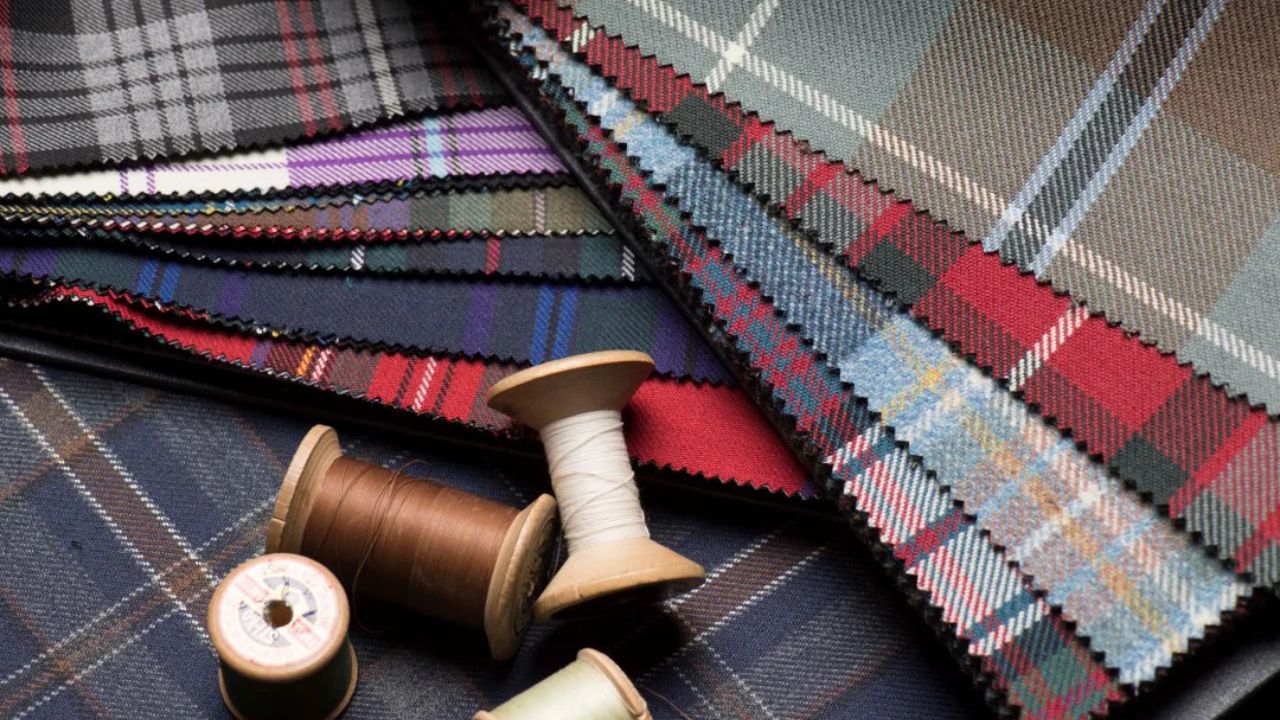
Where the traditional Dirndl uses solid colours or floral prints, Scottish skirts embraced tartan. These plaids symbolised clan identity, family history, and regional pride.
👉 Learn more about tartan meaning here: What Is Tartan?
3. Aprons with Scottish Flair
Aprons were common in both traditions. Scottish versions often featured linen or wool with embroidered thistles or Celtic spirals. Some even displayed colours inspired by local landscapes—greens, heathers, and deep blues.
4. Layering with Shawls
Scottish women frequently paired these dresses with warm tartan shawls.
See the tradition here:
👉 Scottish Tartan Shawl

Why Did the Dirndl Style Fit So Well Into Scottish Culture?
The answer lies in shared values. Both Scottish and Alpine communities lived close to rugged landscapes and relied on practical, durable clothing. The Dirndl’s design; comfortable, structured, and ideal for working women, fit easily into Scottish rural life.
But it wasn’t just practicality. Scotland has long celebrated storytelling and cultural blending. When new styles arrived, Scottish communities adapted them rather than rejecting them.
If storytelling traditions interest you, you may enjoy:
👉 Why Are Irish People Natural Storytellers?
Dirndl Influence in Modern Scottish Fashion
Today, the Dirndl influence appears in:
• Festival and Ceilidh Dresses
Modern dresses often mix a fitted bodice with a swinging tartan skirt—very similar to a Dirndl’s structure.
• Highland Dance Outfits
Some designers incorporate Dirndl-like lacing or bodice shapes into female dancewear.
If you enjoy dance culture, explore:
👉 Ceili Bands
• Handmade Artisan Clothing
Indie designers across the Highlands and Islands experiment with blends of Scottish wool and Alpine silhouettes.
• Tourism and Folk Events
During events celebrating Celtic culture, Dirndl-like tartan dresses are popular among performers and guides.
Dirndl and Tartan: A Creative Marriage
One of the most charming aspects of this style blend is how tartan interacts with the Dirndl silhouette. Tartan adds symbolic depth and regional meaning to an already expressive design. Whether it’s the Isle of Mull’s iconic blues or Highland reds, Scottish colours breathe life into the Alpine shape.
For a deeper look at Scottish landscapes influencing colour palettes, try:
👉 Isle of Mull
👉 Legend of the Fairy Glen
Final Thoughts
The Dirndl style found a natural home in Scottish women’s clothing because it mirrors Scotland’s spirit: practical, expressive, and deeply tied to heritage. Through tartan patterns, Celtic embroidery, and layered textures, Scotland made this European style unmistakably its own.
This blend reminds us that cultural exchange doesn’t erase tradition, it enriches it.
If you want more fashion and folklore stories, explore the full blog section here:
👉 CeltGuide Blog