Scottish Whisky Production: A Journey from Grain to Glass
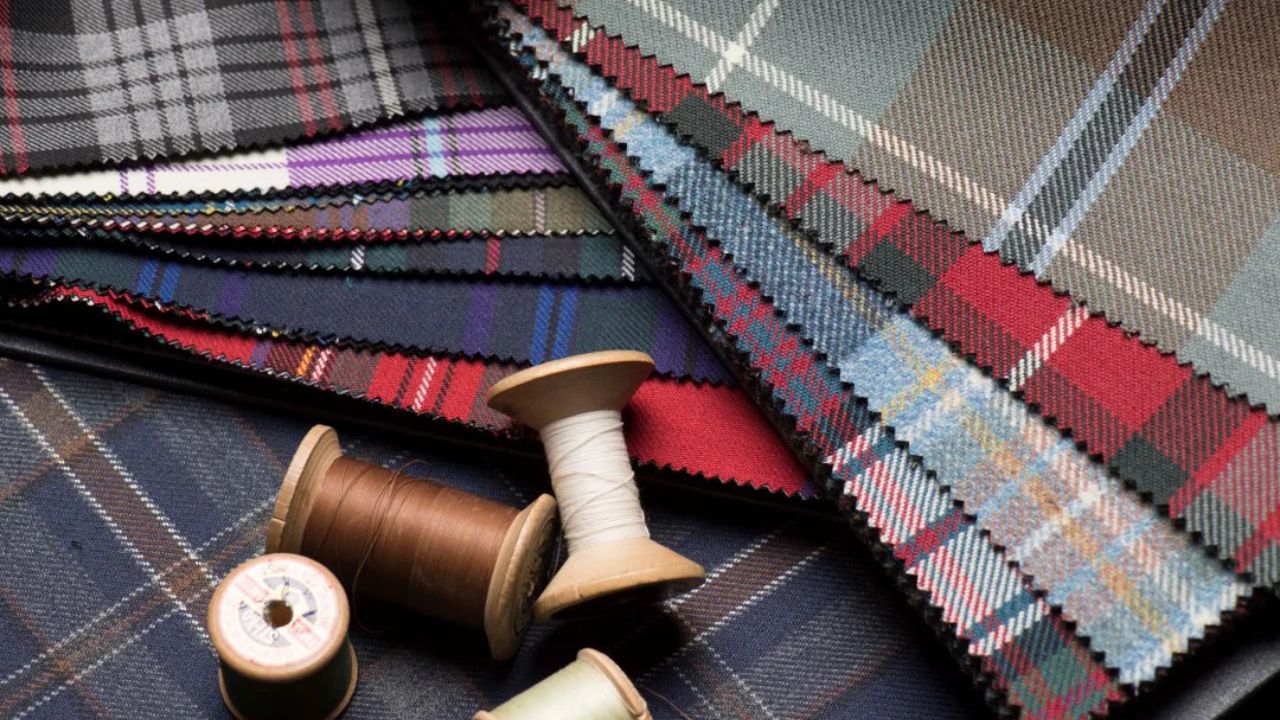
When people think of Scotland, two things often come to mind: tartan and whisky. While tartan (see what is tartan) is worn with pride, whisky is savoured as Scotland’s most famous export. Known worldwide as “Scotch,” this spirit carries centuries of tradition, scientific precision, and cultural storytelling much like the Irish love for tales.
Whisky is more than a drink; it is history in a glass, an echo of the land, water, and craft that shape it. But how does grain transform into such a rich and complex spirit? Let’s take a guided tour through the stages of Scottish whisky production.
Step 1: Malting – Awakening the Grain
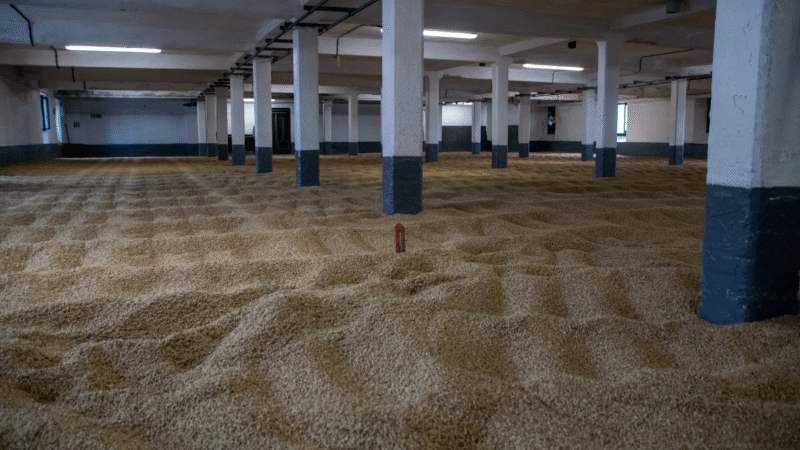
The journey begins with barley, Scotland’s chosen grain. The barley is soaked in water until it begins to sprout, releasing enzymes needed for fermentation. This process, called malting, has been refined for centuries and is often still performed in traditional malting floors.
Step 2: Mashing – Extracting the Sugars
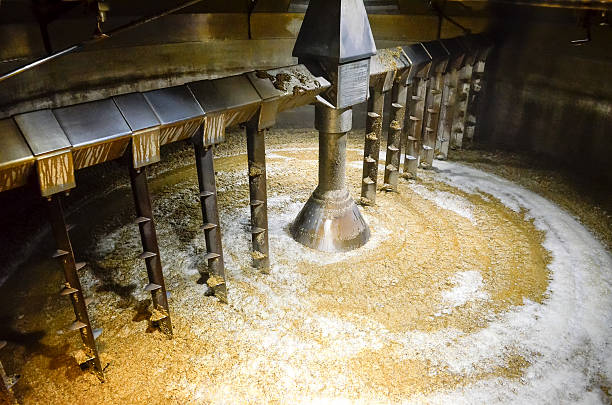
After drying, the malted barley is ground into a coarse flour known as “grist.” It’s then mixed with hot water in a large vessel called a mash tun. The heat draws out natural sugars, creating a sweet liquid called wort, which is essential for fermentation.
Step 3: Fermentation – The Birth of Alcohol
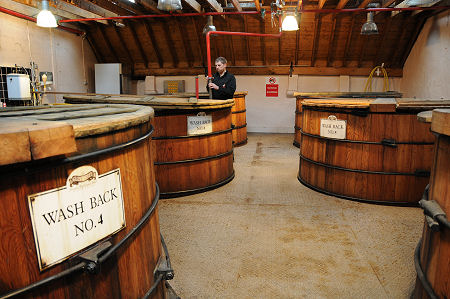
The wort is cooled and transferred into huge wooden or steel washbacks. Here, yeast is added, and fermentation begins. Over two to three days, the yeast consumes sugars and produces alcohol, along with complex flavour compounds that make every whisky unique.
Step 4: Distillation – The Art of the Still
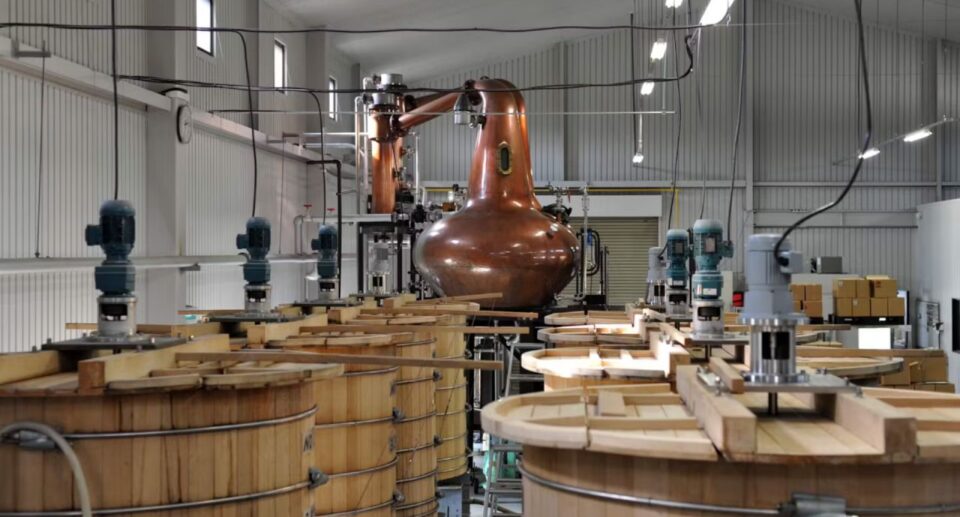
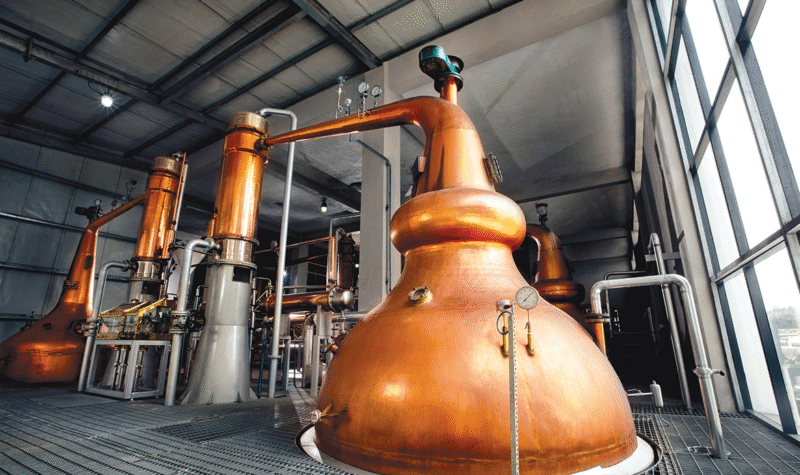
Distillation is where science meets artistry. The fermented liquid, called “wash,” is heated in copper pot stills. Alcohol vapours rise, condense, and are collected. Most Scotch whiskies are distilled twice, though some distilleries practice triple distillation for smoother results.
Step 5: Maturation – Time, Oak, and Patience
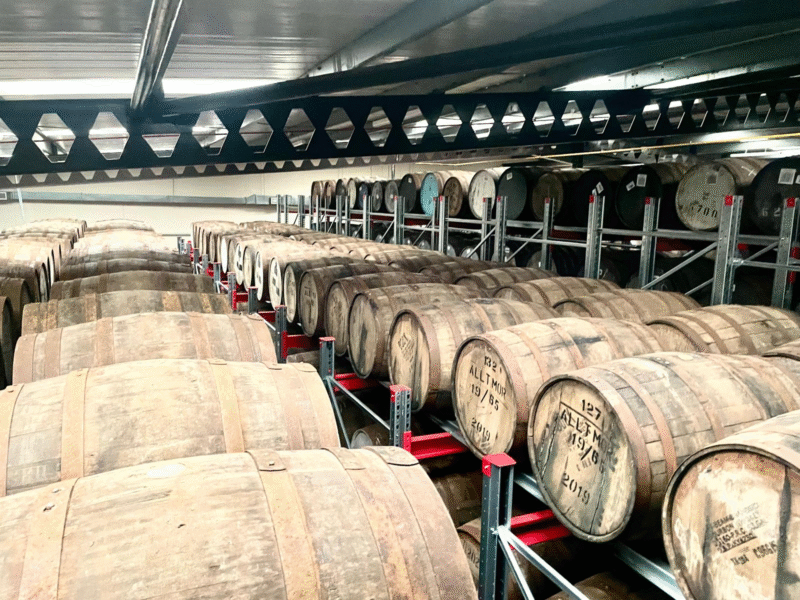
The clear spirit, known as new make whisky, is transferred into oak casks. By law, it must mature for at least three years in Scotland, though many whiskies rest much longer. During this time, the wood imparts flavours of vanilla, spice, and smoke, creating the complexity that Scotch is celebrated for.
Regional Styles of Scottish Whisky
Scotland is divided into whisky-producing regions, each with its distinct character:
- Highlands – bold, robust, and often peaty (see Is Loch Lomond in the Highlands?)
- Speyside – elegant and fruity
- Islay – smoky and intense
- Lowlands – light and floral
- Campbeltown – briny and full-bodied
Each sip is, in essence, a journey through Scotland’s landscapes, much like exploring its islands and glens.
Whisky and Scottish Identity
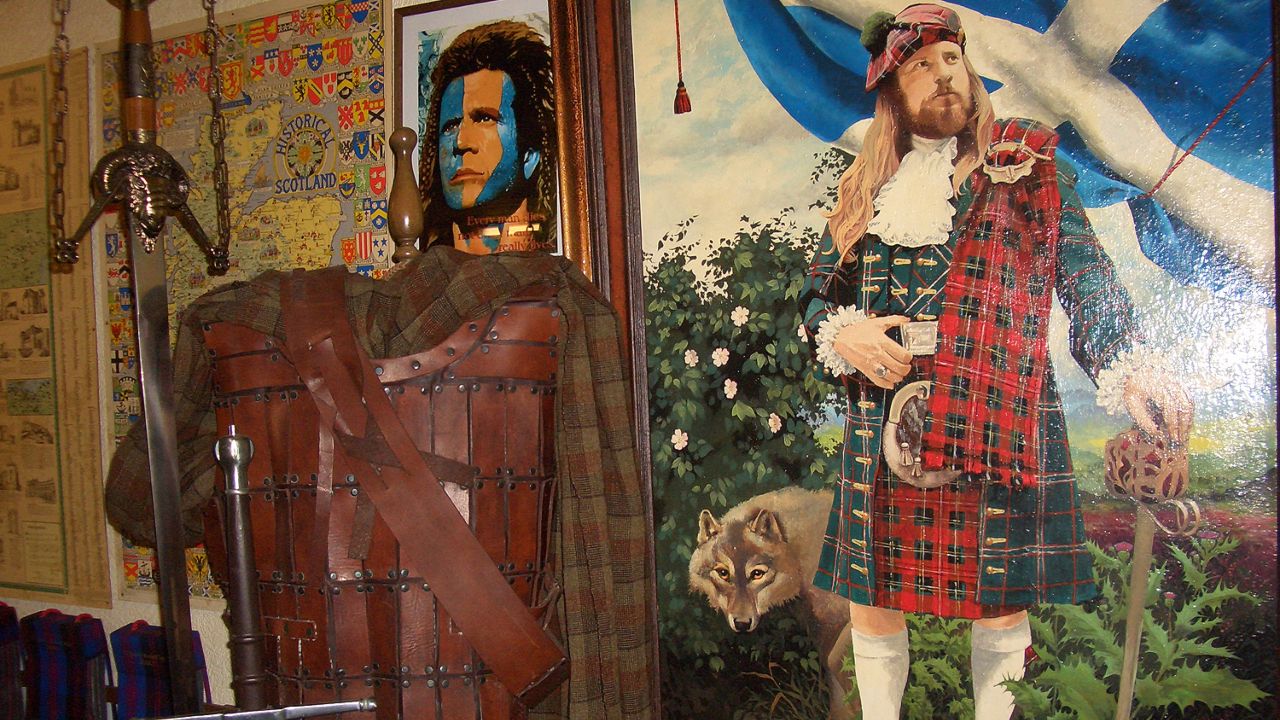
Just as kilts in movies have become symbols of Scotland abroad, whisky represents both tradition and national pride. Its production reflects values deeply woven into Scottish culture: craftsmanship, patience, and reverence for nature.
Whisky also plays a role in gatherings, from Highland celebrations (see events to watch in Highland Games 2025) to intimate ceilidhs filled with music and dance.
Conclusion: A Heritage Distilled
Scottish whisky production is more than a process, it is a cultural heritage distilled over centuries. From malting floors to maturation warehouses, every step reflects Scotland’s connection to land, history, and identity. Whether enjoyed neat or with a splash of water, each dram carries the spirit of Scotland itself.
For more explorations of Celtic traditions, browse our Celtic culture and traditions section.