Scottish Wattle and Daub Houses: A Look Back in Time

When you imagine old Scotland, your mind might jump to stone cottages, misty glens, and tartan kilts. But centuries before stone took over, another style of home shaped Scottish communities; the wattle and daub house. These humble dwellings, made from little more than wood, earth, and human ingenuity, tell a fascinating story of survival, craftsmanship, and culture.
What is Wattle and Daub?
“Wattle and daub” describes a building method that has been around for over 6,000 years.
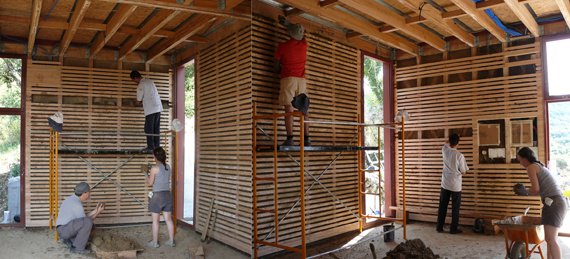
- Wattle refers to the woven wooden framework, thin branches, usually willow or hazel, bent and tied into a lattice.
- Daub is the weatherproof coating made of clay, mud, straw, and sometimes animal dung, pressed into the wattle to create solid walls.
In Scotland, this was more than just a construction method, it was a way of life.
A Home in Harmony with the Land
One of the most remarkable things about wattle and daub houses was their use of local, renewable materials. Farmers and crofters could gather everything they needed from the surrounding landscape. This made them affordable, sustainable, and surprisingly warm during harsh Highland winters.
Their design was functional thatch roofs kept rain out, while thick daub walls helped trap heat from the hearth. And because materials were biodegradable, old houses could be dismantled, and the land returned to nature.

From Common Dwellings to Cultural Memory
By the Middle Ages, wattle and daub houses dotted the Scottish countryside. Villages were often clusters of these structures, with smoke curling from peat fires inside.
Over time, however, stone replaced wattle and daub—a change driven by durability, wealth, and evolving architectural tastes. Today, very few original examples survive in Scotland, but archaeological finds give us clues about their size, structure, and daily use.

Craftsmanship and Community
Building a wattle and daub house wasn’t a solitary task—it was a communal effort. Families, neighbors, and skilled craftspeople all contributed:
- Men cut and shaped the wooden framework.
- Women and children helped mix and apply the daub.
- Roofers worked with bundles of heather or straw to thatch the roof.
This collaborative spirit reflected the deep sense of community in traditional Scottish life, something still celebrated in cultural gatherings today, like the Highland Games.

Connection to Wider Celtic Traditions
Interestingly, the wattle and daub technique wasn’t exclusive to Scotland—it appeared across Celtic regions, including Ireland and Wales. Its longevity proves the method’s practicality and adaptability to different climates.
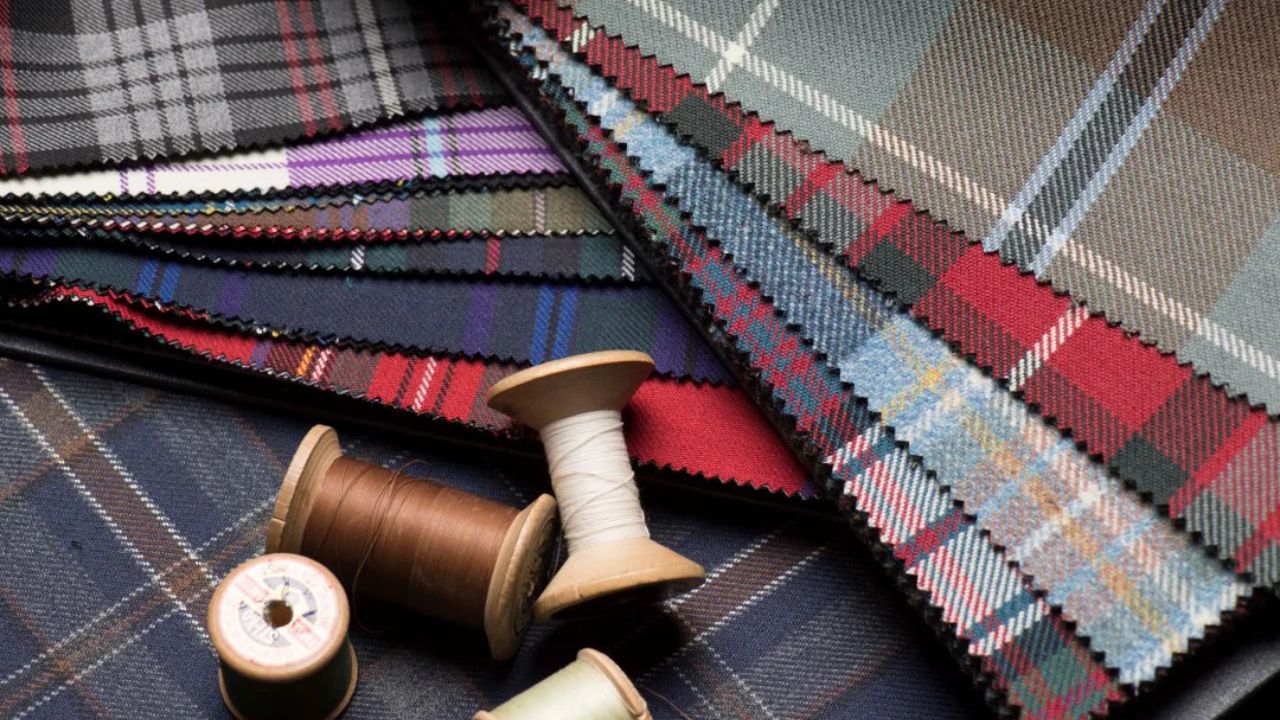
Just as the tartan tells a story of identity, these houses speak of resourcefulness and deep connection to the land.

Why They Matter Today
You might wonder why we should care about a building style largely gone from the landscape. Here’s why:
- They represent sustainable architecture before the term existed.
- They reflect a shared heritage that spans across Celtic nations.
- They offer inspiration for modern eco-building techniques.
As we face global environmental challenges, looking back to methods like wattle and daub might help guide future innovations.
FAQs about Scottish Wattle and Daub Houses
Q: Were wattle and daub houses comfortable?
Yes, when well-maintained, they were surprisingly warm, especially with a central hearth and thick daub walls.
Q: What replaced wattle and daub houses in Scotland?
Over time, stone cottages became more common, offering greater durability and resistance to Scotland’s wet climate.
Q: Can you still build wattle and daub houses today?
Absolutely. Many eco-builders and historical re-enactors use this method for sustainable living projects and educational purposes.
Final Thoughts
The story of Scottish wattle and daub houses is one of ingenuity, community, and adaptation. Though few stand today, their legacy lives on—in archaeological records, reconstructed heritage sites, and the minds of those who value Scotland’s rich architectural past.
For more on Scotland’s traditions and Celtic heritage, explore our Culture & Tradition section.