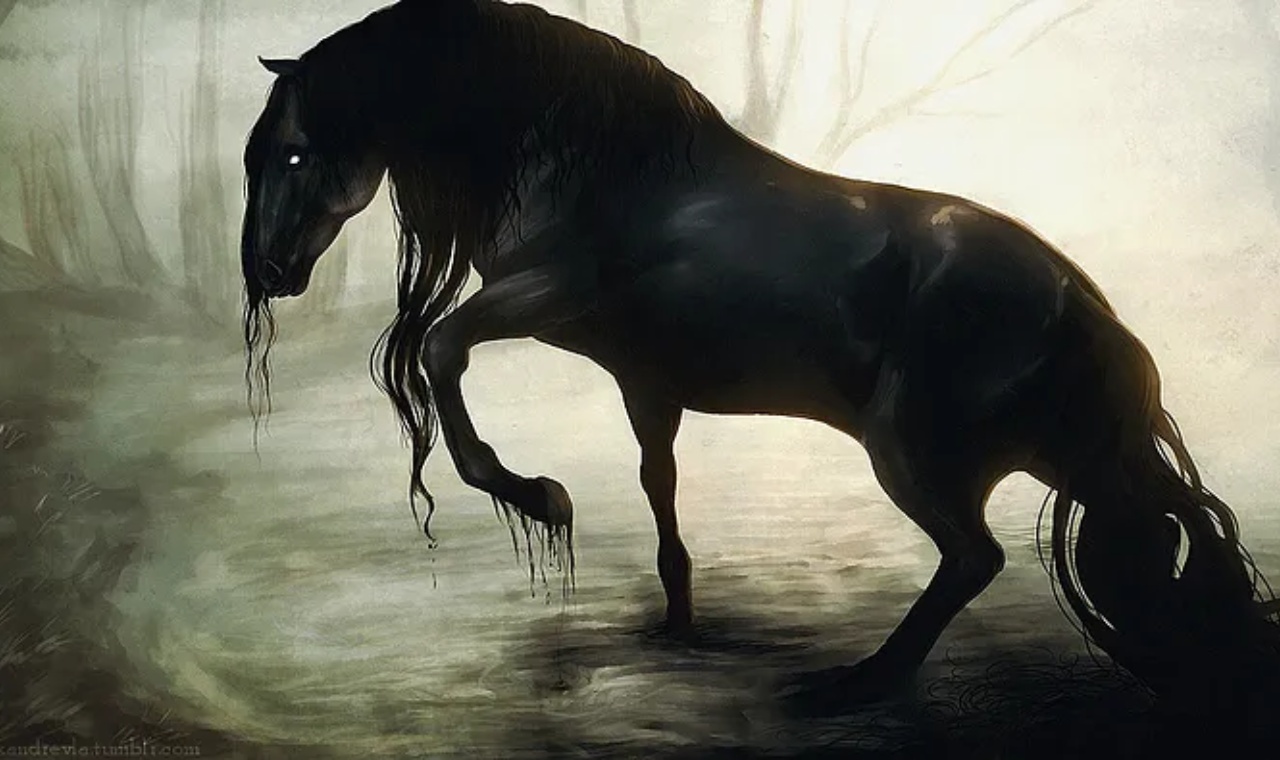
Scottish Trows: Troll-Like Beings of Folklore

Across the windswept isles of Orkney and Shetland, folklore speaks of shadowy figures called Trows. These troll-like beings haunt mounds, hills, and ancient ruins. They blur the line between fairy and monster.
Trows do not belong to children’s tales alone. They reflect how northern communities understood landscape, fear, and survival. Like many Celtic beings, they reveal cultural memory embedded in story.
For more explorations of myth and tradition, visit our main blog archive:
https://celtguide.com/blog/
What Are Scottish Trows?
Scottish Trows are supernatural beings from Orkney and Shetland folklore. They resemble Scandinavian trolls but carry distinct Celtic features.
They live in underground dwellings known as “trowie knowes.”, emerge at night, and avoid sunlight. Many tales describe them as misshapen, small, and dark. Yet some accounts grant them beauty and musical skill.
Their dual nature fascinates scholars. They charm and abduct. They bless and curse. In this tension, we see the complexity of northern belief systems.
Norse Influence and Celtic Identity
The northern isles experienced strong Norse influence. This heritage shaped the Trow tradition. The very word “Trow” likely derives from Old Norse troll.
Yet the beings evolved within Scottish oral culture. They merged with fairy lore found across Celtic lands. In this way, Trows stand at a cultural crossroads.
You can see similar mythic layering in other Celtic traditions, such as the Welsh Otherworld Annwn:
https://celtguide.com/what-is-annwn/
Folklore rarely respects political borders. It travels with people.
Where Do Trows Live?
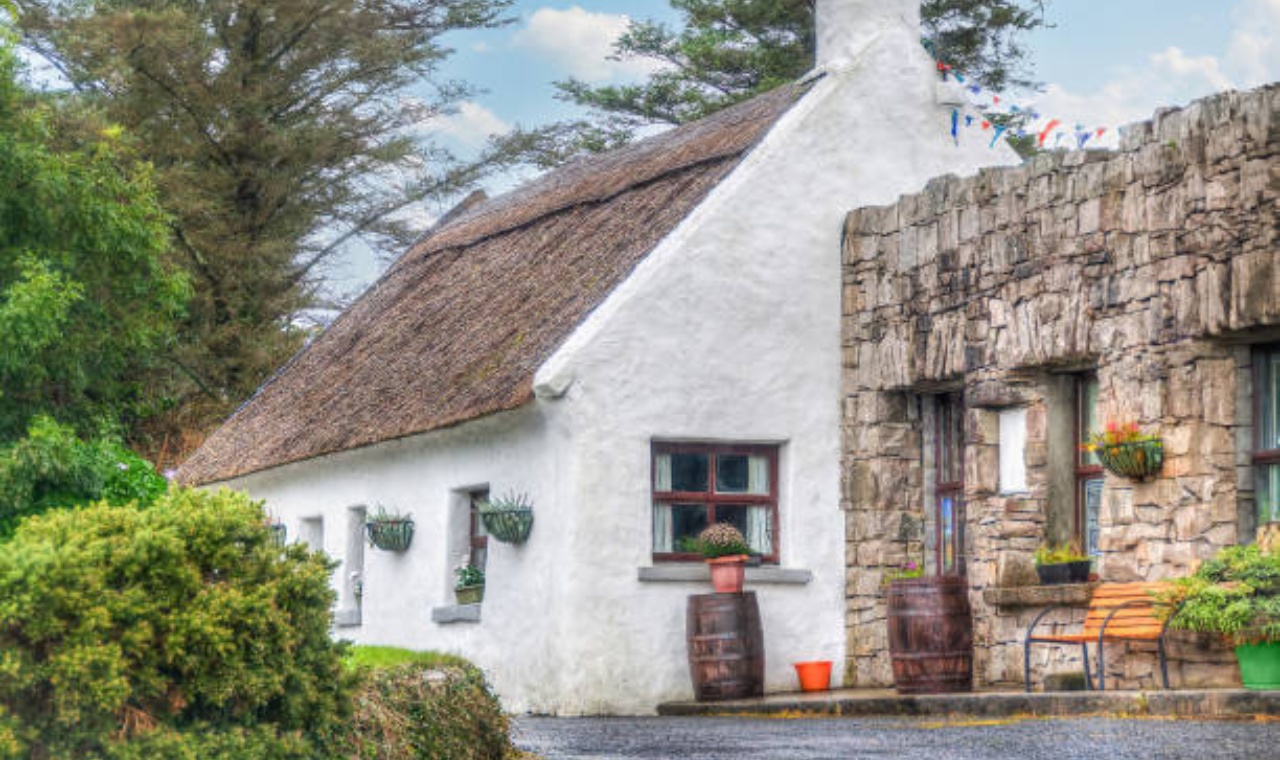
Trows dwell in ancient mounds and barrows. Islanders often associate them with prehistoric sites. These landscapes hold mystery and age.
The connection between folklore and stone structures echoes wider Celtic symbolism. Our article on Celtic stone carvings explores how early communities infused landscape with sacred meaning:
https://celtguide.com/celtic-stone-carvings/
When islanders looked upon ancient ruins, they did not see archaeology. They saw habitation by unseen beings.

Trows and Music
Unlike many European trolls, Scottish Trows often love music. Stories describe them playing haunting melodies inside their mounds. They sometimes lure humans with song.
Music holds deep cultural weight in Celtic societies. From the clarsach harp to fiddle traditions, melody binds community and memory:
https://celtguide.com/what-is-a-clarsach-a-comprehensive-guide-to-the-celtic-harp/
https://celtguide.com/fiddle-music/
In some tales, a captured musician must entertain the Trows. Escape requires wit and courage.
These narratives reveal a powerful theme: art bridges worlds, but it also carries risk.
Trows and Human Encounters
Many stories warn of abduction. Trows steal brides, midwives, or musicians. They demand service. They fear iron and sunlight. Clever humans use these weaknesses to escape.
Such tales resemble broader fairy traditions, including Scottish and Irish accounts of supernatural interference. You may find parallels in our exploration of selkies:
https://celtguide.com/selkies-in-folklore/
Folklore often expresses communal anxiety. Harsh climates and isolation shaped island life. The Trow gave form to those uncertainties.

Are Trows Evil?
Trows do not fit neatly into moral categories. They trick and threaten, yet they also reward kindness. They mirror nature itself; beautiful, dangerous, and unpredictable.
This moral ambiguity appears across Celtic mythology. Consider the Linton Worm, another Scottish legend that blends terror with transformation:
https://celtguide.com/the-linton-worm/
Folklore encourages reflection rather than fear. It invites listeners to act wisely in uncertain terrain.
Why Trow Legends Still Matter
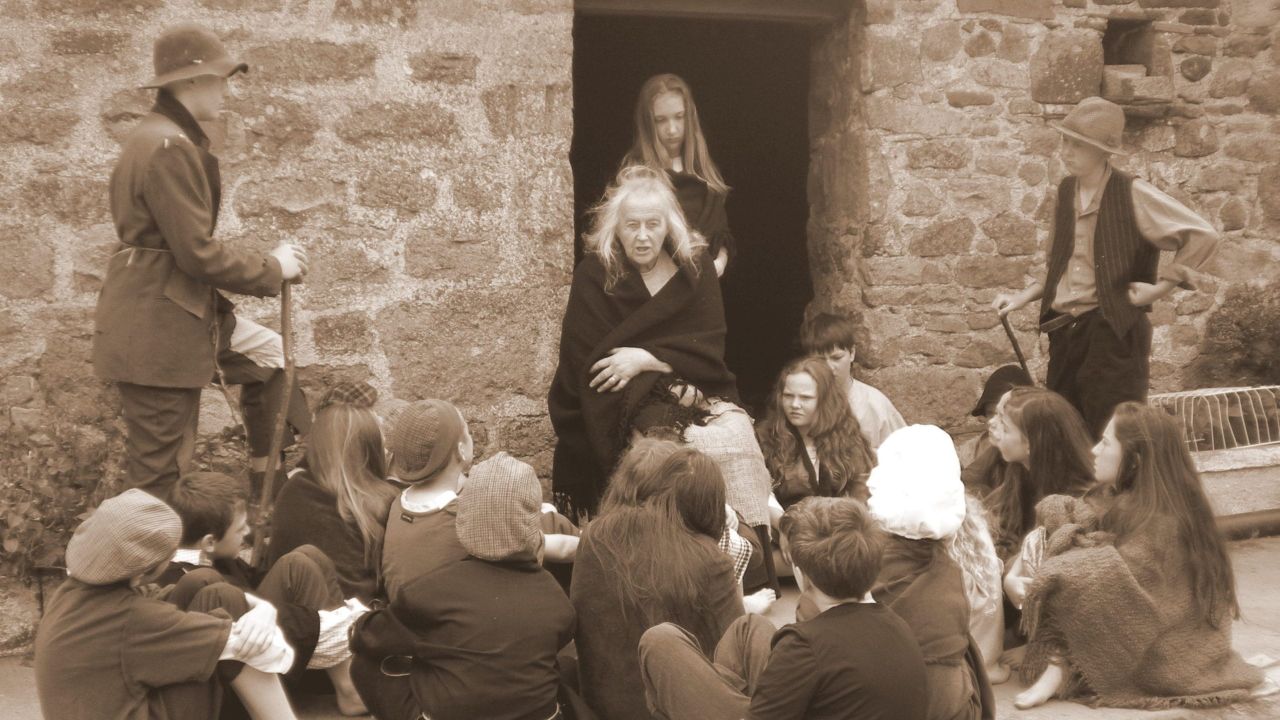
Trow legends endure because they anchor identity. They connect island communities to place and ancestry. They remind us that landscape carries story.
Celtic cultures prize oral tradition. Stories transmit values across generations. We explore this storytelling heritage here:
https://celtguide.com/why-are-irish-people-natural-storytellers/
Today, scholars examine Trows not as superstition but as cultural expression. They reveal how communities interpreted archaeology, darkness, and the unknown.
When you stand on a windswept Orkney hill at dusk, you may feel the pull of that imagination. The mound becomes more than earth. It becomes narrative.
And in that moment, the Trow still lives.
Frequently Asked Questions
What are Scottish Trows?
Scottish Trows are troll-like supernatural beings from Orkney and Shetland folklore. They live in mounds and appear mainly at night.
Are Trows the same as trolls?
They share Norse origins, but Scottish Trows developed distinct traits within Celtic oral tradition.
Where do Trow legends come from?
Trow legends originate in the northern Scottish isles. Norse settlers and Celtic communities shaped the stories together.