
Scottish Traditional Stockings: History & Heritage

Scottish traditional stockings, often called kilt hose today, carry more cultural weight than many people realize. They seem like a small part of Highland dress, but they reflect centuries of adaptation, craftsmanship, and pride. When you picture a full Highland outfit, the stockings frame the entire look, balancing color, texture, and tradition.
To understand how stockings fit into the broader world of tartan clothing, you may enjoy visiting our article What Is Tartan?.
Why Highlanders Wore Stockings in the First Place
The Scottish Highlands are beautiful, but anyone who has walked through heather-covered hills or crossed a cold glen knows how quickly the weather shifts. Stockings protected the legs from wind, bogs, and rough terrain. Highlanders needed warmth and mobility, and wool stockings offered both.
Like many Celtic practices, practicality and identity worked together. This blend of function and symbolism echoes other cultural expressions explored in our guide Why Irish People Are Natural Storytellers.
How Scottish Stockings Developed Through Time
Early Highland stockings came from hand-spun wool. Families knitted them at home, often with patterns passed down through generations. The colours usually matched local dyes—moss green, soft grey, peat brown, and muted blues.
By the 18th and 19th centuries, stockings grew more decorative. Highlanders paired them with garter flashes, and they became a key part of formal dress. Just as tartan prints evolved over the centuries, explored in How Long Has the Tartan Print Been Around?, stockings also gained structure and style.
Stockings and the Highland Kilt: A Perfect Partnership
A kilt outfit looks incomplete without the right stockings. They sit just below the knee and frame the line of the garment. They keep the leg warm, anchor the flashes, and create a classic silhouette.
To understand how the rest of the outfit works, readers often visit guides like How to Measure for a Kilt and Kilts and Scotland’s Weather.
While the kilt takes visual attention, stockings add balance and finesse. They bring harmony to colour choices in clan tartans. They also absorb wear from boots during long walks through Highland landscape, explored more in our travel guide to Is Loch Lomond in the Highlands?.

Types of Scottish Traditional Stockings
Plain Wool Stockings
Soft, warm, and made for daily wear. Highlanders valued them for comfort and durability.
Cable-Knit or Textured Stockings
These add depth and visual interest to the outfit. They often appear in formal wear.
Tartan or Patterned Stockings
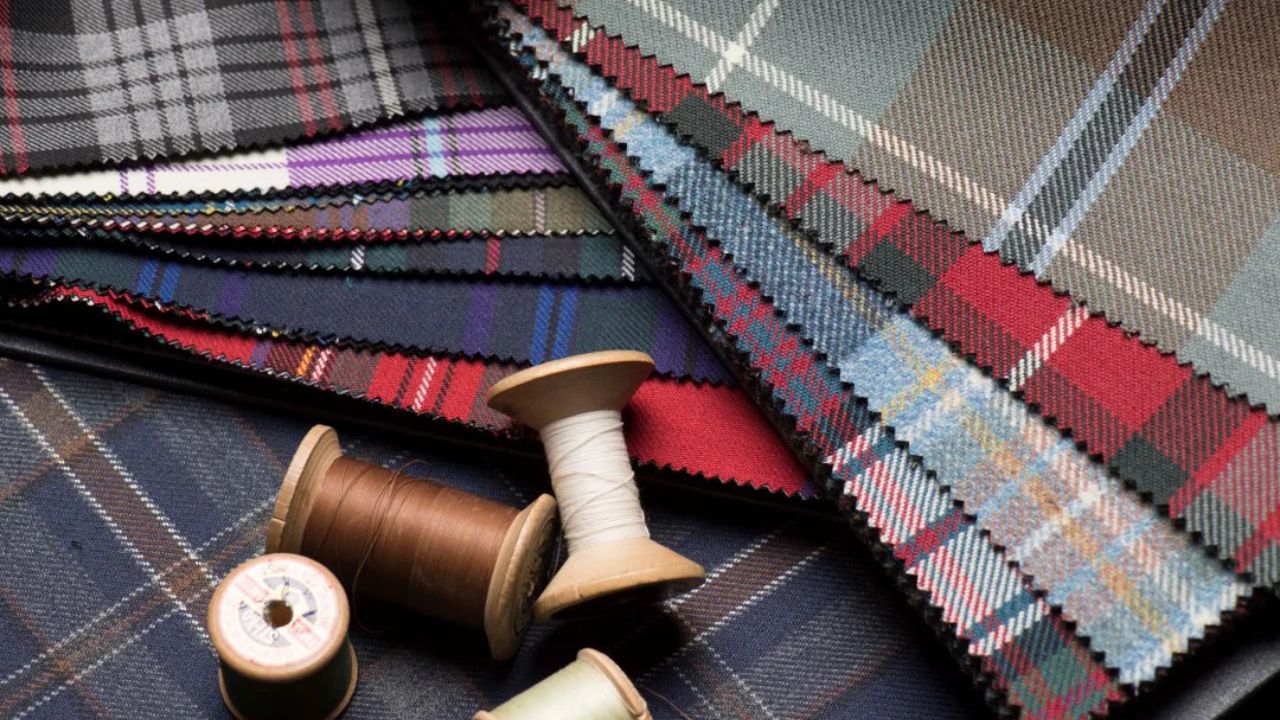
Less common historically but popular in modern events and Highland Games performances.
To see how tartan accessories evolved into beautiful modern pieces, explore our article on Scottish Tartan Shawls.
How to Wear Scottish Traditional Stockings Correctly
Wearing stockings well helps the whole outfit look sharper.
- The top of the stockings should sit just below the knee.
- Garter flashes rest on the outside of the leg.
- The ribbing should stay neat and even.
- The colour should complement the kilt, not overpower it.
If you want more styling guidance, our tutorial How to Wear a Tartan Sash shows how accessories transform the whole look.
Scottish Stockings in Modern Culture
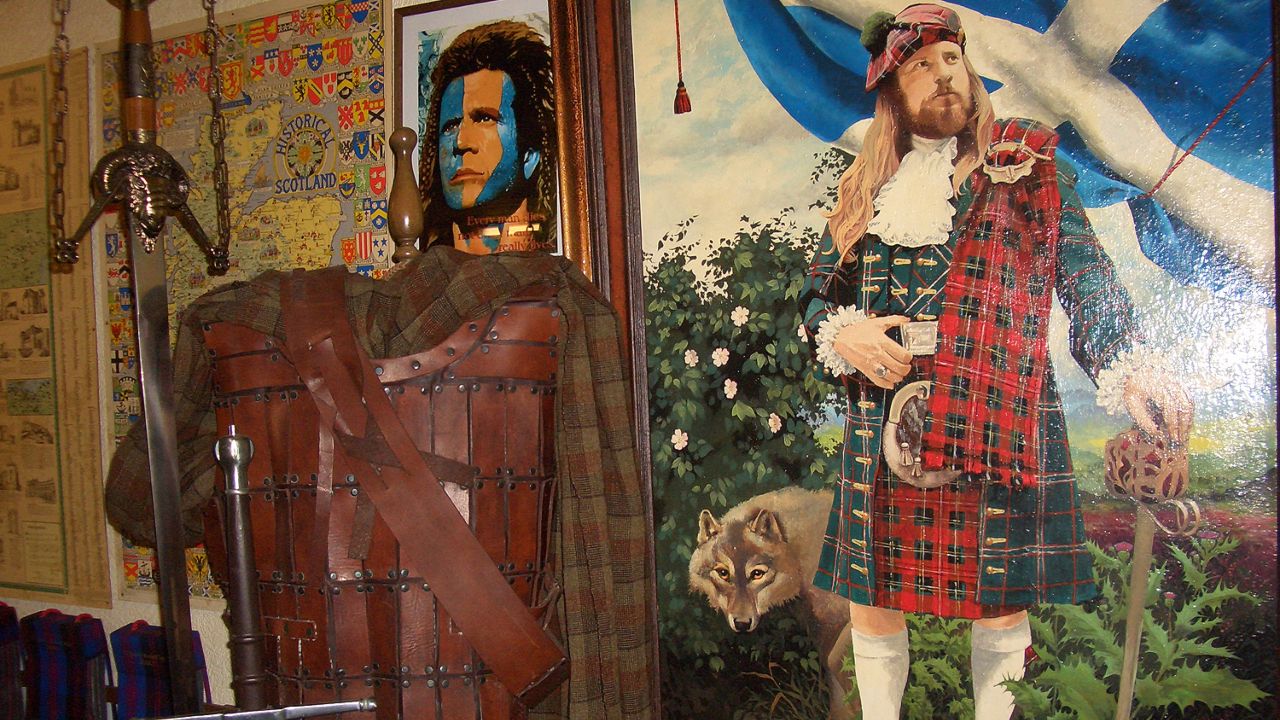
Traditional stockings appear at weddings, ceilidhs, Highland Games, cultural parades, and in film portrayals of Scotland. For example, tartan fashion, including stockings, appears in pop culture stories detailed in Kilts in Movies and Shows.
They also hold cultural meaning at athletic events such as the Highland Games, where competitors perform in full Highland dress.
The stockings remind us that even the smallest parts of an outfit can hold centuries of identity.
From Everyday Garment to Heritage Symbol
What began as a warm, practical wool garment now stands as a symbol of Scottish pride. Stockings helped Highlanders endure harsh landscapes, long marches, and cold weather. Today, they help people connect to ancestry, ceremony, and tradition.
You can continue exploring Scottish and Celtic culture across the full CeltGuide Blog, where clothing, music, landscape, and mythology all weave together, much like the knitted patterns of these historic stockings.