


Scottish Tartan Bows: Heritage Meets Modern Elegance

Few patterns speak of national pride and identity like tartan. From the rugged Highlands to the grand halls of Edinburgh, tartan carries a story of family, courage, and belonging. Among the many ways Scots celebrate this heritage, Scottish tartan bows have emerged as elegant symbols that blend tradition with style.
The Heritage of Tartan
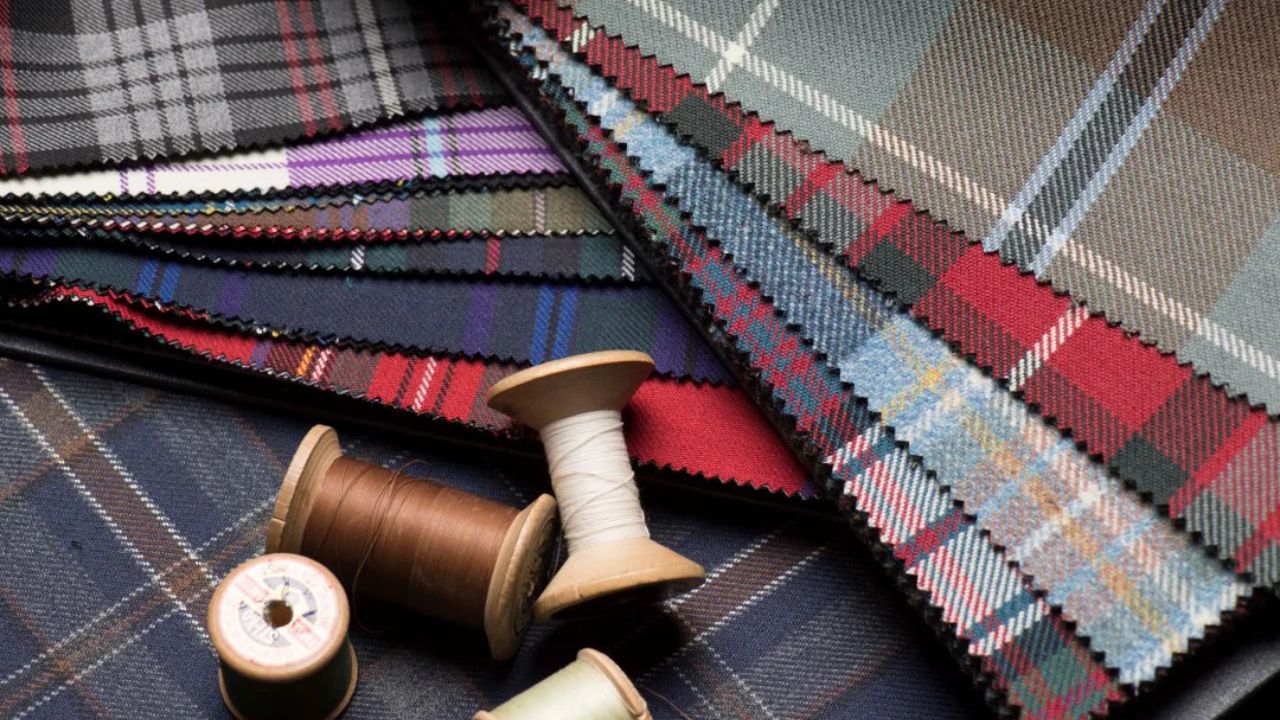
Before delving into bows, it’s worth understanding the fabric that defines them. Tartan represents Scotland’s long-standing clan system, where each pattern known as a “sett”, signifies lineage and loyalty. The colors and weaves vary, creating visual poetry woven in wool.
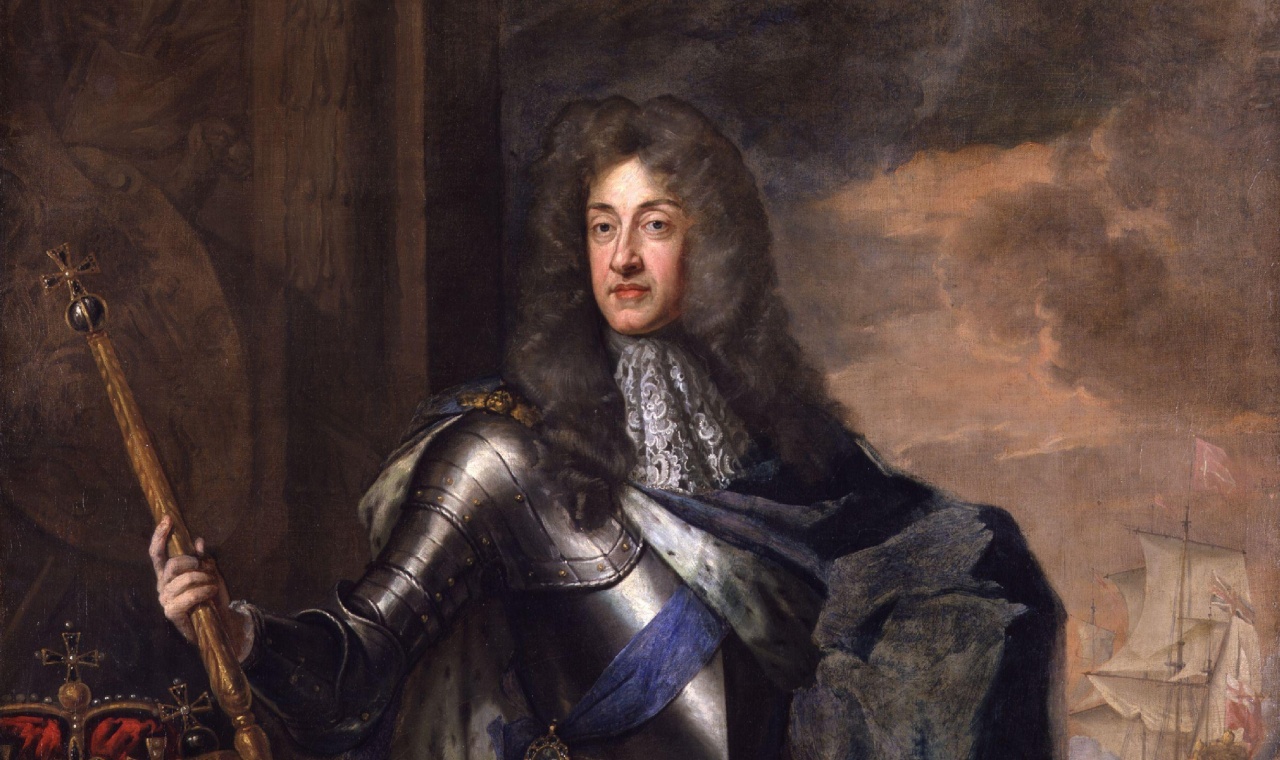
The tradition of tartan stretches back centuries, surviving cultural shifts and even the 18th-century ban that once forbade Highland dress. Yet, as Scotland reclaimed its pride, tartan re-emerged, stronger and more beloved than ever. You can read more about the fabric’s long journey here.
From Battlefields to Boutiques
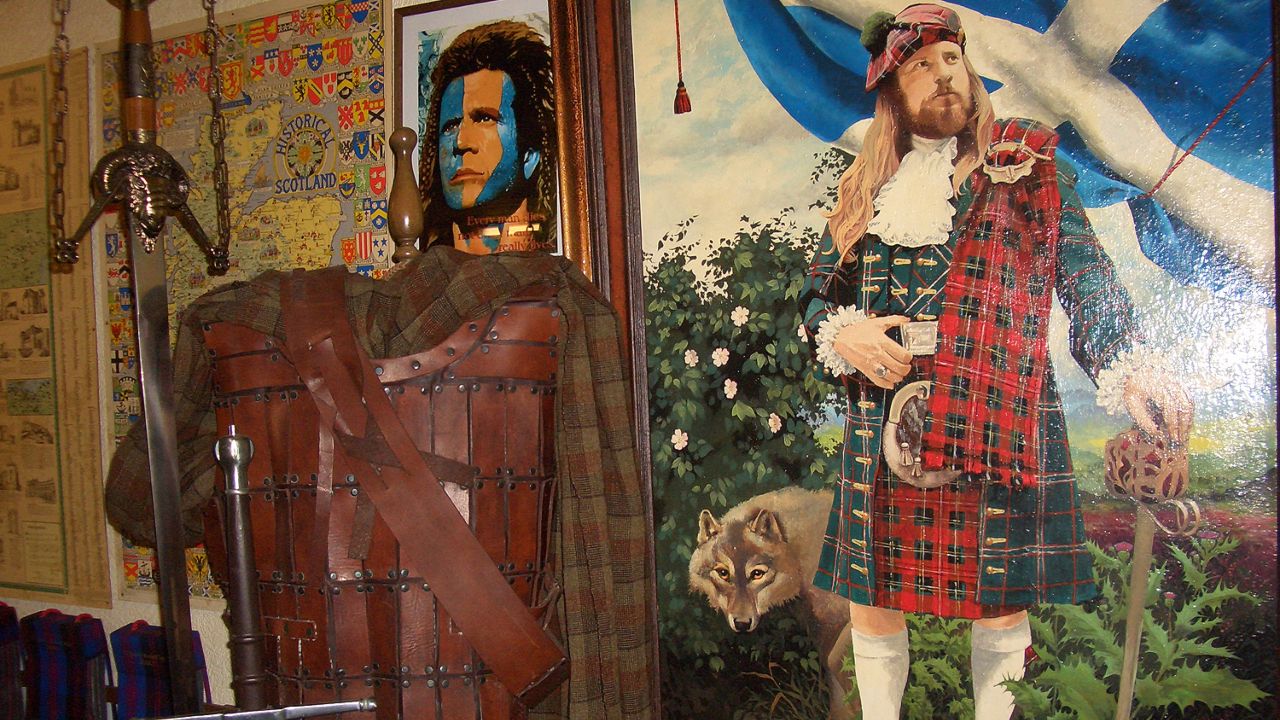
Once part of Highland warriors’ kilts and plaids, tartan has evolved far beyond its martial roots. Today, it graces bows, scarves, and shawls becoming a staple of Scottish-inspired fashion. These bows often adorn lapels, hats, dresses, or even hair, offering subtle ways to honor ancestry.

Fashion enthusiasts can pair tartan bows with contemporary outfits, creating a statement that bridges history and modernity. Similar to Scottish tartan shawls, they bring the warmth of heritage to today’s wardrobe.
Symbolism and Identity
Every tartan bow tells a story. Wearing one isn’t just about aesthetic charm, it’s about connection. The colors might represent a specific Scottish clan, linking wearers to centuries of kinship and pride. Discover more about these families in How Many Scottish Clans?.
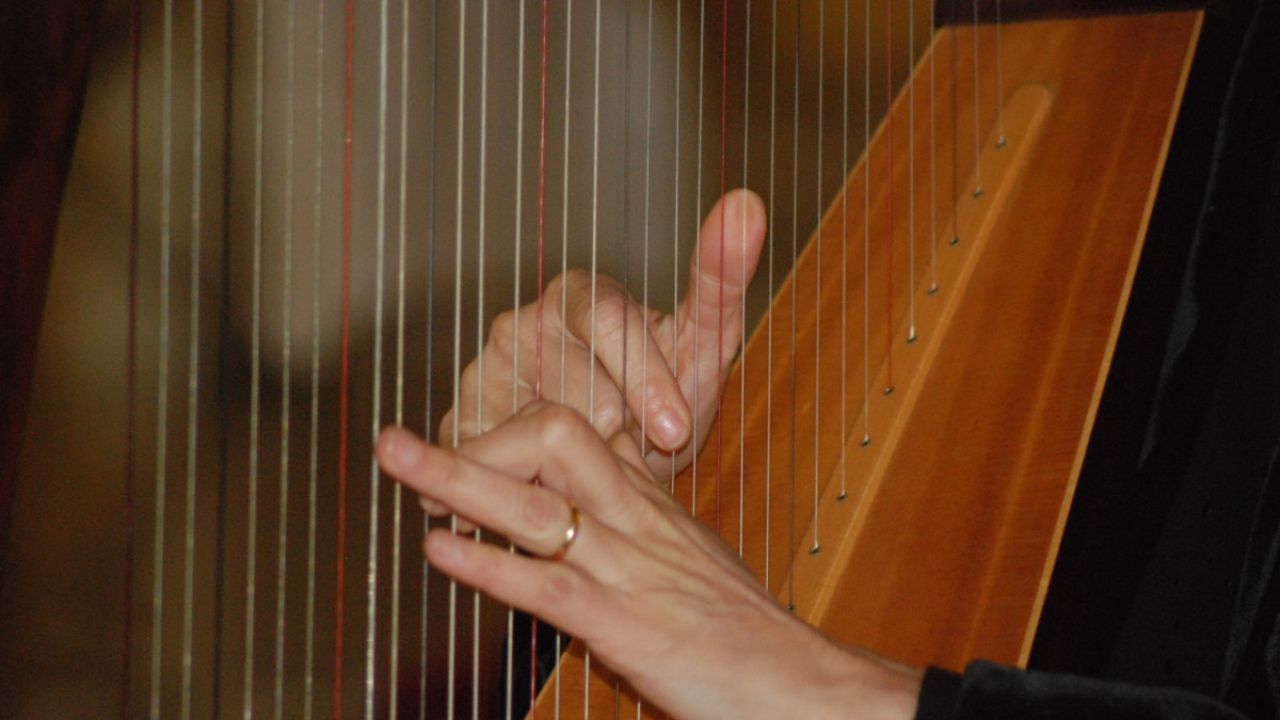
The bow itself, tied with precision, symbolizes unity and continuity. It serves as a reminder that Scottish culture thrives through adaptation, much like how traditional instruments such as the Clarsach harp evolved yet stayed rooted in history.
Craftsmanship Behind the Bow
Each tartan bow reflects Scotland’s artisan tradition. Crafters take care to match the sett pattern perfectly, ensuring that the lines align and honor the authenticity of the fabric. Many artisans still use pure wool woven in the Highlands, preserving age-old methods.

For handmade pieces, this dedication mirrors the spirit seen across other Celtic crafts whether in Celtic stone carvings or in the creation of dirk knives. The focus is not mass production but meaning.
Modern Uses and Occasions
Tartan bows appear in a range of events, from Highland Games and weddings to formal gatherings and everyday fashion. They’re especially popular among Scots abroad who wish to showcase their roots subtly yet stylishly.
At events like the Highland Games 2025, tartan accessories enhance traditional outfits such as kilts and sashes. For those wondering how to pair or wear them, our guide on how to wear a tartan sash provides useful inspiration.
Why Tartan Bows Endure
What makes Scottish tartan bows timeless is their balance of history and grace. They carry whispers of the Highlands, the echo of bagpipes, and the pride of clans who stood resilient through centuries. More than fabric and form, they represent a living culture—woven, tied, and celebrated anew each day.

Explore More Scottish Heritage
For readers drawn to Scotland’s deep cultural threads, explore more stories on CeltGuide’s blog. From the Tam O’Shanter hat to Irish storytelling traditions, every article reveals how the Celtic past continues to shape today’s art, fashion, and identity.