Scottish Sword Dancing: History, Meaning, and Tradition

Scottish Sword Dancing remains one of the most powerful expressions of Highland culture. It combines rhythm, discipline, and symbolism into a performance that reflects centuries of tradition. Far from simple entertainment, the dance carries memories of clan warfare, ritual practice, and communal identity.
As a cultural historian trained in Scotland, I often describe sword dancing as embodied history. Every controlled step reflects a past shaped by survival, honor, and collective memory.
What Is Scottish Sword Dancing?
Scottish Sword Dancing, commonly known as the Highland Sword Dance, involves precise footwork performed around two crossed swords placed on the ground. The dancer must never touch the blades. Historically, a mistake symbolized bad fortune in battle.
The best-known version, Ghillie Callum, appears in historical accounts linked to pre-battle rituals. Warriors tested balance and focus before combat. Today, the dance features prominently at Highland Games and formal competitions.
Modern celebrations of this tradition continue at cultural gatherings such as those highlighted in Highland Games events.
Ancient Roots and Martial Symbolism
Sword dancing developed within a deeply martial society. Highland clans valued agility, awareness, and restraint. The crossed swords symbolized danger under control rather than violence unleashed.

Unlike many European war dances, Scottish sword dancing avoided dramatic combat gestures. The dancer demonstrated mastery over space, not aggression. This symbolic restraint echoes broader Celtic traditions, similar to the meaning-driven designs found in Celtic stone carvings.
The dance served as both preparation and prayer.
Music That Guides the Blade
Music shapes every movement in sword dancing. Traditional bagpipe tunes set a firm tempo that demands precision. The dancer responds to rhythm rather than melody, keeping each step exact and grounded.

Historically, pipers played martial marches designed for controlled movement. In some modern contexts, fiddle music also supports Highland dance traditions, linking sword dancing to broader Celtic soundscapes such as those explored in Scottish fiddle music.
The relationship between dancer and musician remains essential.
Dress, Tartan, and Visual Identity
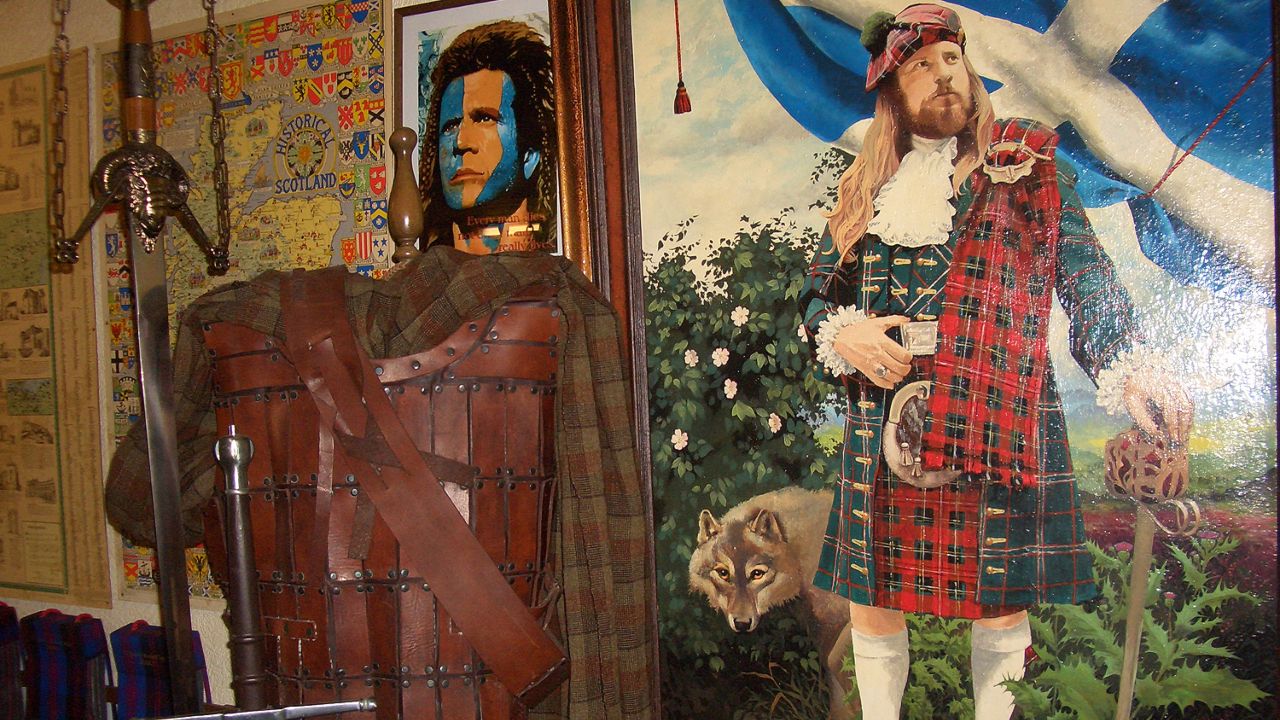
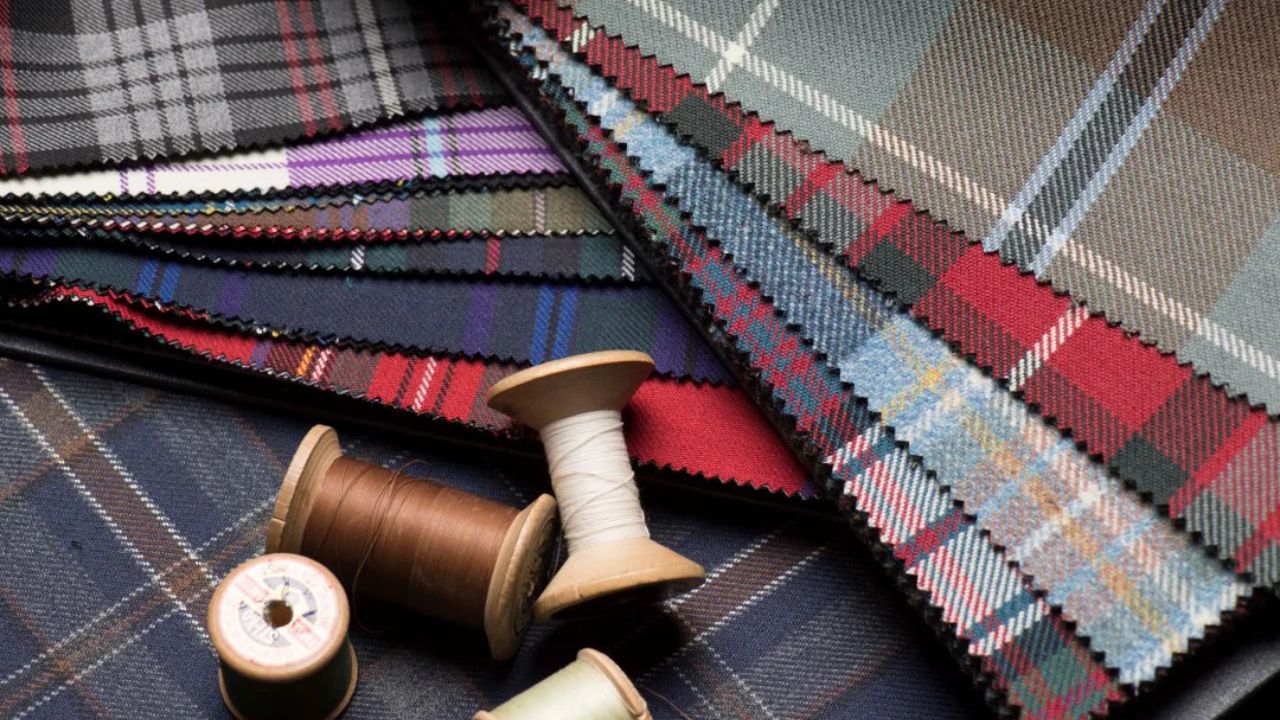
Traditional Highland dress forms an important part of sword dancing. Dancers wear kilts, jackets, and flashes that reflect clan heritage. Tartan serves as a visual language, not mere decoration.

Understanding what tartan is and how it developed over time helps decode this symbolism. Clan identity, lineage, and regional pride all appear through fabric and color.
The dancer’s appearance reinforces the historical weight of the performance.
Rules, Precision, and Competitive Dance
Modern sword dancing follows strict competitive standards. Judges assess timing, posture, accuracy, and blade avoidance. Even slight misplacement of the foot results in penalties.
This formal structure preserves authenticity. It prevents the dance from becoming theatrical spectacle alone. Like the organization of Scottish clans, explored in discussions of how many Scottish clans exist, order sustains tradition.
Precision ensures continuity.
Sword Dancing in Contemporary Scotland
Today, Scottish Sword Dancing thrives both at home and abroad. Dance schools teach it to children across Scotland and within diaspora communities worldwide. Tourism also plays a role, especially in Highland regions such as those associated with Loch Lomond and the Highlands.
Despite global exposure, the dance retains its cultural core.
Why Scottish Sword Dancing Still Matters
Scottish Sword Dancing survives because it balances discipline with expression. It transforms martial history into cultural memory. The dance does not glorify war. Instead, it honors control, awareness, and respect for tradition.
Like many Celtic practices, it reminds us that history lives best when it moves.