

Scottish Riding Coats: Heritage and Style in Motion

When you picture a rider galloping across the Scottish Highlands, you can almost feel the chill in the air and the weight of tradition wrapped around them. The Scottish riding coat, a symbol of rugged practicality and quiet elegance has long been a staple of Highland life. Worn by nobles, hunters, and shepherds alike, these coats reflect Scotland’s mastery of form and function.
A Glimpse into History
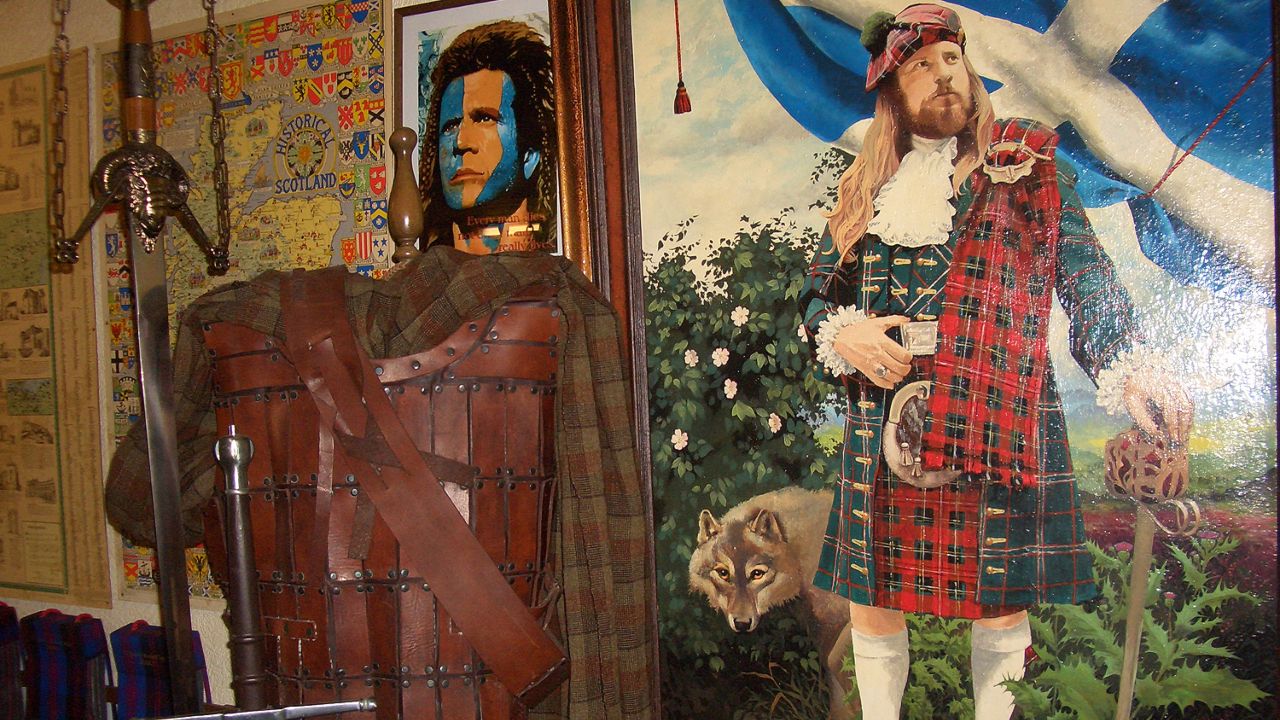
Scottish riding coats trace their origins back to the early 18th century, when travel through wild and unpredictable terrain demanded protection against wind and rain. The design was inspired by both military and rural attire—long, durable, and made from tightly woven wool. Many coats bore resemblance to the greatcoats of Scottish soldiers, designed to provide warmth without restricting movement.
Over time, these coats became more refined, evolving into garments of status and fashion. They often featured tailored waists, full skirts, and caped shoulders, elements that made them suitable for both horseback riding and social gatherings.
Craftsmanship and Fabric Tradition
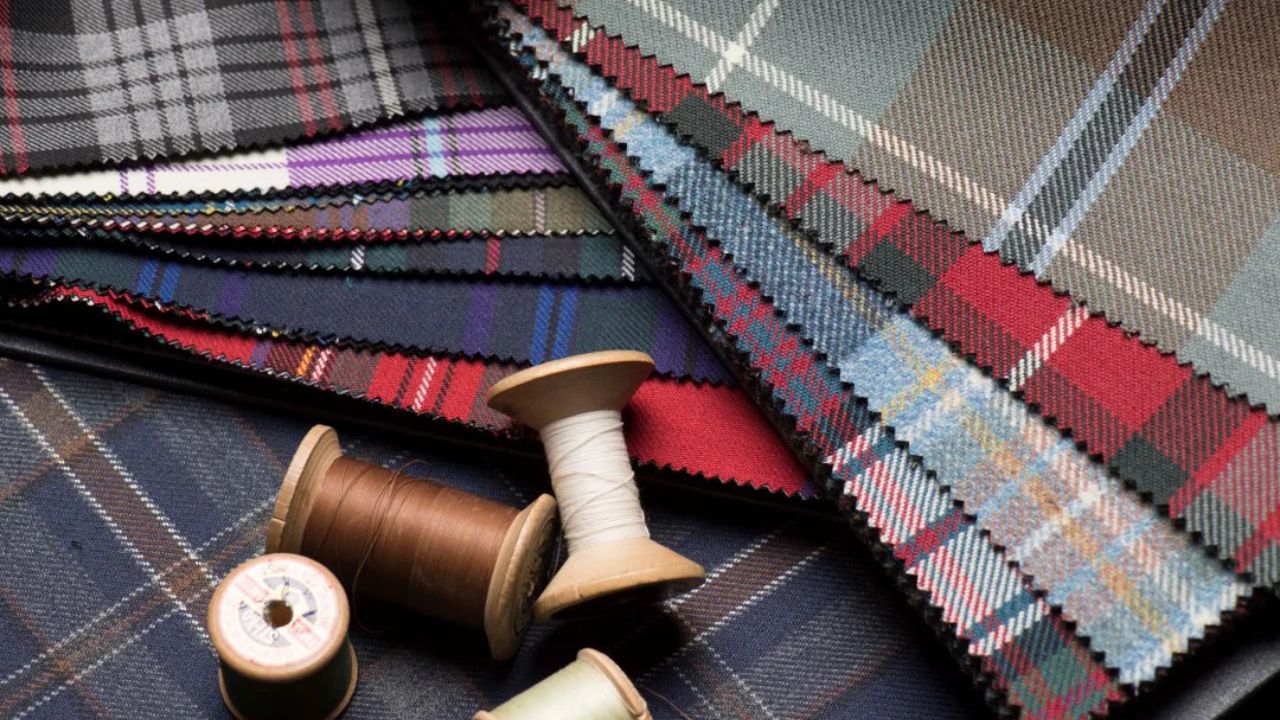
The artistry behind a Scottish riding coat lies in its material. Wool, sourced from native Scottish sheep, remains the heart of its construction. Its natural insulation and water resistance make it perfect for the damp Highland weather. Some coats incorporate tartan patterns, connecting the garment to clan identity and Scottish pride.
Classic colors like earthy browns, deep greens, and muted plaids echo the landscape itself. The weaving methods often passed down through generations, mirror the heritage of Scotland’s textile traditions, also seen in Scottish Tartan Shawls and other Highland garments.

Function Meets Style
A true Scottish riding coat isn’t just about appearance, it’s about resilience. Its design allows riders to stay warm while moving freely. The flared skirt of the coat drapes gracefully over the horse, while the double-breasted front shields the body from biting winds. Many designs include capes or shoulder flaps that channel rain away, a clever adaptation to Scotland’s wet climate.
Modern versions blend these traditional features with subtle elegance. They pair beautifully with kilts, boots, or tailored trousers, reflecting a timeless connection between practicality and refined style.
For those curious about how Scotland’s distinctive weather has influenced its attire, our piece on Kilts and Weather in Scotland offers an intriguing perspective.
Riding Coats in Highland Heritage
Beyond their function, riding coats hold deep cultural meaning. In Highland society, clothing was often an expression of identity and pride. A well-crafted coat indicated craftsmanship, social status, and belonging. Even today, these garments appear at Highland Games and formal events, linking wearers to centuries of tradition.
As seen in the enduring love for Scottish clans and tartan heritage, fashion in Scotland is never just about aesthetics—it’s about roots, memory, and continuity.
A Modern Revival
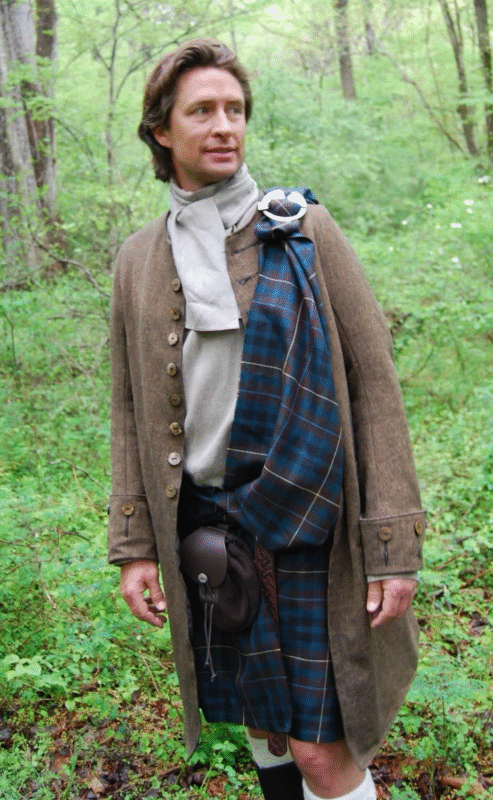
Today, Scottish riding coats have found new admirers worldwide. Designers reinterpret their structure using sustainable wool, eco-friendly dyes, and tailored silhouettes. This modern revival celebrates Scotland’s past while adapting to contemporary fashion sensibilities.
Whether worn in the countryside or the city, a riding coat carries the essence of Scottish grace—enduring, adaptable, and quietly powerful.
To explore how traditional attire continues to influence modern Scottish fashion, visit our Art & Fashion section on CeltGuide.
The Timeless Appeal
The Scottish riding coat is more than just an outer garment, it’s a story woven into wool. It tells of riders braving mist-covered hills, of weavers preserving heritage through every stitch, and of Scotland’s eternal dance between beauty and endurance.
Like the Tam O’Shanter hat or the kilt, it endures as a proud emblem of identity, one that balances elegance with purpose.