

Scottish Pipes and Drums: Heartbeat of Celtic Heritage

Few elements of Scottish culture are as instantly recognizable as the sound of bagpipes accompanied by the deep rhythms of drums. Scottish pipes and drums are not just musical instruments—they are the living voice of Scotland, echoing centuries of history, ceremony, and community.
The tradition connects the past with the present, much like the oral storytelling heritage of Ireland, which keeps legends alive across generations. Learn more about Irish storytelling here.
Origins of the Scottish Pipes
The Scottish Highland bagpipe, known as the Great Highland Bagpipe, has roots that extend deep into Celtic history. Early references appear in the medieval period, though some evidence suggests that similar instruments were used in Scotland as far back as the 13th century.
The bagpipe’s distinctive sound comes from air supplied by a bag, controlled by arm pressure, which then passes through reeds in the chanter and drones. This setup allows a continuous, haunting melody that has become synonymous with Scottish identity.
Role of Drums in Scottish Music
Drums complement the bagpipes, providing rhythm, structure, and ceremonial gravitas. Snare drums, tenor drums, and bass drums each play unique roles in pipe bands:
- Snare Drums: Offer sharp, precise rhythms that drive the music forward.
- Tenor Drums: Add melodic resonance and visual flair through swinging techniques.
- Bass Drums: Provide a deep foundation that unites the ensemble.
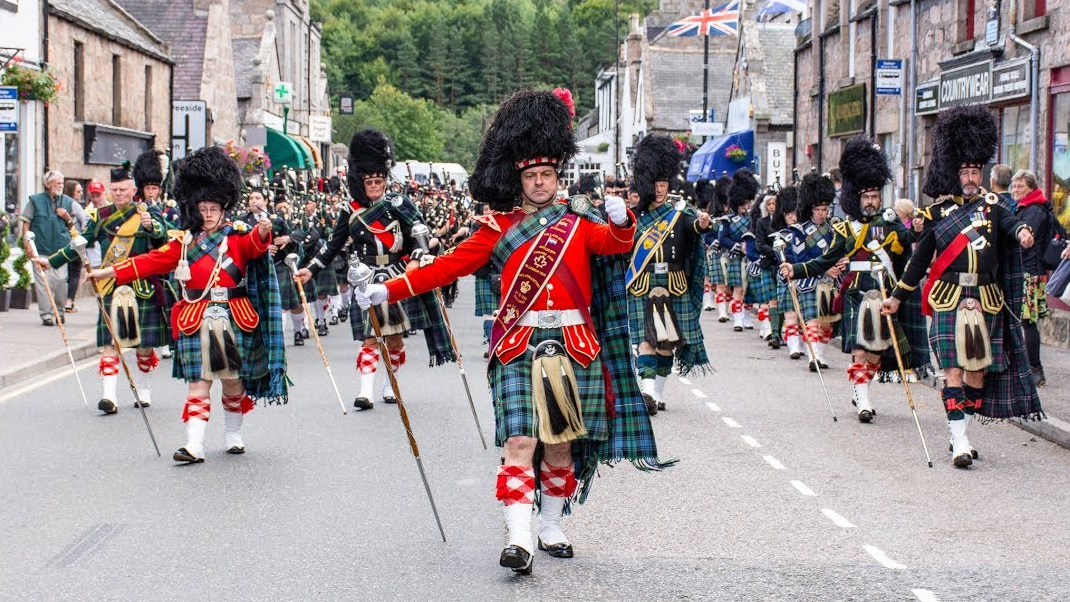
Together, pipes and drums create a layered, immersive sound that commands attention during parades, ceremonies, and competitions.
Ceremonial and Cultural Significance
Scottish pipes and drums are integral to both historical and modern life:
- Military Tradition: Bagpipes were used in battle to inspire troops and signal commands. For instance, regiments like the Scots Guards relied on pipers to boost morale and coordinate maneuvers.
- Festivals and Highland Games: Pipe bands animate Highland Games, festivals, and cultural celebrations, linking spectators with Scotland’s heritage. For more on Highland Games, see Highland Games 2025.
- Funerals and Memorials: The somber tones of pipes honor the deceased, reflecting a tradition of remembrance and respect.
The combination of ceremonial function and musical artistry ensures that Scottish pipes and drums remain a living tradition rather than a relic of the past.
Modern Pipe Bands
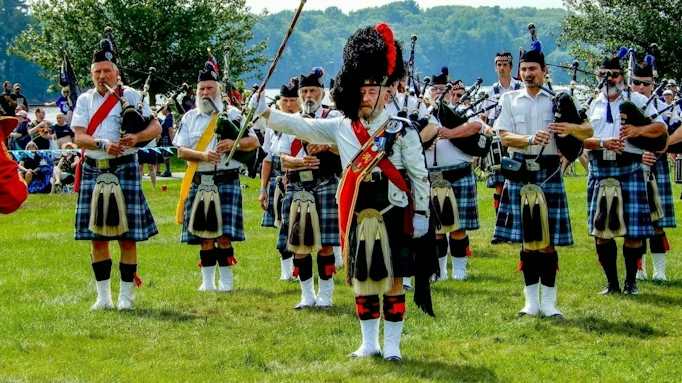
Today, pipe bands flourish worldwide, from Scotland to North America and beyond. Modern ensembles preserve traditional techniques while incorporating innovative arrangements, showing that Scottish music evolves without losing its roots.
Schools and community bands nurture young musicians, ensuring that bagpipe and drum mastery continues through generations. These bands act as custodians of heritage, connecting players to their ancestry while engaging global audiences.
Learning to Play
Mastering the pipes and drums requires dedication. Bagpipe students learn finger technique, breath control, and musical notation, while drummers develop timing, precision, and coordination. Many instructors emphasize not just skill, but understanding the cultural context of the music.
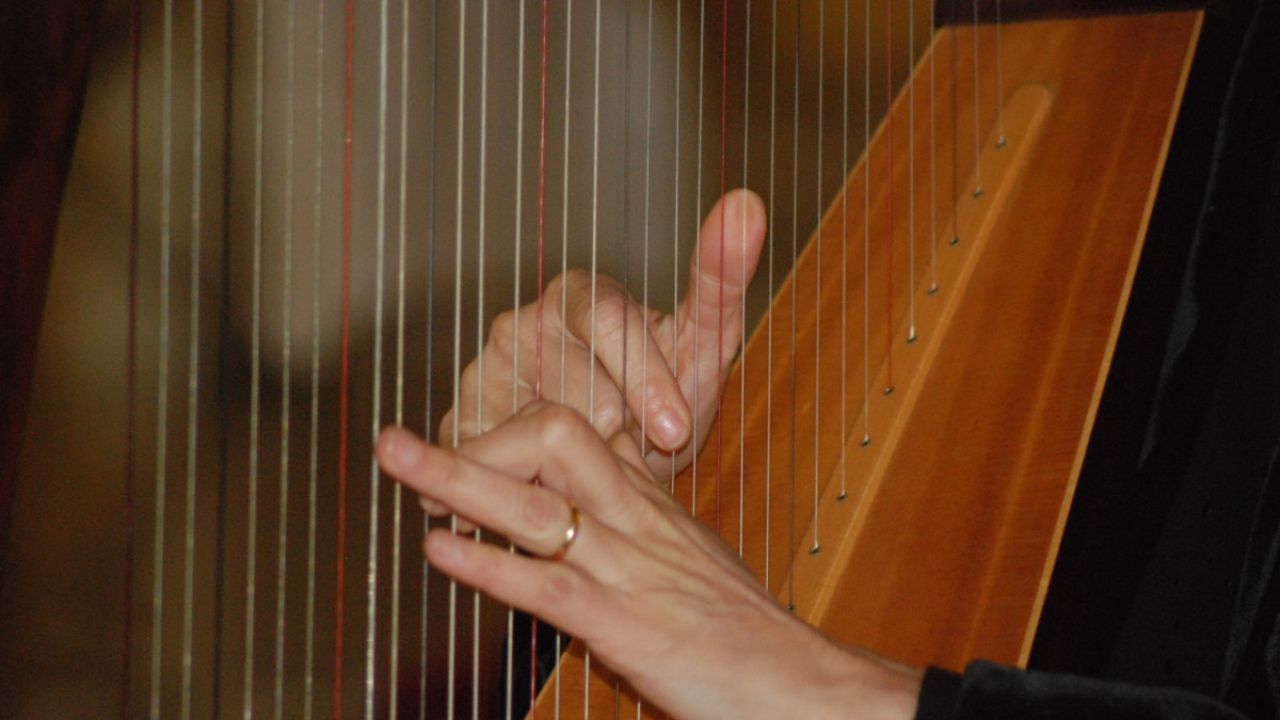
This mirrors how other Celtic instruments, like the clarsach, are taught—not simply for performance, but as living embodiments of culture.
Conclusion
Scottish pipes and drums are more than instruments—they are a voice, a memory, and a celebration of identity. They bridge generations, marking milestones from birth to battle, festival to funeral. In every note and beat, they carry Scotland’s story forward, ensuring that the pulse of Celtic heritage resonates through time.
Understanding pipes and drums offers insight not just into music, but into the heart of Scotland itself—a land where history, ritual, and artistry converge in every haunting melody and resounding drumbeat.