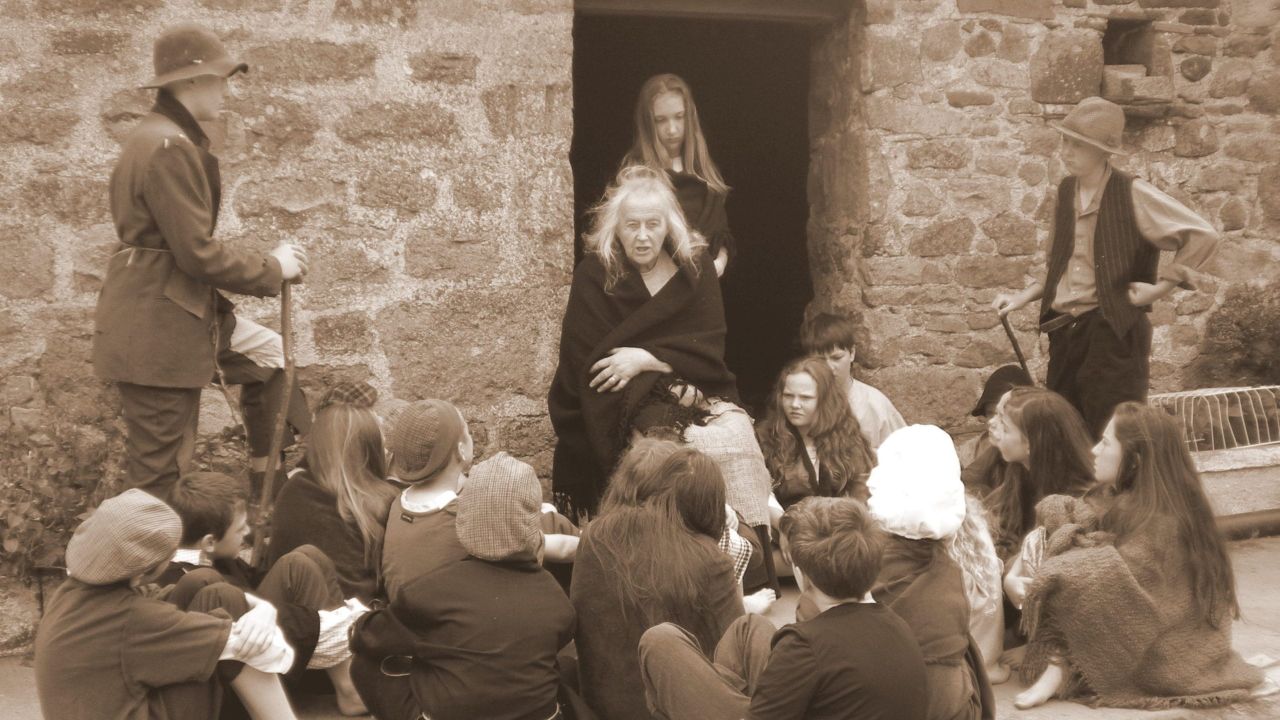
Scottish Highlander Curses and Hexes: Folklore, Fear, and Belief

In the Scottish Highlands, words once carried immense power. A spoken curse could wound reputation, fortune, or spirit. Highlander curses and hexes emerged from a world where language, land, and belief intertwined.
These curses did not function as casual insults. They acted as moral weapons. Communities feared them because they reflected collective belief rather than individual malice.
What Were Highlander Curses and Hexes?
Highlander curses took many forms. Some appeared as spoken maledictions. Others emerged through ritual actions or symbolic gestures. Unlike later literary depictions, these curses rarely involved elaborate spellwork.
A curse often relied on social memory. When spoken publicly, it carried the weight of communal judgment. This belief aligns with the strong oral traditions of Celtic societies, discussed in reflections on why Irish people are natural storytellers.
Words shaped reality in the Highland imagination.
The Cultural Roots of Cursing in the Highlands
Highland curses grew from a worldview where the natural and spiritual worlds overlapped. Mountains, wells, and stones held power. Humans did not dominate these forces. They negotiated with them.

This outlook connects with older Celtic belief systems visible in Celtic stone carvings. Symbols, rather than texts, carried authority. A curse worked because people believed the land listened.
Highland folklore never separated magic from daily life.
Curses, Clans, and Social Control
Curses also functioned as tools of social regulation. In tight-knit clan systems, public shaming held real consequences. A curse could isolate a wrongdoer or warn others.
Understanding how many Scottish clans existed helps explain why reputation mattered so deeply. Clan survival depended on cooperation. Curses reinforced boundaries when formal law felt distant.
Fear of being cursed often prevented conflict.
Famous Motifs in Highland Cursing Traditions
Certain themes appear repeatedly in Highland curses. Loss of livestock ranked among the most feared outcomes. Crofting communities relied on animals for survival, as seen in historical discussions of crofters’ lives.

Other curses invoked exile, madness, or wandering spirits. These ideas reflect anxieties about separation from land and kin. Many stories placed cursed individuals outside human society.
The curse punished through displacement.
Christianity and the Transformation of Curses
With Christianity’s spread, Highland cursing traditions adapted rather than vanished. Biblical language merged with older expressions. Curses sometimes invoked divine justice instead of pagan forces.

This blending appears in early religious texts and traditions explored through Scottish Gaelic Bible translations. Ministers often condemned cursing publicly, yet belief persisted quietly.
Old fears learned new names.
Objects, Gestures, and Protective Measures
Not all Highland magic focused on harm. Communities also used protective practices to counter curses. Amulets, charms, and ritual gestures offered defense.
Some relied on iron objects or blades, echoing the symbolic authority of tools like the dirk knife. Others turned to natural symbols such as oak, a sacred tree discussed in Celtic oak traditions.
Protection mattered as much as punishment.
Curses in Folklore and Storytelling
Highlander curses live on through stories. Folklore preserves them as moral lessons rather than literal threats. Legends often depict curses unfolding slowly, shaped by fate rather than sudden disaster.
This narrative approach connects with broader Celtic storytelling traditions and mythic tales such as the legend of the Fairy Glen or cautionary creatures found in folklore like selkies.
Stories soften fear while preserving meaning.
Why Highlander Curses Still Matter
Scottish Highlander curses and hexes reveal how belief shapes behavior. They reflect a society that valued words, land, and memory. These traditions remind us that folklore once governed real lives.
Today, they survive as cultural heritage. They warn, teach, and fascinate. In the Highlands, even silence once spoke loudly.