
Scottish Embroidered Kilt Belts: Where Craftsmanship Meets Highland Pride

Few accessories express Scottish pride as beautifully as an embroidered kilt belt. More than a functional item, it’s a statement piece uniting heritage, symbolism, and personal style. Each stitch tells a story rooted in centuries of craftsmanship, echoing the artistry found throughout Scotland’s cultural traditions.
The Heart of Highland Dress
In traditional Highland attire, the kilt belt serves both purpose and elegance. It secures the kilt at the waist, enhancing posture and balance while adding a layer of distinction. When embroidery enters the picture, that simple belt transforms into an heirloom.
Scottish embroidered belts often feature intricate Celtic knots, clan crests, or thistle motifs, designs that connect wearers to ancestral pride. These patterns, much like the designs seen in Celtic Stone Carvings, reflect Scotland’s long-standing love for symbolic art.
Embroidery Through the Ages
Embroidery in Scotland has deep roots. It was once a cherished domestic craft taught within families, passed down like stories beside the hearth. By the 18th and 19th centuries, embroidered garments, especially kilt accessories became marks of status and identity.
Each region developed unique motifs inspired by nature—the curling leaves of the oak, the swirl of waves, or the proud bloom of the thistle. You can trace this connection between art and environment in our piece on the Celtic Oak Tree, which explores nature’s influence on Celtic symbolism.

Design and Symbolism
Every embroidered kilt belt carries meaning. The Celtic knot, endlessly looping, represents eternity and interconnectedness. The thistle stands for resilience, a quality that defines the Scottish spirit. And clan emblems express belonging and loyalty to one’s lineage.
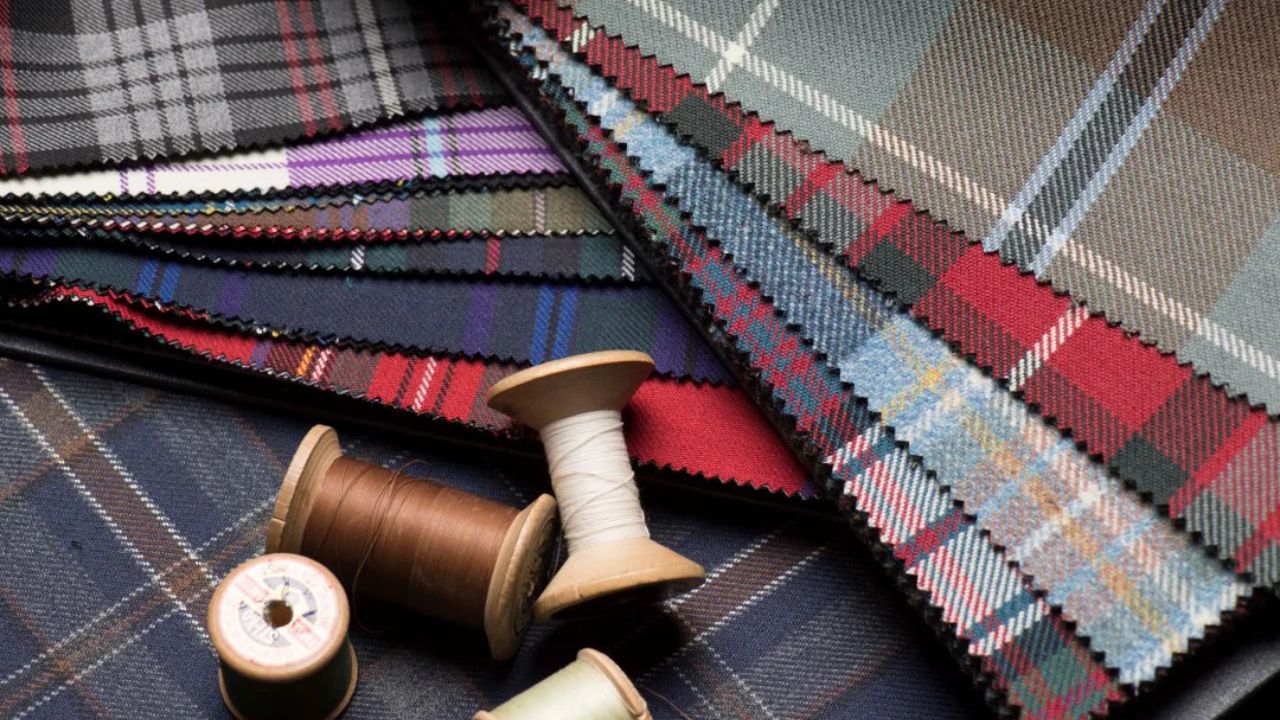
These symbols are not arbitrary; they reflect the same cultural logic seen in tartan design. Just as tartan patterns vary by clan, embroidery can personalize a belt to represent heritage. Explore more about tartan history in What Is Tartan? or trace its evolution in How Long Has the Tartan Print Been Around?.

Modern Embroidery Meets Tradition
Today’s artisans blend old and new techniques. Many use hand-stitching alongside digital embroidery machines to maintain precision while preserving the soulful touch of craftsmanship. The result? Belts that are strong, refined, and beautifully personal.
Embroidered kilt belts often pair with matching sporrans or buckles, completing a Highland outfit worn at weddings, festivals, and Highland Games events. Each piece celebrates cultural continuity, a reminder that Scottish fashion has never gone out of style, only evolved.

A Living Tradition
To own embroidered kilt belts is to wear a piece of history. It’s an emblem of identity, proudly bridging past and present. Whether you’re tracing clan roots or simply admiring Celtic art, this accessory tells a story as rich as Scotland’s own landscape, from the misty glens to the vibrant ceilidh halls.
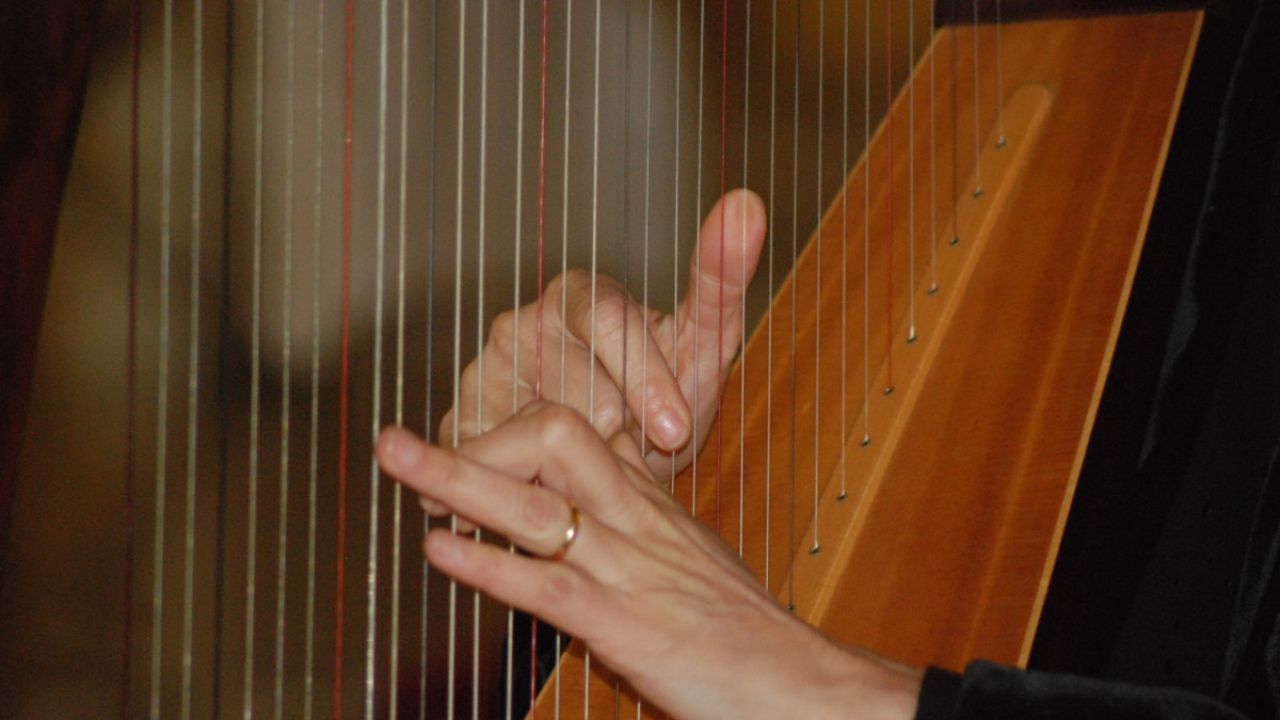
Much like the melodies of the Bodhrán Drum or the spirit of the Clarsach, embroidery captures rhythm and meaning in physical form. Each design hums with history, ensuring that every belt worn keeps the heartbeat of Highland culture alive.
For more insights into traditional fashion and Celtic artistry, explore our Fashion and Style section on CeltGuide.