
Scottish Clansmen’s Robes: History, Style & Meaning

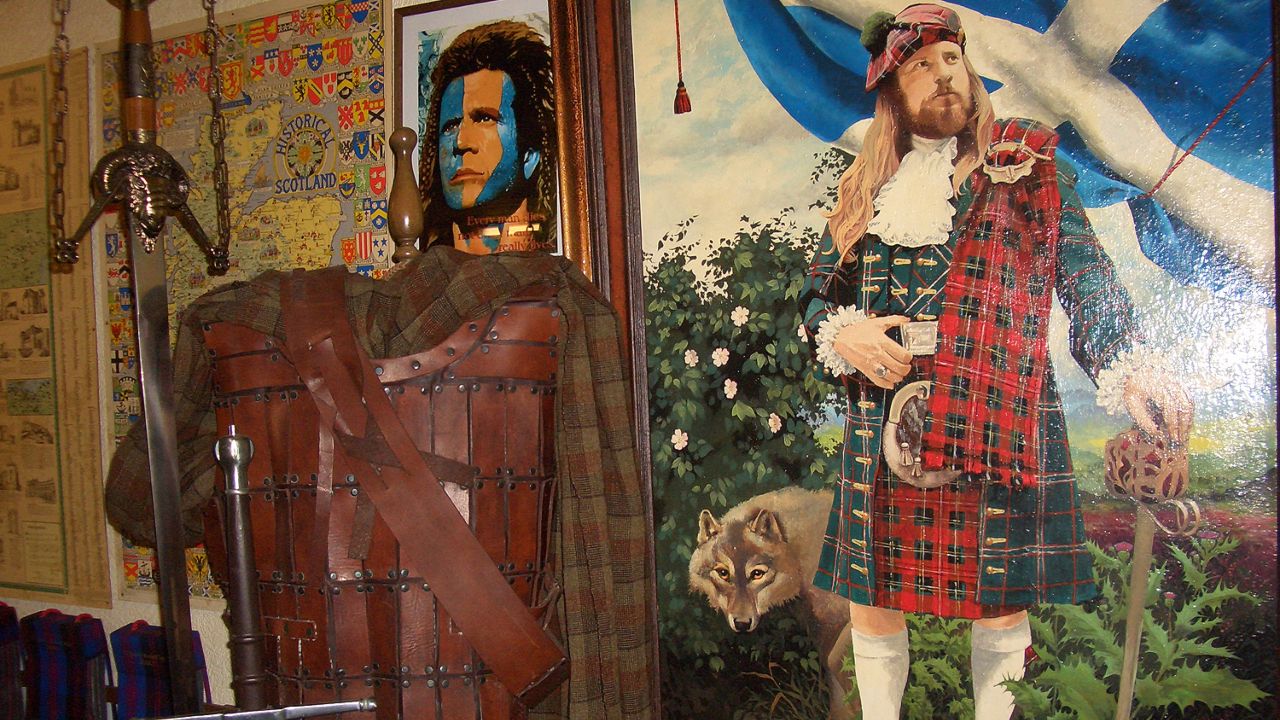
When you hear the word Scotland, you might instantly picture misty glens, ancient clans, and proud Highlanders wrapped in bold, colourful tartans. The robes of Scottish clansmen are far more than pieces of cloth. They are storytelling garments — markers of identity, loyalty, and centuries-old traditions that still breathe in modern Scotland.
In this guide, we’ll take you through the evolution, symbolism, and cultural importance of clansmen’s robes, grounding the story in both historical insight and lived experience. If you enjoy exploring Scottish heritage, you may also love our articles on How Many Scottish Clans Exist and What Is Tartan?.
Origins: Clothing as a Clan Language
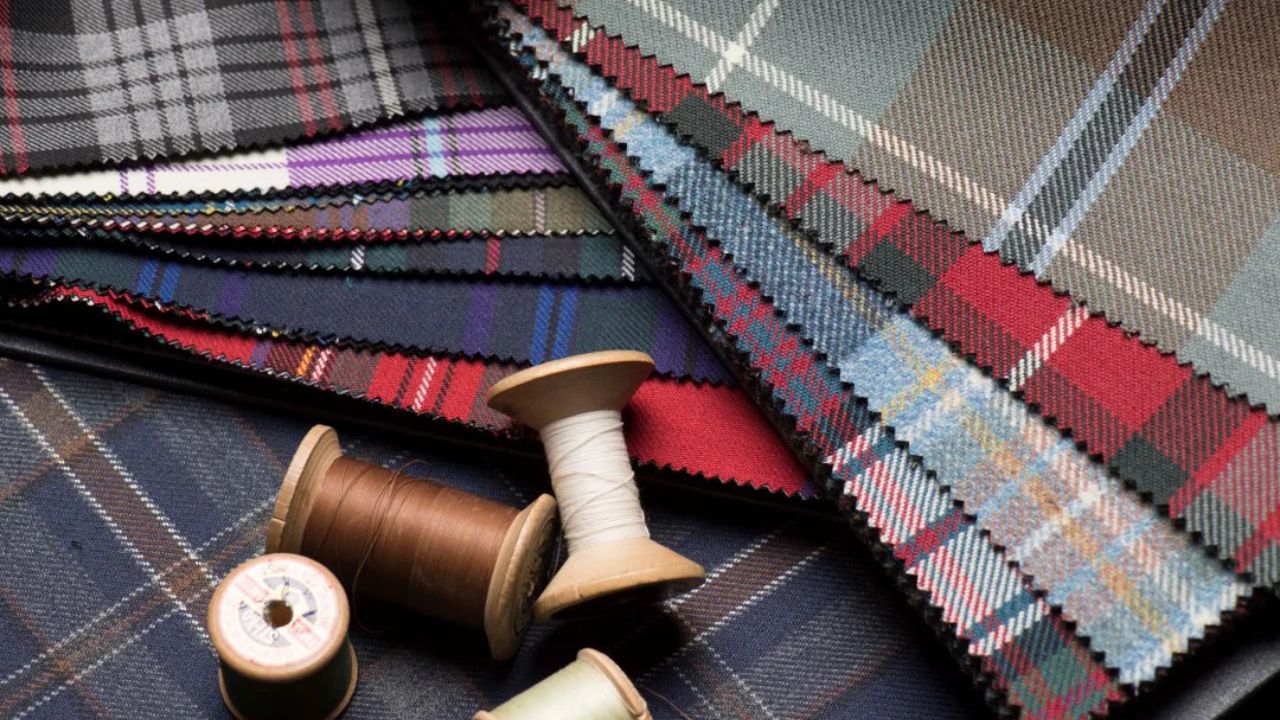
Before tartan became globally iconic, Highlanders wore simple wool garments designed for harsh climates. Over time, the fabric patterns evolved into meaningful symbols. Each clan adopted a distinct tartan, creating a visual language of kinship and honour.
Historically, clansmen’s robes were practical. They kept warriors warm, allowed movement across rugged lands, and served multiple uses, from a cloak to a sleeping blanket. This practicality harmonized with cultural pride, giving birth to what we now recognize as the classic Highland robe style.
The Great Kilt: The Foundation of Clansmen’s Robes
The feileadh mòr, or Great Kilt, stood at the heart of clansmen attire. This long, pleated cloth wrapped around the waist and draped over the shoulder. More than clothing, it reflected the wearer’s clan colours, personal status, and regional roots.
The Great Kilt also inspired later garments, including the tailored modern kilt, a topic we explore in more detail in How Long Has the Tartan Print Been Around?.

Symbols Woven Into the Fabric
Clansmen’s robes express identity through:
- Colour – A reflection of geography, dye materials, and clan traditions
- Pattern – Each tartan’s lines and grids hold centuries of heritage
- Accessories – Sporrans, brooches, dirks, and sashes enhance storytelling
If you enjoy cultural symbolism, you may also like our piece on the Claddagh Ring’s Meaning.
Beyond Fashion: A Statement of Unity
In the Highlands, robes unified clansmen during ceremonies, marriages, or battles. Wearing one’s clan tartan forged a visible bond much like how families pass down heirlooms today.
During gatherings or Highland Games (see our feature Events to Watch in Highland Games 2025), clansmen’s robes display identities proudly and elegantly.

How Clansmen’s Robes Are Made Today
Modern clansmen’s robes balance old craftsmanship with newer tailoring. Many families still order handwoven tartans, keeping alive the centuries-old craft. Scottish makers combine:
- Wool from Highland sheep
- Natural dyes
- Traditional weaving techniques
- Precise pattern alignment
If textile history fascinates you, explore our article on Scottish Tartan Shawls.
Robes in Modern Culture
Today, clansmen’s robes appear in:
- Weddings
- Highland festivals
- Film and historical reenactments (discover more in Kilts in Movies and Shows)
- Cultural celebrations across the Scottish diaspora
The attire continues to evolve, yet retains its soul — a balance between heritage and contemporary expression.
A Heritage That Lives On
Scottish clansmen’s robes remind us that identity is not a relic of the past. It is lived, worn, and celebrated. Each fold, colour, and stripe holds the warmth of kinship and the resilience of Highland spirit.
If you wish to learn more about Celtic traditions, wander through our Celtic Guide Blog, where history meets storytelling.