Scottish Clan Insignias on Jewellery: Symbols of Lineage and Legacy

Jewellery has always carried meaning beyond its shine. In Scotland, that meaning deepens through clan insignias, ancient symbols of kinship and loyalty that transform rings, brooches, and pendants into wearable heritage. To wear a piece bearing your clan’s crest isn’t merely an act of adornment; it’s an intimate declaration of identity, one that ties the present to the proud lineage of the Highlands.
The Story Behind Scottish Clan Insignias
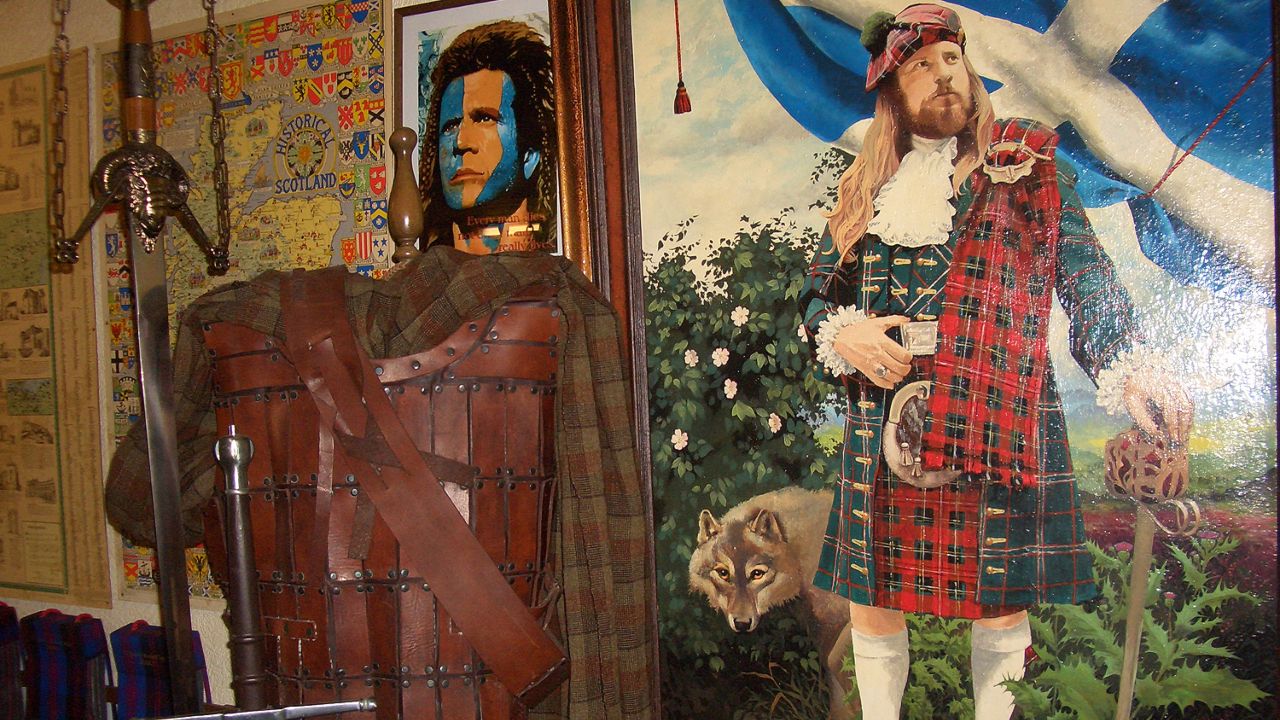
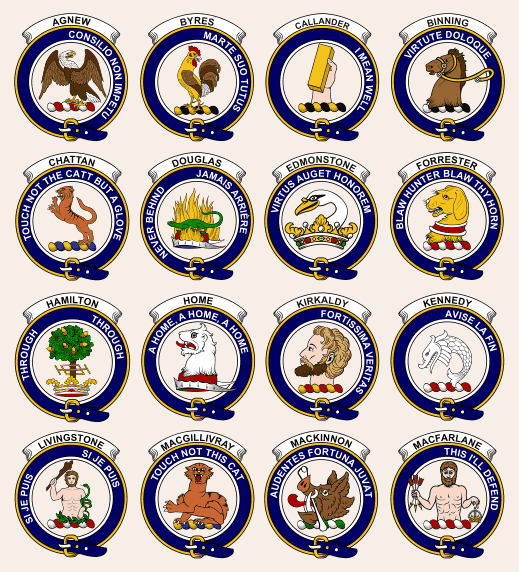
Clan insignias originated as badges of allegiance. During medieval times, Scottish clans—extended family groups bound by blood and loyalty—used these crests to identify themselves on and off the battlefield. Each emblem held deep symbolism: a hand grasping a dagger, a stag’s head, or a boar in motion, all paired with a motto that reflected courage or honor.
The study of these crests reveals much about Scotland’s historical and social fabric. Clans like MacDonald, Campbell, and Fraser each had unique heraldic designs that represented their virtues and values. To learn more about clan histories, you might explore How Many Scottish Clans?.
From Battlefields to Boutiques
Originally worn on caps or plaids, clan insignias were vital markers of belonging during turbulent times. But as Scotland entered more peaceful centuries, these emblems transitioned from military symbols to objects of pride and fashion. Today, Scottish clan jewellery—crafted in silver, gold, or pewter—translates that history into art.
Brooches, pendants, kilt pins, and signet rings often carry the family crest, surrounded by a belt-and-buckle design symbolizing allegiance to the clan chief. This design traces back to the 17th century and continues to be used by artisans across the Highlands.
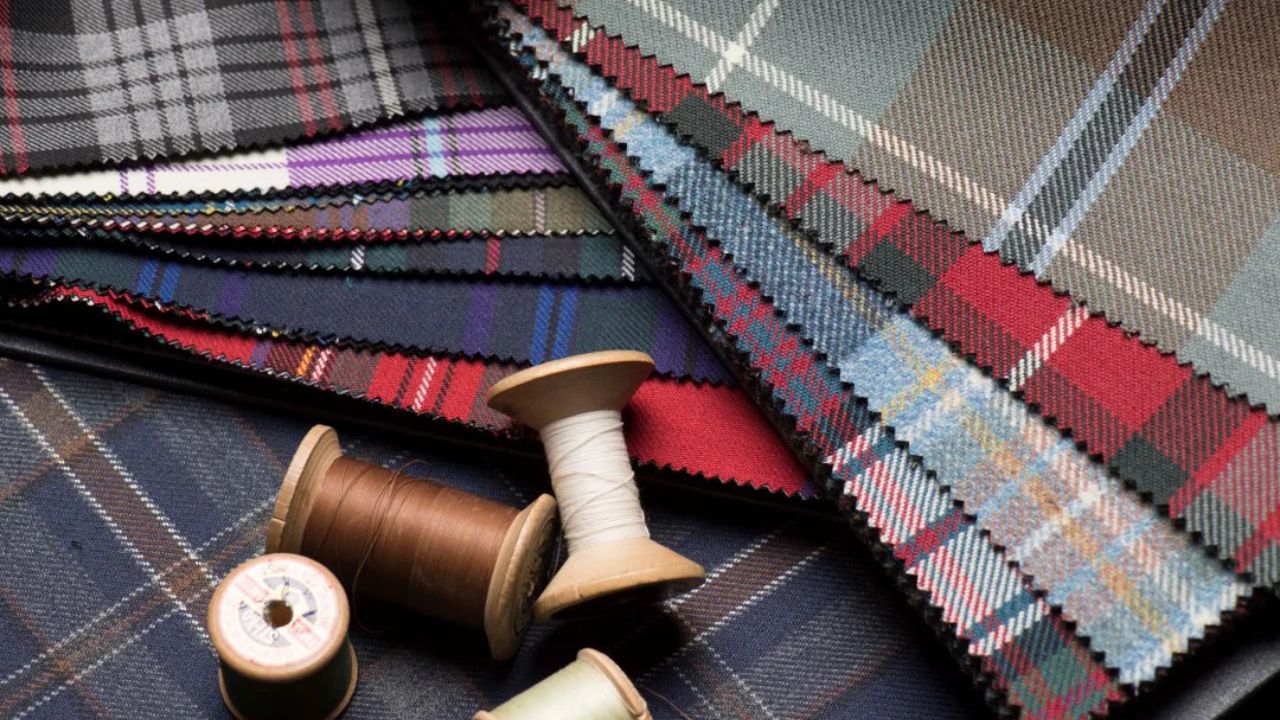
For a glimpse into similar transformations of Scottish attire, visit What Is Tartan? and How Long Has the Tartan Print Been Around?.
Craftsmanship Rooted in Heritage
Every piece of clan jewellery carries the hallmark of Scottish artistry. Local jewellers—especially those in Edinburgh and Inverness—combine traditional handcrafting techniques with modern tools to ensure precision. Their work often echoes the same cultural devotion seen in other Celtic crafts like Celtic stone carvings.
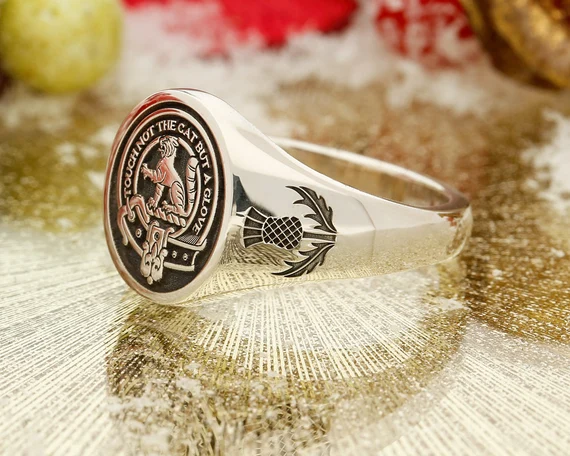
In addition to crests, many designs incorporate Celtic knotwork, symbolizing eternity and interconnectedness—a motif that unites Scotland, Ireland, and Wales through shared spiritual artistry.
Wearing Your Clan’s Legacy
A clan insignia worn on jewellery does more than celebrate heritage, it strengthens bonds between descendants scattered across the globe. Scots in Canada, Australia, and the United States often wear clan brooches or pendants during gatherings and Highland Games. You can explore more about these celebrations in Events to Watch in Highland Games 2025.
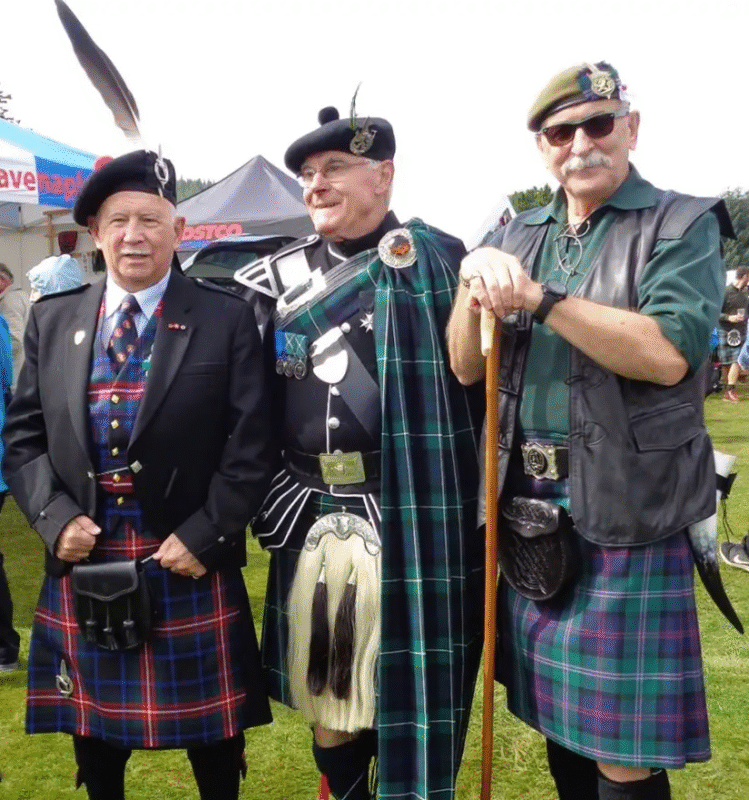
For many, these pieces become heirlooms—passed down generations like the stories once told by the fireside, reminiscent of why Irish people are natural storytellers. Each jewel becomes a silent narrative of perseverance, loyalty, and belonging.
The Modern Appeal
In contemporary fashion, clan insignias continue to evolve. Designers are reimagining traditional crests with minimalist forms or blending them into global jewellery trends. Whether worn as subtle lapel pins or bold pendants, these pieces allow people to express identity in an elegant, personal way.
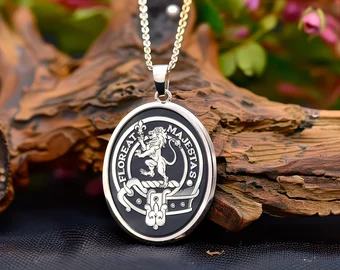
Like Scottish tartan shawls, they bridge the gap between history and modern aesthetics. The appeal lies not in ornamentation alone, but in the continuity of story, a tangible link to ancestors who shaped the spirit of Scotland.
Preserving Identity Through Art
Wearing a Scottish clan insignia on jewellery is both a fashion statement and a form of remembrance. It keeps alive a legacy of kinship and pride that once bound the Highlands together. In every engraved crest lies the heartbeat of a people who valued honor, resilience, and family above all.
To explore more of Scotland’s artistry and Celtic fashion, visit CeltGuide’s Art & Fashion collection or browse the main blog for stories that weave together culture, history, and heritage.