Scottish Belted Plaid for Women: Elegance Woven with Heritage
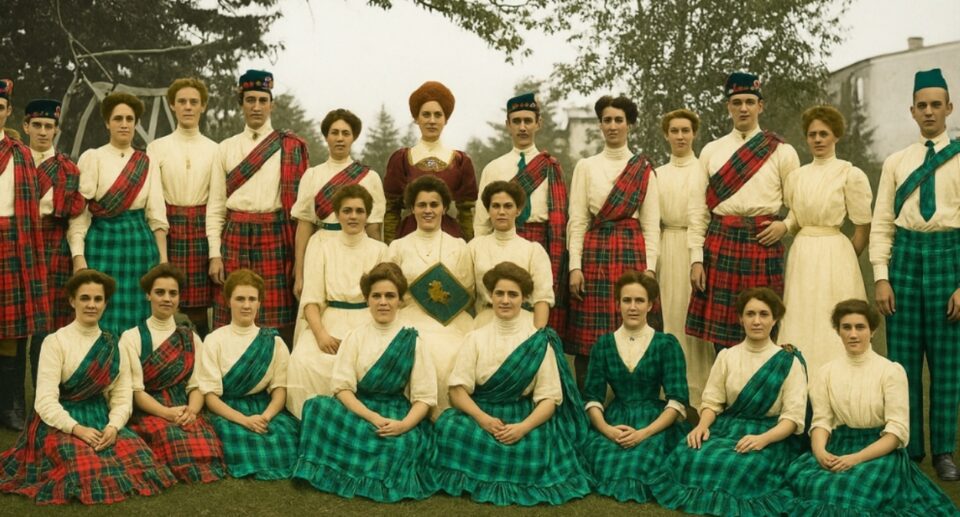
The Scottish Belted Plaid, often overshadowed by the more familiar kilt, represents one of the most striking examples of traditional Highland dress for women. Known for its combination of practicality, elegance, and cultural symbolism, this garment was a cornerstone of Highland fashion for centuries. Understanding its design, evolution, and cultural significance provides insight into both Scottish history and Celtic identity.
Origins and Historical Context
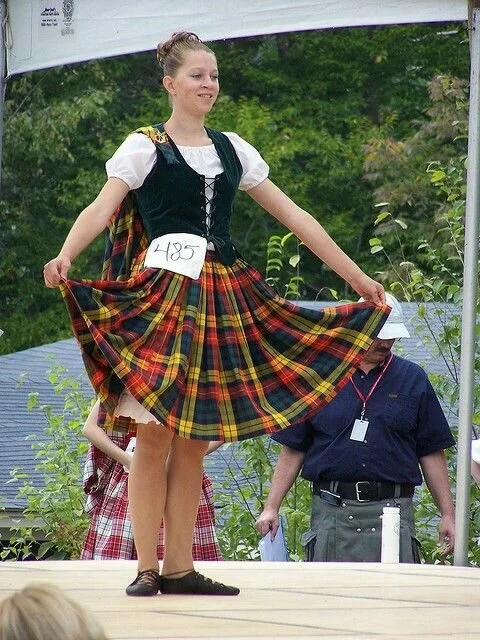
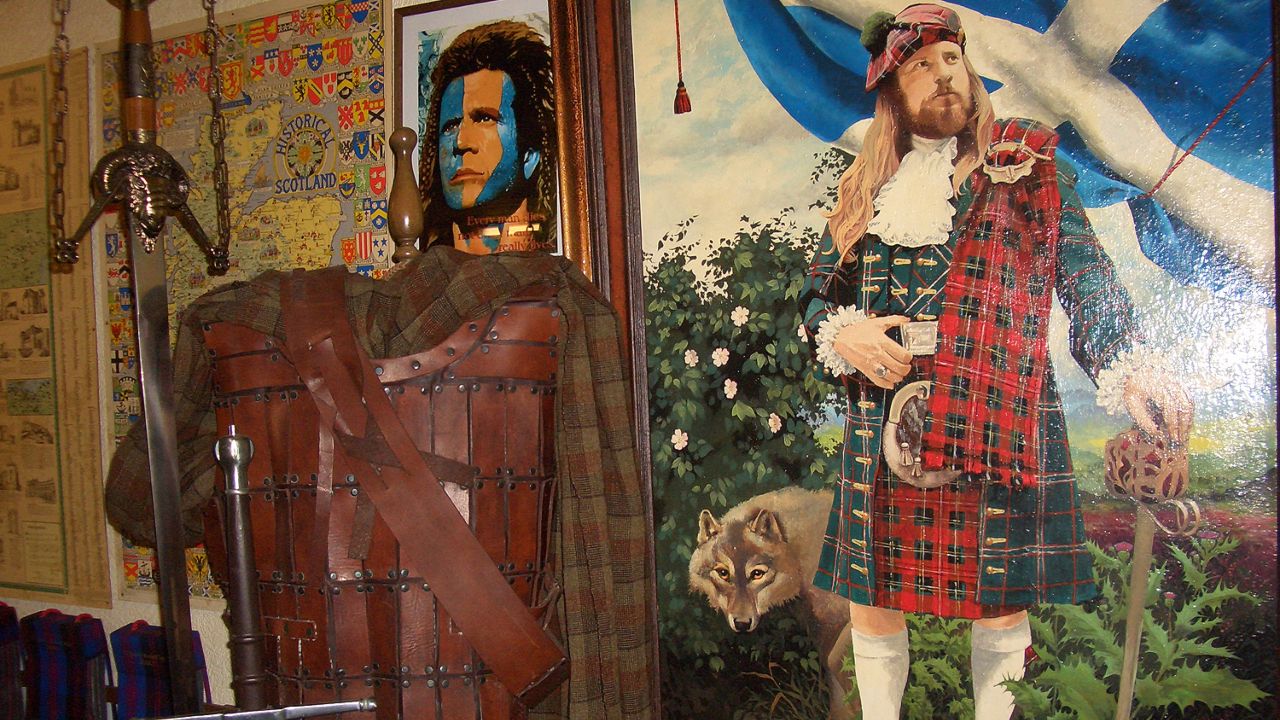
The Belted Plaid, or feileadh-mòr, originated in the Scottish Highlands around the 16th century. Worn by both men and women, it consisted of a long rectangular piece of tartan fabric, pleated and belted at the waist. For women, the plaid was often draped over a simple linen or woolen dress, creating a layered and visually striking ensemble.
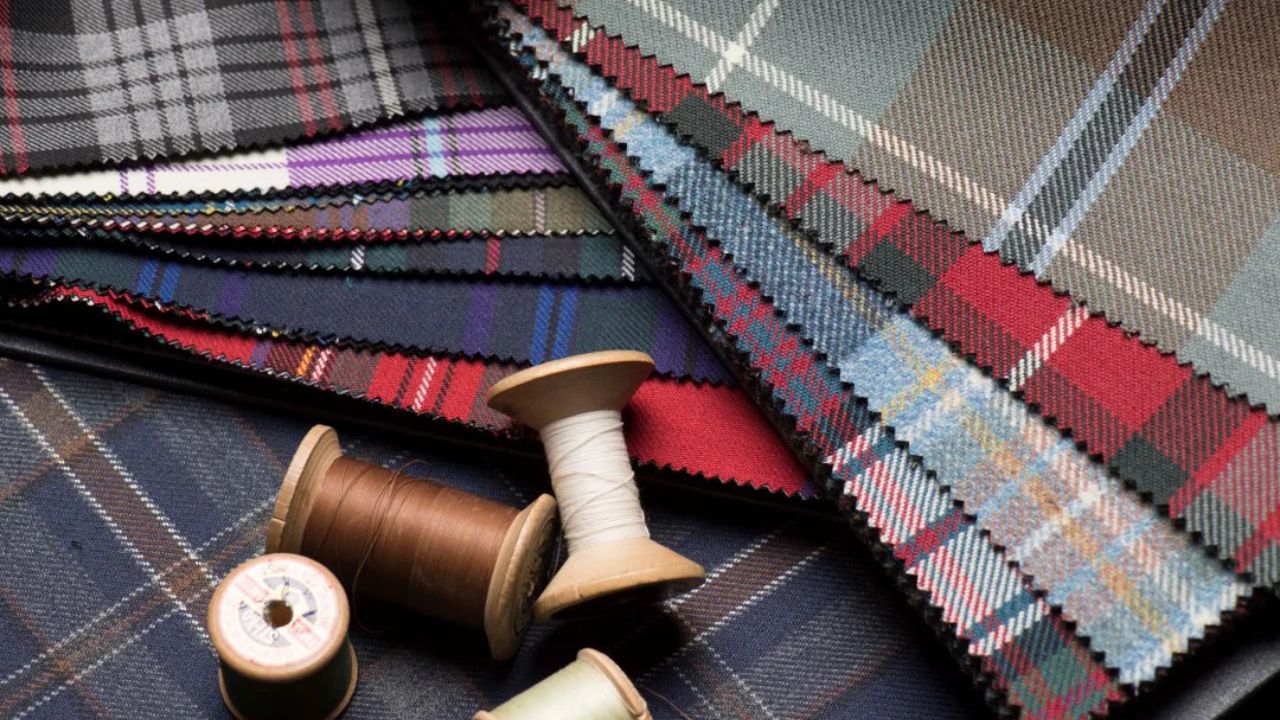
This garment served multiple purposes: warmth, mobility, and social signaling. Women used the plaid not only to protect against Scotland’s unpredictable weather but also to display clan affiliation through tartan patterns. For readers curious about tartan history, see what is tartan and how long tartan prints have been around.
Design and Structure
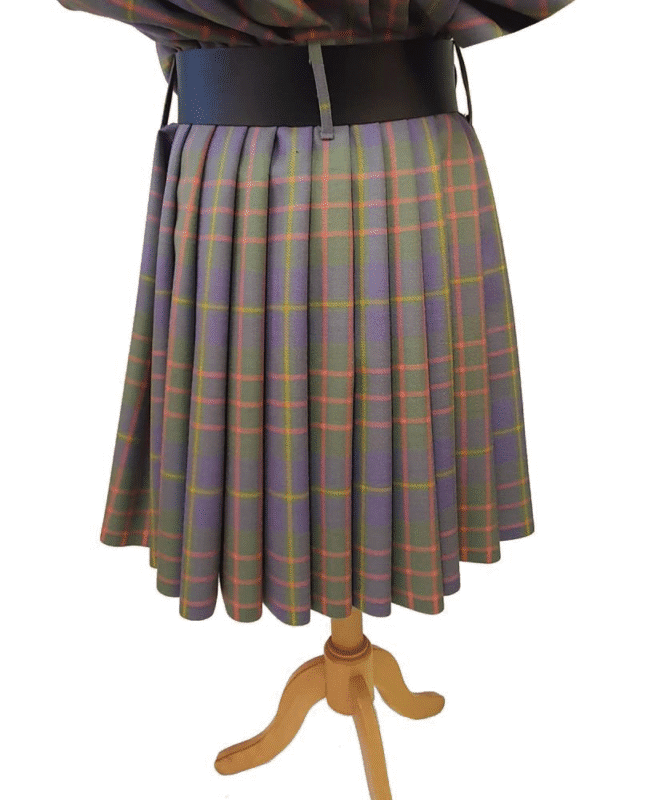
The Belted Plaid’s structure is deceptively simple yet requires skill to wear correctly. Women pleated the fabric carefully, securing it at the waist with a belt. The remaining material could be arranged over the shoulder as a sash or draped across the body for modesty and warmth.
This layering offered both practicality and aesthetic appeal. Wool provided insulation, while the length allowed freedom of movement, making it suitable for daily activities, work, or ceremonial events. In essence, the Belted Plaid married function with elegance, embodying Highland practicality alongside style.
Tartan Patterns and Clan Identity
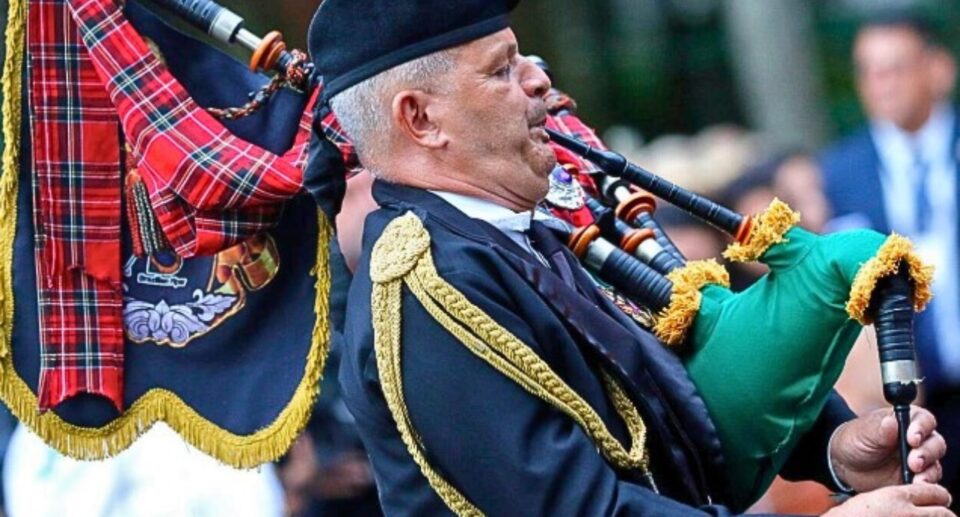
Tartan patterns played a central role in Belted Plaids. Each family or clan had distinctive designs, colors, and arrangements. Wearing a specific tartan signaled lineage, allegiance, and social standing. Women often coordinated their Belted Plaids with other elements of their attire, including sashes, shawls, or jewelry, to enhance both visual harmony and cultural identity.
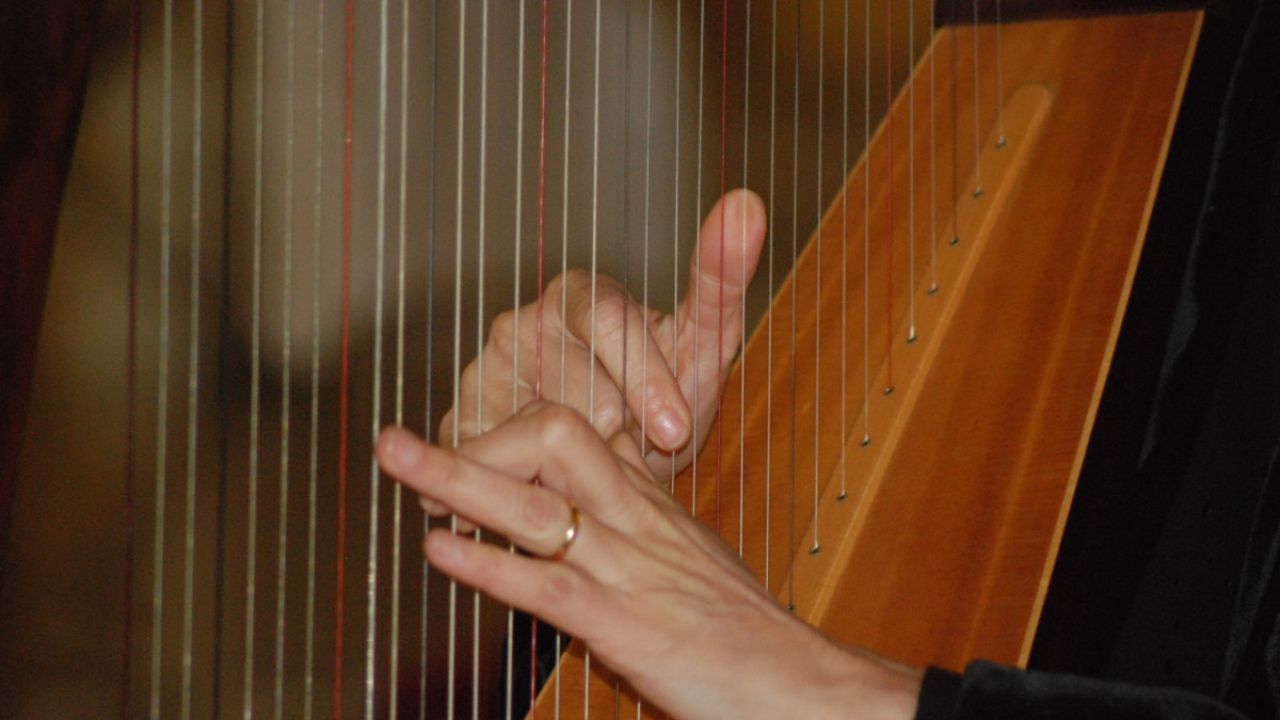
The plaid’s symbolic value resonates with other Celtic cultural artifacts. Just as the Celtic harp conveys tradition and storytelling, the Belted Plaid communicates heritage and belonging.
Modern Revival and Adaptation
While the Belted Plaid faded from everyday use by the 19th century, modern designers and cultural enthusiasts have revived it. Contemporary versions adapt the traditional plaid to modern fabrics and cuts, making it wearable for festivals, formal events, and Highland games. For styling tips, readers may explore how to wear a tartan sash and kilts in movies and shows to see the Belted Plaid’s influence on popular culture.
This revival not only celebrates aesthetics but also preserves historical techniques, ensuring that pleating, belting, and layering traditions continue to be taught and appreciated.
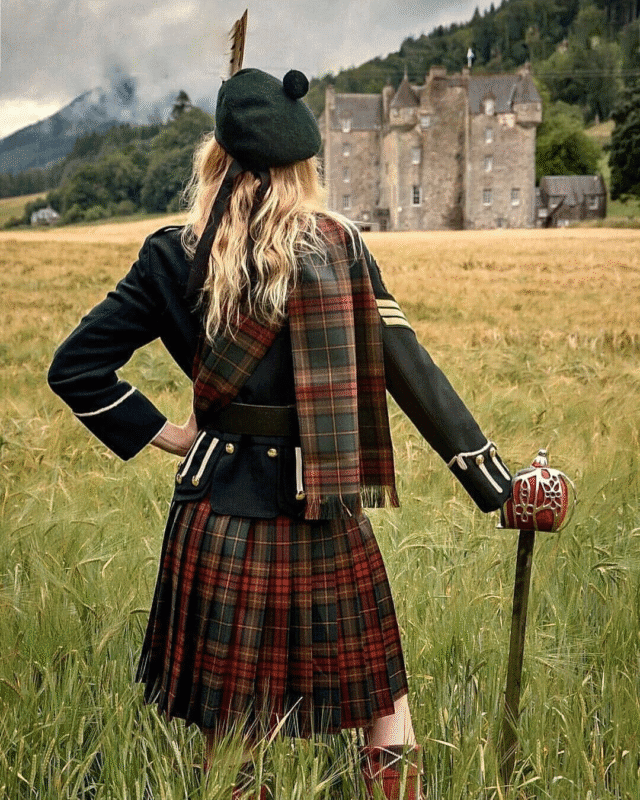
Accessories and Styling
Accessories complete the Belted Plaid ensemble. Women traditionally paired the plaid with belts, brooches, and sometimes shawls. Jewelry and ornamental pins often indicated social status or clan affiliation, much like the Claddagh ring symbolizes loyalty and love in Celtic culture.
Footwear and hosiery complemented the outfit, ranging from leather shoes to woolen stockings, providing both comfort and warmth. Such careful coordination reflects the attention to both function and aesthetic harmony in traditional Scottish dress.
Cultural Significance
The Belted Plaid is more than clothing; it is a symbol of Highland resilience and identity. Its evolution illustrates how Scottish women adapted to environmental challenges while maintaining social and cultural connections. Wearing a Belted Plaid historically demonstrated pride, lineage, and practical ingenuity, echoing broader Celtic values of storytelling and heritage, as explored in why Irish people are natural storytellers.
Even today, the Belted Plaid resonates at cultural events, Highland games, and reenactments, reminding us that clothing can carry stories, history, and identity across generations.