

Pibroch: The Soulful Art of Scottish Bagpipe Music

There are moments in Scottish music when time slows, breath deepens, and the sound of the pipes feels almost like memory itself.
That moment belongs to Pibroch, the classical music tradition of the Great Highland Bagpipe.
Pibroch (often spelled piobaireachd) does not rush. It tells stories.
It honors chiefs, mourns tragedies, celebrates victories, and remembers what the land has witnessed.
If reels and jigs make your feet move, Pibroch makes your heart sit still.
What Makes Pibroch Different?
Most bagpipe tunes feel lively. They belong to weddings, parades, and dance gatherings.
Pibroch moves in the opposite direction.
It uses long, drawn phrases, small melodic themes, and deep rhythmic breathing.
Each tune begins with a ground (called the urlar), a simple phrase that returns again and again.
After that, variations unfold. They stretch, twist, ornament, and reshape the melody, like a storyteller revisiting the same memory from new angles.
It invites listening, not just hearing.
A Music Born from Heritage and Ceremony
Pibroch grew around Highland clans.
Pipers served as historians, witnesses, and guardians of memory. When a chieftain died, a clan went to war, or peace returned, the piper carried the moment into sound.
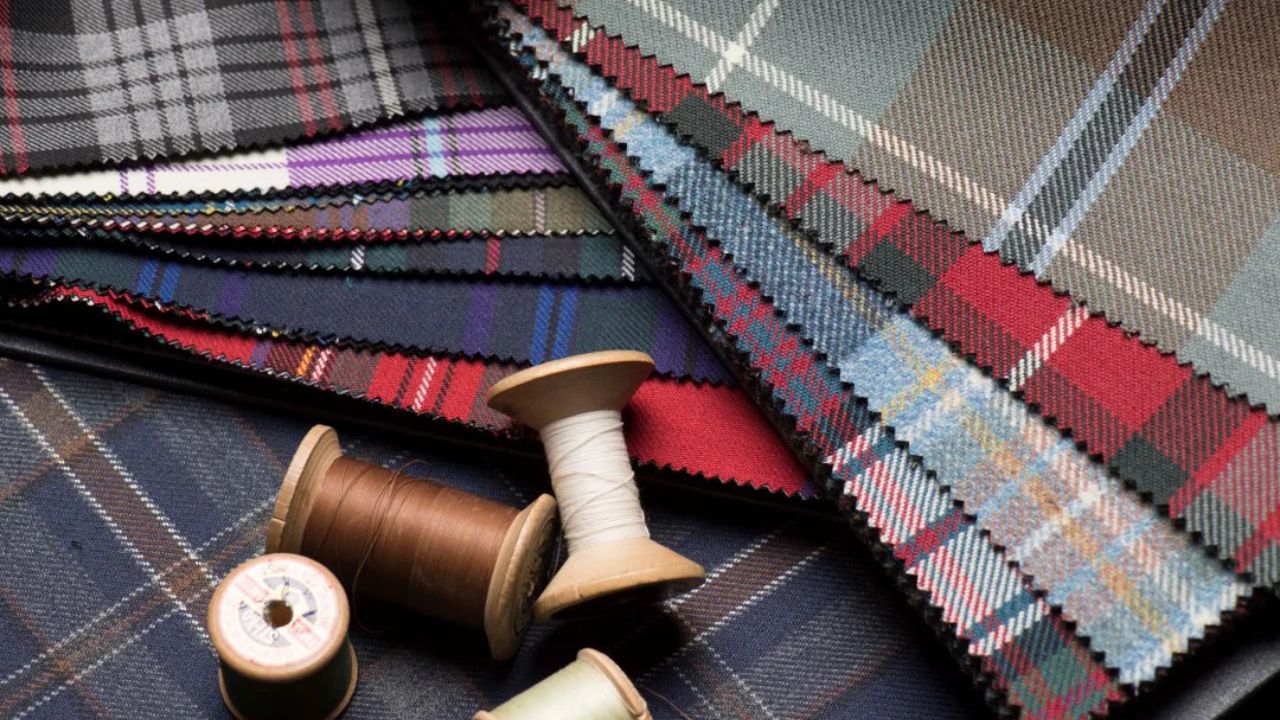
To understand how deeply culture lives in objects and symbols, explore how tartan itself holds meaning:
See our guide on what tartan means.
Both tartan and Pibroch carry identity — not as decoration, but as legacy.
And if you enjoy learning about storytelling traditions in Celtic cultures, you may also love reading about Irish storytelling heritage.
Themes Found in Pibroch
Many Pibroch titles describe purpose rather than melody:
- Laments
- Salutes
- Gatherings
They reflect not performance, but occasion.
The slow tempo lets emotion breathe.
Every ornament matters. Each sustained note feels deliberate. The music teaches patience and memory.

Listening to Pibroch: A Different Kind of Experience
If you expect quick rhythm, Pibroch surprises you.
The pipes swell, hold, and release in waves. There is repetition, but never monotony. With each variation, tension builds. Eventually, when the original theme returns, it feels like coming home.
It is closer to classical composition than to folk tune.
That depth also explains why pipers train for years before mastering even one major Pibroch.
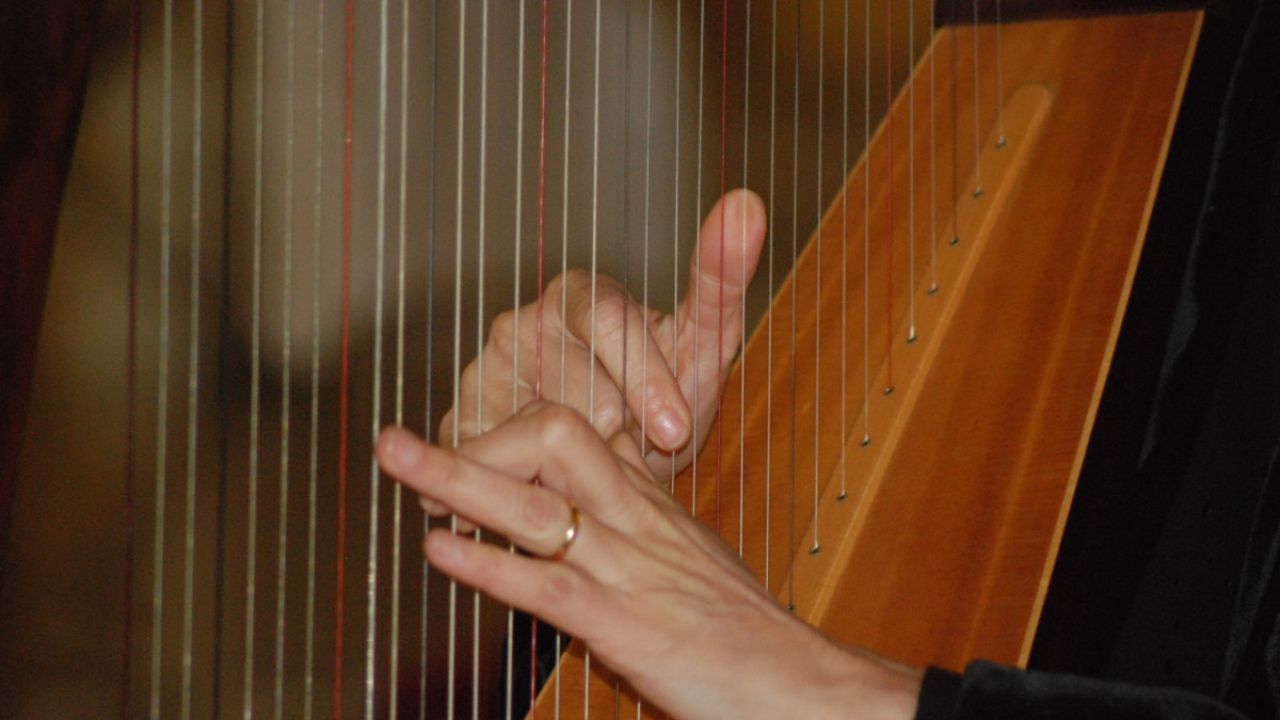
Curious about other traditional instruments with deep cultural roots? Take a look at our exploration of the Celtic harp, or clarsach, another instrument that carries history through sound.
Why Pibroch Still Matters Today
In modern competitions and cultural gatherings, Pibroch continues to stand at the center.
It connects contemporary bagpipers to lineage. It reminds us that music can be archive, ceremony, and emotion at once.
As we explore Celtic culture across landscapes, legends, and traditions, Pibroch gives us a musical thread that ties past to present. You can discover more Celtic journeys and cultural deep dives in our main blog library.

Final Thoughts
Listening to Pibroch feels like walking through mist on a Highland morning. The music does not demand applause. It asks for attention and offers reflection in return.
When we let the ground melody settle into us, we sense what generations before us heard:
honor, grief, pride, endurance.
And maybe that is why Pibroch endures.
It does more than play, it remembers.