

Mutton Pie: A Hearty Celtic Culinary Tradition

Mutton pie, a savory dish with a rich history, has long been a staple of Celtic cuisine. Known for its tender meat, flaky pastry, and comforting warmth, it embodies the resourcefulness and culinary creativity of Scotland and Ireland alike. But beyond its flavor, mutton pie carries centuries of cultural and historical significance.
Origins and Historical Significance
Mutton pie traces its roots back to rural Celtic communities, where sheep farming was common. The dish allowed families to use preserved or freshly butchered mutton efficiently, wrapped in pastry to create a nourishing, portable meal.
Interestingly, the dish reflects the same ingenuity that we see in other Celtic traditions, like the resilient Celtic Oak Tree or the enduring symbolism of thistle. It was a practical yet celebratory dish, often served during festivals or family gatherings.
Ingredients and Preparation
A classic mutton pie includes:
- Tender mutton chunks
- Root vegetables like carrots, onions, and turnips
- Fresh herbs for seasoning
- Shortcrust or puff pastry for the crust
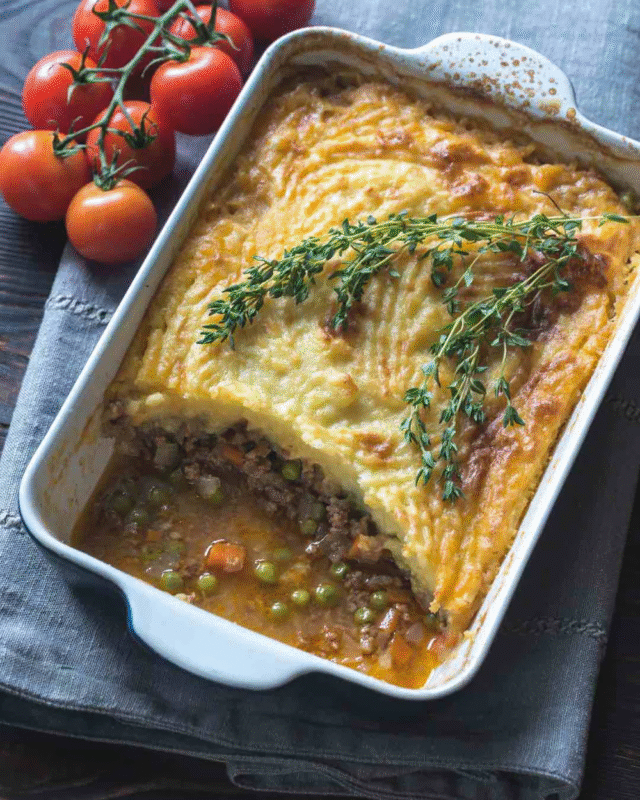
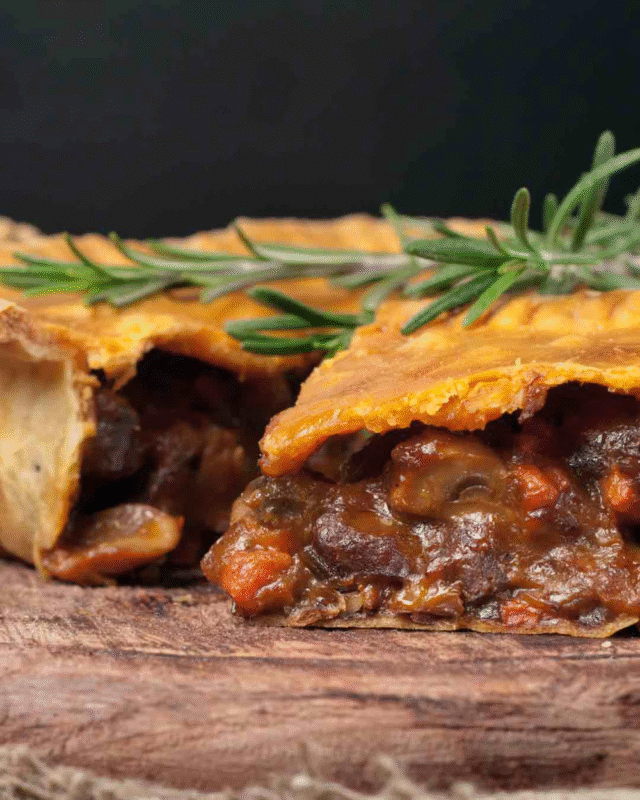
The preparation involves slow-cooking the mutton until it is tender, combining it with vegetables and gravy, then encasing the mixture in golden, flaky pastry. The result is a meal that is as hearty as it is flavorful.
For culinary inspiration, you might also explore other traditional Celtic food culture in our guide to the Irish Potato Famine, which influenced many local recipes.
Cultural and Social Context
Mutton pie has long been more than just sustenance; it is a dish that brings people together. In Scottish and Irish households, sharing a mutton pie during holidays, festivals, or family gatherings reflects a tradition of hospitality and communal enjoyment.
Much like the storytelling traditions discussed in Why Are Irish People Natural Storytellers, mutton pie carries stories of family, heritage, and the land. Each recipe may vary slightly, reflecting local ingredients and personal touches passed down through generations.
Modern Appreciation
Today, mutton pie continues to delight food lovers, featured in modern Celtic festivals, artisan bakeries, and home kitchens alike. Chefs often innovate on the classic recipe, adding new herbs or pairing it with contemporary side dishes, while still honoring its historical roots.
It remains a delicious link to Celtic culinary heritage and an enduring example of the ingenuity and warmth of Scottish and Irish kitchens.
Conclusion
Mutton pie exemplifies the rich tapestry of Celtic culinary tradition: practical, flavorful, and deeply connected to family and community. Whether enjoyed during a festive gathering or a quiet meal at home, it represents centuries of history and the enduring spirit of Scottish and Irish culture.
For more Celtic heritage insights, explore Crofter’s Journey Through Time and The Bodhran Drum to connect food, music, and cultural storytelling.