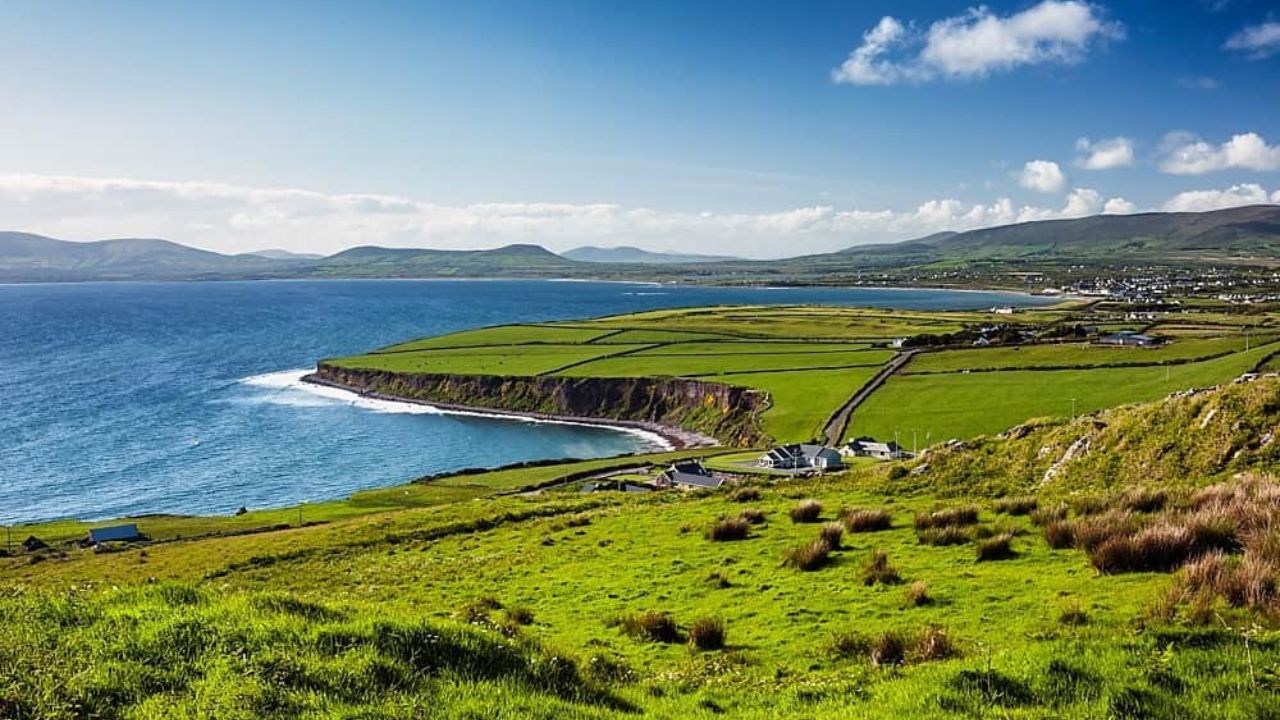
The Irish Wild Atlantic Way: A Coastal Journey Through Culture, Myth, and Memory
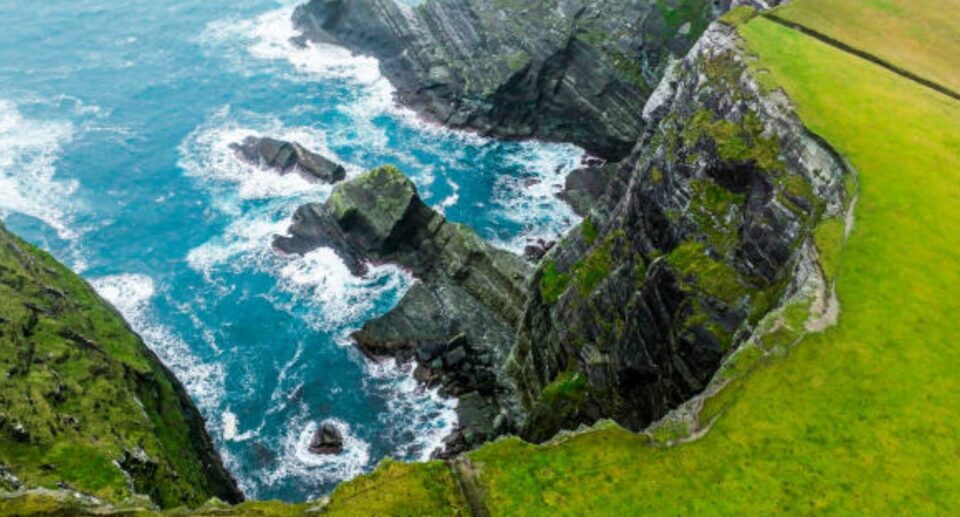
The Wild Atlantic Way is more than a long coastal route. It is a living experience of Ireland’s history, landscapes, and Celtic spirit. Stretching over 2,500 kilometers, it takes you through rugged cliffs, ancient settlements, and villages that still carry echoes of older ways of life. As someone who has studied cultural landscapes, I always find that this route connects visitors not just to scenery, but to the heart of Ireland itself.
What Makes the Wild Atlantic Way Unique?
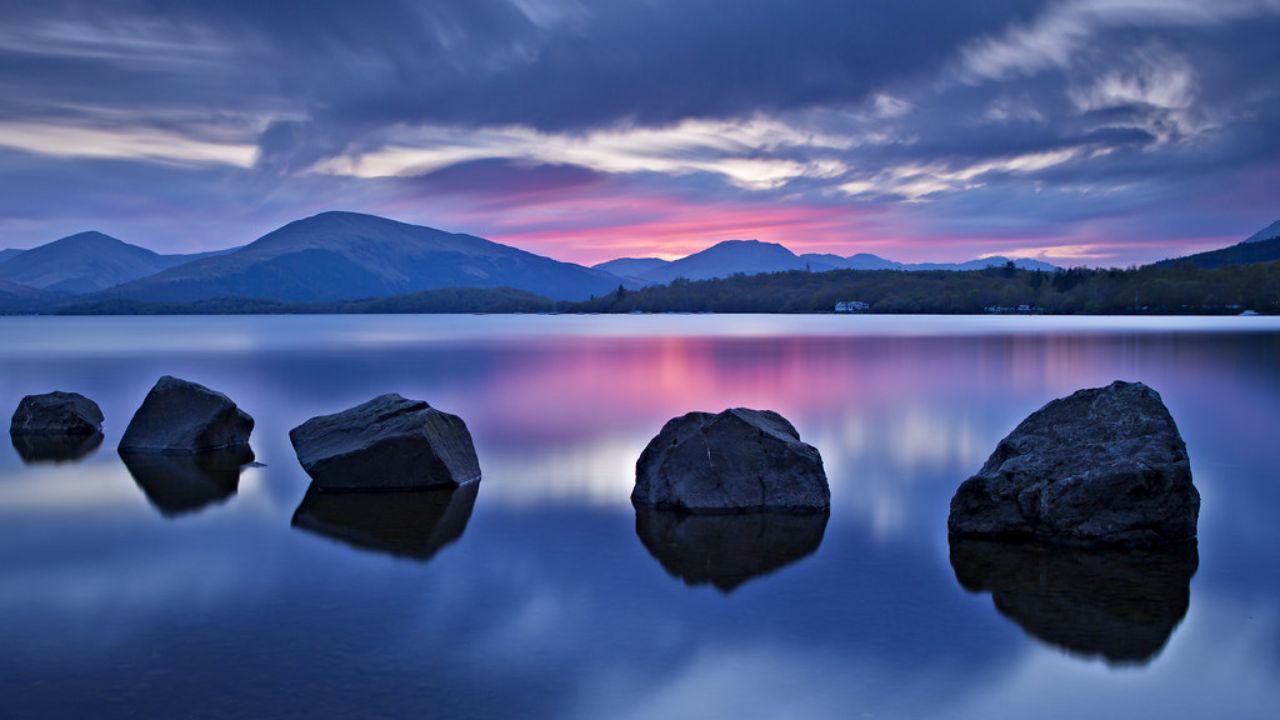
The route follows Ireland’s western edge from Donegal to Cork. Every twist in the road brings a different kind of beauty; windswept beaches, sea-battered cliffs, and small communities shaped by the Atlantic. The people along this coastline blend humor, resilience, and storytelling in a way that reflects Ireland’s Celtic roots.
If you’re curious about why storytelling is so important here, this piece explains it beautifully:
➡️ https://celtguide.com/why-are-irish-people-natural-storytellers/
The Cultural Ties of Ireland’s Western Coast
The Wild Atlantic Way cuts through regions where the Irish language still thrives. These Gaeltacht areas protect folk traditions, music, and inherited patterns of life. You hear the rhythms of Irish speech in pubs, festivals, and even everyday greetings.
Music plays a central role in local identity. Traditional musicians often gather for impromptu sessions, where the bodhrán adds heartbeat-like rhythms to lively reels and jigs. You can explore more about the bodhrán here:
➡️ https://celtguide.com/the-bodhran-drum/

Landscapes That Carry Ancient Stories
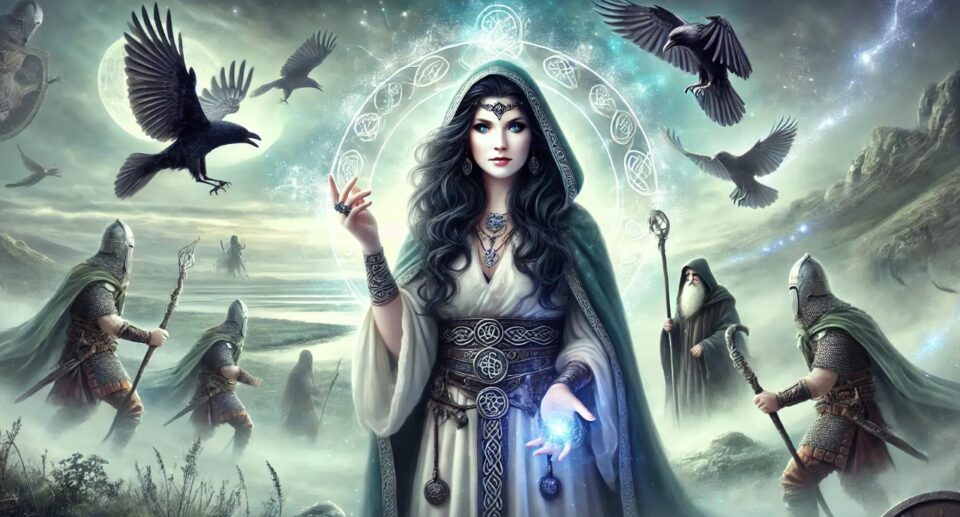
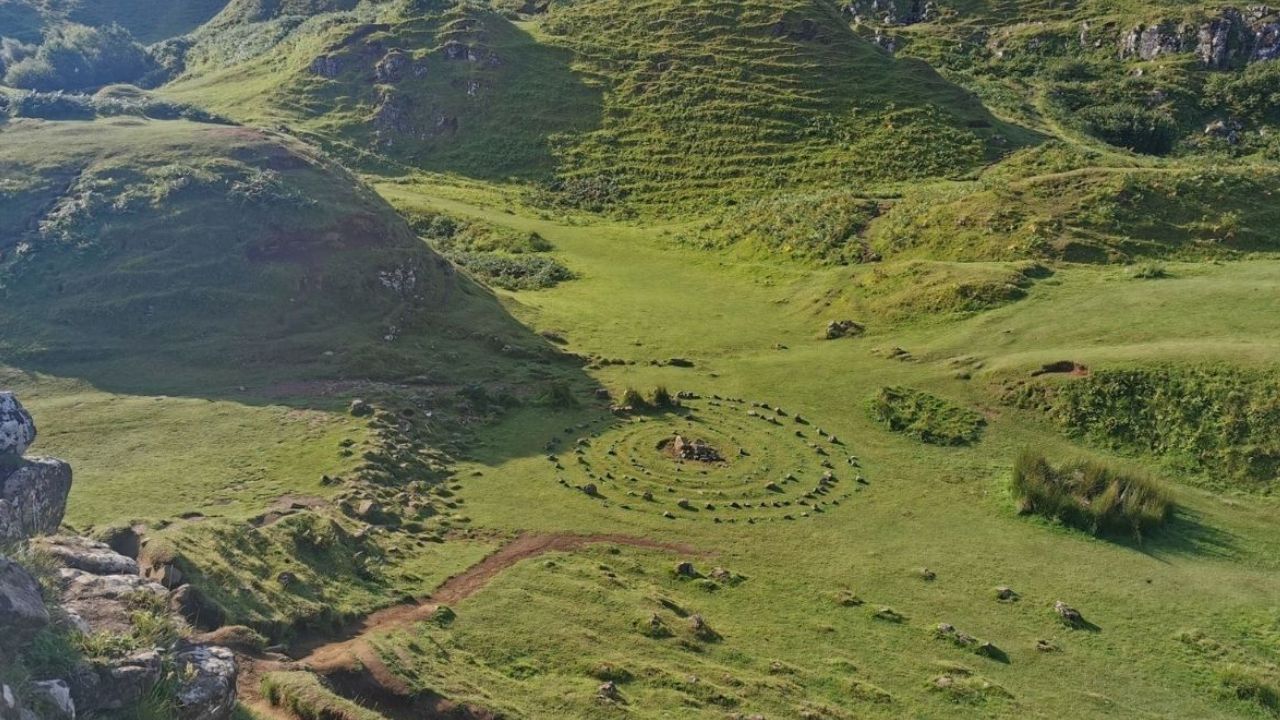
The Atlantic coast carries centuries of mythology and folklore. Sea-swept stones, standing circles, and cliffside ruins remind us of ancient Celtic beliefs that still linger in place names and legends.
For example, stone carvings across Ireland reveal how earlier communities interpreted nature, gods, and time. A deeper look into these carvings can be found here:
➡️ https://celtguide.com/celtic-stone-carvings/

Highlights Along the Wild Atlantic Way
1. Donegal’s Rugged Majesty
Donegal introduces the route with dramatic cliffs and isolated beaches. It feels untouched, wild, and deeply Celtic in character.
2. Sligo and the Land of Yeats
This region blends myth, poetry, and landscape. Icons like Benbulben offer a sense of mystery that shaped Ireland’s literary tradition.
3. Galway and the Aran Islands
Galway’s energy meets the ancient calm of the Aran Islands. These islands preserve Gaelic culture in a way that feels almost timeless.
4. County Kerry and the Ring of Kerry
The Ring of Kerry sits proudly along this route. It offers mountains, sea views, and cultural richness. Learn more here:
➡️ https://celtguide.com/ring-of-kerry/
5. Cork’s Coastal Calm
The southern end of the route brings serene fishing villages, colorful towns, and a more relaxed Atlantic mood.

Folklore and Myth Along the Atlantic
Coastal communities always lived with both danger and wonder. Storms shaped their lives, but so did stories about selkies, sea spirits, and otherworldly visitors. Folklore thrived in these regions because memory, imagination, and experience blended naturally.
If myth fascinates you, explore the world of selkies here:
➡️ https://celtguide.com/selkies-in-folklore/
Or discover the deeper Celtic mythic world through Annwn:
➡️ https://celtguide.com/what-is-annwn/
Food, Craft, and Local Traditions
The Wild Atlantic Way also introduces travelers to Ireland’s distinctive crafts and foods. Small seafood shacks, traditional bakeries, and handmade woolen goods reflect local resourcefulness. Many of these traditions connect back to older clan structures and rural life, explored here:
➡️ https://celtguide.com/crofters-journey-through-time/
Why the Wild Atlantic Way Matters Today
This route invites people to slow down. It encourages them to listen—to the wind, to the waves, and to the stories passed through generations. In a world that moves quickly, the Wild Atlantic Way reminds us that heritage grows stronger when lived with attention and care.
It’s not just a drive; it’s an immersion in Ireland’s emotional and cultural landscape.
Final Thoughts
Exploring the Wild Atlantic Way feels like opening a long, poetic book written by nature and shaped by people who lived close to the sea. It blends history, myth, language, and landscape into one continuous journey. Whether you want to connect with Celtic heritage, discover remote places, or meet communities rooted in tradition, this route delivers all of it with sincerity and depth.
If you want to explore more articles like this, you can browse our latest posts here:
➡️ https://celtguide.com/blog/