Irish Traditional Music Festivals: Living Echoes of a Nation

Irish traditional music festivals do more than entertain. They sustain memory, renew language, and gather community in shared sound. Across Ireland, towns and villages host annual gatherings where reels, jigs, and laments animate streets late into the night. These festivals do not simply preserve heritage; they enact it.
If you explore more cultural reflections on our main blog hub at https://celtguide.com/blog/, you will notice how music consistently shapes Irish identity. Festivals offer the most vivid expression of that continuity.
What Defines an Irish Traditional Music Festival?
An Irish traditional music festival centers on live performance, communal participation, and intergenerational learning. Musicians rarely remain distant from audiences. They play in sessions, informal circles in pubs, halls, or open air spaces, where skill meets spontaneity.
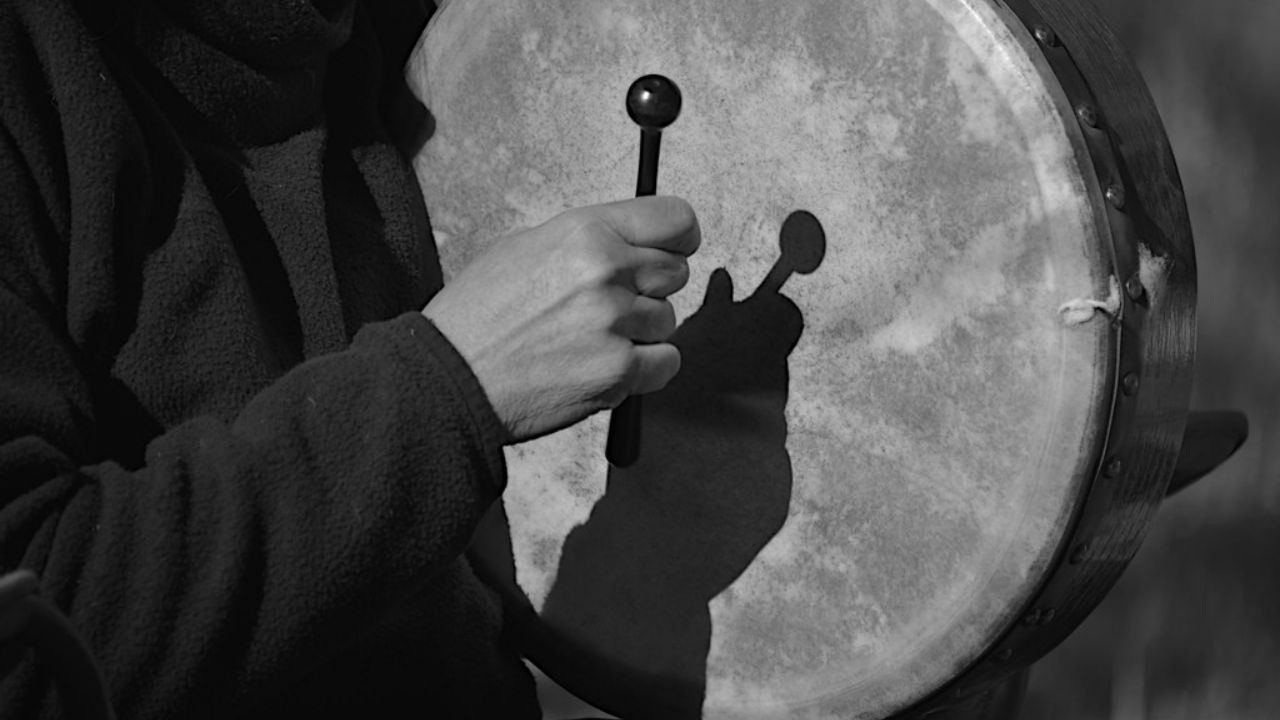
Instruments such as the bodhrán, tin whistle, uilleann pipes, and fiddle dominate the soundscape. For a deeper understanding of the drum that anchors rhythm, see our detailed guide to the bodhrán here: https://celtguide.com/the-bodhran-drum/.
Similarly, the expressive centrality of the fiddle appears in our exploration of https://celtguide.com/fiddle-music/, where we trace its role in shaping regional styles.
Festivals also welcome céilí dances. If you want to understand the structure and social history of céilí ensembles, read https://celtguide.com/ceili-bands/.
Fleadh Cheoil: The National Gathering
No discussion would be complete without mentioning Fleadh Cheoil na hÉireann. Organized by Comhaltas Ceoltóirí Éireann, this annual event moves between Irish towns. It attracts thousands of musicians and visitors.
Competitions encourage excellence, yet the true spirit unfolds in the spontaneous sessions that spill into streets. Young performers learn from elders. Families gather. The music rarely stops.
Fleadh Cheoil demonstrates how festivals function as cultural classrooms. They teach repertoire, ornamentation, and etiquette. They also strengthen Irish language use, especially in song and storytelling traditions.
For insights into Ireland’s narrative heritage, explore https://celtguide.com/why-are-irish-people-natural-storytellers/. Music and storytelling often share the same stage at festivals.
Regional Festivals and Local Identity
While Fleadh Cheoil commands national attention, smaller festivals shape regional character. County Clare, Donegal, Kerry, and Sligo each cultivate distinct musical dialects. Ornamentation patterns, tempo preferences, and tune repertoires differ subtly.
In Kerry, landscapes such as the https://celtguide.com/ring-of-kerry/ provide dramatic backdrops for open-air concerts. The land and music converse with one another.
Some festivals coincide with broader cultural celebrations, including Saint Patrick’s Day. For historical context, see https://celtguide.com/the-significance-of-saint-patricks-day/. During such events, music reinforces national symbolism without becoming static or nostalgic.
Instruments as Cultural Memory
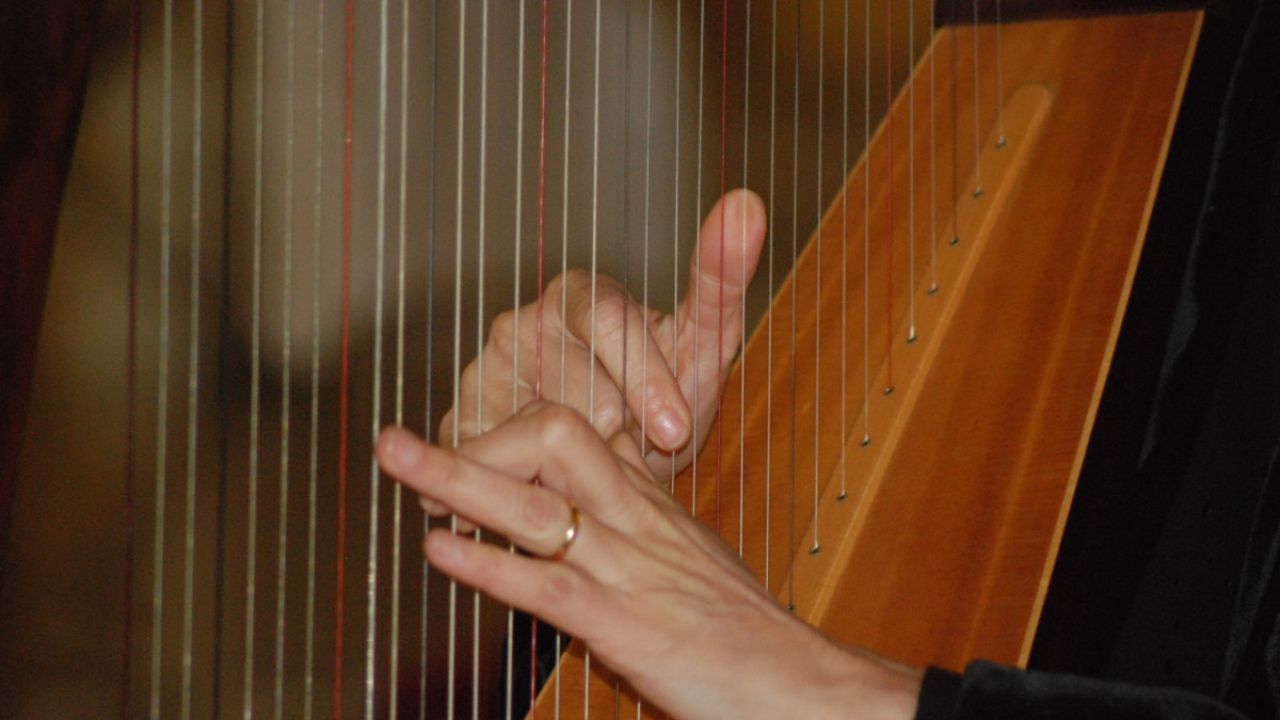
Each instrument carries historical resonance. The bodhrán reflects communal rhythm. The fiddle adapts easily to regional nuance. The harp, long associated with Ireland, holds ancient symbolism.
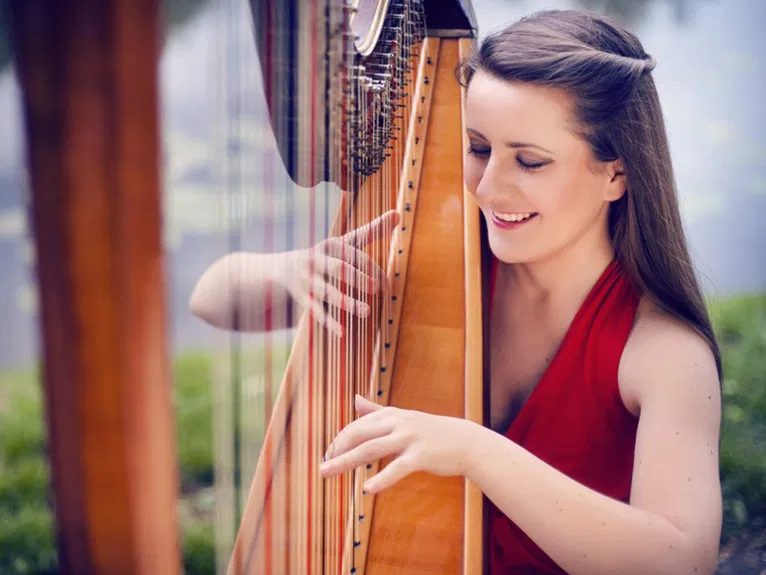
To understand the harp’s cultural depth, read https://celtguide.com/what-is-a-clarsach-a-comprehensive-guide-to-the-celtic-harp/. Festivals frequently feature harp recitals alongside more rhythm-driven sessions.
Music also intersects with broader Celtic symbolism. Oak trees, for example, embody endurance in mythic imagination. Our article on https://celtguide.com/celtic-oak-tree/ illuminates this symbolic continuity. Festivals often unfold in spaces where such symbolism still shapes local identity.
Language, Lament, and Community
Irish traditional music festivals do not isolate sound from speech. Gaelic lyrics, proverbs, and laments enrich performance. If you wish to explore the linguistic beauty that informs many festival songs, see https://celtguide.com/gaelic-irish-proverbs/.
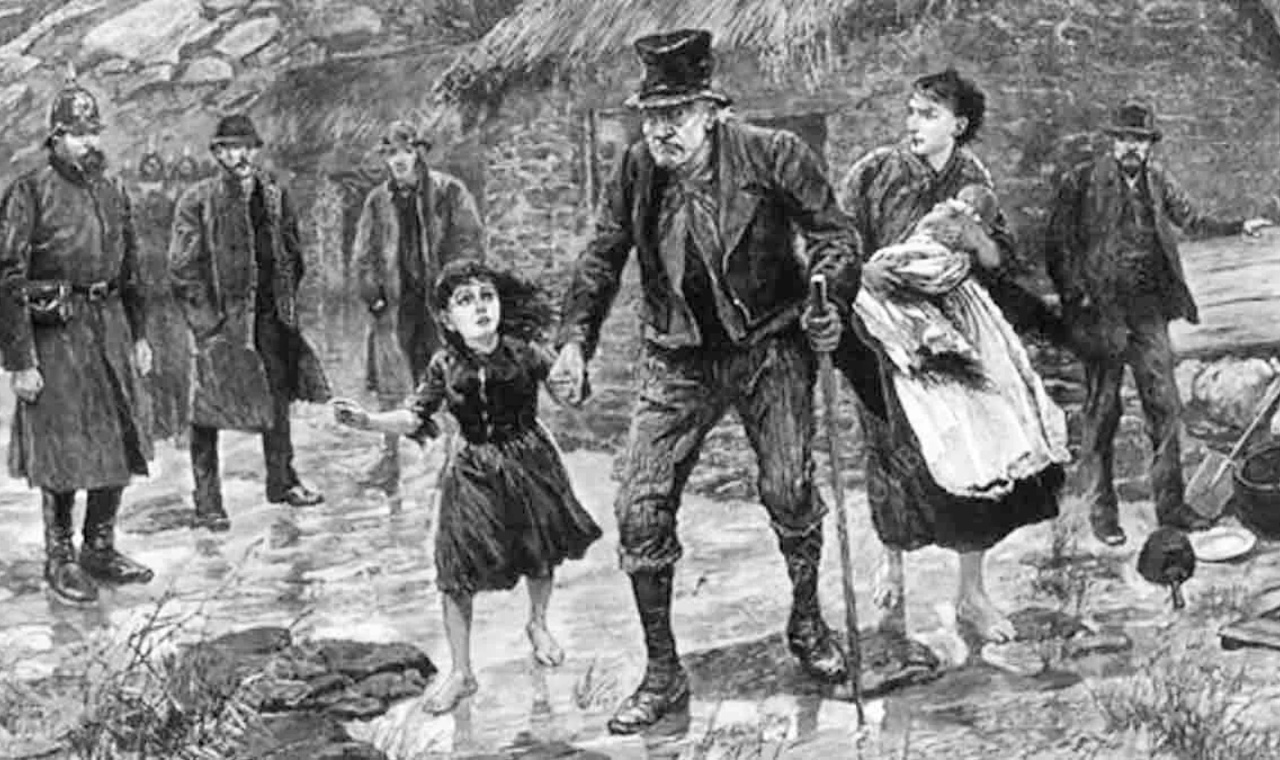
Historical memory also surfaces through song. Ballads recall emigration, famine, and resilience. For context on one of the most formative events in Irish history, consult https://celtguide.com/the-influence-of-the-irish-potato-famine/. Festivals keep these memories audible.
Music at times accompanies rites of passage. Even the Irish wake carries melodic traces. You may find deeper reflection in https://celtguide.com/heartbeat-of-farewell-irish-wake-traditions-through-a-celtic-lens/.
Festivals in a Modern Context
Contemporary Irish music festivals balance authenticity and innovation. Young musicians incorporate global influences while maintaining traditional forms. Digital platforms broadcast sessions worldwide. Yet the heart of the festival remains physical presence, shared rhythm in shared space.
Visitors often arrive seeking “heritage.” They leave having experienced participation. That distinction matters. Irish traditional music does not survive because institutions archive it. It survives because communities perform it.
For further exploration of music and dance traditions, browse our Music & Dance category here: https://celtguide.com/category/music-dance/.
Why Irish Traditional Music Festivals Matter
Irish traditional music festivals sustain cultural continuity without rigidity. They invite memory while encouraging adaptation. They teach discipline yet celebrate improvisation.
Most importantly, they remind participants that culture thrives through encounter. When musicians gather in a small town hall or a crowded pub, they enact centuries of resilience and creativity.
In that moment, the past does not sit behind glass. It sings.