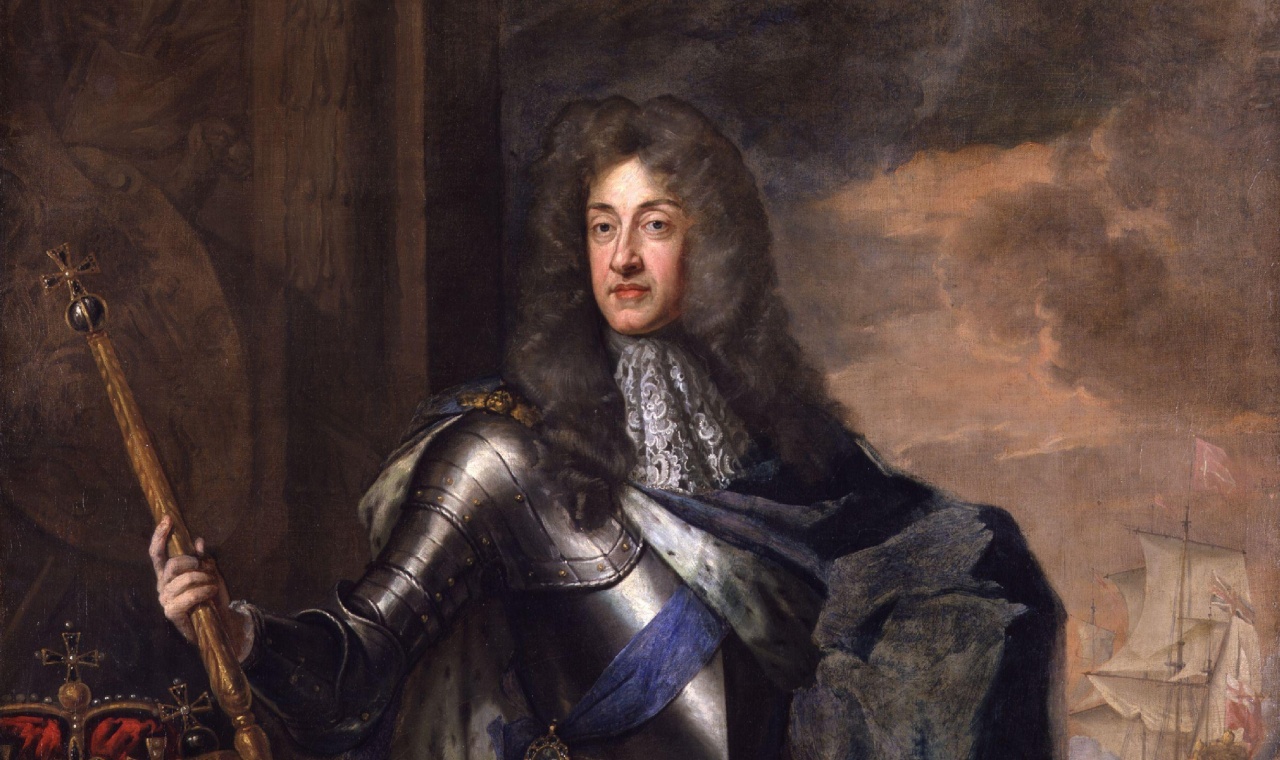

Piping at Funerals: A Sound of Farewell

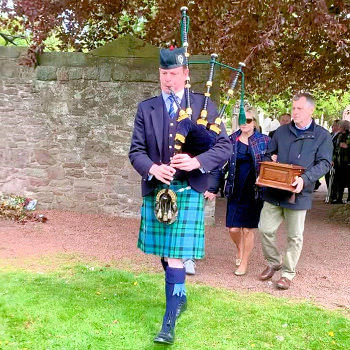
The haunting sound of bagpipes has long accompanied moments of mourning. Piping at funerals is more than musical tradition, it is a cultural ritual, carrying both grief and dignity.
In Celtic communities, music has always been intertwined with memory and storytelling, much like Irish oral traditions. To hear the pipes at a funeral is to feel history itself resonate.
Historical Roots of Funeral Piping
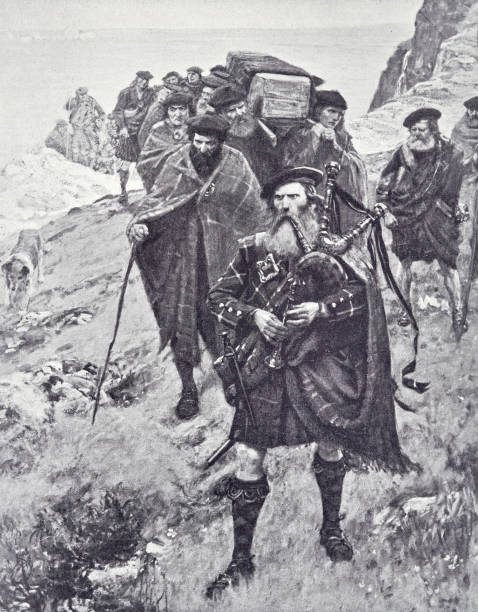
The bagpipe’s association with mourning dates back centuries. In Scotland and Ireland, pipes marked both battlefields and gravesides, bridging the worlds of the living and the dead.
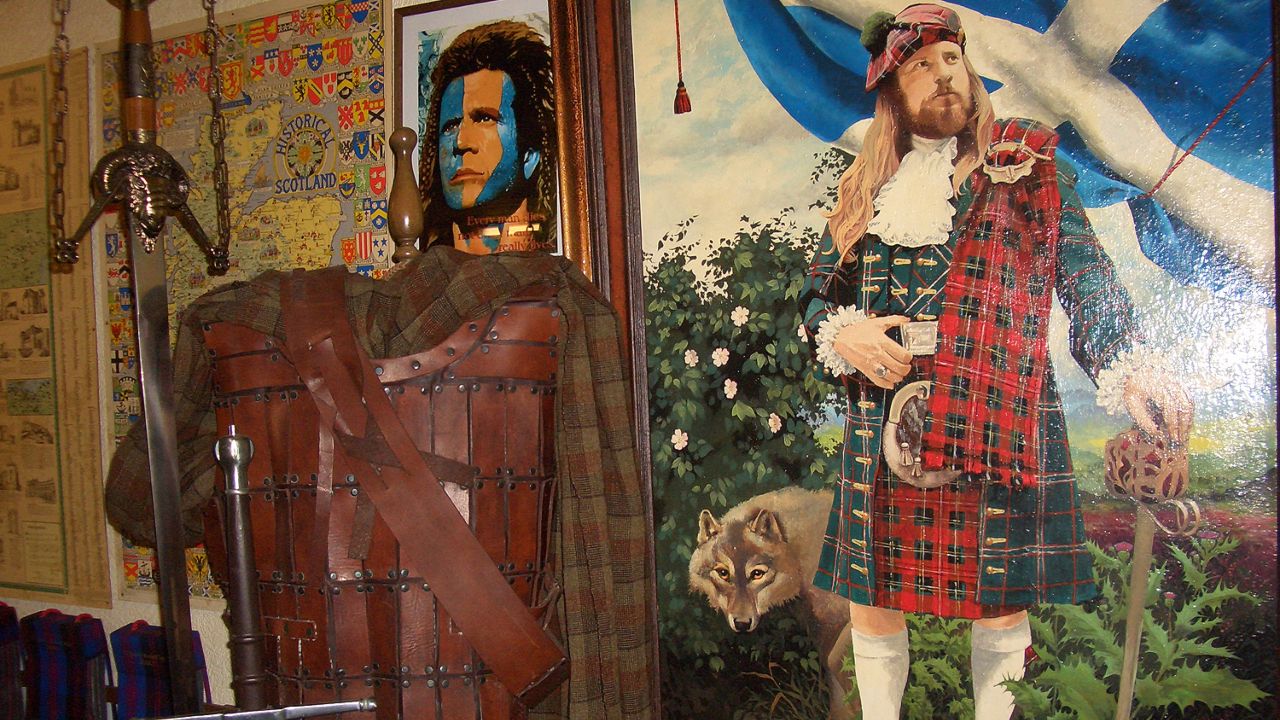
Much like Celtic stone carvings, funeral piping was symbolic: an art form that connected community, ancestry, and spirituality. Over time, it became especially common within military traditions, where the pipes honored fallen soldiers with solemn grace.
The Symbolism of the Bagpipes
Bagpipes produce a sound unlike any other—piercing, melancholic, and deeply moving. At funerals, this sound functions as:
- A call to remembrance – echoing through generations, like Gaelic proverbs spoken at gatherings.
- A spiritual transition – helping guide the soul, much as Irish holy wells symbolized passage between worlds.
- A communal expression of grief – uniting mourners in a shared experience.
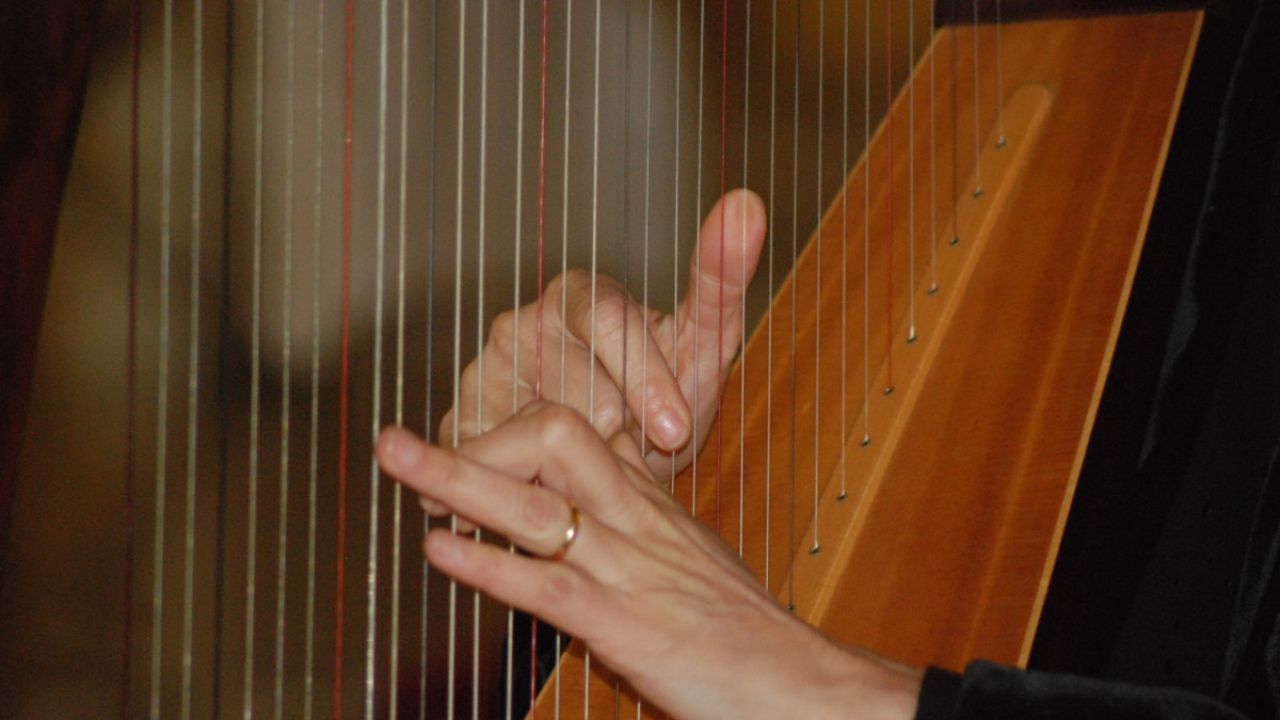
This blend of symbolism recalls how music and ritual shaped other aspects of Celtic life, from the clarsach harp to bodhrán drumming.

Common Funeral Tunes
Certain pieces have become synonymous with funeral piping. Perhaps the most recognized is Amazing Grace, though traditional Celtic laments also remain prominent. These melodies often weave together mourning and hope, loss and memory.
The same duality, sorrow balanced by resilience can be traced in Ireland’s history, as during the Irish Potato Famine, when music and ritual sustained cultural identity amid hardship.
Piping Beyond the Funeral
Although strongly linked to funerals, piping also features in weddings, festivals, and commemorations. The instrument embodies continuity: marking life’s endings and beginnings alike.
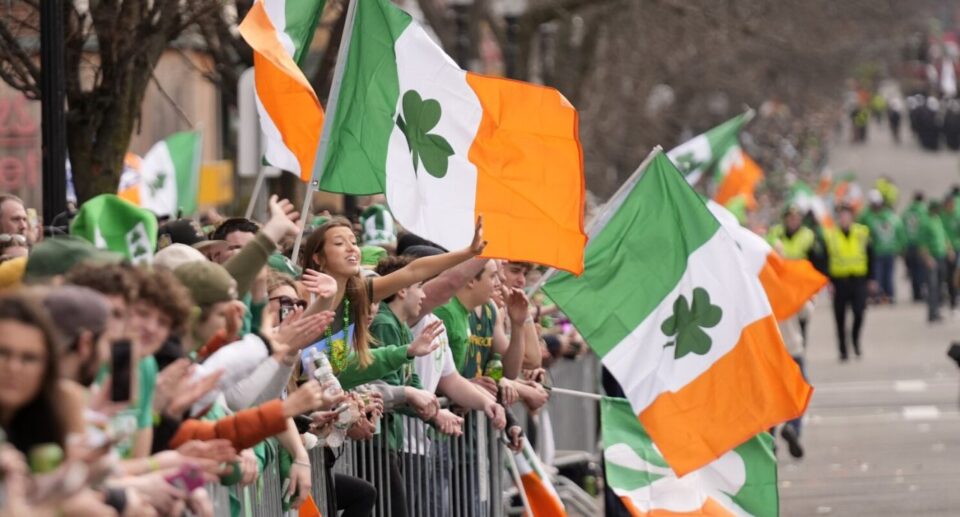
This versatility mirrors other Celtic symbols of life’s cycles, from the sacred oak tree to seasonal rituals like St. Patrick’s Day.
Conclusion
Piping at funerals is a practice steeped in history, symbolism, and emotion. It reflects not only grief but also the resilience of Celtic culture, where music has long been a vessel of memory and meaning.
To explore more about Celtic traditions, visit the CeltGuide blog.