

Gaelic Trickster Tales: Wit, Wisdom, and Mischief in Celtic Lore
Every culture has its tricksters, clever, sly, and often just a little too mischievous for their own good. In Gaelic folklore, these characters dance between wisdom and folly, blurring the line between chaos and cleverness. They remind us that tradition is not only about solemn rituals but also about laughter, wit, and the unexpected.
Just as Irish people are often called natural storytellers, the Gaelic trickster embodies this gift, spinning situations into lessons while entertaining audiences with humor and satire.
The Trickster’s Place in Gaelic Lore
Unlike solemn warriors or divine heroes, tricksters in Gaelic tradition were ordinary—yet extraordinary. They were:
- Clever farmers or wanderers who outwitted the wealthy.
- Mischievous creatures who shifted shape or played pranks.
- Challengers of authority, exposing arrogance through humor.
These tales served as a form of social commentary, often poking fun at pride, greed, or blind obedience.
Famous Trickster Figures
1. The Púca: The Shapeshifting Prankster
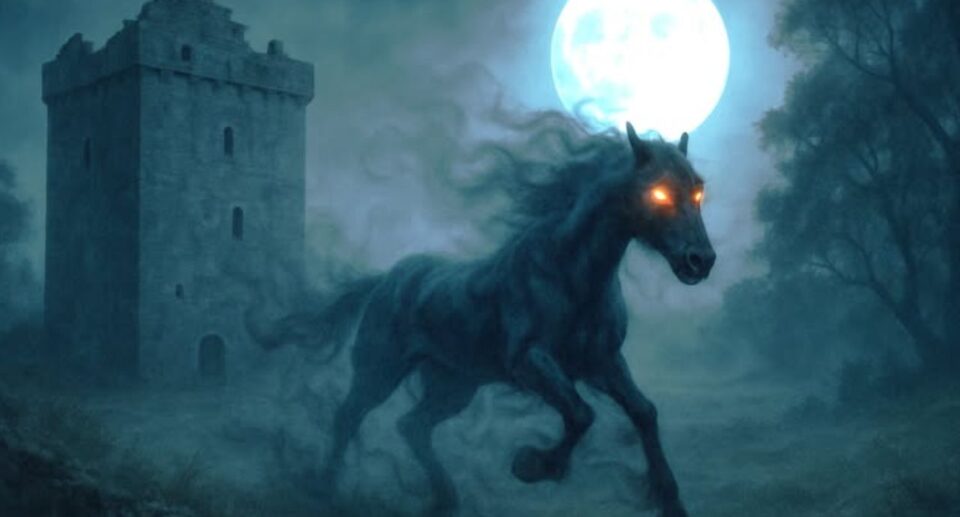
One of the most mischievous beings in Irish folklore is the Púca, a shapeshifter that could appear as a horse, goat, or even a shadowy man. Travelers unlucky enough to encounter a Púca might find themselves whisked away on a midnight ride—part terrifying, part exhilarating.
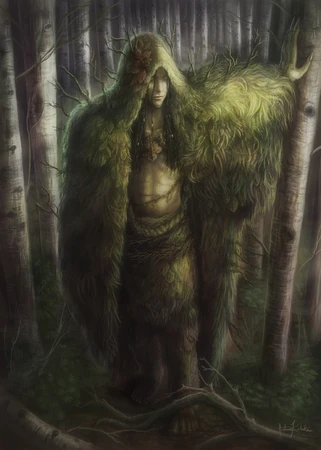
2. Gille Dubh: The Wild Trickster of the Woods
In Scottish Gaelic lore, the Gille Dubh was a solitary woodland spirit. Though generally gentle, he was known for teasing travelers, hiding their belongings, or leading them astray on moonlit nights.
3. Loki’s Celtic Cousins
Though more famous in Norse mythology, figures resembling Loki appear in Gaelic stories too—tricksters who challenged gods, disrupted feasts, or created chaos only to restore balance. These figures remind us of the interconnected threads between Celtic and Norse myth.
Lessons Behind the Laughter
Gaelic trickster tales weren’t only for entertainment. They carried layers of meaning:
- Humility: The proud are often humbled by the sly.
- Cleverness over strength: Wit could achieve what swords could not.
- Balance of order and chaos: Tricksters remind us that a touch of mischief prevents life from becoming too rigid.
This balance echoes themes found in the legend of the Celtic Sun God Lugh, who embodied both light and skillful cunning.
Storytelling as Survival
In many ways, Gaelic trickster tales mirrored the struggles of common folk. When hardship struck whether during the Irish Potato Famine or under the weight of landlords, humor and storytelling became weapons of resilience. The trickster’s victories gave ordinary people hope that cleverness and courage could outwit oppression.

Tricksters in Today’s Imagination
Even today, echoes of Gaelic trickster lore remain. From modern fantasy literature to Celtic festivals, the spirit of mischief thrives. Characters in films and novels; shapeshifters, clever rogues, and witty heroes, owe much to the Gaelic tradition.
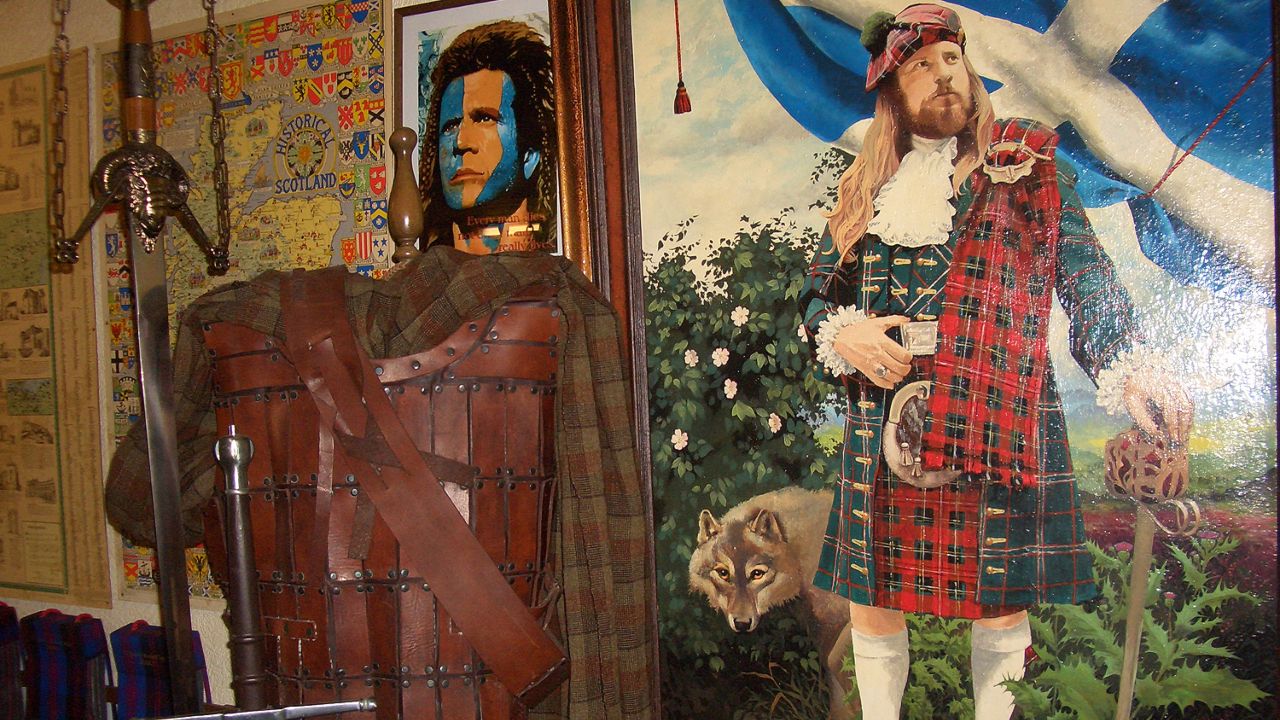
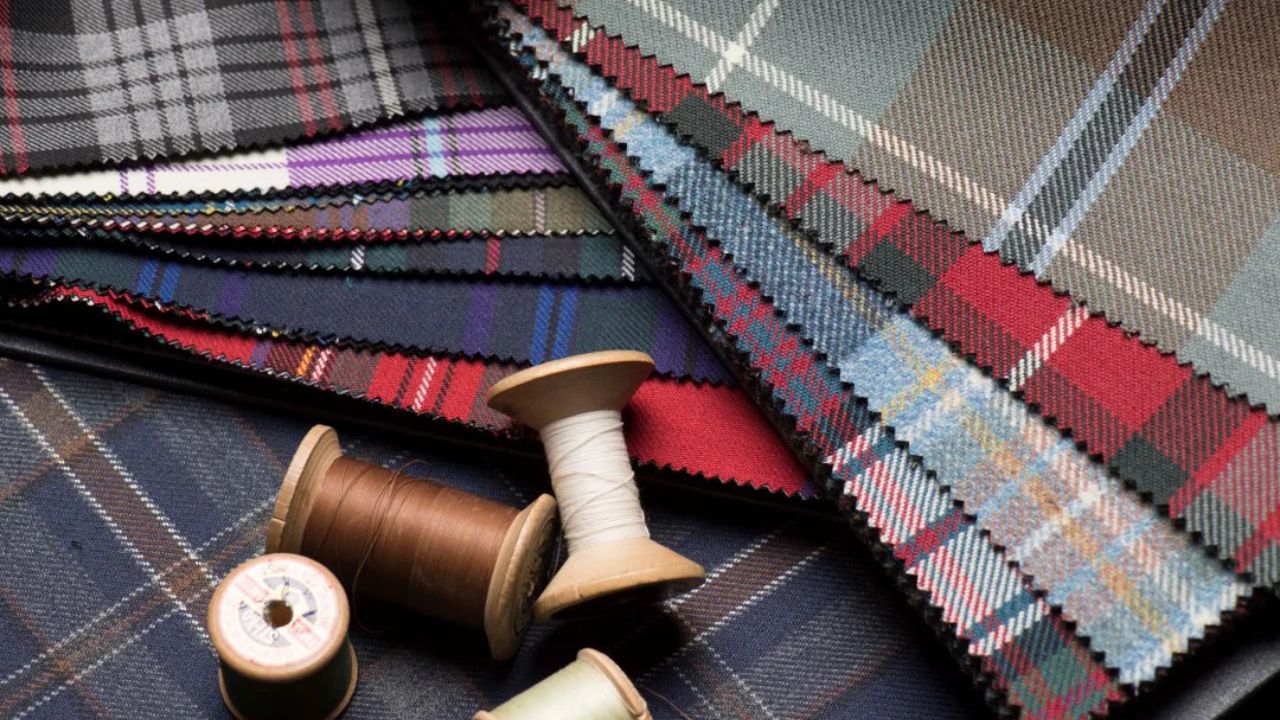
Kilts, harps, and tartans might showcase Celtic heritage visually (see What is Tartan?), but trickster tales showcase the wit and humor that lie at its cultural heart.
Conclusion: Laughter as Legacy
Gaelic trickster tales are more than just folklore, they are a mirror of human nature. They show us that wit can topple arrogance, laughter can heal wounds, and mischief, in the right dose, is essential to life.
By remembering the Púca, the Gille Dubh, and countless nameless jesters, we preserve a tradition where humor is history, and history laughs back.