Celtic Triquetra (Trinity Knot): Meaning, Origins, and Symbolism
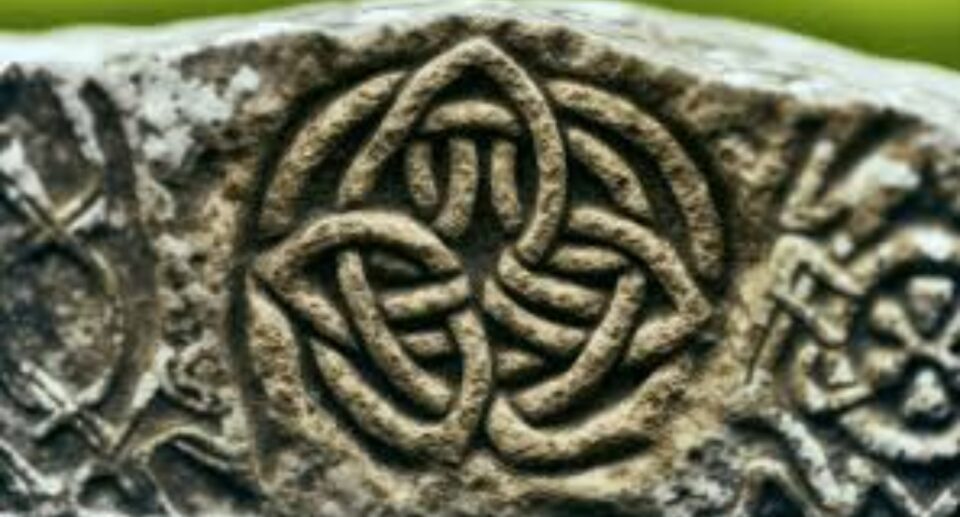
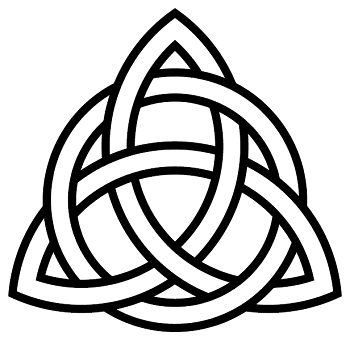
The Celtic Triquetra, often called the Trinity Knot, stands among the most recognisable symbols in Celtic art. Its three interlocking arcs form a continuous line with no beginning and no end. That design carries power. It speaks of eternity, unity, and the deep Celtic instinct to see life as a sacred cycle rather than a straight line.
Visitors who browse our wider explorations of Celtic heritage on the CeltGuide blog will quickly notice how often this symbol appears in manuscripts, carvings, jewellery, and even modern tattoos. The Triquetra never vanished. It simply adapted.
What Is the Celtic Triquetra?
The word “Triquetra” comes from Latin and means “three-cornered.” The design features three interwoven loops, often enclosed within a circle. Unlike later decorative motifs, early knotwork carried philosophical depth. Celtic artists avoided loose ends. Their lines flowed endlessly. That visual continuity reflected a worldview grounded in cycles of nature, ancestry, and the unseen world.
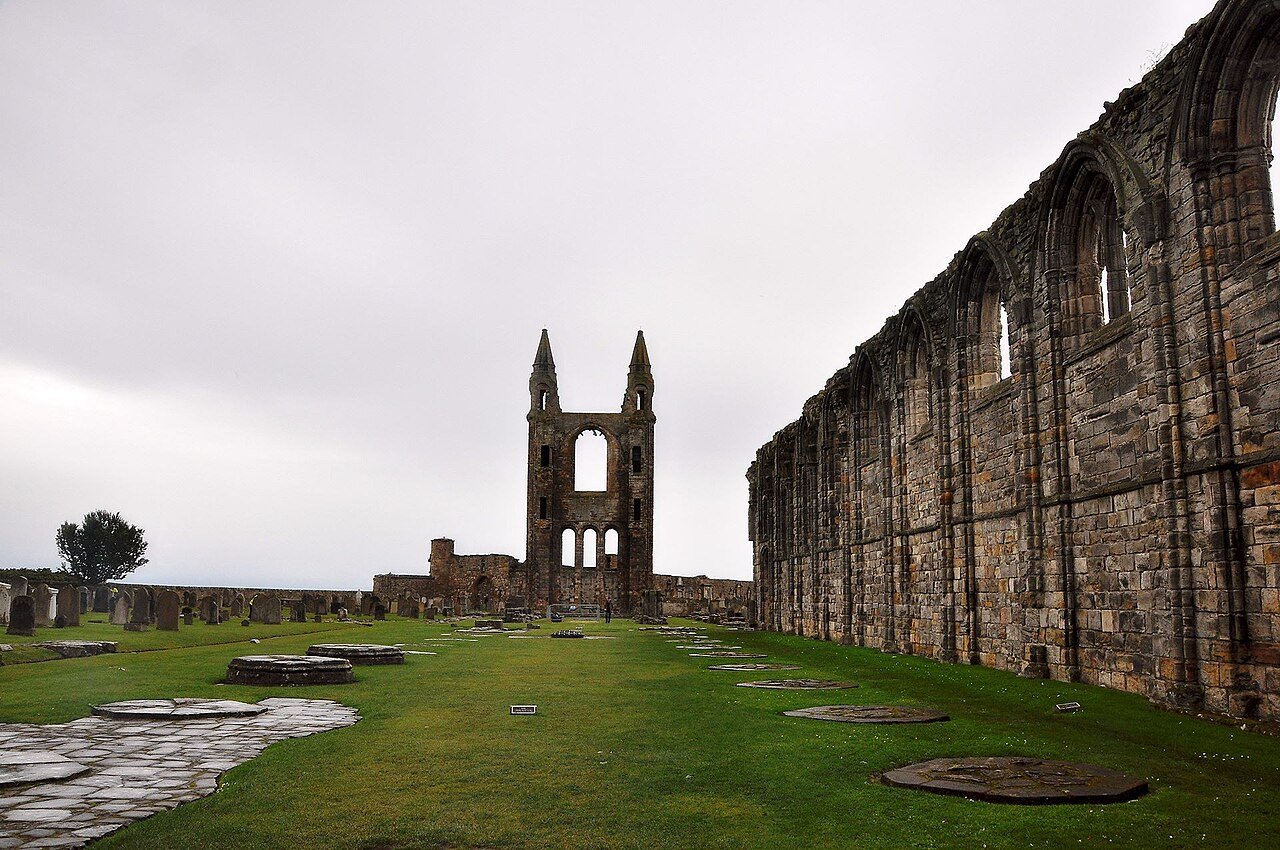
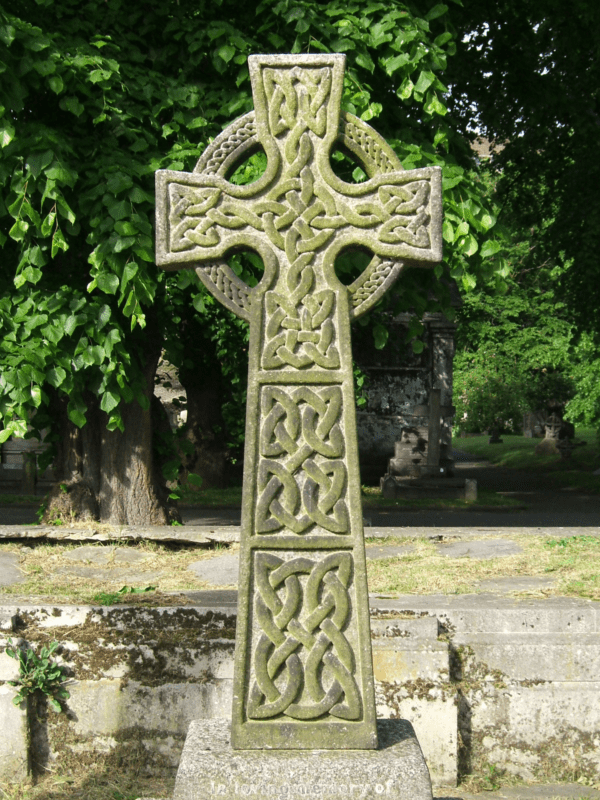
You will see similar flowing patterns in early Celtic stone carvings across Ireland and Scotland. These carvings demonstrate how geometry and spirituality merged in early medieval art.
Pagan Roots: The Power of Three
Long before Christianity reached Celtic lands, the number three held sacred meaning. Celtic mythology honours triads constantly. Land, sea, and sky. Maiden, mother, and crone. Birth, life, and death. The structure of the Triquetra reflects that worldview.
Scholars often connect the symbol to triple deities. The Celtic sun god Lugh, for example, embodies mastery across multiple domains. The Triquetra visually captures that layered identity. It suggests strength through unity rather than dominance.
In Irish storytelling traditions, which you can explore in our discussion on why Irish people are natural storytellers, triadic phrasing shaped memory and oral transmission. The Triquetra fits seamlessly into that narrative rhythm.
Christian Adaptation and the Holy Trinity
When Christianity spread through Ireland and Scotland, missionaries did not erase existing symbols. Instead, they reinterpreted them. The Triquetra became a visual representation of the Holy Trinity: Father, Son, and Holy Spirit.
Monastic scribes integrated the knot into illuminated manuscripts. You can still see its influence in sacred texts and religious art connected to Scottish Gaelic Bible traditions. The symbol allowed continuity. It bridged older cosmologies and emerging theology without cultural rupture.
The enclosing circle, often added in Christian contexts, reinforced the idea of divine eternity. The design therefore functioned as both theological statement and cultural compromise.
The Triquetra in Celtic Art and Material Culture
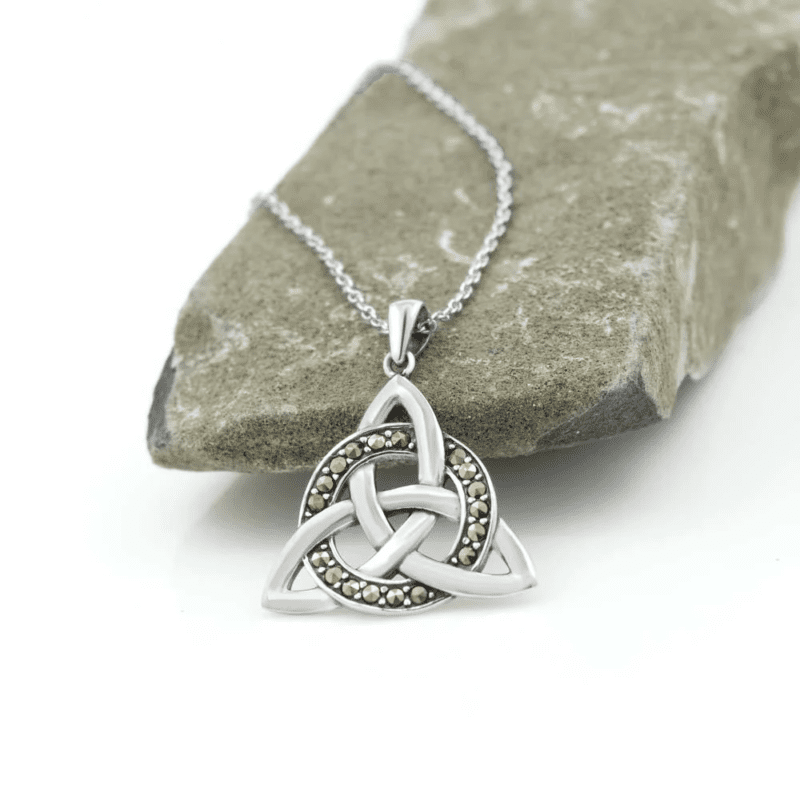
The Triquetra appears in jewellery, brooches, pendants, and modern wedding rings. Its symbolism of unity and eternal connection makes it popular in romantic contexts. The Claddagh ring, another powerful Irish emblem, carries a similar emotional resonance through hands, heart, and crown symbolism.
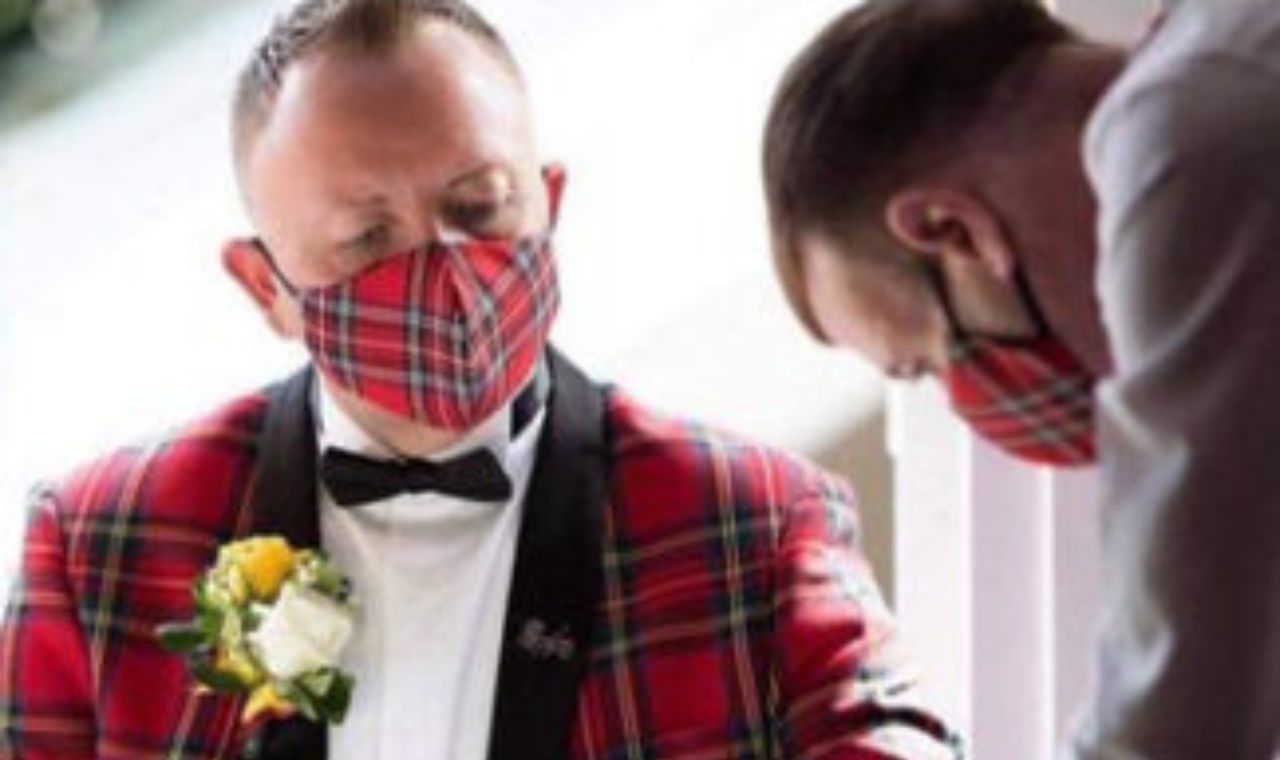
You will also find the Trinity Knot woven into textile patterns, often alongside tartan designs. While tartan follows a distinct historical trajectory, both motifs demonstrate how identity can travel through fabric, stone, and metal.
Symbolism in Contemporary Celtic Identity
Today, the Triquetra functions as a marker of heritage. It appears in festivals, tattoos, jewellery, and even logos for Celtic organisations. During celebrations such as Saint Patrick’s Day, it often accompanies other cultural icons.
Its endurance reflects something deeper than fashion. The Triquetra offers simplicity without losing depth. It communicates eternity, balance, and belonging in a single continuous line.
Modern musicians sometimes incorporate knot imagery into album artwork. Traditional instruments such as the bodhrán or the clarsach often appear alongside Celtic knotwork in visual design. This blending of sound and symbol reinforces continuity across art forms.
What Does the Celtic Trinity Knot Mean Today?
People interpret the Triquetra in different ways. Some see the Christian Trinity. Others honour pagan triple symbolism. Many simply embrace the idea of unity in diversity. Its strength lies in that openness.
The symbol invites reflection rather than dictating meaning. That quality explains its survival across centuries of political, religious, and social change.
Conclusion: A Symbol Without End
The Celtic Triquetra endures because it mirrors the worldview from which it emerged. It values continuity over fragmentation, respects tradition while allowing reinterpretation, and reminds us that identity, like its endless line, remains connected to past, present, and future.
For readers interested in deeper mythological and folkloric symbolism, our Mythology & Folklore category offers further exploration of Celtic spiritual imagination.
In the Trinity Knot, geometry becomes philosophy. And through a simple interwoven design, the Celtic world still speaks.