

Celtic Triple Spiral Symbol (Triskele) Meaning

Few symbols capture the rhythm of Celtic thought as elegantly as the Triple Spiral, often called the Triskele. Three interlocking spirals turn outward from a shared center. They move continuously. They never truly end.
At first glance, the design appears simple. Yet it encodes a worldview. The Triskele expresses motion, balance, and sacred cycles. It reminds us that Celtic culture rarely viewed life as linear. Instead, it embraced recurrence: birth, growth, decline, and renewal.
If you have explored our reflections on Celtic Stone Carvings, you will already recognize how deeply spiral motifs shape early Irish and Scottish art. The Triple Spiral stands among the most enduring of these forms.
Ancient Origins of the Triskele
Archaeological evidence places spiral motifs in Ireland long before the classical Celtic period. Megalithic sites preserve carved spirals that predate written language. These carvings testify to a symbolic language rooted in movement and continuity.
The spiral does not merely decorate stone. It expresses cosmology. It suggests the sun’s path, the moon’s cycle, or the turning of seasons. Later Celtic communities inherited and reinterpreted these earlier motifs, embedding them within their own mythic frameworks.
Sacred landscapes such as the Hill of Tara reinforce this continuity between ancient ritual space and evolving symbolism. The Triskele belongs to that lineage of sacred geometry.
What Does the Triple Spiral Symbolise?
Scholars debate the precise meaning of the Triskele. Yet several interpretations recur consistently:
- Life, Death, and Rebirth
- Land, Sea, and Sky
- Past, Present, and Future
- Mind, Body, and Spirit
Each triad reflects balance in motion. The three arms do not oppose one another. They flow outward together.
This triadic logic permeates Celtic mythology. Consider the abundant symbolism in the Cauldron of Dagda, where renewal and sustenance operate cyclically. Or reflect on the Otherworld described in What Is Annwn?, where time bends and mortality yields to transformation.
The Triskele does not dictate a single meaning. It invites layered understanding.
The Triskele in Myth and Storytelling
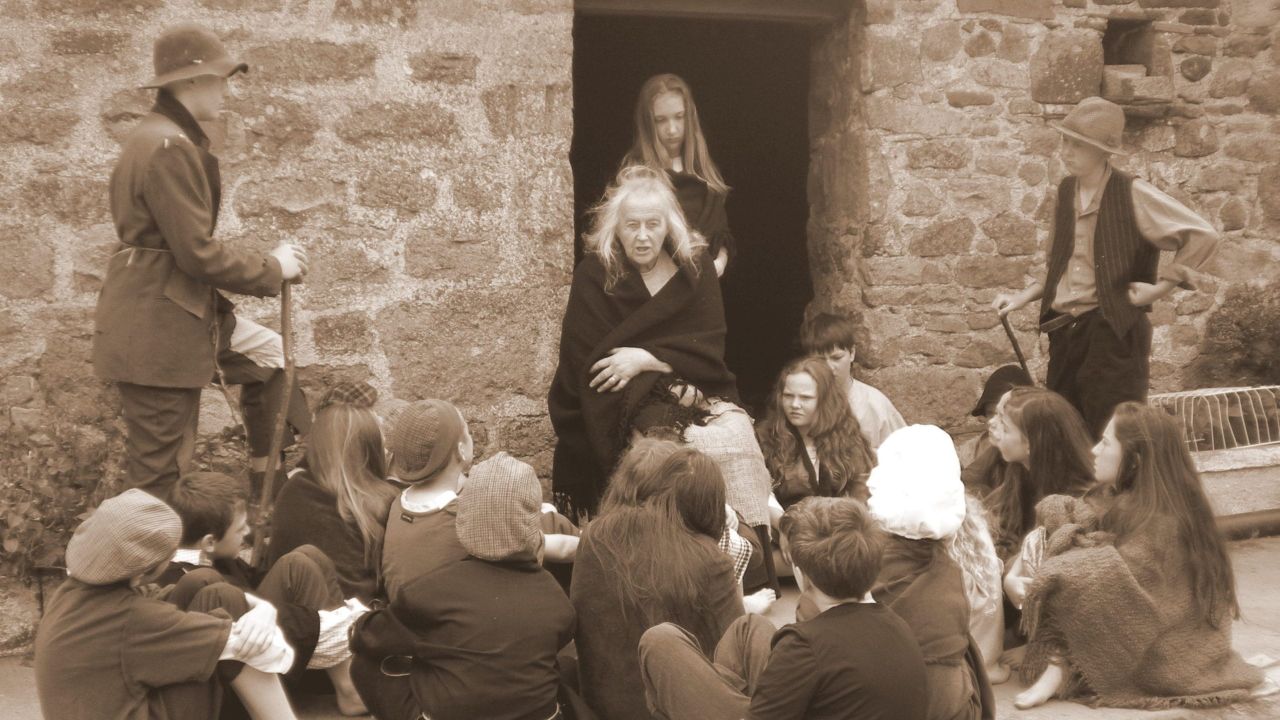
Celtic culture preserved memory through oral tradition. As we examined in Why Are Irish People Natural Storytellers?, narrative shaped identity. Symbols like the Triskele functioned as visual shorthand for complex ideas.
A storyteller might not describe abstract cosmology. Instead, they would evoke cycles through tale and metaphor. The hero journeys outward and returns transformed. The seasons shift and return. The spiral pattern mirrors that narrative arc.
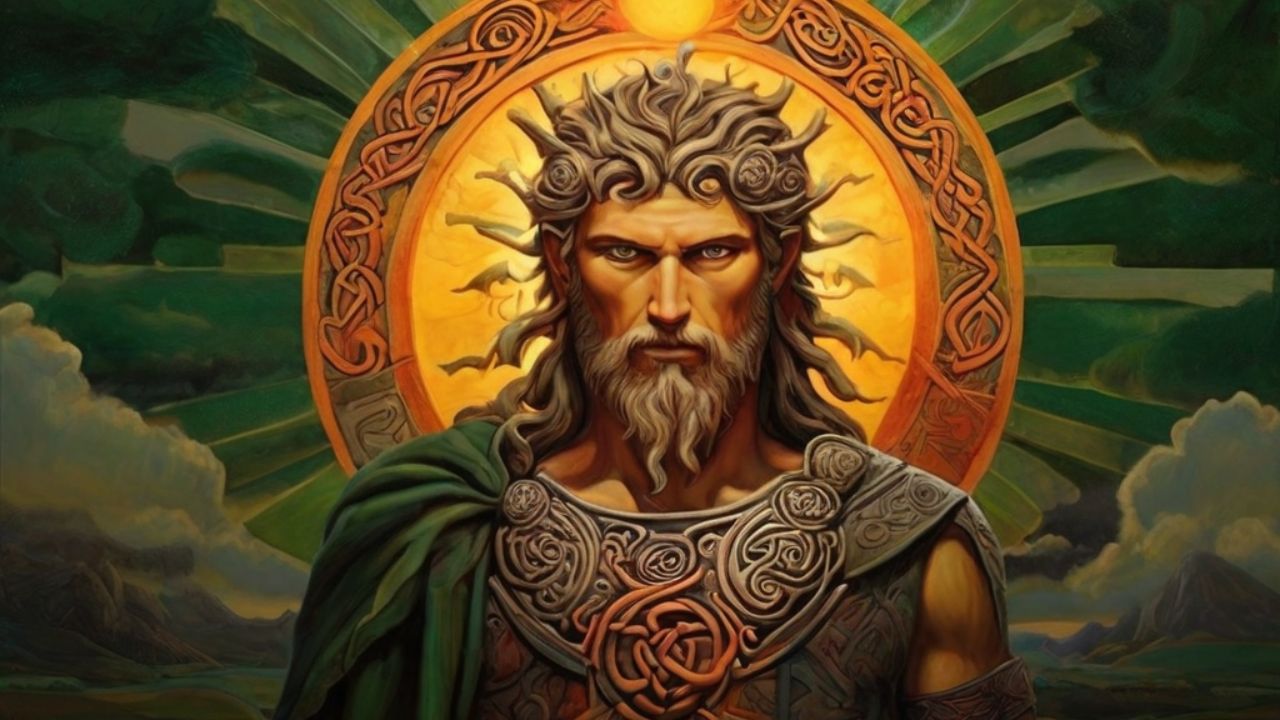
Even figures such as Lugh, explored in Celtic Sun God Lugh, embody cyclical renewal. Festivals honour his presence annually. The spiral captures that rhythmic recurrence.

Art, Craft, and Cultural Identity
The Triple Spiral continues to influence Celtic design. While tartan patterns differ structurally, their repeating geometry reflects a similar respect for balance and continuity. Our exploration of What Is Tartan? reveals how pattern encodes identity.
Jewellery also carries spiral motifs. Rings, pendants, and brooches integrate the Triskele into wearable heritage. Much like the symbolism discussed in Claddagh Ring Meaning, History and Symbolism, the Triple Spiral condenses cultural philosophy into elegant form.
Music expresses similar movement. The layered rhythms of the bodhrán, detailed in The Bodhrán Drum, and the flowing lines of Fiddle Music echo cyclical motion. Sound spirals as surely as stone carving.
The Triskele thrives because it adapts.

Spiritual Resonance in the Modern World
Modern spiritual movements often adopt the Triskele as a symbol of holistic balance. Yet its enduring appeal stems from older foundations.
Celtic spirituality honoured sacred wells, trees, and thresholds. Our study of Irish Holy Wells demonstrates how communities linked water with renewal. The spiral mirrors that flow.
Similarly, the oak tree, discussed in Celtic Oak Tree, symbolises strength through seasons. Growth does not move in straight ascent. It curves and returns.
The Triskele invites us to recognise that change does not negate continuity. Instead, it sustains it.
Why the Triple Spiral Still Matters
In an age that prizes speed and linear progress, the Triskele offers a corrective. It reminds us that growth unfolds gradually. It teaches that endings seed beginnings.
Celtic communities endured hardship, as reflected in historical discussions such as The Influence of the Irish Potato Famine. Even amid suffering, cultural identity persisted. Like the spiral, it bent but did not break.
The Triple Spiral symbolises resilience through rhythm.
Conclusion
The Celtic Triple Spiral, or Triskele, stands among the most profound symbols in Irish and Scottish heritage. It originates in ancient stone carvings, evolves through myth and art. It endures in jewellery, music, and spiritual reflection.
Above all, it expresses motion within unity. Three arms, one centre. Change without fragmentation.
If you wish to explore more Celtic symbolism and tradition, visit our main archive at https://celtguide.com/blog/ and continue your journey through living heritage.
The Triskele does not merely decorate the past. It turns quietly within the present, reminding us that life, like the spiral, always moves forward by circling home.