Celtic Bride’s Blessing Rituals: Love, Lore & Sacred Union

In the Celtic world, marriage was never a private affair. It stood at the crossroads of family, land, ancestry, and the unseen realms. A bride did not simply walk into marriage; she entered it under protection, intention, and spoken blessing.
These Celtic bride’s blessing rituals blended poetry, symbolism, and belief. They drew strength from the land, the ancestors, and divine forces. Even today, these blessings continue to echo through modern Celtic-inspired weddings, carrying ancient wisdom forward. For readers new to Celtic tradition, the roots of this storytelling culture are explored in depth in Why Are Irish People Natural Storytellers?.
The Spoken Blessing: Power of the Living Word
Words held power in Celtic society. A blessing was not decorative speech. It shaped reality.
Bridal blessings often followed a poetic rhythm, similar to early Gaelic verse. Elders, parents, or a community bard spoke them aloud. Many invoked fertility, harmony, and protection from misfortune. Some blessings survived through oral tradition and later appeared in Christianized forms, blending pagan and biblical language, as seen in early Scottish Gaelic Bible translations.
Handfasting and the Binding of Fate
One of the most iconic rituals linked to bride blessings is handfasting. The bride and groom joined hands with woven cords or ribbons, symbolizing unity.
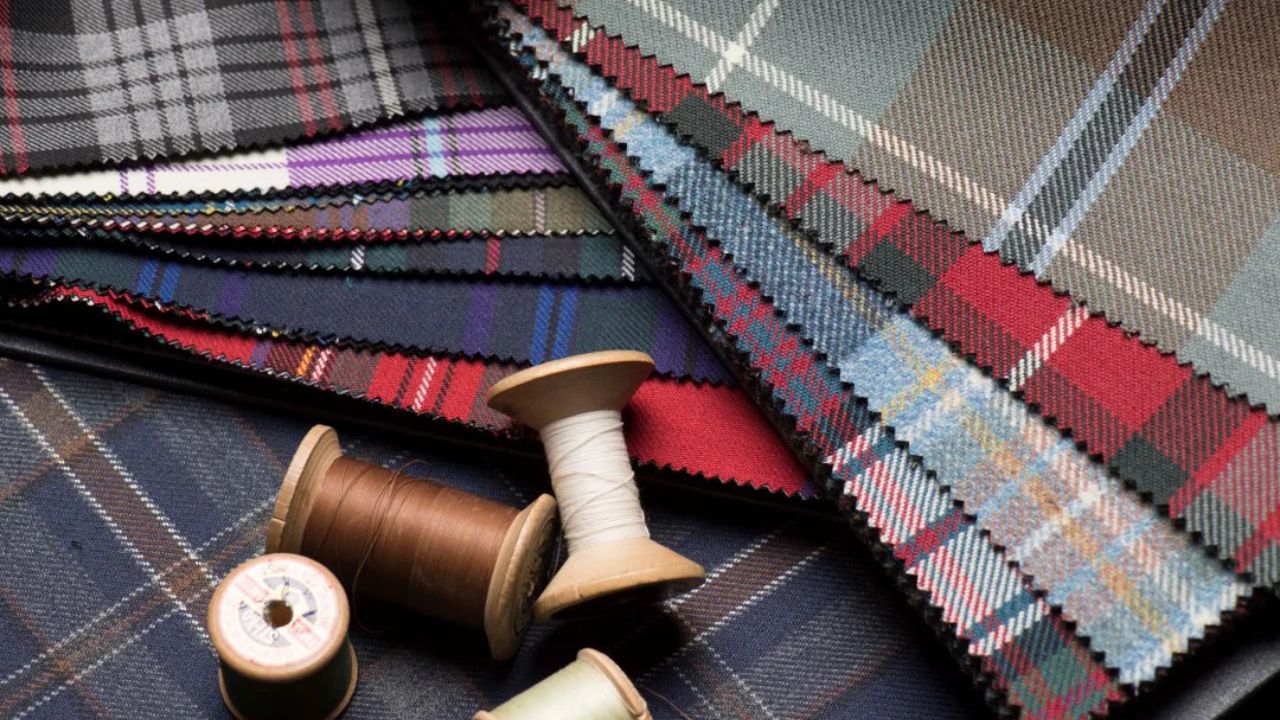
Often, the bride received a specific spoken blessing during this act. The words emphasized balance, mutual respect, and shared responsibility. The cords themselves sometimes reflected clan colors or tartan patterns, connecting the bride to lineage and place. To understand this symbolism, see What Is Tartan? and How Long Has Tartan Been Around?.

Sacred Objects Used in Bridal Blessings
Celtic blessings rarely stood alone. They worked alongside meaningful objects.
- The Claddagh Ring symbolized love, loyalty, and friendship. Brides often received one as part of their blessing ritual. You can explore its symbolism in Claddagh Ring Meaning, History and Symbolism.
- The Oak Leaf, sacred to the Celts, represented strength and endurance. The oak’s spiritual role appears across Celtic culture, including in The Celtic Oak Tree.
- Water from holy wells blessed the bride for fertility and protection. These practices align closely with traditions discussed in Irish Holy Wells: Portals to the Past.

Music, Rhythm, and the Feminine Voice
Blessings sometimes unfolded through sound rather than speech. Harps, drums, and gentle chants accompanied bridal rites.
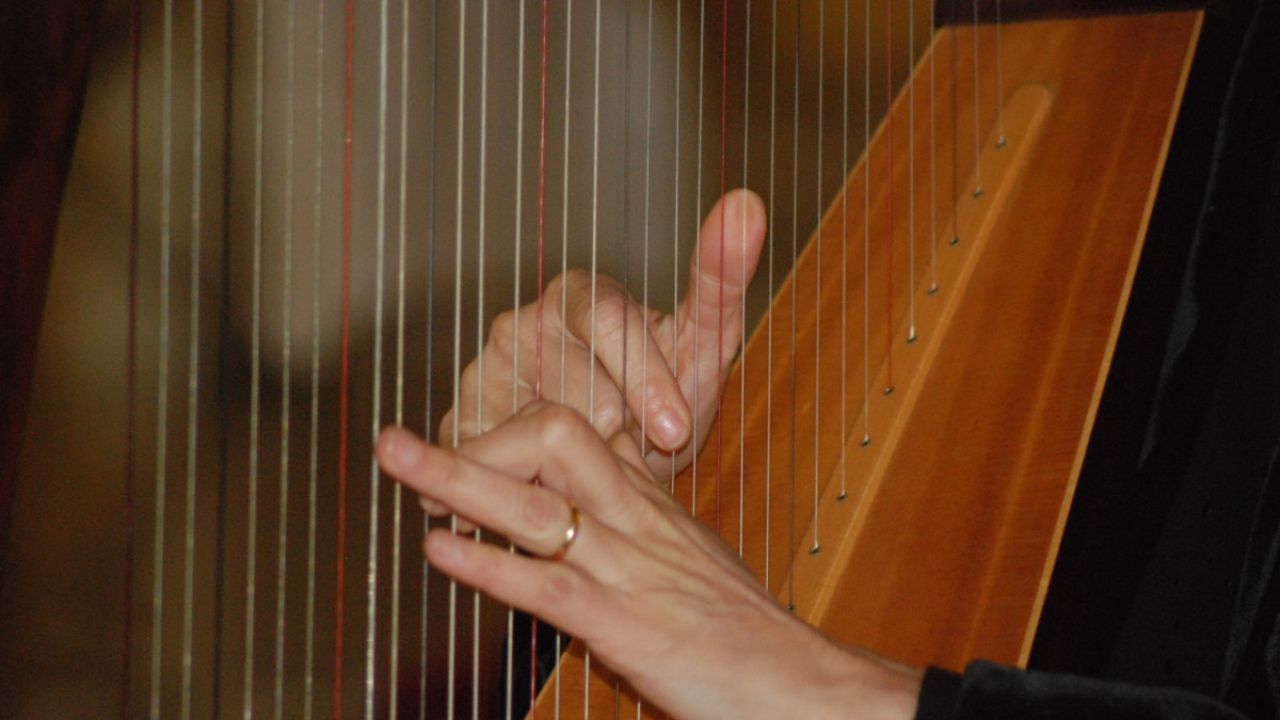
The clàrsach, or Celtic harp, played a vital role in ceremonial moments. Its sound symbolized harmony between worlds. Learn more in What Is a Clarsach?. In other regions, the bodhrán drum marked transitions with a steady heartbeat rhythm, as explored in The Bodhrán Drum.

Pagan Roots and Christian Adaptation
Before Christianity, blessings often invoked deities such as Lugh, associated with light, skill, and prosperity. Over time, Christian elements replaced direct deity references while preserving structure and symbolism. This blending reflects broader Celtic mythological continuity, also visible in sacred sites like the Hill of Tara.
Bridal blessings evolved but never disappeared. They adapted, as Celtic culture always has.
Why These Blessings Still Matter Today
Modern couples return to Celtic bride blessings not out of nostalgia, but meaning. These rituals emphasize intention over spectacle. They remind the bride that marriage connects her to history, community, and continuity.
In a world of fleeting trends, Celtic bridal blessings offer something rare: rootedness.
Final Reflection
The Celtic bride’s blessing rituals reveal how deeply the Celts understood marriage as a sacred passage. They honored love through words, objects, and rhythm. Above all, they trusted the power of spoken hope.
For more explorations of Celtic tradition, visit the CeltGuide Blog or browse the Mythology & Folklore category.