The Role of Irish Monks in Preserving Europe Culture
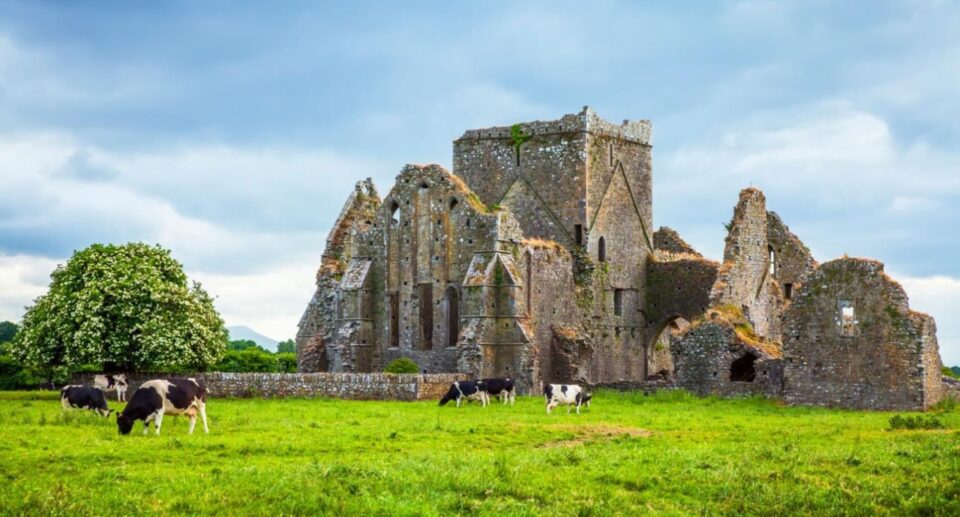
When much of Europe entered the so-called Dark Ages, learning did not vanish, it migrated. It found refuge on the windswept shores of Ireland. There, Irish monks cultivated knowledge with remarkable discipline and vision. They did not merely preserve culture; they reshaped its future.
Ireland: A Sanctuary of Learning

After the decline of the Western Roman Empire, instability spread across continental Europe. Libraries disappeared. Schools declined. Yet Ireland stood apart. It never fell under Roman rule, and it escaped many of the disruptions that followed Rome’s collapse.
Irish monasteries became centres of literacy and scholarship. Monks studied Latin texts, scripture, and classical works. They built structured communities where learning thrived.
These institutions formed the backbone of what we now call Celtic Christianit; deeply intellectual, disciplined, and outward-looking.
The Scriptoria: Guardians of Knowledge
Inside monastery walls, scriptoria (writing rooms) became hubs of cultural preservation. Monks copied texts by hand with extraordinary care.
They preserved:
- Biblical manuscripts
- Latin literature
- Classical Greek works (via Latin translations)
- Early Christian theology
The Book of Kells stands as a masterpiece of this tradition. Its intricate designs reflect both artistic brilliance and scholarly dedication.
This manuscript culture ensured that Europe did not lose access to its intellectual heritage.

Missionary Scholars and Cultural Transmission

Irish monks did not remain isolated. They travelled widely across Europe as missionaries and teachers.
Figures like Saint Columbanus established monasteries in regions such as modern France and Italy. These institutions became new centres of learning.
Through their journeys, Irish monks:
- Reintroduced literacy in parts of Europe
- Founded schools and libraries
- Encouraged intellectual discipline
Their influence reached far beyond Ireland, shaping the educational revival of early medieval Europe.
Blending Faith, Art, and Identity

Irish monks did more than copy texts. They infused them with distinct artistic and cultural elements.
Celtic motifs; interlacing patterns, symbolic animals, and sacred geometry appeared in manuscripts and stone carvings. You can explore similar artistic traditions in this guide to Celtic Stone Carving.
This fusion of faith and art created a uniquely Irish expression of Christianity. It also influenced broader European aesthetics.
Language, Memory, and Oral Tradition
Irish monastic culture valued both written and spoken knowledge. Monks recorded oral traditions that might otherwise have vanished.
This preservation links closely to Ireland’s storytelling heritage. As discussed in why Irish people are natural storytellers, narrative tradition shaped cultural identity across generations.
Monks documented:
- Myths and legends
- Genealogies
- Early histories
By writing these down, they bridged oral and written culture.
The Legacy of Irish Monastic Scholarship

The legacy of Irish monks extends far beyond their own time. Their work laid the foundation for later intellectual developments in Europe.
They influenced:
- The Carolingian Renaissance
- The preservation of classical education
- The formation of medieval universities
Even modern cultural traditions trace roots to this monastic effort. For instance, religious texts and translations discussed in Scottish Gaelic Bible translations reflect this enduring scholarly tradition.
Conclusion
Irish monks did not simply preserve European culture, they revitalised it. They worked in remote monasteries, yet their influence reached across continents and centuries.
They copied manuscripts with patience, travelled with purpose, and taught with conviction.
In doing so, they ensured that Europe retained its intellectual memory during one of its most fragile periods.
Their legacy reminds us of a simple truth: culture survives when individuals commit themselves to its care.