
Irish Wolfhound Symbols in Celtic Tradition
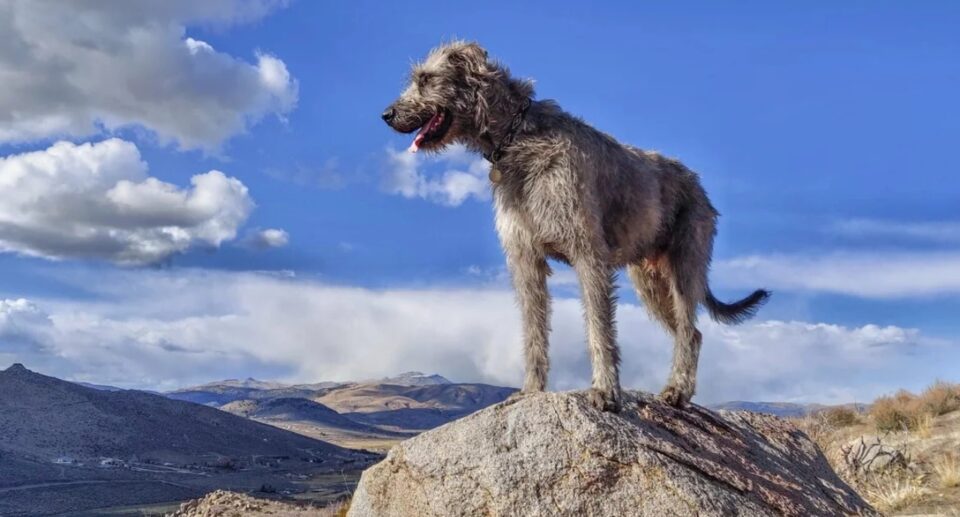
The Irish Wolfhound stands as more than a dog. In Celtic imagination, it represents loyalty, strength, guardianship, and noble restraint. Its towering presence shaped Irish legend, warfare, and royal symbolism for centuries.
When we explore Celtic identity across the CeltGuide blog, we often meet animals that carry mythic weight. The wolfhound belongs among them. Like the oak in Celtic symbolism or the sacred motifs carved into ancient stone, the wolfhound speaks through image and story rather than speech.
The Wolfhound in Early Irish Society
Early Irish society valued the wolfhound for practical and symbolic reasons. These dogs hunted wolves and guarded settlements. They accompanied warriors into battle. Kings gifted them to foreign rulers as marks of prestige.
Classical writers described Irish hounds as immense and courageous. Their reputation travelled beyond Ireland’s shores. In Gaelic law texts, the wolfhound appears among noble possessions. Only elites could own the finest specimens.
This connection between rank and animal echoes broader Celtic social structures. Our exploration of how many Scottish clans highlights similar hierarchies in kin-based societies. Status mattered. Symbols reinforced that status. The wolfhound did exactly that.
Symbol of Loyalty and Devotion
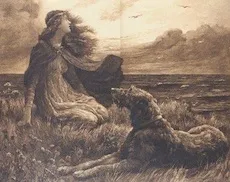
The Irish Wolfhound symbolizes fierce loyalty. Stories describe hounds that guarded their masters even after death. Such narratives align with Ireland’s powerful storytelling tradition. If you consider why Irish people are natural storytellers, you will see how animals often anchor emotional meaning within those tales.
Loyalty in Celtic culture carried sacred weight. Bonds between warrior and hound mirrored bonds within clan and kin. The wolfhound therefore represented more than obedience. It embodied steadfast devotion, even under threat.
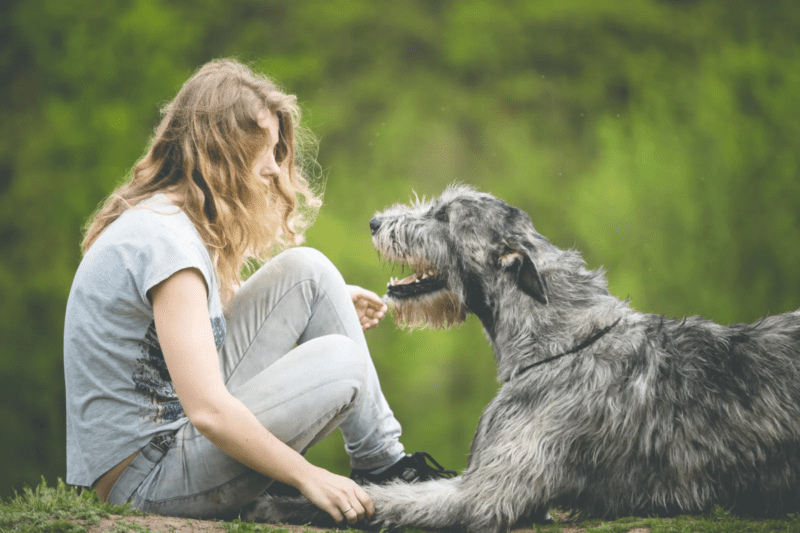
Modern families who adopt the breed often speak of its gentle temperament. That gentleness, paired with size and strength, reinforces its symbolic balance between power and restraint.
Warrior Symbolism and Heroic Myth
In Irish mythology, heroes often carry the prefix “Cú,” meaning hound. The legendary Cú Chulainn’s very name means “Hound of Culann.” His identity fuses man and guardian beast.
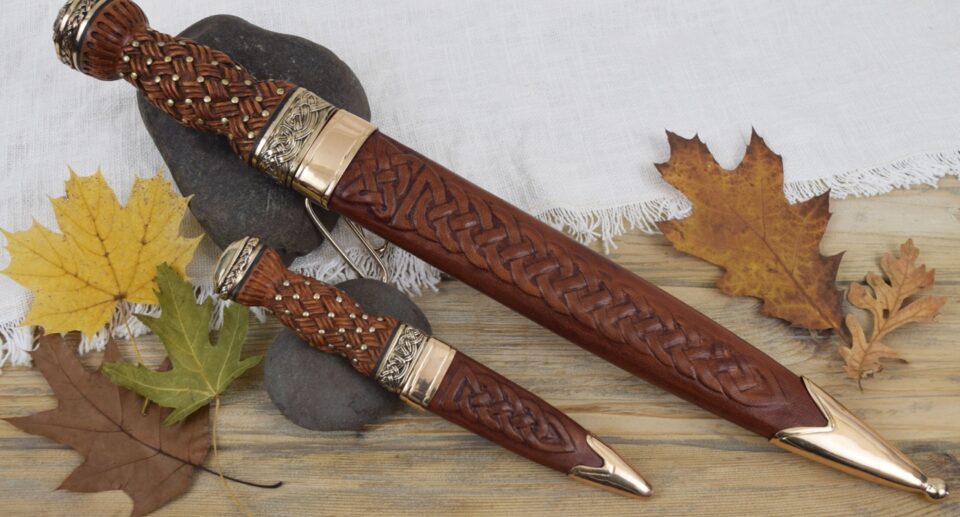
This merging reflects how the wolfhound functioned as a warrior emblem. It symbolised vigilance, courage, and martial honour. Much like the dirk knife in Highland culture, which you can explore in our guide to the dirk, the wolfhound signified readiness and defence.
Celtic myth rarely separates animal and human virtues. Instead, it weaves them together. The wolfhound becomes an extension of heroic character.
Royal and National Identity
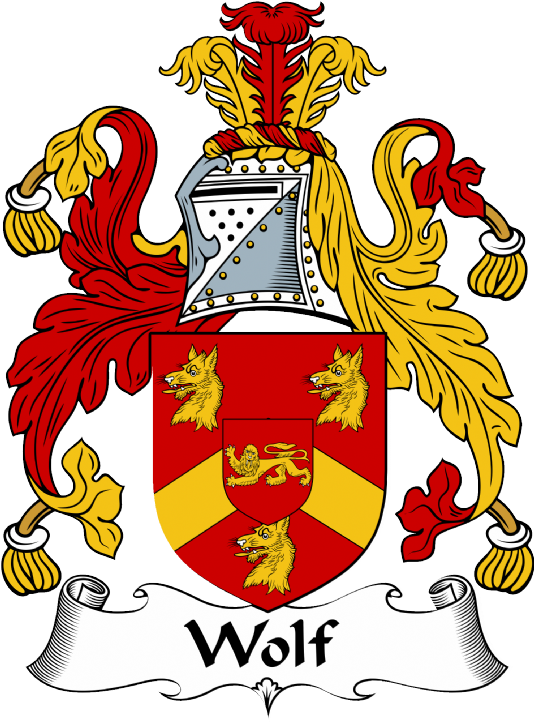
During later centuries, the Irish Wolfhound became a national emblem. Artists engraved its image on coins, crests, and regimental insignia. In times of political change, symbols carried hope. The wolfhound’s endurance mirrored Ireland’s resilience.
Just as the Claddagh ring expresses love and loyalty through visual form, the wolfhound communicates national pride without words. Its silhouette alone evokes Ireland.
The breed nearly vanished in the nineteenth century, especially during upheavals such as those discussed in our article on the influence of the Irish Potato Famine. Yet dedicated breeders revived it. That revival strengthened its symbolic role as survivor and guardian of heritage.
Spiritual and Mythic Associations
Celtic mythology often connects dogs with the Otherworld. In Welsh tradition, Annwn features spectral hounds. You can explore that realm further in our guide to Annwn. While Irish wolfhounds differ from mythic hounds of legend, the association between dogs and liminal spaces remains strong.
The wolfhound therefore stands at symbolic thresholds. It guards physical homes and metaphorical borders between worlds. In this role, it aligns with broader Celtic spiritual patterns, where animals mediate between seen and unseen realms.
The Irish Wolfhound in Modern Culture
Today, the wolfhound appears in logos, sports emblems, military insignia, and cultural festivals. During national celebrations such as Saint Patrick’s Day, its image often accompanies harps and shamrocks.
Musicians and artists also draw inspiration from its noble bearing. Visual motifs in traditional music circles, including gatherings similar to céilí bands, sometimes feature Celtic animal symbolism as part of broader heritage branding.
The wolfhound continues to signal dignity. It represents Ireland’s ancient roots and modern confidence in equal measure.
What Do Irish Wolfhound Symbols Mean Today?
Today, Irish Wolfhound symbols convey loyalty, protection, nobility, resilience, and heritage. They honour both warrior past and gentle present.
Unlike fleeting fashion motifs, the wolfhound endures because it carries layered meaning. It links myth with history, joins strength with tenderness, and reminds us that Celtic identity thrives through continuity rather than nostalgia.
For readers who wish to explore further themes in Celtic symbolism, visit our Mythology & Folklore category for deeper insight into Ireland’s symbolic world.
The Irish Wolfhound does not simply stand tall in stature. It stands tall in story.