The Gaelic Jig Dance: Rhythm, Roots, and Revival

The Gaelic jig dance moves fast, speaks rhythm, and carries memory. It thrives in village halls, festival stages, and family gatherings across Ireland and Scotland. More than a performance, the jig reflects how Gaelic communities understood music, movement, and belonging.
To study the jig is to study people in motion.
Origins of the Gaelic Jig
The jig emerged from shared Gaelic traditions that flowed freely across the Irish Sea. Early forms developed as social dances rather than formal stage pieces. Communities danced jigs at celebrations, seasonal feasts, and communal gatherings.
The rhythm, often in 6/8 time, created energy without complexity. This structure allowed dancers of all ages to participate. Over time, the jig evolved differently in Ireland and Scotland, yet its core remained communal.
This storytelling quality in movement mirrors the oral culture explored in Why Are Irish People Natural Storytellers?.
Music That Shapes the Dance
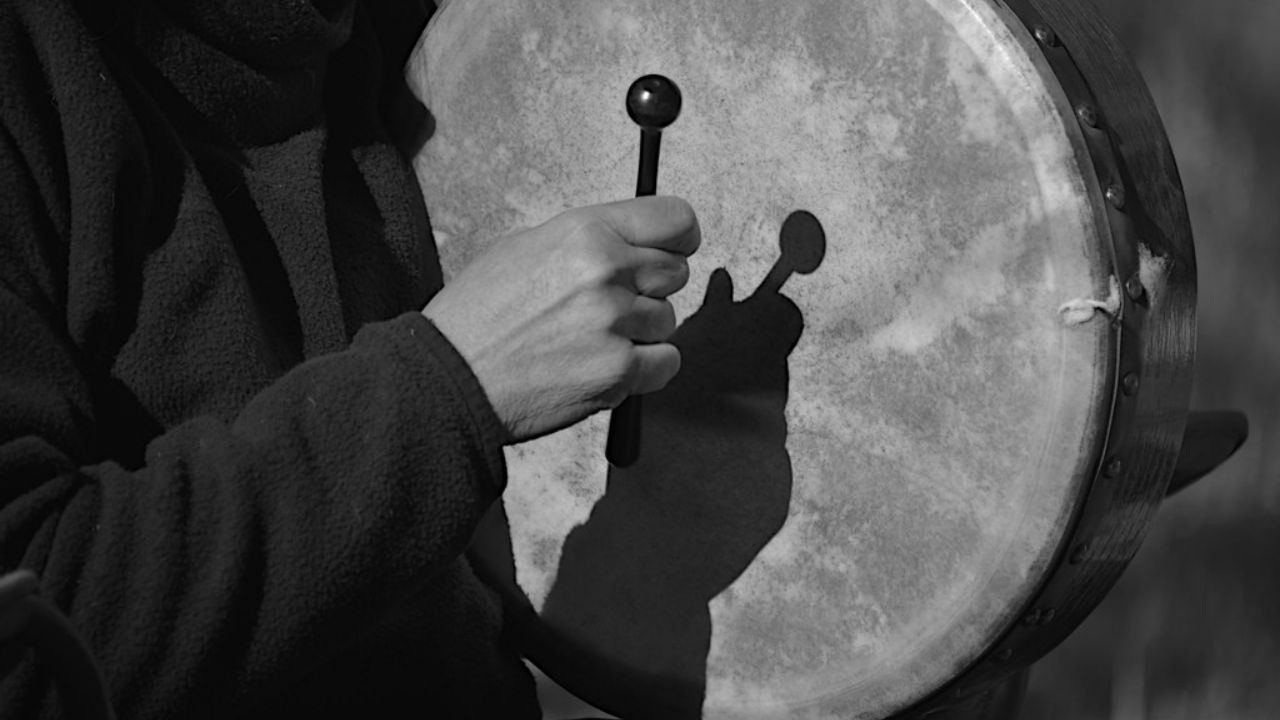
Music drives the jig. Instruments such as the fiddle, flute, and bodhrán guide each step and turn. The bodhrán, in particular, anchors rhythm with a heartbeat-like pulse. You can explore its role further in The Bodhrán Drum.
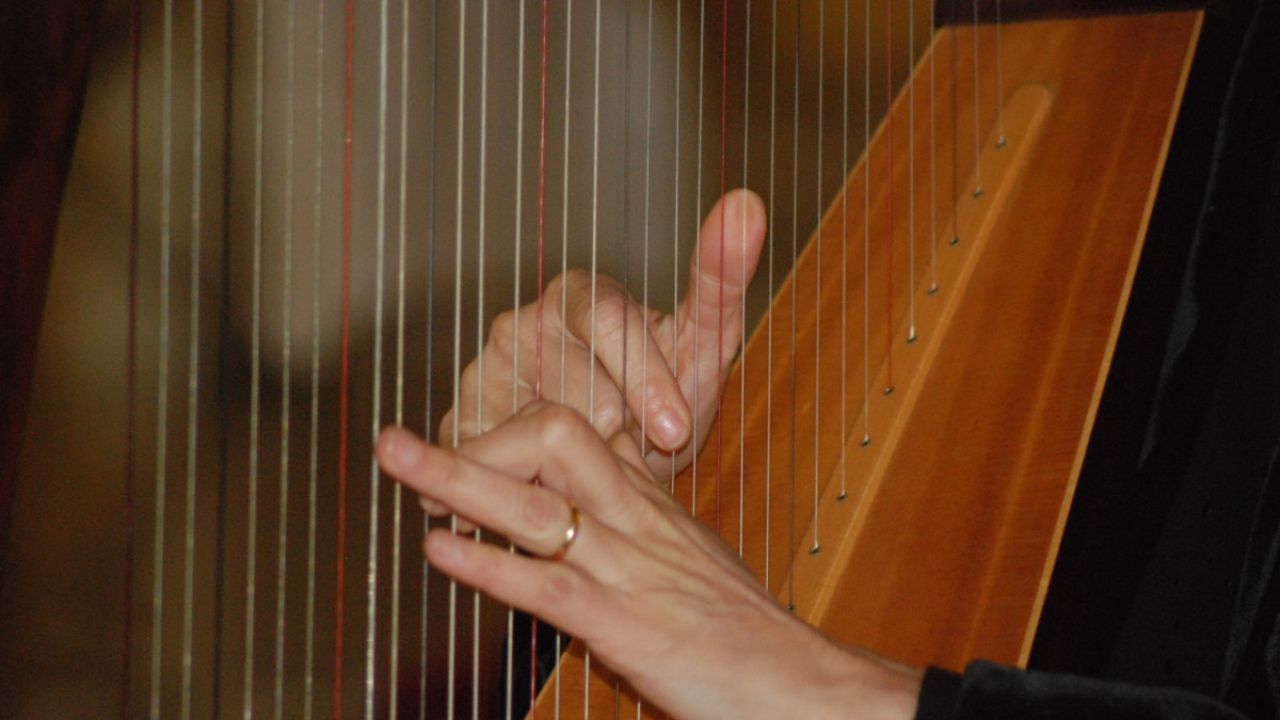
In some regions, the clàrsach, or Celtic harp, accompanied slower jigs. Learn more in What Is a Clarsach?.
The dancer responds directly to sound. Feet strike sharply. Upper bodies remain controlled. The conversation between musician and dancer stays constant.
Steps, Style, and Regional Variation
Gaelic jig dance values precision and lift. Dancers emphasize quick footwork while keeping arms close to the body. This style reflects modesty and discipline rooted in rural life.
Irish jigs often feature pronounced jumps and complex patterns. Scottish jigs lean toward grounded steps with strong rhythmic accents. Despite differences, both traditions prize stamina and timing.
Costume also matters. Dancers historically wore everyday clothing. Later, tartan elements appeared, connecting dance to clan identity. For deeper context, see What Is Tartan?.
Social and Cultural Role
The jig flourished because it belonged to everyone. Unlike court dances, it required no elite training. It thrived at ceilidhs, where music, dance, and storytelling met. Learn more about these gatherings in Ceili Bands.
Dancing reinforced social bonds. It allowed expression without words. In times of hardship, including periods shaped by famine and migration, dance offered continuity. For historical context, see The Influence of the Irish Potato Famine.
The jig helped communities remember who they were, even when circumstances changed.
From Tradition to Stage Performance
During the 19th and 20th centuries, formal competitions transformed the jig. Dance schools codified steps. Judges assessed posture, rhythm, and control. While this structure preserved technique, it also narrowed variation.
Today, dancers balance tradition with innovation. Many return to informal styles at festivals and heritage events. Highland gatherings often showcase jigs alongside athletic displays. See Events to Watch in Highland Games 2025.

The Jig in Modern Gaelic Identity
The Gaelic jig endures because it adapts without losing meaning. It appears in classrooms, competitions, and community halls. Young dancers learn steps, but they also inherit rhythm, history, and confidence.
Dance connects land, language, and music. This connection echoes broader Gaelic traditions found in Gaelic Irish Proverbs and Gaelic Children’s Lullabies.
The jig reminds us that culture moves best when people move together.
For more insights into Celtic music and dance traditions, visit the CeltGuide Blog.