Scottish Highland Great Kilt: History, Style & Meaning

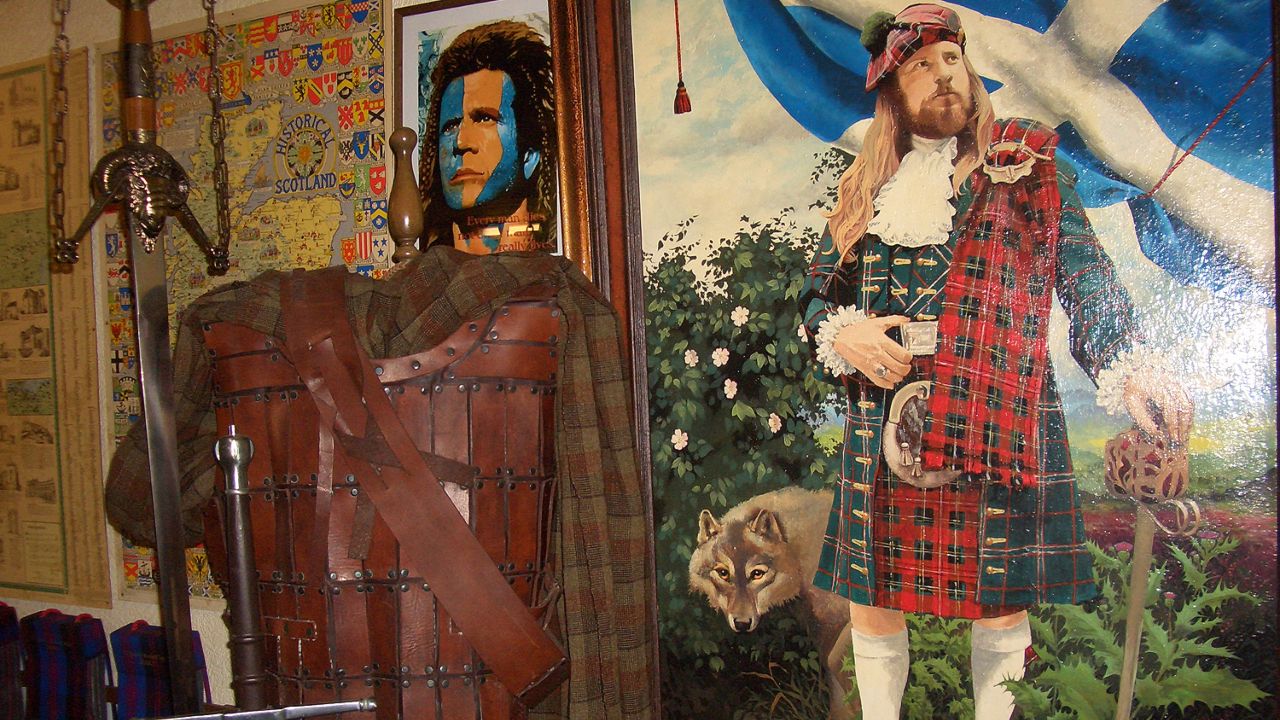
The Scottish Highland Great Kilt, or feileadh mór, stands as one of the most fascinating garments in European history. It did more than cover the body. It served as clothing, cloak, blanket, and symbol, all woven into a single length of tartan cloth.
When I first held a reproduction Great Kilt, the experience felt less like wearing clothes and more like stepping into a living timeline. The fabric spoke of community ties, rugged landscapes, and resilient people who shaped the Highlands’ identity.
What Exactly Was the “Great Kilt”?
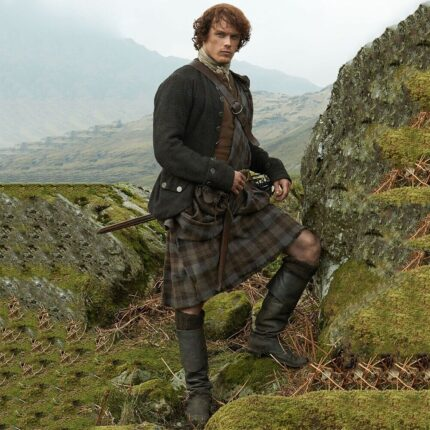
The Great Kilt appeared in the late 16th century. It consisted of one large piece of wool tartan, usually six to nine yards long. Men pleated it by hand each time they dressed. They wrapped the lower half around the waist like a skirt. The rest draped up over the shoulders, offering warmth and protection.
It worked beautifully in the Highland climate. Rain rolled off tightly woven wool. Wind met resistance. At night, the wearer loosened the cloth and slept inside it.
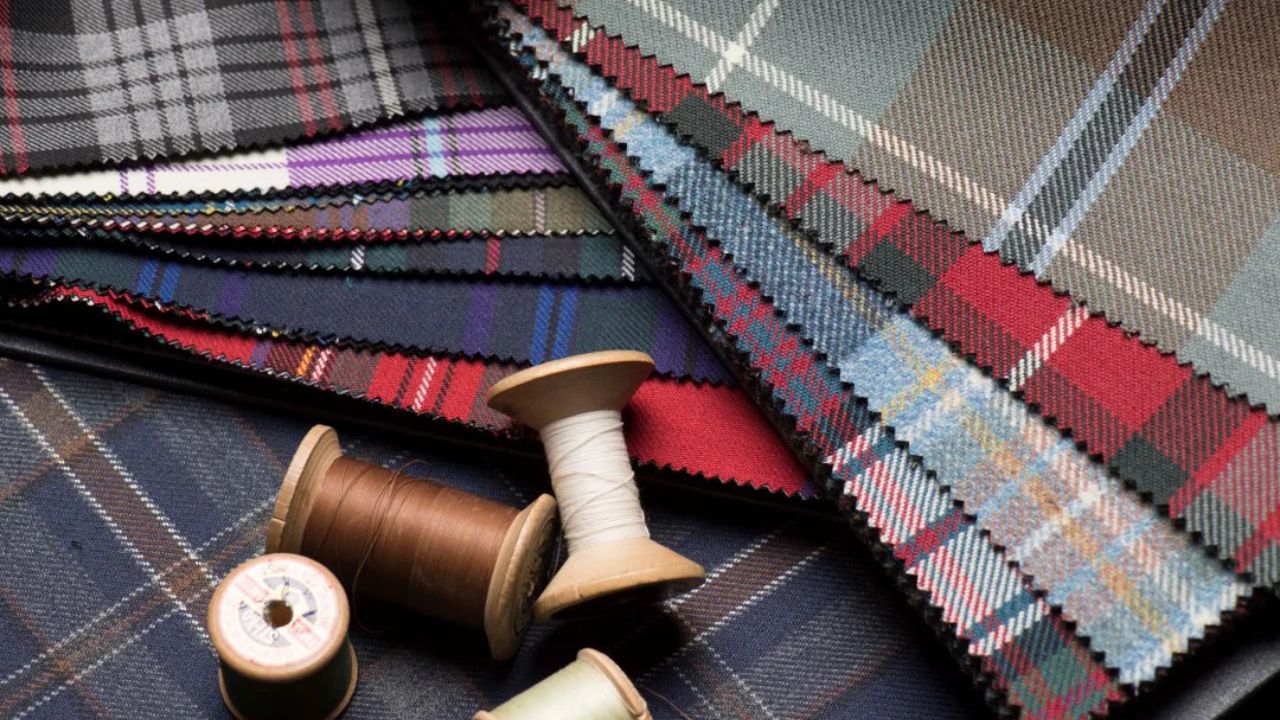
To understand the tartan itself more deeply, explore:
👉 What is Tartan? — https://celtguide.com/what-is-tartan/
Function Before Fashion, But Style Still Emerged
Practical needs shaped the Great Kilt. Hunters used the upper portion as camouflage. Warriors secured the excess with a belt or brooch so they could move with freedom. Travelers wrapped themselves in it while resting near the fire.
Over time, clan patterns grew more distinctive. Clothing became a statement — not just survival gear. If you enjoy discovering how style grows from tradition, you might also like:
👉 How Long Has the Tartan Print Been Around? https://celtguide.com/how-long-has-the-tartan-prints-been-around/
From the Great Kilt to the Modern Kilt
Eventually, practicality evolved again. By the 18th century, tailors stitched the pleats permanently. The Great Kilt split, giving birth to the modern kilt, which focused on the lower portion only.
Yet the original design never disappeared completely. Re-enactors, heritage events, Highland Games competitors, and historians continue to wear it today. It feels raw. Authentic. Closely tied to the land and ancestors.
If clothing history fascinates you, dive into:
👉 How Many Scottish Clans Exist? https://celtguide.com/how-many-scottish-clans/
How People Wore It
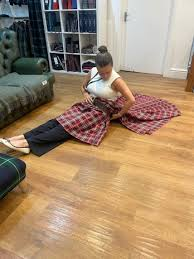
Wearing the Great Kilt required a small ritual:
- Spread the fabric on the ground.
- Create folds by hand along the center.
- Lie down on it.
- Wrap the lower half.
- Pull the top portion up and pin it.
It sounds complex, but Highlanders mastered it easily. The garment adapted to work, travel, battle, and weather, much like the people who lived there.
For modern guidance on wearing Highland clothing accessories, you may also enjoy:
👉 How to Wear a Tartan Sash, https://celtguide.com/how-to-wear-a-tartan-sash/
Meaning Beyond Fabric
The Great Kilt evokes resilience. It represents kinship, belonging, and respect for heritage. You don’t simply wear it — you connect with centuries of stories, songs, and struggles.
If cultural history holds your interest, take a look at:
Blog Archive, https://celtguide.com/blog/
The more you explore, the more you realize: heritage lives not only in monuments and manuscripts. It lives in cloth, ritual, and memory.
Final Thoughts
The Scottish Highland Great Kilt reminds us that identity grows out of daily life — from weather, work, and the simple need to stay warm. Yet from that practicality emerged something deeply symbolic. A garment that tells the story of a people and the land they loved.
And that story continues today, each time someone chooses to wear the Great Kilt not as costume, but as heritage.