The Battle of Culloden: Scotland’s Last Highland Stand
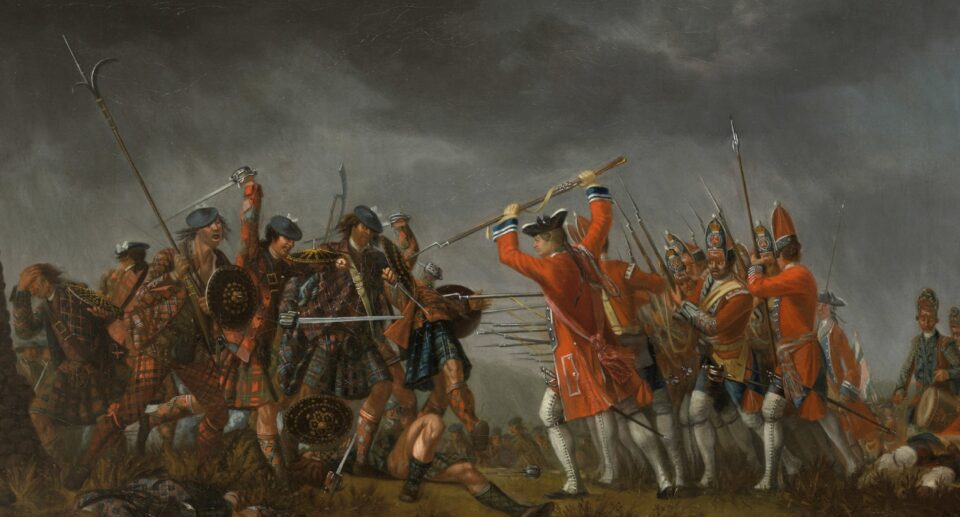
The Battle of Culloden holds a powerful place in Scotland’s memory. It marks the final clash of the Jacobite Rising of 1745, and it stands as the last pitched battle fought on British soil. Its story is not only political—it is cultural, emotional, and deeply human. Even today, people walk across the moor and feel the quiet weight of what happened there.
In this guide, we explore the causes, the battle itself, and its lasting legacy on the clans, the Highlands, and Scotland’s identity. As with many Celtic traditions, from tartan history to the storytelling heritage explored in Why Are Irish People Natural Storytellers?, Culloden shaped how Scots understand their past.
Where Culloden Lies in Scotland’s Story
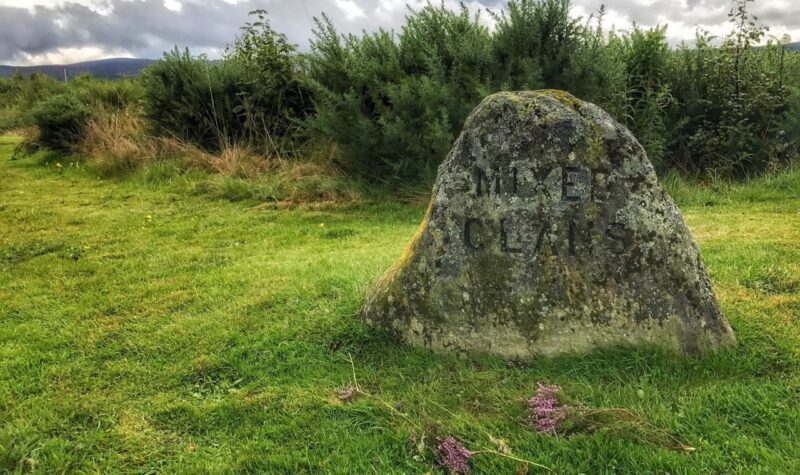
Culloden Moor sits near Inverness, in the Highlands. Its landscape feels stark and haunting. Mossy bogland, heather, and scattered stones frame the field where hundreds of Highlanders stood together in one final desperate push.
For travelers exploring Scotland’s wild north, nearby regions connect well with our Isle of Mull guide and the landscapes surrounding Loch Lomond.
What Led to the Battle of Culloden?
Culloden was the tragic climax of the Jacobite effort to restore the House of Stuart to the throne. Led by Charles Edward Stuart, often called Bonnie Prince Charlie, the Jacobites marched from the Highlands to England and back again in a whirlwind campaign.
Several factors pushed them toward Culloden:
- Exhaustion after months of marching
- Lack of supplies
- Internal clan disagreements
- A growing government army under the Duke of Cumberland
These pressures reflect how fragile societies can become under hardship, similar to the community struggles explored in The Influence of the Irish Potato Famine.
The Armies That Faced Each Other
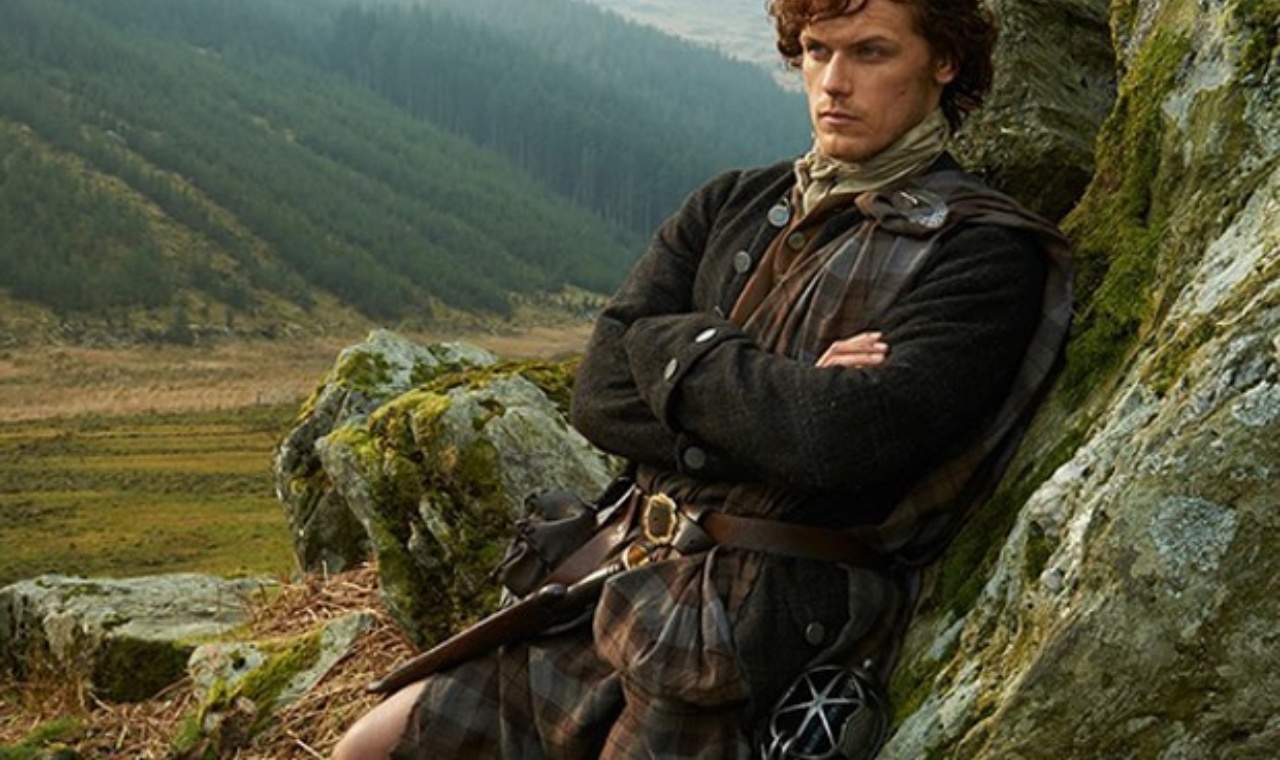
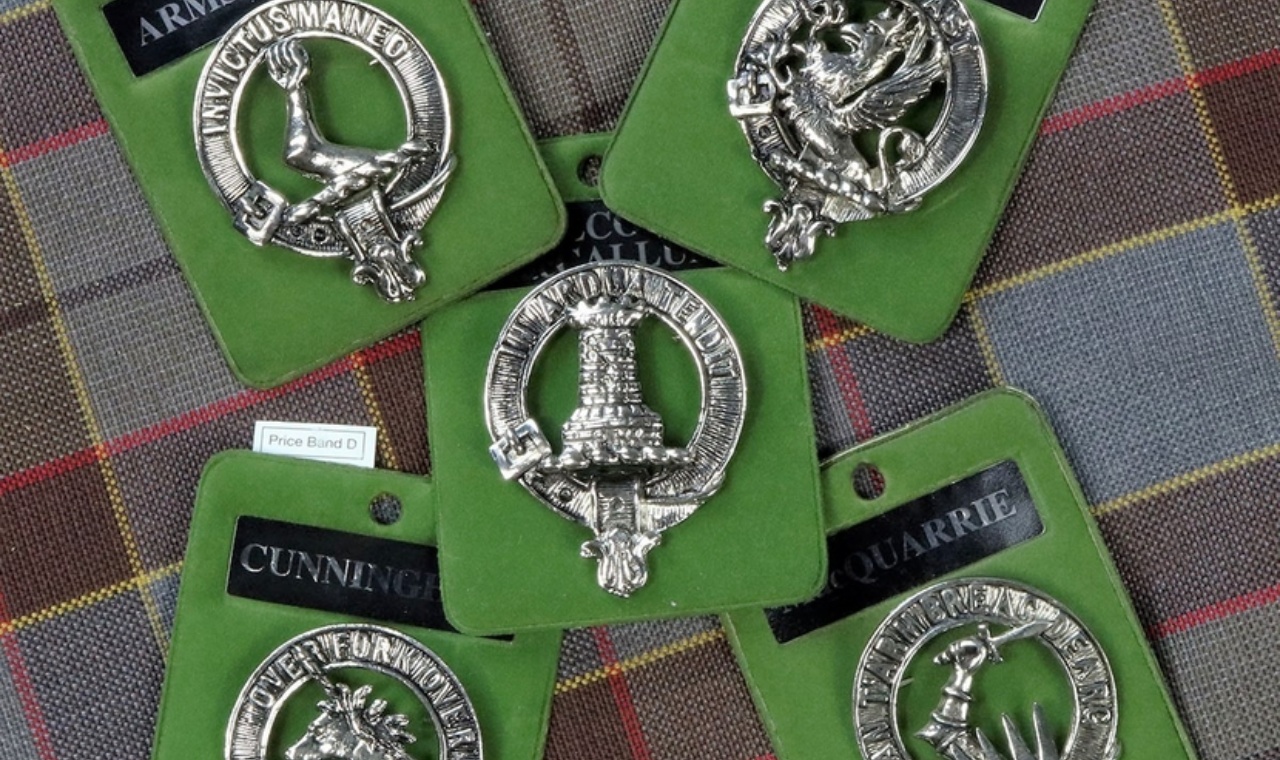
The Jacobite force included Highland clans who carried centuries of tradition with them. Many wore tartan patterns later romanticised in history books, and if you want to explore tartan further, you can read our guides:
The government army was larger, well-supplied, and better trained in artillery.
The Battle: Brutal, Brief, and Heartbreaking
Culloden lasted less than an hour, but it reshaped Scotland for centuries.
The Highland charge, once so effective at Killiecrankie and Prestonpans struggled on Culloden’s marshy ground. Government cannons ripped through Jacobite lines. Confusion spread. The Jacobites fought fiercely, but the field worked against them from the first moment.
In the end, the government victory was overwhelming.
This sense of tragedy echoes the somber themes found in traditional Celtic music, similar to the haunting tones of the bodhrán drum and laments carried in fiddle music.
Aftermath: How Culloden Changed Highland Life
The consequences hit the Highlands hard. Many clans lost leaders, lands, and centuries-old rights. The government enforced harsh measures to break clan power:
- Wearing tartan became restricted
- Highland weapons, including the dirk knife, were banned
- Clan chiefs lost traditional authority
- Gaelic culture suffered immense pressure
These cultural suppressions connect closely with our discussions on Scottish Tartan Shawls and the folk traditions preserved through Gaelic translations of the Bible.

How Culloden Lives in Memory Today
Visitors walk the battlefield in respectful silence. Memorial stones mark where clans fell: Fraser, MacGillivray, MacLean, Cameron. The site balances historical interpretation with emotional space.
Celtic memory often blends history and myth. This is the same phenomenon explored in:
Culloden, too, has become a place where story, loss, and heritage come together.
Culloden and the Highland Identity
Despite its tragedy, Culloden helped shape a renewed sense of Highland identity. Tartan returned as a symbol of pride, clan culture re-emerged, and Highland traditions—music, storytelling, and dress, found new audiences worldwide.
If you want to explore Highland culture further, look at:
These pieces reveal how cultural symbols transform over time.
Why the Battle of Culloden Still Matters
Culloden matters because it changed Scotland’s political future, but it also matters because it shaped the emotional memory of a people. It represents courage, loss, the end of an era, and the resilience of culture.
This reminds us that identity is not fixed. It bends, survives, and grows, just as Celtic traditions continue to evolve, from Irish holy wells to the mythic realm of Annwn.
Explore More Celtic History
If you want to continue your journey through Scotland and Ireland’s past, you can explore our full collection here:
👉 CeltGuide Blog