
The Silver Branch: A Celtic Symbol of Peace
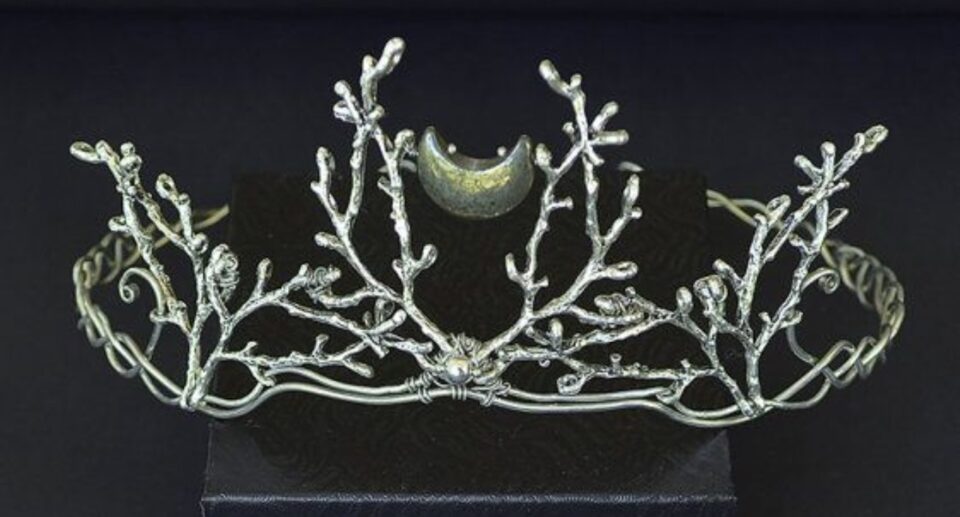
The Celtic world holds many symbols that speak to the heart, but few carry the serene beauty of the Silver Branch. This simple yet radiant emblem appears in Irish and Scottish lore as a bridge between worlds, a sign of peace, and a guide toward clear vision. Today, we explore its story, meaning, and cultural place while keeping the journey warm, readable, and rooted in scholarship.
What Is the Silver Branch?
The Silver Branch is usually described as a delicate bough from an apple tree, its leaves shimmering like polished silver. In many myths, it appears in the hands of messengers from the Otherworld. When these figures carry the branch, it signals peace, not threat. It tells listeners that the bearer arrives with calm purpose and not in anger or battle.
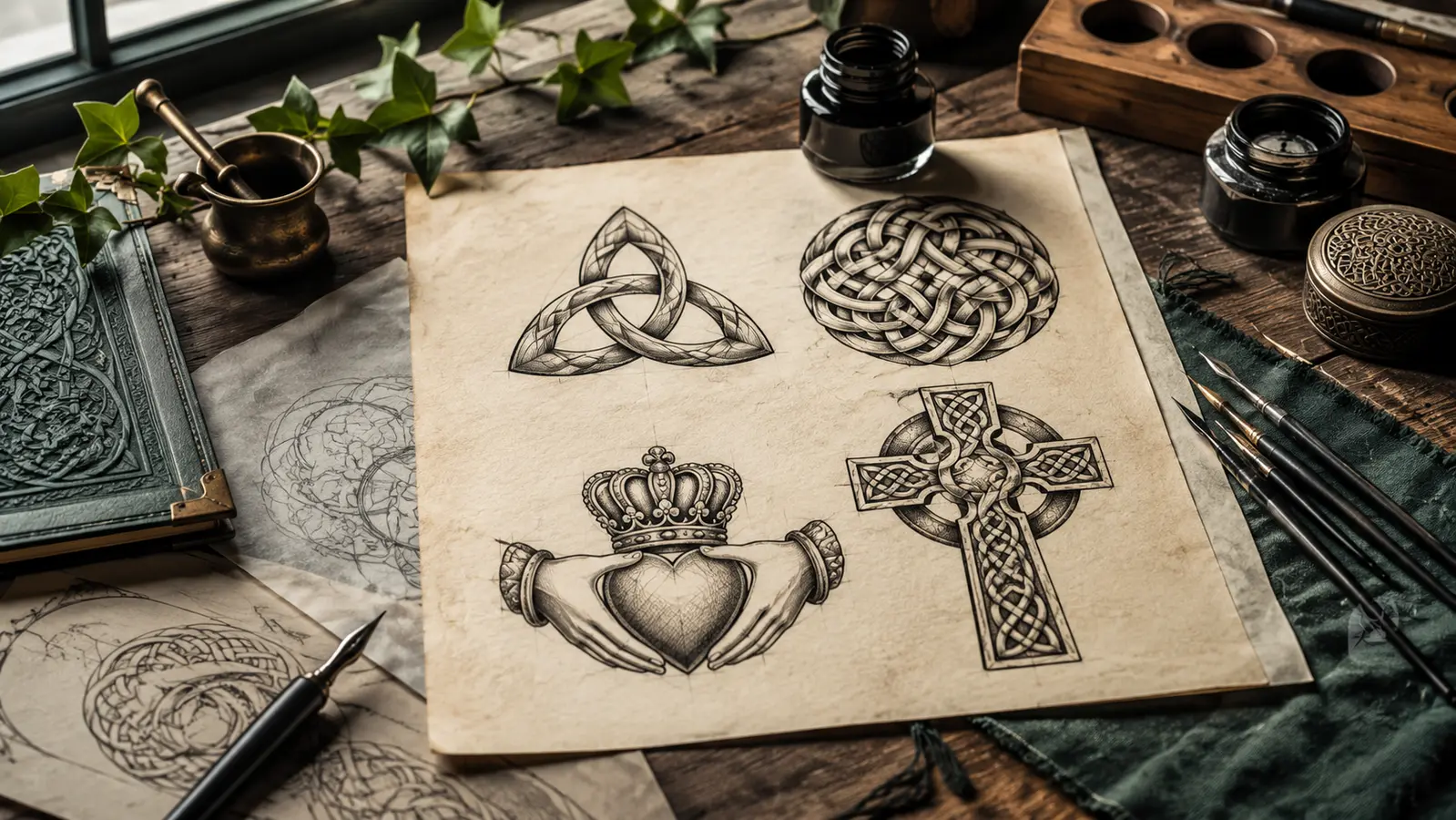
This idea of peaceful intent appears across Celtic traditions. If you want to explore more symbols from this world, you might enjoy our piece on the Claddagh Ring and its symbolism.
Where the Silver Branch Appears in Celtic Myth
The Silver Branch appears most clearly in Irish mythology. One of the most famous mentions occurs in stories of the Otherworld, which you can learn more about in our guide to Annwn and Celtic afterlife beliefs.
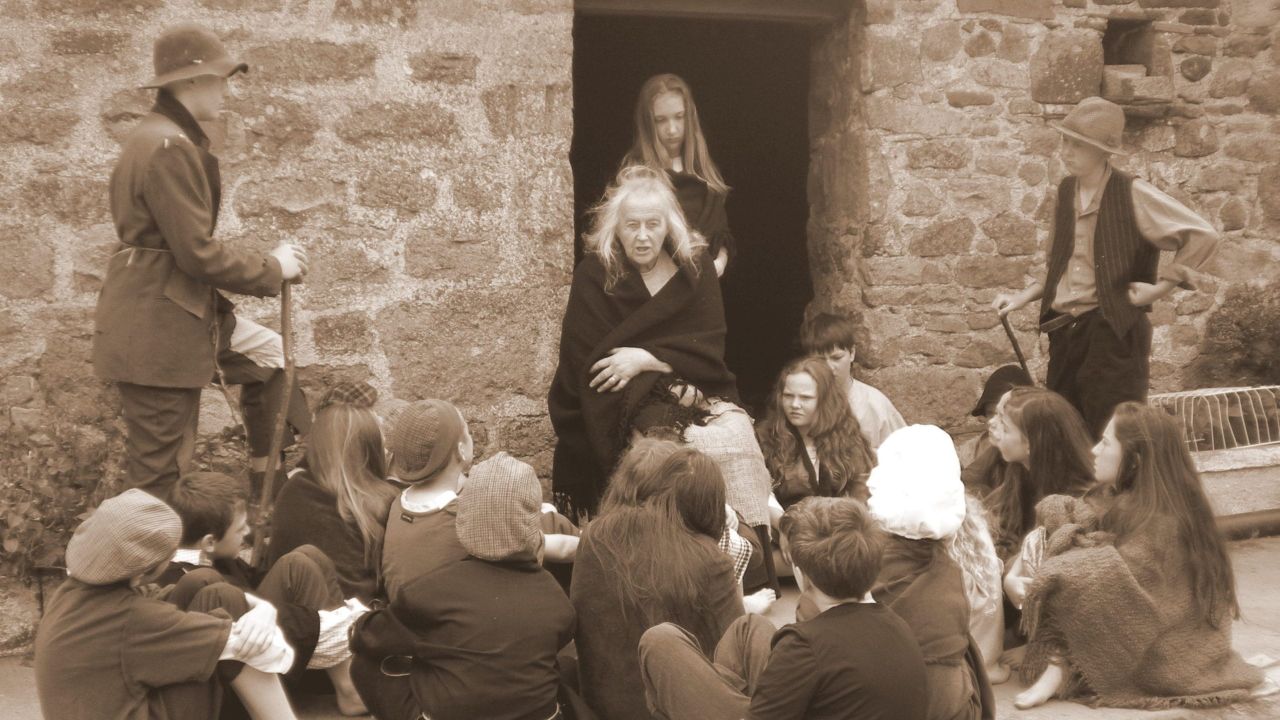
In some tales, the branch carries small bells whose music can ease sorrow and calm the mind. Their gentle tones remind us of the role of music in Celtic storytelling. For example, the peaceful sound of the branch mirrors the soothing charm of the Celtic harp (Clarsach), another symbol deeply linked to harmony.
The Silver Branch also leads heroes safely from the mortal world to the realm of gods or spirits. When held by a divine messenger, it gives permission for a traveler to pass. In that sense, the branch works not only as a symbol of peace but also as a ritual key.
Its Role in Celtic Storytelling
Storytelling lies at the center of Celtic culture. The Irish have long been admired for their narrative gift. If you want to explore why, visit our feature on why Irish people are natural storytellers.
The Silver Branch becomes a storytelling tool because it signals a shift in the tale. When a character encounters the branch, the audience understands that they are crossing a threshold, moving from the everyday world into a realm shaped by magic, vision, and deeper truth.
Bards also used the image to represent inspiration. The sweet music of the branch parallels the rhythms of fiddle music, bodhrán drumming, and other Celtic musical traditions.
The Silver Branch as a Symbol of Peace
The Silver Branch reflects a Celtic desire for balance. It stands for harmony between worlds, but also within the self. The branch teaches that peace is not passive. It comes from clarity of thought and honest intention. When a divine visitor holds the branch, their purpose becomes unmistakable—peace, dialogue, and connection.
This symbolism connects well to the Celtic outlook on nature. Trees carry wisdom, and apple trees in particular represent healing and renewal. That may explain why the branch serves as a gift to someone on a spiritual journey.
Connections to Other Celtic Traditions
You may notice echoes of the Silver Branch in other parts of Celtic culture:
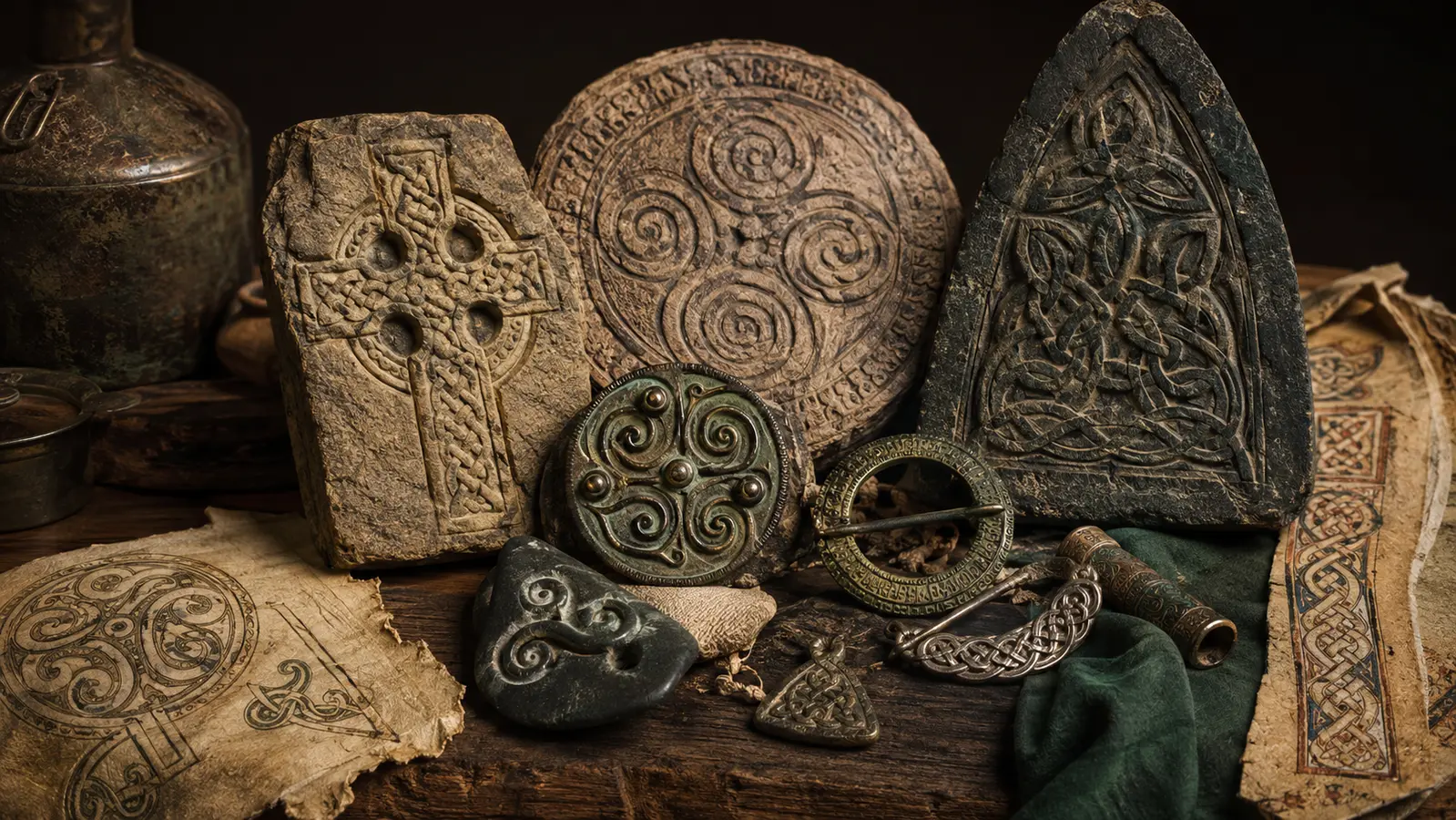
- Celtic stone carvings, especially those depicting Otherworld scenes, often feature tree motifs. Explore more in our article on Celtic stone carvings.
- Sacred landscapes, such as the Hill of Tara, connect to kingship rituals where peace and right order mattered deeply.
- Folklore sites like the Fairy Glen show how the boundary between worlds feels thin in Celtic imagination.
Every symbol, including the Silver Branch, carries this sense of crossing between realms.

Why the Silver Branch Still Matters
Today, the Silver Branch remains a gentle reminder of peace, inner clarity, and respectful encounter. Many people use it as a personal symbol of calm focus. For those exploring their Celtic roots, it offers a beautiful link to ancestors who valued balance between the worldly and the mystical.
For more journeys into Celtic myth and folklore, explore our full Mythology & Folklore archive.