
Scottish Fisherman’s Sweaters: Warmth, Identity, and Coastal Craft

Scottish fisherman’s sweaters, often called gansies or guernseys, hold a special place in Scotland’s coastal heritage. These sweaters sheltered generations of fishermen from the sharp North Sea winds, but they also carried patterns that told stories about families, harbours, and the communities tied to them. When I first studied material culture at the University of Edinburgh, I was struck by how a simple knitted garment could reveal so much about work, risk, and memory.
To explore more Celtic storytelling traditions that shape regional identity, you can visit our article Why Irish People Are Natural Storytellers.
Where the Gansey Story Begins
Scotland’s fishing communities lived with unpredictable seas. Their clothes needed to handle cold winds, sudden storms, and long hours on open water. Wool sweaters created with tight, dense stitches kept warmth in and repelled light rain. Many were knitted without seams so they stayed strong during rough work.
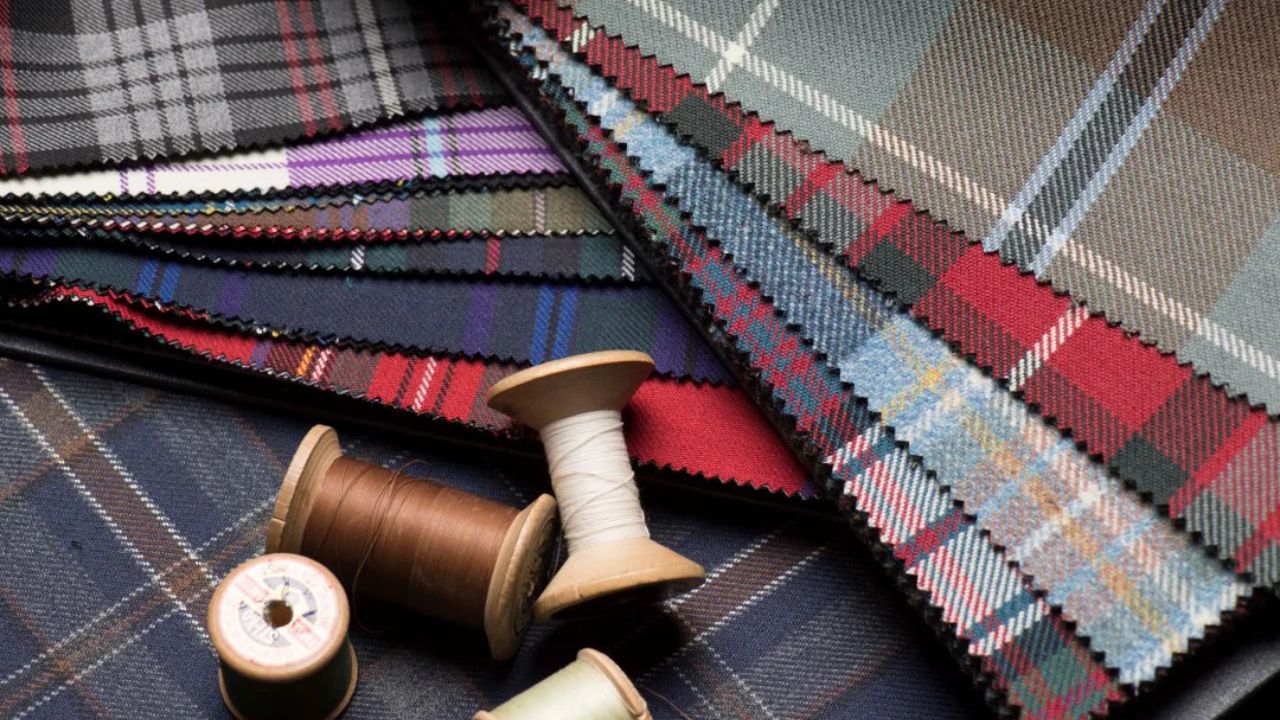
The gansey echoes the same mixture of practicality and identity that shaped Scottish clothing traditions, including tartan, explored in depth in What Is Tartan?.
Why Patterns Matter in Fisherman’s Sweaters
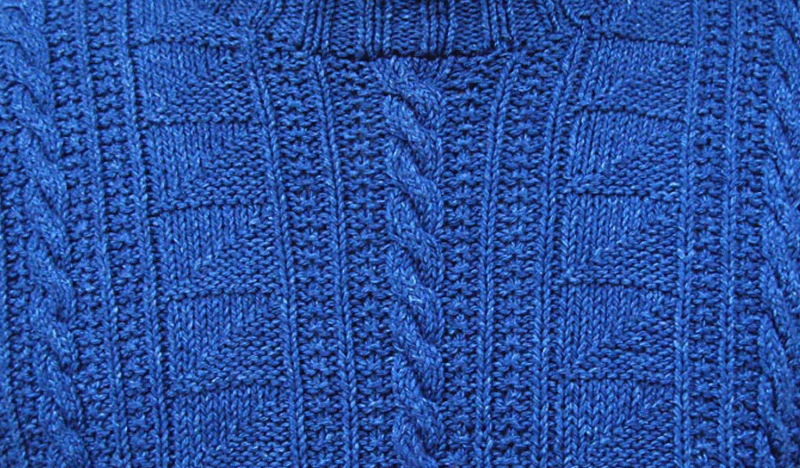
Every fishing village along Scotland’s east coast developed its own knitted motifs. These patterns came from daily life: ropes, nets, ladders, waves, and tools. Some families kept specific stitches as a kind of signature. They didn’t write these designs down. Instead, women passed them across generations, much like oral traditions in Celtic music and folklore.
This quiet transmission of knowledge resembles the cultural exchange found in Celtic Stone Carvings, where patterns also symbolise identity and skill.
Craftsmanship: The Heart of a Gansey
A true gansey uses tightly spun wool with a smooth finish. Knitters often worked with fine needles to produce compact stitches. This method created a fabric that resisted water and stayed warm even when damp. Sweaters were knitted in the round from the bottom up, with underarm gussets to allow movement while hauling nets.
This focus on craft echoes the dedicated artistry described in our guide to the Celtic harp, What Is a Clarsach?.
Regional Variations Across Scotland
The Moray Coast
Famous for diagonal lines and tight lattice patterns.
Fife and the East Neuk
Sweaters here often include rope motifs and detailed shoulder panels.
Shetland & Fair Isle Influence
While Fair Isle knitting uses colourwork rather than textured stitches, it still shaped modern Scottish knitwear culture. These islands remind us how landscapes influence art, just as explored in Isle of Mull.
Patterns changed from village to village. A trained eye can still spot these differences, much like one can trace clan identity, which you can explore further in How Many Scottish Clans?.
The Sweater as a Symbol of Work and Honour
Fishermen relied on practical clothing, but the gansey meant more than protection. It symbolised the bond between families and the sea. Many knitters added small differences at the cuffs or hem so relatives could recognise each other at a glance. This detail feels similar to the symbolism explored in the Claddagh Ring, where love, loyalty, and heritage come together in a simple form.
Gansey Life Today: Heritage Meets Fashion
Today, Scottish fisherman’s sweaters appear on runways, hiking trails, and festivals. They’re valued not only for warmth but also for their timeless beauty. Visitors exploring Scotland’s coastal towns often bring one home as a reminder of the region’s rugged charm. If you want to understand how weather shapes Scottish clothing choices, visit Kilts and Scotland’s Weather.
Gansey patterns also inspire artists and designers across modern Celtic fashion, similar to trends we explore in Scottish Tartan Shawls.
Scottish Fisherman’s Sweaters in Folklore
Though ganseys come from working life, they appear in local tales about storms, luck, and survival. In some stories, a sweater knitted with care brought a fisherman safely home. These narratives sit alongside the mythic maritime world found in Selkies in Folklore.
A Living Tradition
Scottish fisherman’s sweaters continue to honour the communities that shaped them. Each stitch reflects resilience and creativity. When you hold a gansey, you hold history—practical, warm, and deeply human.
If you want to explore more clothing traditions, folklore, and Celtic craftsmanship, you can browse the full CeltGuide Blog.