Scottish Highlander Belt Buckles: Strength and Symbolism Through the Ages

The Scottish Highlander belt buckle is more than an accessory. It is a statement of identity, craftsmanship, and history woven into metal. From the misty Highlands to grand clan gatherings, this small but mighty piece has anchored the Highlander’s attire for centuries.
A Functional Heart of the Highland Dress
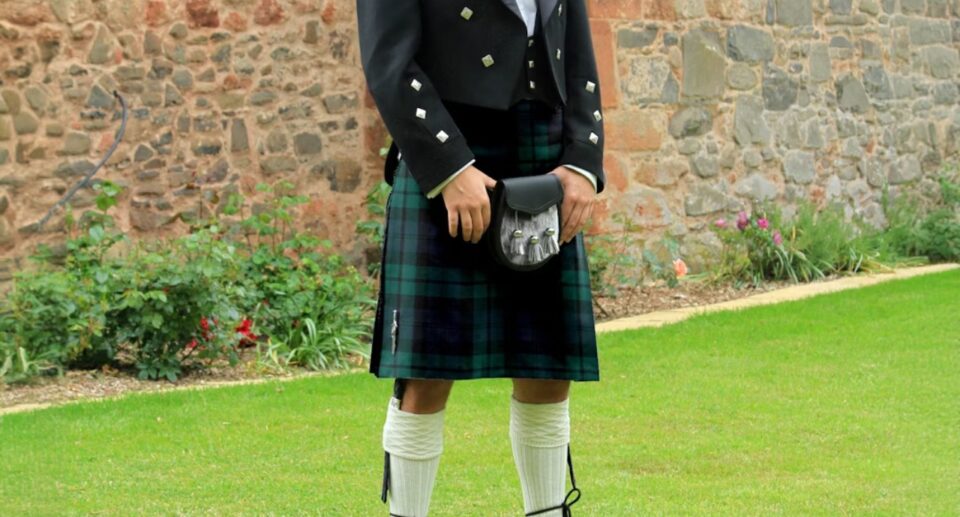
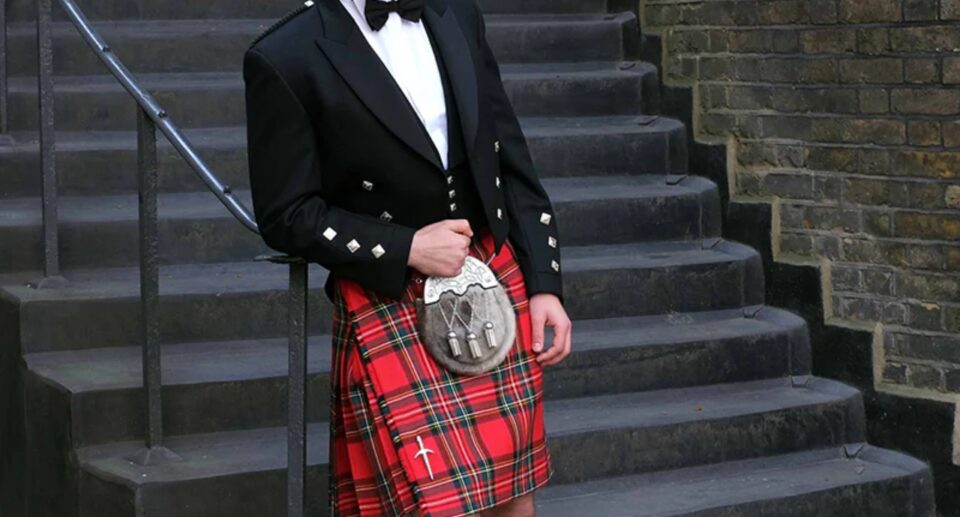
In traditional Highland dress, every piece serves both beauty and purpose. The belt buckle, often crafted from pewter, brass, or silver, fastens the wide leather belt that secures the kilt in place. Beyond practicality, it embodies the wearer’s clan heritage and rank.
The buckle’s weight, engravings, and design evolved to reflect the Highlander’s resilience combining durability for rugged landscapes with artistry worthy of ceremony.
To understand more about how kilts are measured and worn, see How to Measure for a Kilt and How to Wear a Tartan Sash.
Symbols Etched in Metal
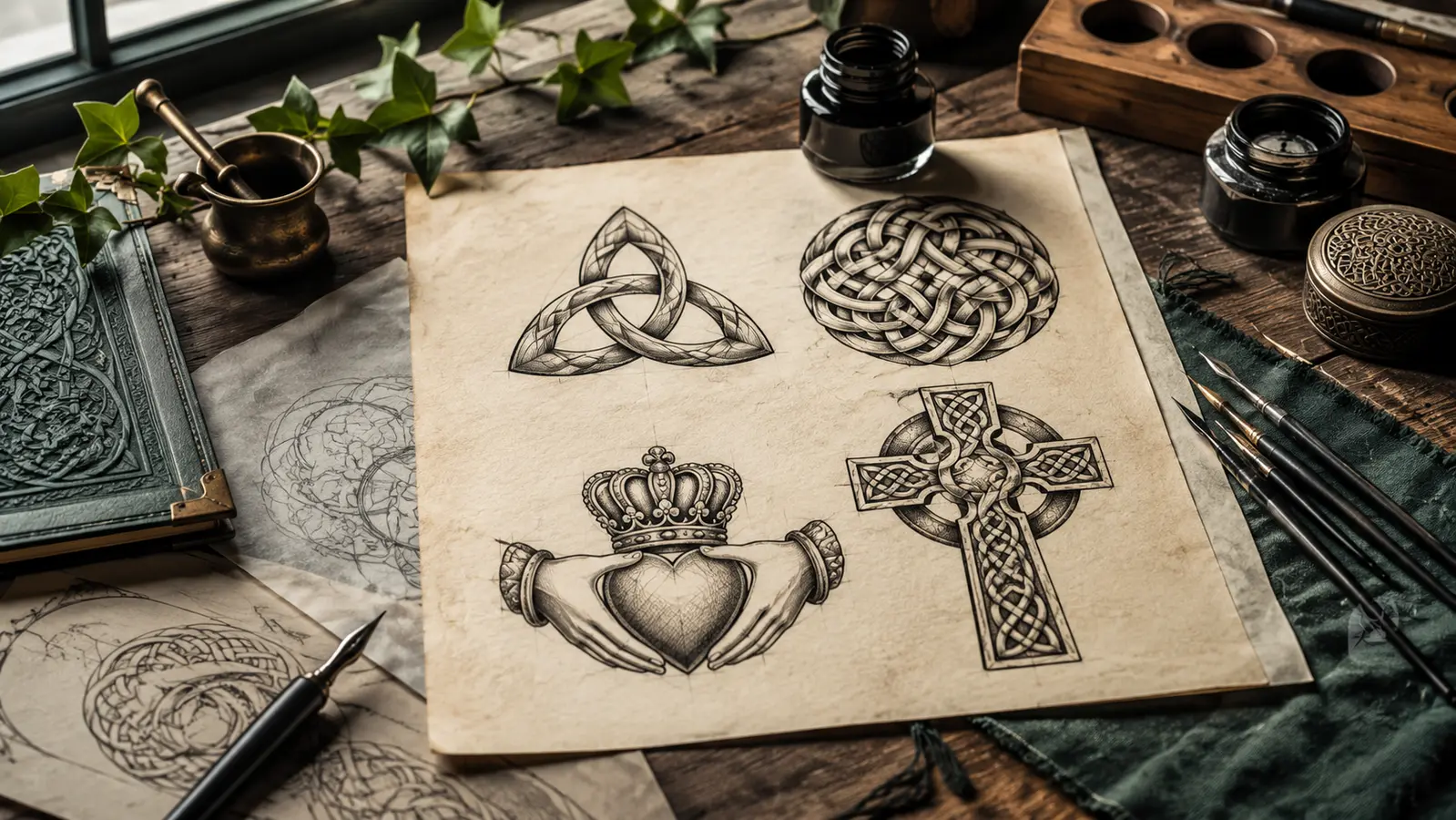
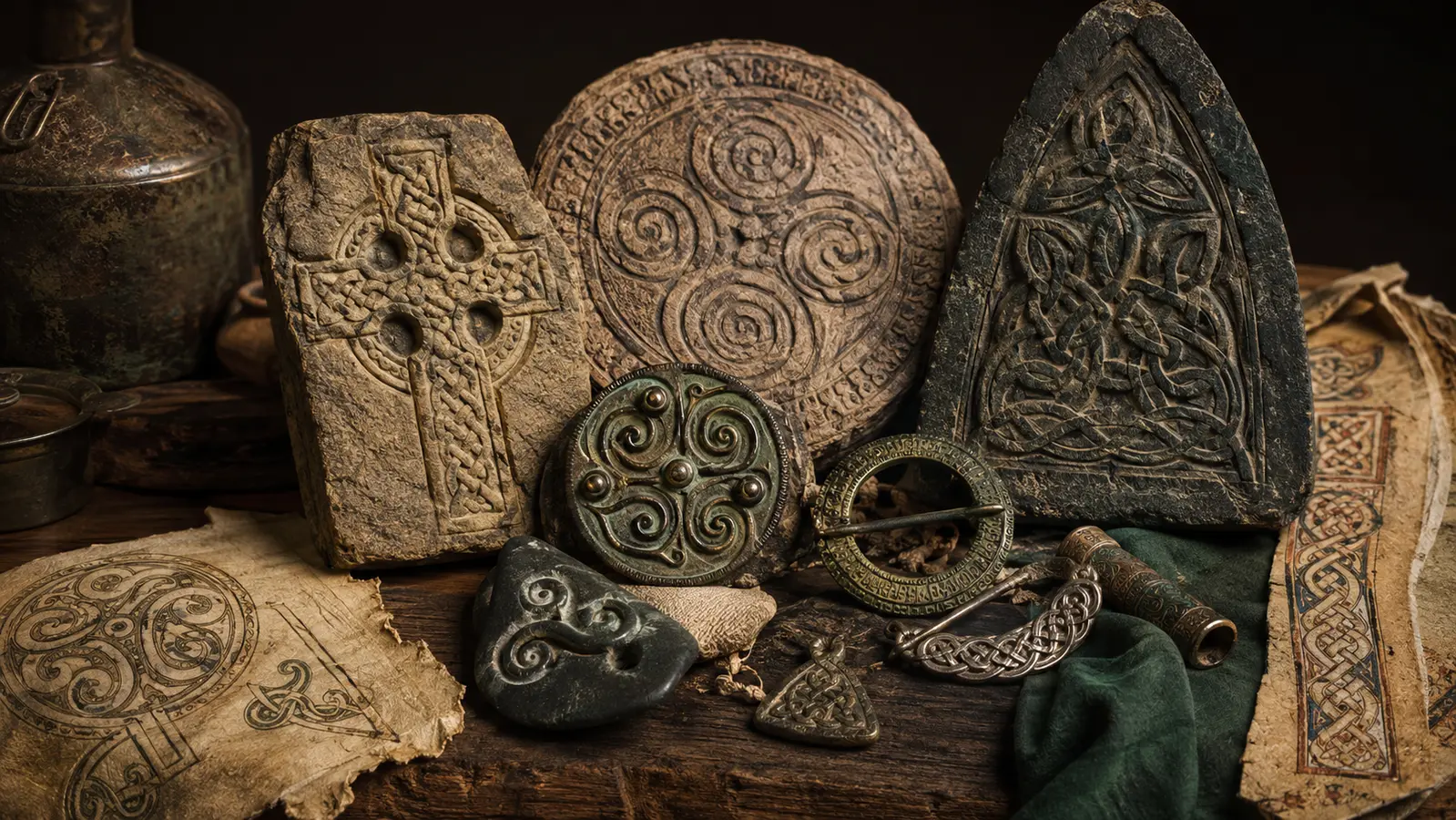
Every Highlander belt buckle tells a story. The intricate engravings often depict Celtic knots, clan crests, thistles, or Gaelic mottos, each symbol holding deep meaning. The endless Celtic knot, for instance, signifies eternity and unity, values revered across the Highlands.

These motifs connect to Scotland’s spiritual and artistic legacy. For more about ancient Celtic designs, explore Celtic Stone Carvings and Celtic Oak Tree, which trace the roots of these enduring patterns.
A Reflection of Clan Pride
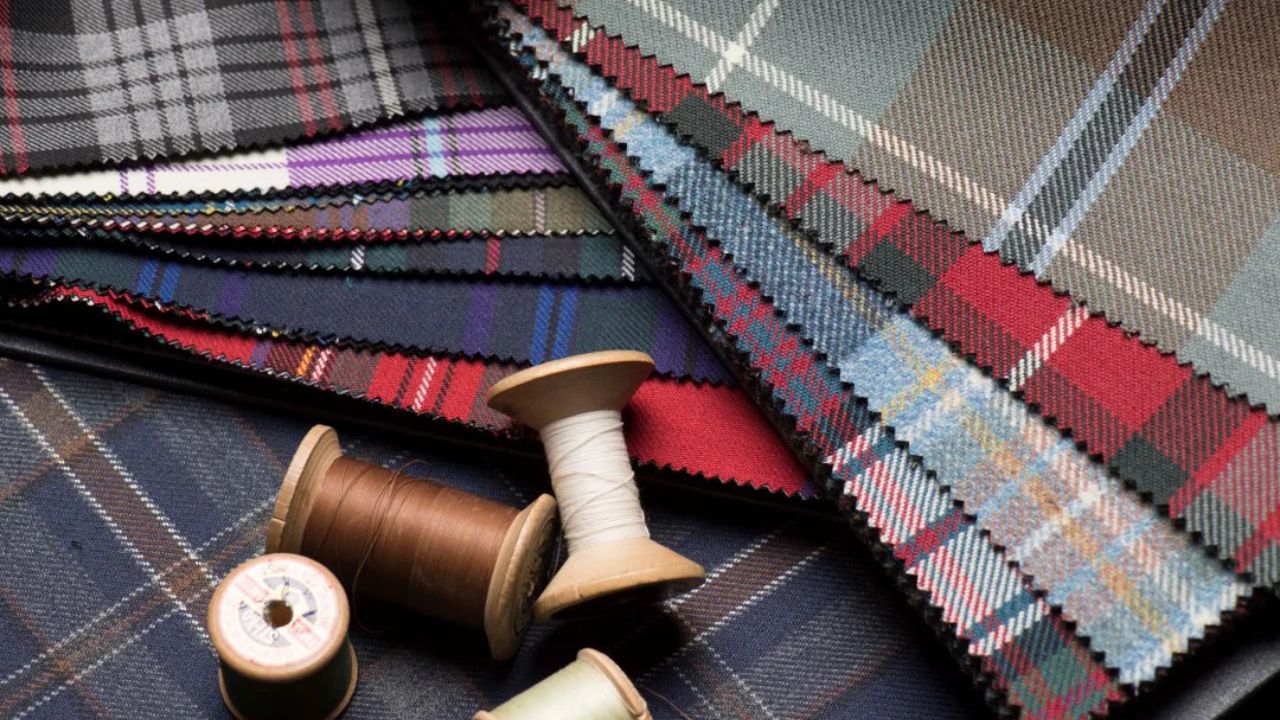
Just like tartan patterns reflect family lineage, Highlander belt buckles once marked clan belonging and loyalty. During gatherings or the Highland Games, a clan’s crest engraved on a buckle announced one’s heritage with pride.
In some cases, these buckles were passed down generations — a symbol of continuity, courage, and kinship. The artistry represented both wealth and devotion to clan history.
To dive deeper into tartan symbolism, visit What Is Tartan? or explore the enduring question How Many Scottish Clans Are There?.
From the Battlefield to the Ballroom
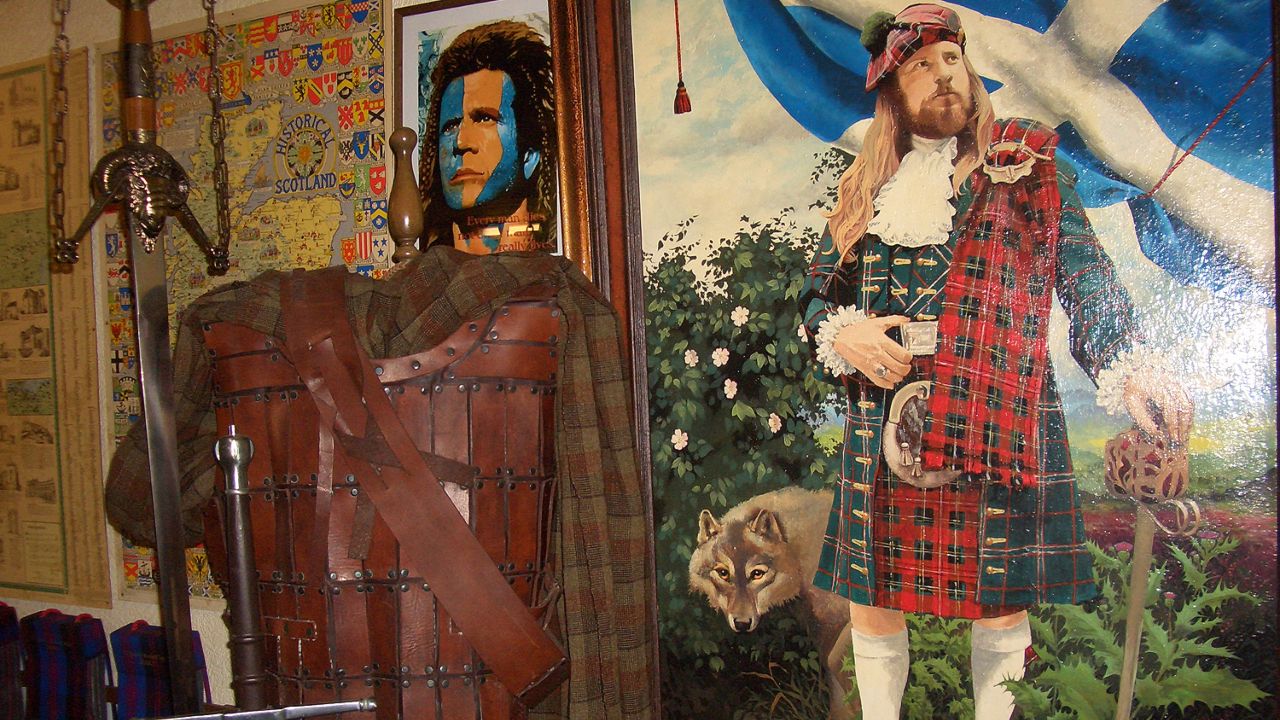
Historically, Highlanders wore heavy leather belts with iron or brass buckles during battle to carry their weapons. Over time, these utilitarian items evolved into symbols of status and ceremony.
By the 18th century, belt buckles became polished pieces of art, featuring elaborate metalwork and gemstones. Whether in battle or at a wedding ceilidh, the Highlander’s buckle served as a link between strength and tradition.

Modern Craftsmanship: Tradition Meets Design
Today, modern artisans continue this heritage. Many belt buckles are hand-forged, using traditional methods with modern precision. Designs often blend ancient Gaelic motifs with sleek contemporary finishes, appealing to both Scots and enthusiasts worldwide.
Whether worn at cultural festivals or paired with a modern kilt outfit, these buckles stand as symbols of Celtic endurance where art and history meet fashion. For an example of how tradition inspires modern design, visit Scottish Tartan Shawls: A Timeless Blend of Heritage and Elegance.

Wearing History: The Meaning Lives On
Wearing a Highlander belt buckle isn’t just about fashion, it’s about carrying Scotland’s spirit forward. Each piece embodies centuries of culture, the legacy of clans, and the artistry that defines Celtic identity.
As Scotland continues to celebrate its traditions in festivals and fashion alike, these buckles remain small masterpieces of heritage, connecting the modern Scotsman to his ancestors’ strength.
For readers inspired by Celtic design, explore the CeltGuide Blog or dive into related articles like What Is a Dirk Knife? and Tam O’Shanter Hat.