
The Legend of the Fairy Knoll on Uist

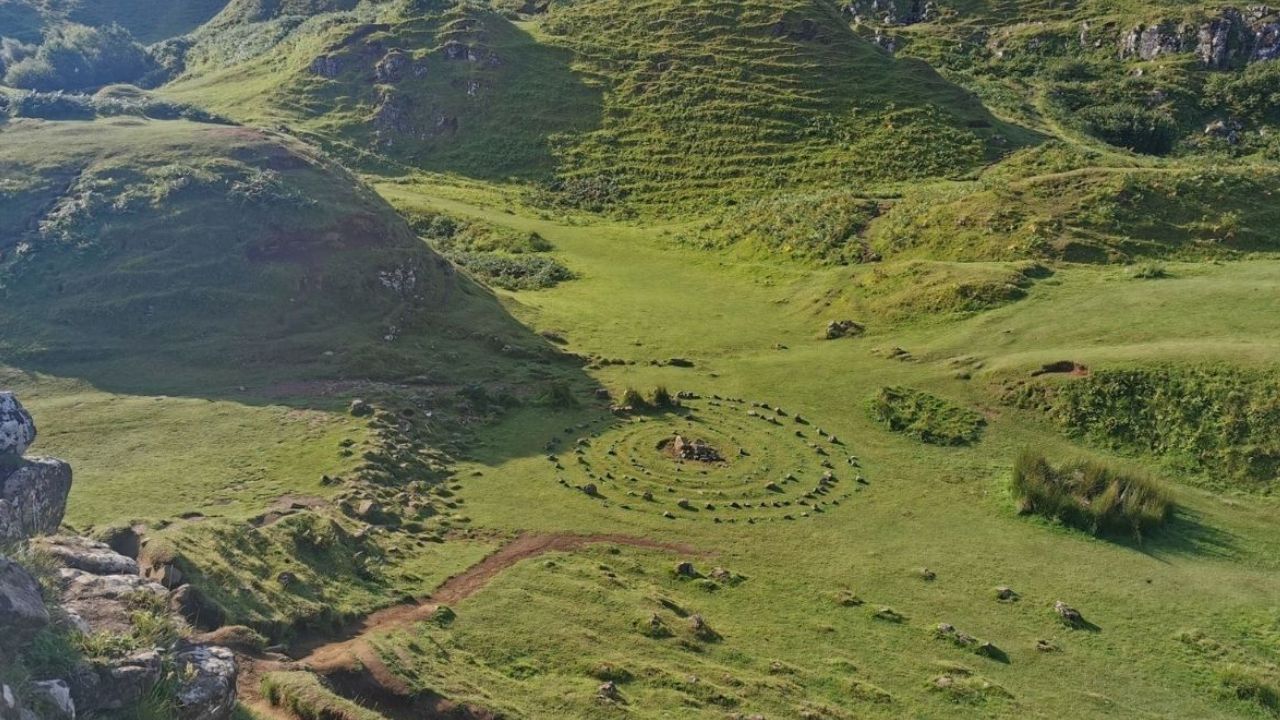
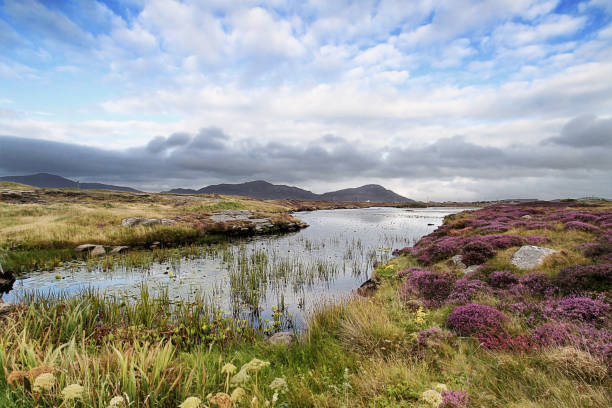
In the windswept landscape of Scotland’s Outer Hebrides, the Isle of Uist holds one of the most haunting and mysterious tales in Celtic folklore, the story of the Fairy Knoll, known locally as Sìthean. This mound, rising gently from the moor, is said to be a doorway to the Otherworld, where the Aos Sí, the fairy folk, dwell. Generations of islanders have passed down the legend, warning that the mound’s beauty hides ancient power.
A Glimpse into Celtic Otherworld Beliefs
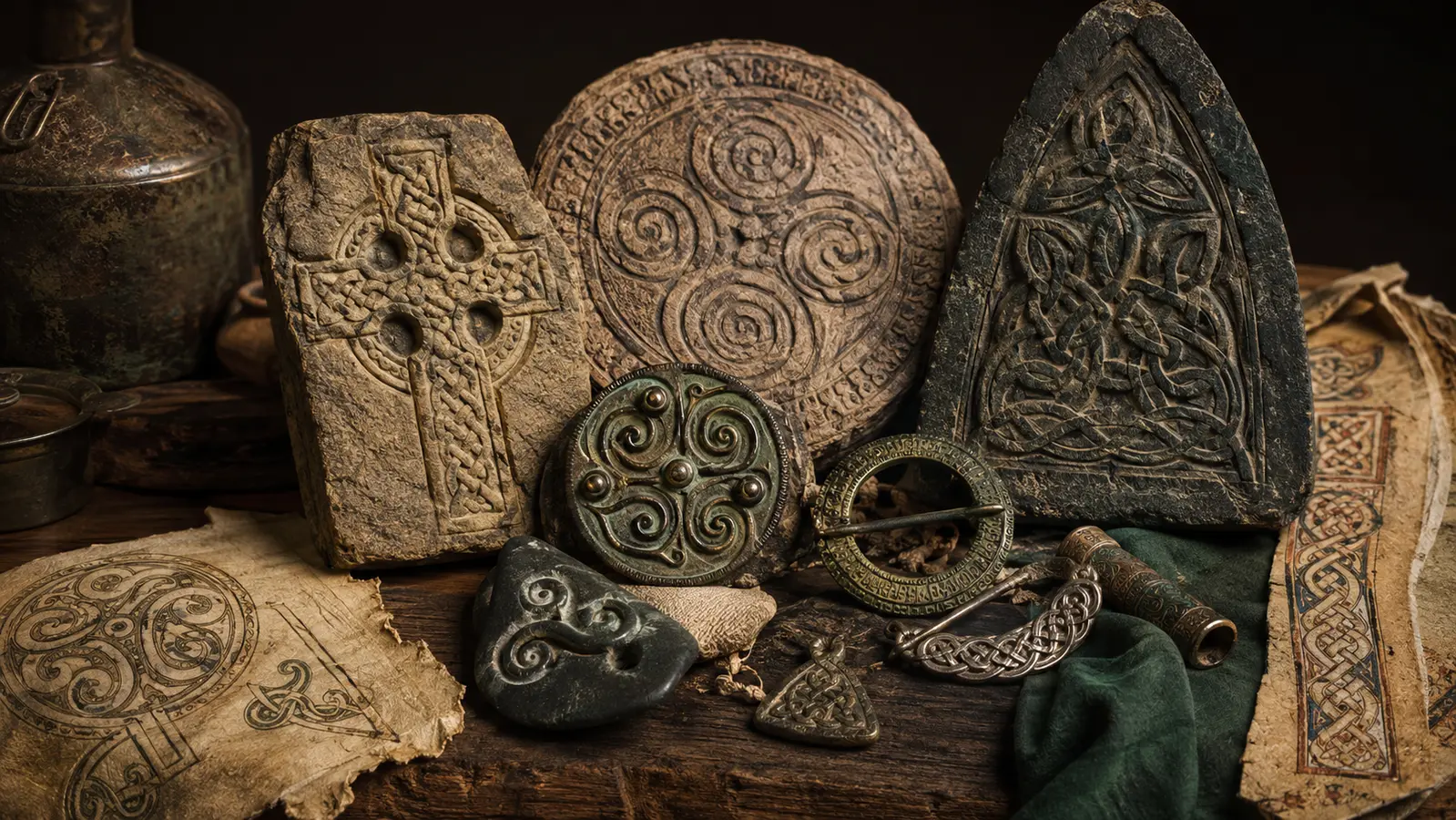
Celtic mythology has long depicted the boundary between the human and spirit worlds as thin, especially in wild, untouched places. Much like the Legend of the Fairy Glen, the Fairy Knoll of Uist stands as a testament to this belief. The Celts viewed mounds, wells, and standing stones as portals through which fairies might travel or communicate.
According to local lore, travelers who wander too close at twilight risk being drawn into the fairy realm. Some tales speak of music drifting from beneath the earth, a melody so enchanting that few could resist. Those who entered the mound were rarely seen again.
The Vanished Wedding Feast
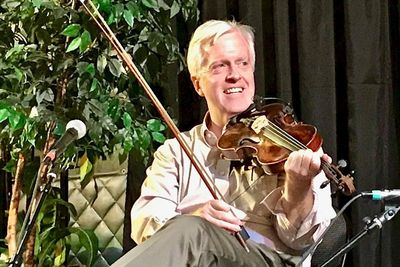
One of Uist’s most enduring legends tells of a wedding that vanished into the mound. As the story goes, during a stormy night, the people of a nearby village followed the sound of pipes and laughter to the Fairy Knoll. When dawn came, the revelry had stopped, and every guest had disappeared. Years later, a shepherd passing by claimed to hear faint music echoing below his feet, the eternal wedding feast of the Sìth.
This tale echoes themes found throughout Scottish folklore: enchantment, the passage of time, and the blending of joy and peril. Just as the Clarsach, the Celtic harp, connects music and magic (learn more here), so too does the Fairy Knoll tie melody to mystery.
The Power of Place
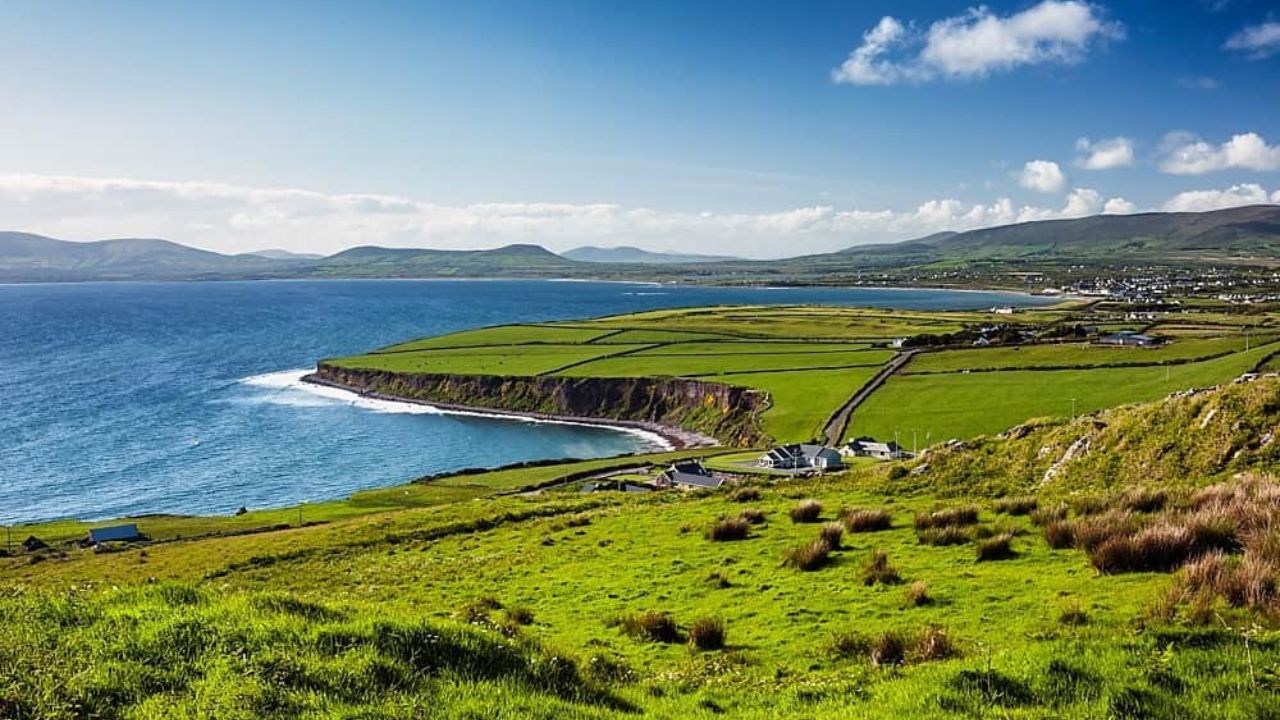
Uist’s rugged moors, bogs, and sea-swept hills play as much a role in its legends as its people. The Fairy Knoll isn’t just a story, it’s a landscape of belief. Locals once avoided cutting grass near it or shouting in its direction, for fear of offending the unseen dwellers below. Offerings of milk and bread were sometimes left nearby to appease the Aos Sí, a custom also seen in other Celtic regions such as Ireland and the Isle of Man.
Much like the Celtic oak tree, which symbolises wisdom and endurance, the mound stands as a living symbol of ancient respect for nature’s spirits. It reminds visitors that Scotland’s folklore isn’t confined to the past — it breathes through its land and people.
Uist’s Living Folklore
Today, visitors to Uist still speak in hushed tones about the Fairy Knoll. Locals will point the way but rarely linger near it. Those interested in Celtic myths often explore such sites alongside other legendary landscapes like the Hill of Tara and the Isle of Mull. Each of these places weaves a strand of the greater Celtic story, a story that refuses to fade.
To the curious traveler, the Fairy Knoll offers more than a view. It offers a bridge between myth and memory. A whisper from a time when people believed that music could open doors between worlds.
Final Thoughts
The Sìthean of Uist is more than a legend, it’s a reminder of how deeply Celtic people felt their connection to the unseen. As with other tales of fairies and spirits, it teaches caution, respect, and wonder. In a modern world rushing forward, Uist’s Fairy Knoll invites us to pause, listen, and imagine the music still playing beneath its green slopes.