Scottish Kilt Hose: Tradition, Function, and Style

When you think of traditional Scottish Highland dress, kilts naturally take center stage. Yet, one of its most understated but essential elements is the Scottish kilt hose, the long socks that rise just below the knee. They add not only warmth but also balance, symmetry, and style to the full Highland outfit. Let’s explore how these socks evolved from simple practicality into an emblem of Scottish craftsmanship and culture.
Origins of the Kilt Hose
The story of kilt hose begins centuries ago when Highlanders needed durable and warm leg coverings to endure Scotland’s rugged terrain and cold climate. Early versions were hand-knitted from coarse wool, often undyed, and worn with kilts made from heavy tartan cloth. Over time, as Highland dress developed into a symbol of identity rather than just practicality, the hose took on more refined forms.
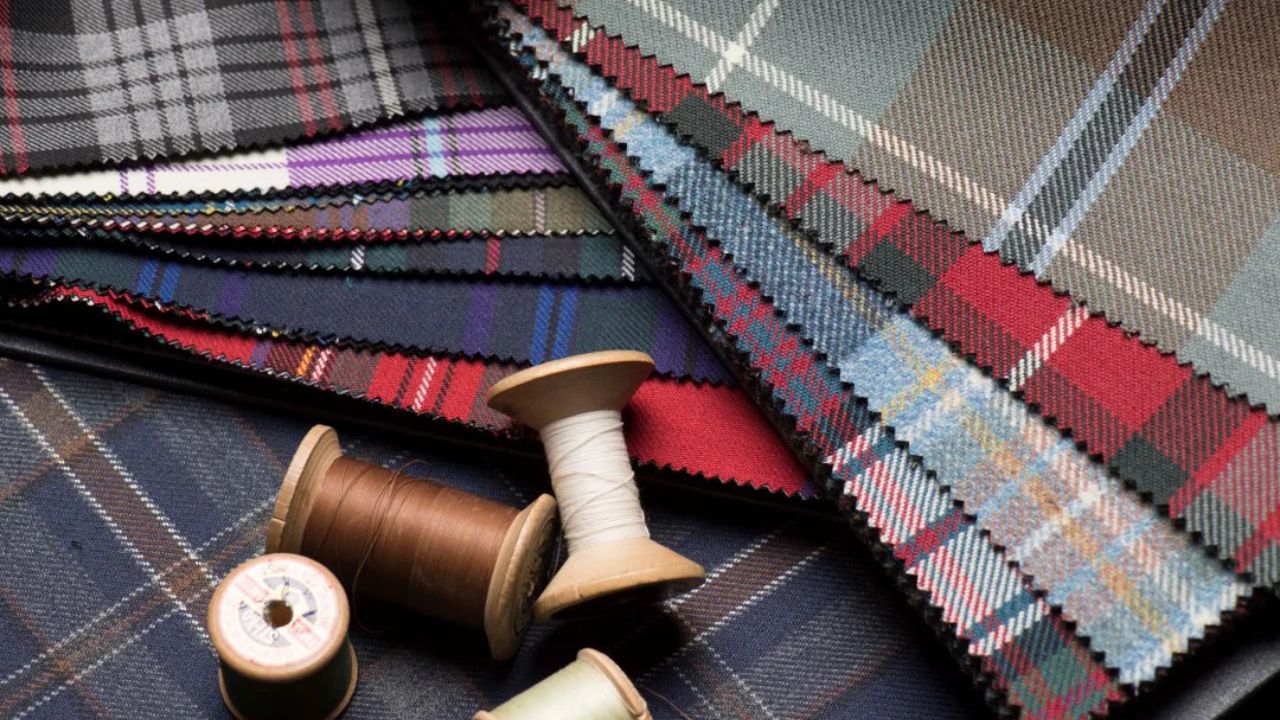
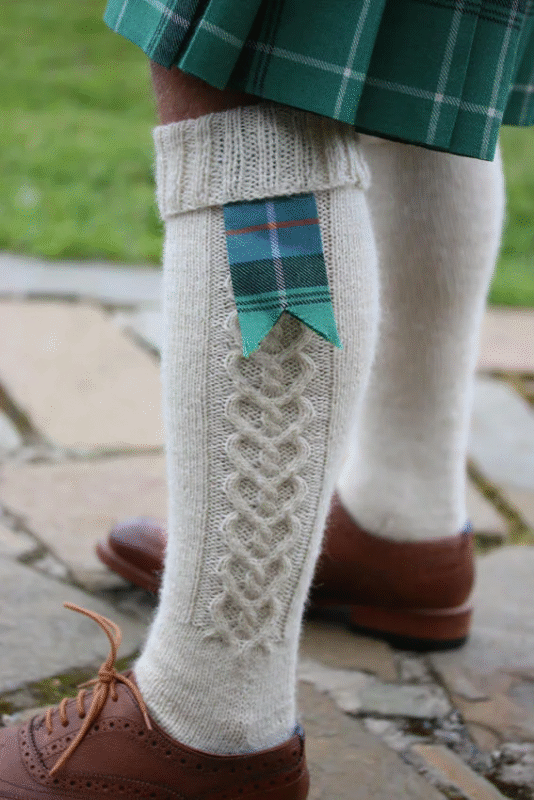
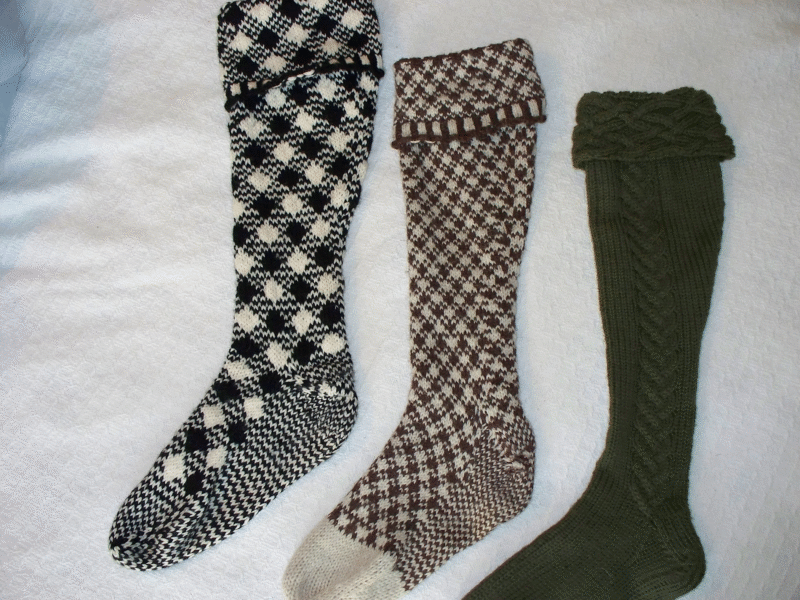
Much like the evolution of tartan prints, the design of kilt hose became more varied and expressive. Today, intricate ribbing, cable patterns, and soft wool blends turn what was once a utilitarian garment into an art form.
Function Meets Fashion
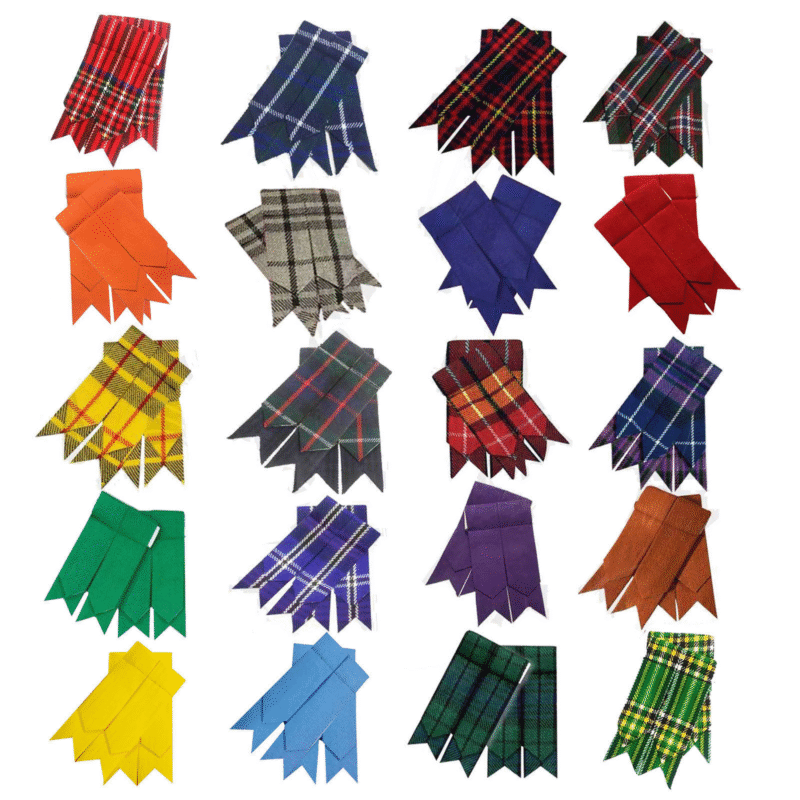
Kilt hose serve multiple purposes. Functionally, they keep the legs warm, especially in Scotland’s unpredictable weather something anyone familiar with kilts and Scottish weather can appreciate. Stylistically, they frame the kilt and draw the eye to the flashes, small colored ribbons that peek out from beneath the turned-down cuff, usually matching the tartan or clan colors.
These small details add rhythm and contrast to the outfit, creating a cohesive visual harmony from head to toe. Traditional Highland attire always balances symbolism and beauty, just as seen in Scottish tartan shawls.
Materials and Craftsmanship
Authentic kilt hose are still produced in Scotland using fine wool, often merino or a wool blend for softness and stretch. Skilled knitters maintain patterns that have been passed down for generations. Each pair is shaped carefully to fit snugly around the calf and knee without slipping, a hallmark of traditional Scottish craftsmanship.
Modern versions may include subtle elasticized tops, but the essence remains rooted in handmade artistry. This commitment to quality echoes other elements of Scottish design, from Tam O’Shanter hats to Celtic stone carvings.
Colors, Patterns, and Meaning
The color of kilt hose often complements the kilt tartan rather than matching it exactly. Cream, dark green, burgundy, and charcoal are popular choices for formal occasions, while bolder hues appear at Highland Games or festive gatherings.
Some wearers also choose clan-related tones or subtle designs that nod to their heritage. As with the tartan sash, kilt hose help express both personal and cultural identity.
Kilt Hose in Modern Highland Dress
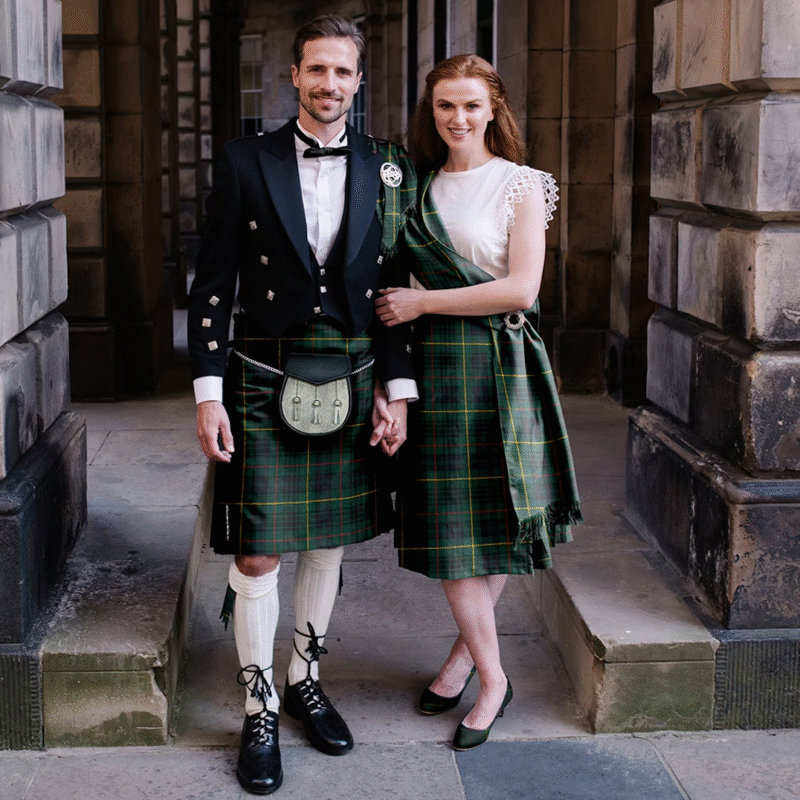
In modern Scotland, kilt hose remain essential for both ceremonial and casual wear. They appear at weddings, ceilidhs, and Highland Games, completing the polished look of a true Highlander. The combination of hose, flashes, and ghillie brogues (traditional lace-up shoes) creates a timeless aesthetic that links centuries of tradition.
Whether you’re tracing your ancestry, attending a Highland festival, or simply embracing Scottish style, wearing kilt hose is a gesture of continuity. It’s a small but meaningful way to connect with Scotland’s living heritage, one stitch at a time.
Conclusion: A Thread of Tradition
Scottish kilt hose might seem a simple accessory, but they carry history in every thread. They tell the story of resilience, pride, and artistry—woven together by generations of Scots. Like the kilt itself, they remind us that heritage is not frozen in time; it is something we wear, celebrate, and pass on.
For more insights into Scottish attire and Celtic culture, explore CeltGuide’s Fashion & Style section or browse the main blog.