Celtic Pendants: Symbols of Identity and Timeless Craft

Introduction: More Than Just Jewelry
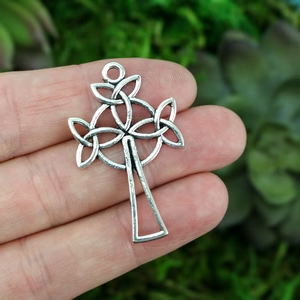
Celtic pendants are not simply ornaments; they are vessels of meaning. Each design from intricate knots to sacred trees echoes centuries of artistry and belief. For the Celts, jewelry was never mere decoration; it carried identity, status, and even spiritual protection. Today, Celtic pendants remain powerful symbols of heritage, celebrated globally in both traditional and modern contexts.
The Symbolism of Celtic Pendants
Celtic pendants often feature motifs that transcend aesthetics:
- The Celtic Knot – Interwoven loops with no beginning or end, symbolizing eternity. (Read more on Celtic stone carvings, where similar designs appear.)
- The Oak Tree – A sacred emblem of strength and wisdom, often worn as a pendant to invoke protection (Celtic oak tree).
- The Claddagh – A heart held by two hands, crowned above, symbolizing love, loyalty, and friendship (Claddagh ring).
- The Triskelion (Triple Spiral) – Representing cycles of life, death, and rebirth.

Pendants in Ancient Celtic Life
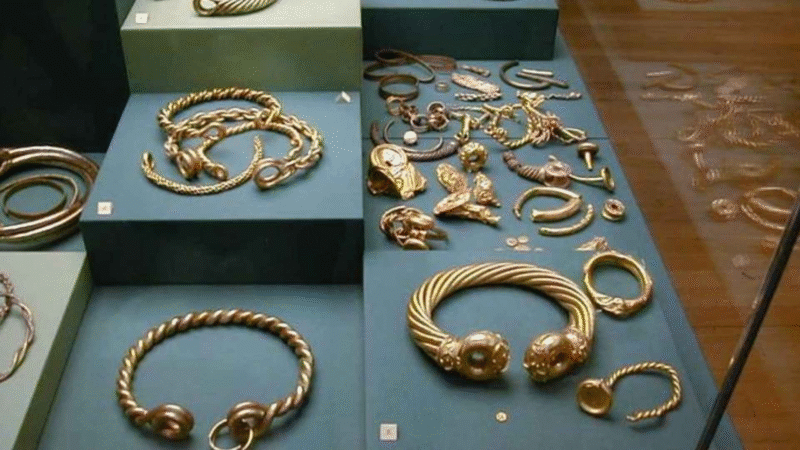
Archaeological finds reveal that pendants were more than adornment. They were:
- Protective charms believed to shield the wearer from harm.
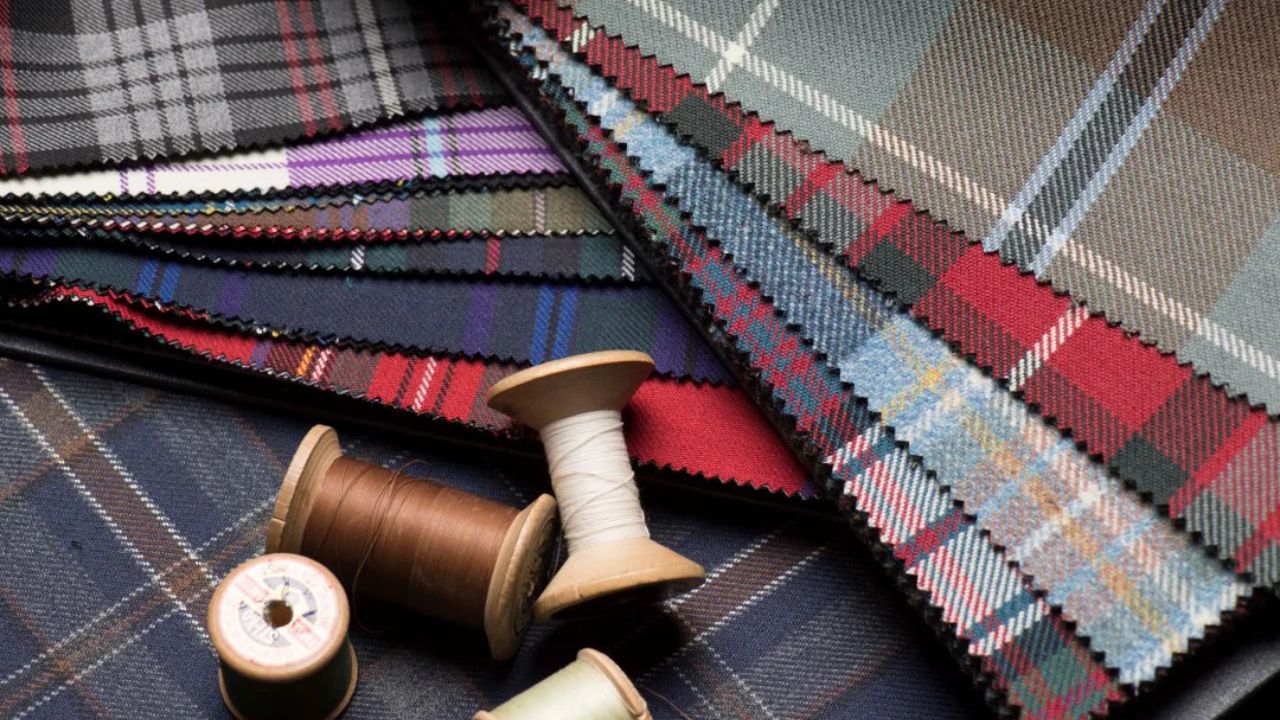
- Markers of tribe and clan—not unlike the function of tartan.
- Spiritual objects tied to deities, like Lugh, the Celtic sun god.
These pendants were often made of bronze, silver, or gold, and some carried carved inscriptions, reflecting the Celts’ deep connection between art, language, and spirituality.
Celtic Pendants in Folklore and Belief
Folklore often imbued pendants with protective or magical properties. Some tales even suggest pendants could grant safe passage into mystical realms like Annwn, the Celtic Otherworld. Others linked pendants to natural elements, echoing traditions tied to sacred landscapes like the Hill of Tara.
The Modern Revival of Celtic Pendants
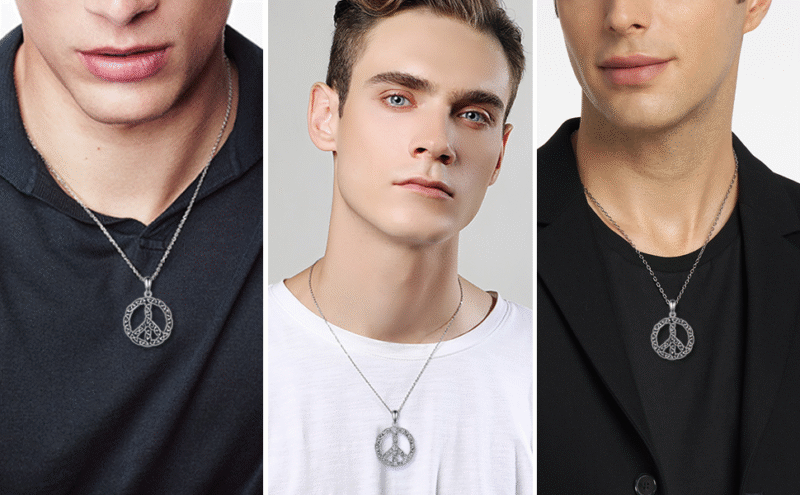
Today, Celtic pendants are worn for many reasons:
- Fashion – Popular as timeless accessories blending heritage and elegance (Scottish tartan shawls).
- Cultural identity – Worn proudly by those with Irish or Scottish ancestry.
- Spiritual symbolism – Adopted by those drawn to Celtic traditions, myth, and folklore (Selkies in folklore).
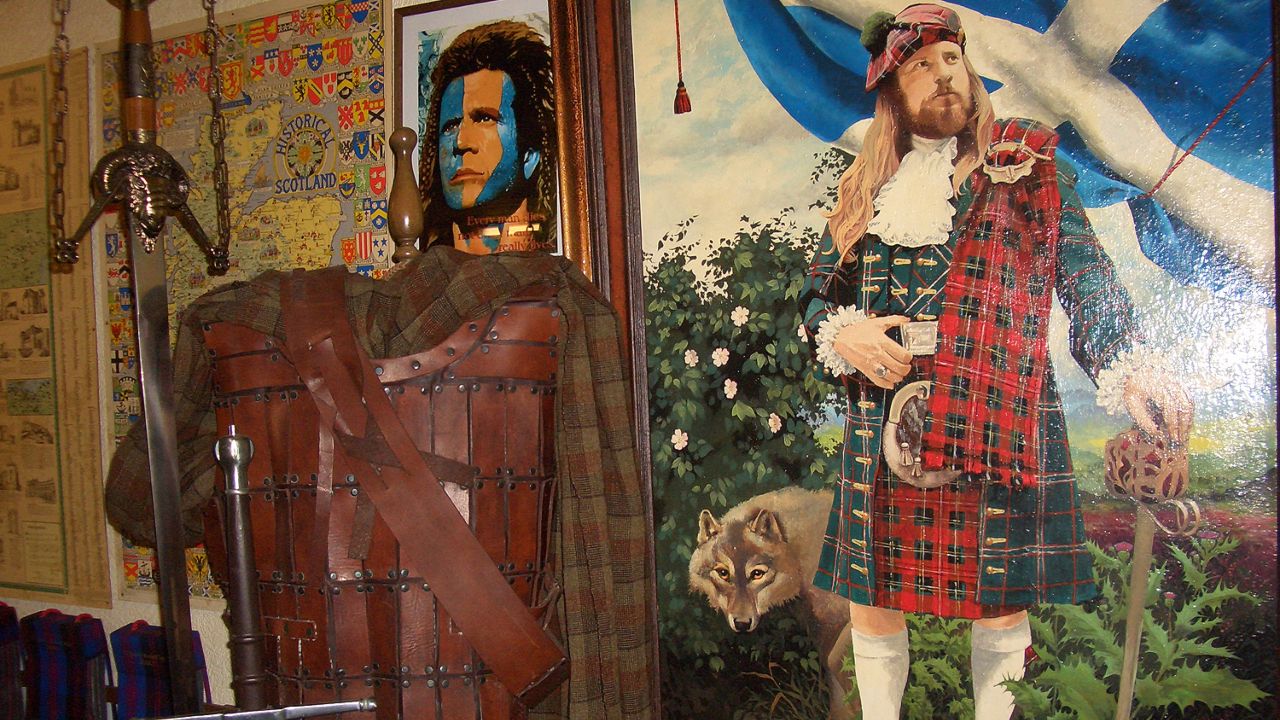
They also appear in global pop culture, much like kilts in movies and shows, showcasing their enduring cultural resonance.
Frequently Asked Questions (AEO Style)
1. What do Celtic pendants symbolize?
They often represent eternity, strength, love, and spiritual cycles, depending on the motif.
2. Are Celtic pendants Irish or Scottish?
They are found across Celtic cultures, including Ireland, Scotland, and Wales.
3. Can anyone wear a Celtic pendant?
Yes, they are worn globally as cultural symbols, spiritual charms, or simply elegant jewelry.
4. What materials are Celtic pendants made from?
Traditionally bronze, silver, and gold; today also crafted in stainless steel and wood.
Conclusion: Symbols That Endure
Celtic pendants embody a dialogue between past and present, where heritage, art, and spirituality intertwine. From sacred groves to modern jewelry shops, these pendants carry the same power: the ability to connect us to something larger, timeless, and profoundly human.
If you enjoyed this, explore more Celtic traditions on our blog, from Irish storytelling to the rhythms of the bodhrán drum.