Isle of Lewis Chessmen: Ancient Celtic Treasures

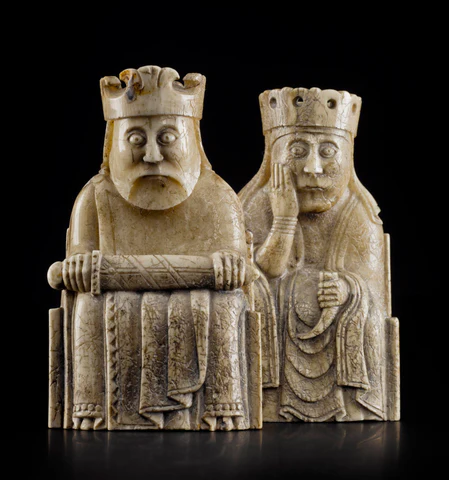
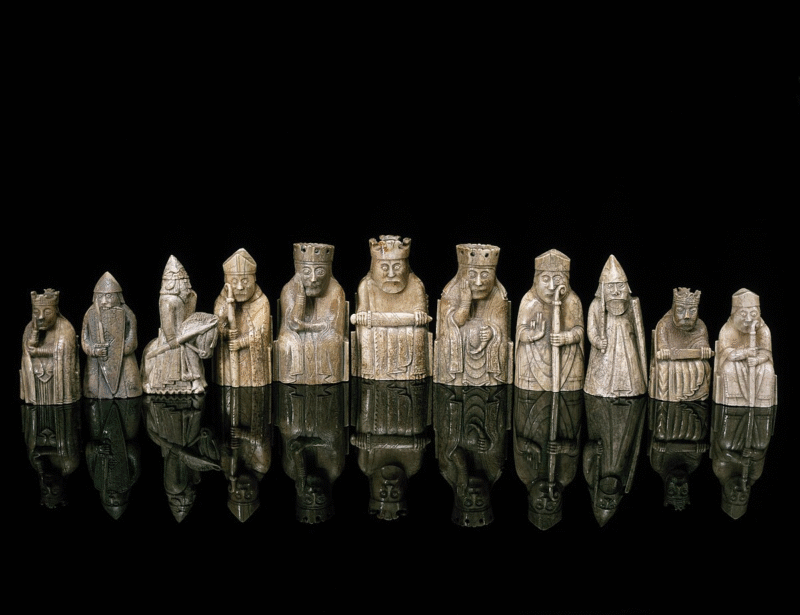
The Isle of Lewis Chessmen are among the most remarkable artifacts from medieval Scotland. Crafted in the 12th century, these intricately carved chess pieces offer a window into Norse-Celtic culture, art, and society. Beyond their function as game pieces, they reveal the fusion of artistry, hierarchy, and symbolism in early Celtic and Norse communities.
Origins and Discovery
The chessmen were discovered in 1831 on the Isle of Lewis, part of Scotland’s Outer Hebrides. Made primarily from walrus ivory, they are believed to have been crafted in Norway, reflecting the extensive Norse influence in the region. Their arrival in Lewis likely involved maritime trade routes that connected Celtic and Viking communities.
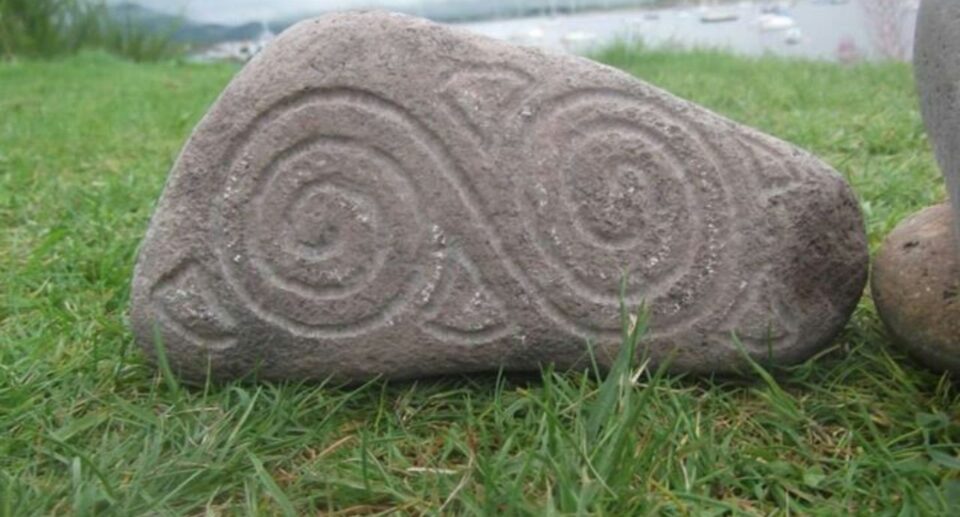
The discovery underscores the same rich historical context seen in Celtic Stone Carvings and the enduring significance of Scottish Clans, illustrating cultural interconnections across the British Isles.
Design and Craftsmanship
The Lewis Chessmen are renowned for their intricate designs. Each piece—from kings and queens to bishops, knights, rooks, and pawns features meticulous carving with expressive facial features and symbolic iconography.
- Kings and Queens: Represent authority and governance, reflecting medieval social hierarchies.
- Bishops and Knights: Indicate religious and military influence in society.
- Rooks and Pawns: Symbolize strategic defense and ordinary citizens’ role in the social structure.
Their craftsmanship rivals that of contemporary European art, highlighting the sophistication of Norse-Celtic artisans.
Cultural Significance
The chessmen illuminate aspects of medieval life, power dynamics, and cultural exchange. They reflect not only the strategic intellect of their era but also the symbolic storytelling deeply ingrained in Celtic and Norse traditions. This resonates with the narrative heritage explored in Why Are Irish People Natural Storytellers.
These artifacts also continue to inspire modern art, literature, and design, bridging centuries of Celtic cultural expression.
Modern Legacy
Today, the Isle of Lewis Chessmen are housed in institutions such as the British Museum and the National Museum of Scotland. They attract scholars, artists, and enthusiasts from around the world, serving as a tangible link to Scotland’s medieval past. Their influence extends to contemporary exhibitions, historical research, and even popular media interpretations of Celtic and Norse history.
Conclusion
The Isle of Lewis Chessmen are more than chess pieces, they are historical documents, works of art, and cultural symbols. Their intricate carvings and storied past provide a lens through which to explore the rich tapestry of Celtic, Norse, and Scottish history.
For further exploration of Celtic heritage, see Crofters Journey Through Time and The Bodhran Drum to understand more about the culture that shaped these artifacts.