Scottish Fiddling – Tradition, Technique & Timeless Tunes

Scottish fiddling is more than just music; it’s a living, breathing part of Scotland’s cultural soul. From lively dances in Highland villages to emotional airs played at gatherings, the fiddle has carried Scotland’s stories for centuries. While many associate the fiddle with Irish music, Scottish fiddling has its own unique style, rhythms, and history that make it truly distinct.
A Brief History of the Scottish Fiddle
The fiddle arrived in Scotland during the late medieval period, likely influenced by continental Europe. By the 18th century, it had become central to both rural and urban music-making. It played at ceilidhs (informal social gatherings), weddings, and public dances serving as the heartbeat of Scottish community life.
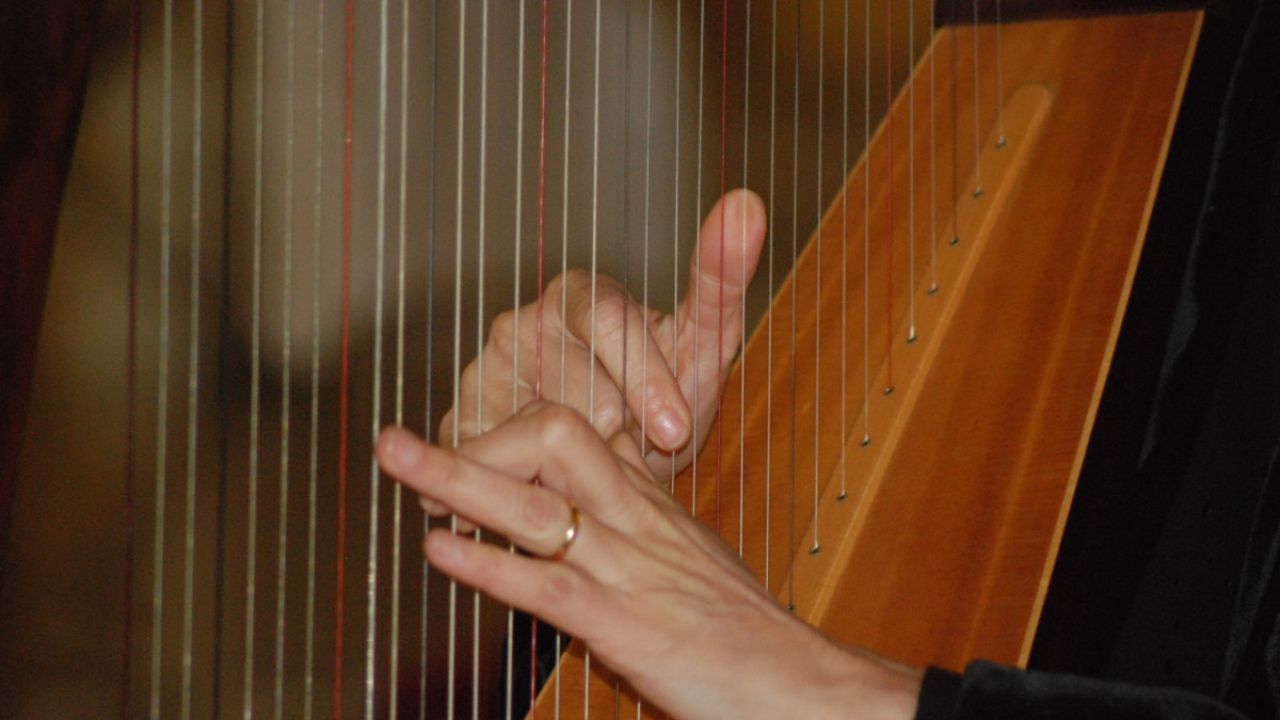
For a broader look at Celtic instruments, you might enjoy our guide to the Celtic harp (clarsach).
What Makes Scottish Fiddling Unique?
While Irish fiddle music is often fast and ornament-heavy, Scottish fiddling tends to emphasize:
- Strong rhythms for dance styles like reels, strathspeys, and jigs
- The “Scots snap” -a short, accented note followed by a longer one, giving tunes their distinctive bounce
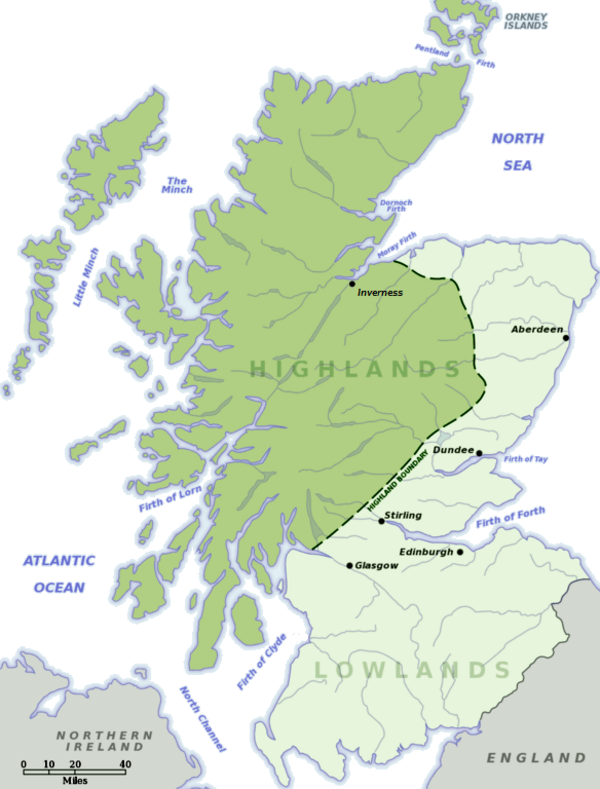
- Regional variation—Highland music can sound quite different from Shetland or Lowland traditions
The Scottish fiddle is not just about the notes, it’s about the feel. A Shetland reel will sound bright and quick, while a Highland air may carry deep emotion and space.
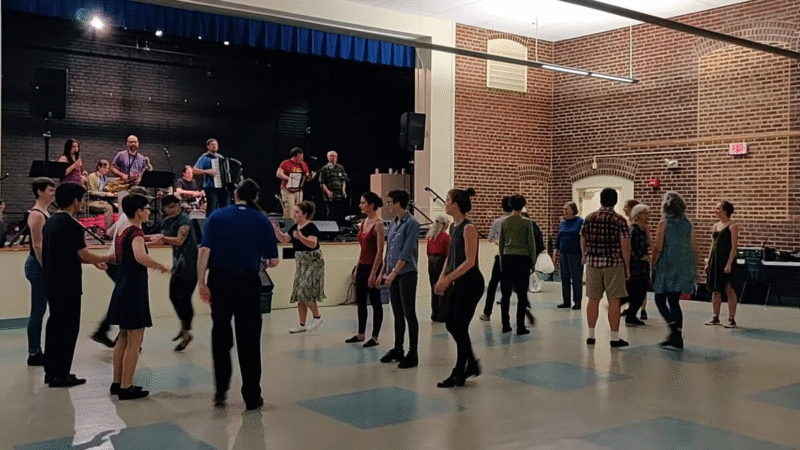
Fiddle Music & Scottish Dance
The fiddle’s primary role has always been to make people move. Popular dance forms include:
- Strathspeys – elegant, stately dances with the Scots snap
- Reels – fast-paced, joyful, and energetic
- Jigs – lively, triple-time tunes perfect for group dances
For more on traditional Celtic group performances, check out our article on Ceili Bands.
Notable Figures in Scottish Fiddling
Some of the most celebrated fiddlers in Scottish history include:
- Niel Gow (1727–1807) – Often called the father of Scottish fiddling, he composed timeless strathspeys still played today.
- Aly Bain – A modern master, bringing Shetland-style fiddling to international audiences.
- Alasdair Fraser – Known for his innovative interpretations while keeping the tradition alive.
The Fiddle in Modern Scotland
Today, Scottish fiddling thrives both in traditional circles and on global stages. From local folk festivals to international tours, fiddlers continue to share Scotland’s sound with the world.
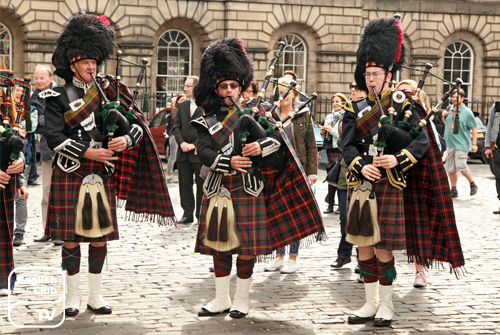
At events like the Highland Games, you’ll often hear fiddlers alongside pipers and drummers, weaving together the country’s musical heritage.
FAQs About Scottish Fiddling
1. Is the Scottish fiddle the same as a violin?
Yes physically, they are the same instrument. The difference lies in playing style, ornamentation, and cultural context.
2. What’s the difference between Scottish and Irish fiddling?
Scottish fiddling features more pronounced rhythms and the “Scots snap,” while Irish fiddling is generally more fluid and ornamented.
3. Can beginners learn Scottish fiddling easily?
Yes! Many community groups and online tutorials cater to beginners, making it accessible to anyone with dedication and practice.
Conclusion
Scottish fiddling is not just a style of music, it’s a vessel for centuries of tradition, storytelling, and community. Whether played in a Highland hall or streamed to a global audience, the fiddle continues to carry Scotland’s voice.
For more on Celtic music traditions, visit our Music & Dance section.